Uncategorized

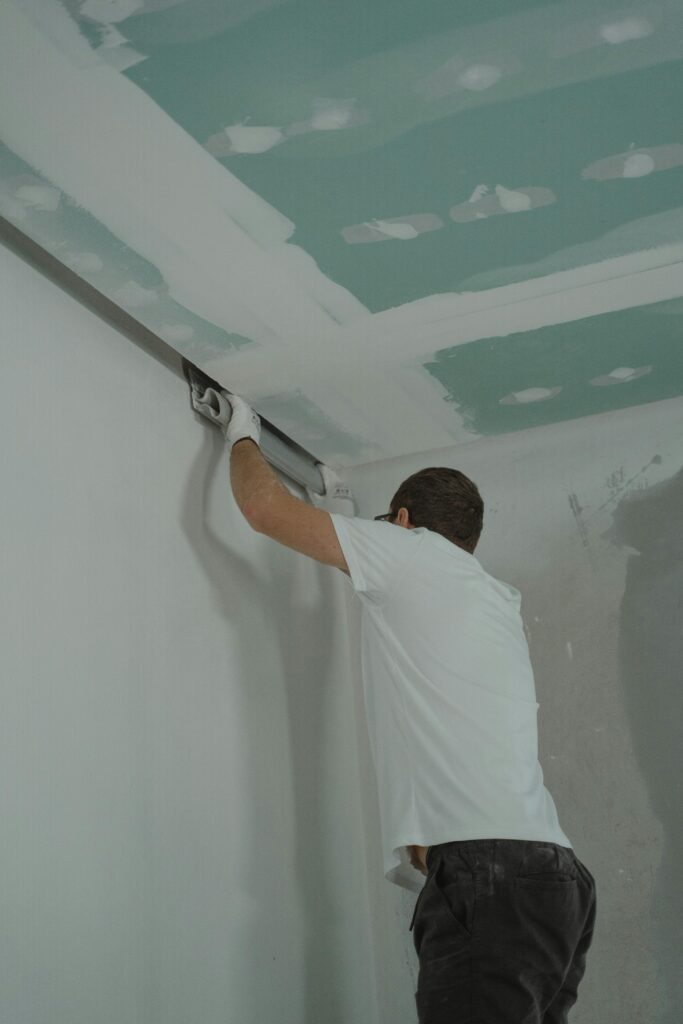
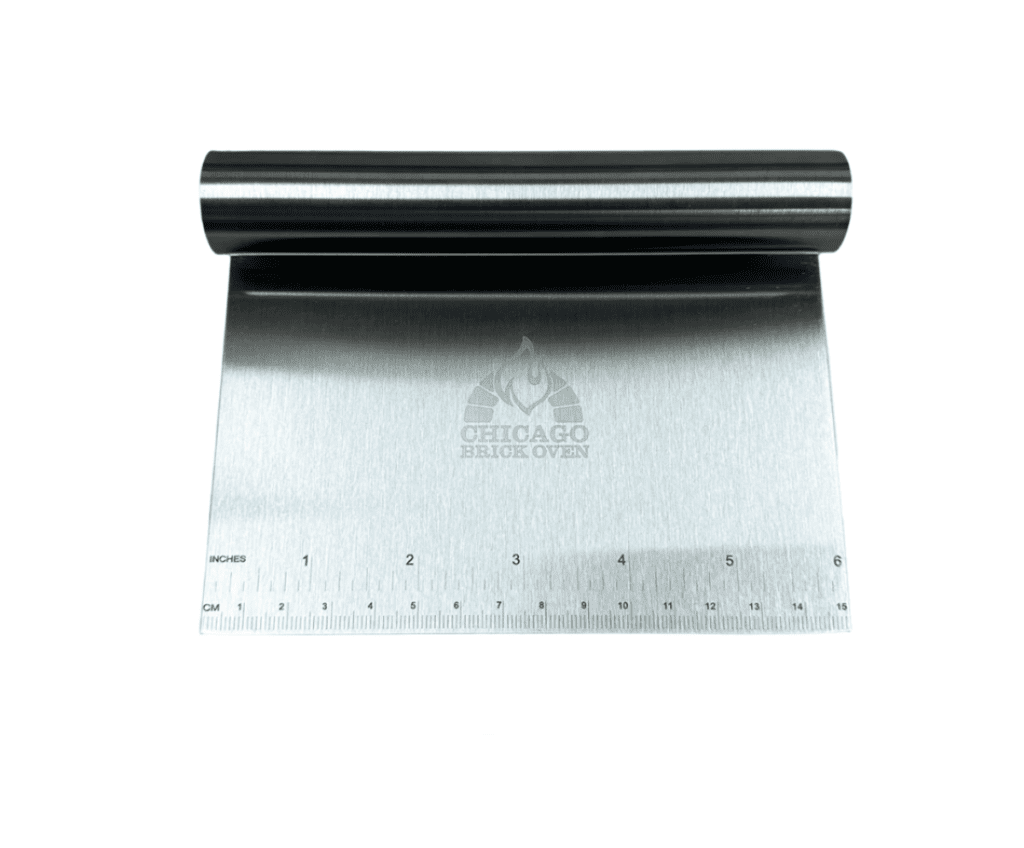
Professional steel plaster scraper tool

How to Choose the Perfect Plaster Scraper

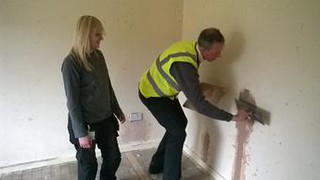
Selecting the right plaster scraper can make the difference between a smooth, professional finish and hours of unnecessary labor – here’s what the experts don’t tell you. Understanding Plaster Scraper Basics A plaster scraper is more than just a simple tool; it’s a crucial instrument that can significantly impact the quality of your plastering work. As professional plasterers in Kent with over 15 years of experience, we’ve learned that understanding the fundamental components of a quality plaster scraper is essential for achieving professional results. These tools are designed specifically for smoothing and shaping plaster surfaces, but their versatility extends to various applications in construction and renovation work. The basic anatomy of a plaster scraper consists of a blade and handle, but it’s the quality and design of these components that separates professional-grade tools from basic alternatives. Blade Materials and Construction Carbon steel blades are the industry standard for professional plaster scrapers, and for good reason. These blades offer superior durability and maintain their edge longer than cheaper alternatives. High-quality carbon steel blades can last up to 3 times longer than standard stainless steel versions when properly maintained. The blade’s thickness typically ranges from 0.5mm to 2mm, with thicker blades providing more rigidity for heavy-duty work. The best blades feature: Heat-treated carbon steel for enhanced durability Precision-ground edges for consistent performance Rust-resistant coating for longevity Uniform thickness across the entire blade Proper tempering to prevent brittleness Handle Types and Ergonomics The handle of a plaster scraper plays a crucial role in both comfort and control. Wooden handles remain the preferred choice among professional plasterers, particularly those made from hardwoods like beech or ash. Research shows that wooden handles reduce hand fatigue by up to 40% compared to plastic alternatives. Consider these key aspects of handle design: Ergonomic grip patterns for reduced strain Moisture-resistant treatment for durability Balanced weight distribution for better control Secure blade mounting systems Comfortable length for extended use Essential Features to Consider When selecting a professional-grade plaster scraper, several key features distinguish superior tools from basic models. The most crucial aspects include blade width options, flexibility, and overall construction quality. Professional plasterers typically invest in multiple scrapers with different specifications to handle various tasks effectively. Understanding these features ensures you’ll select the right tool for your specific needs. Blade Width Options The width of your plaster scraper significantly impacts its functionality and application range. Available widths typically range from 20mm to 120mm, with each size serving specific purposes: 20-40mm: Detail work and corners 50-75mm: General purpose and medium-sized areas 80-120mm: Large surface areas and initial spreading Blade Flexibility and Rigidity Different plastering tasks require varying degrees of blade flexibility. Modern scrapers often feature varying flexibility options to accommodate different surface types and plaster conditions. Professional-grade flexible blades can bend up to 15 degrees without permanent deformation, making them ideal for curved surfaces and detailed work. Choosing the Right Scraper for Different Applications Selecting the appropriate scraper for specific tasks ensures optimal results and efficiency. Professional plasterers typically maintain a collection of scrapers with different specifications to handle various applications effectively. Understanding how different scrapers perform in specific scenarios is crucial for achieving professional-quality results. Wall and Ceiling Work Vertical and overhead plastering requires specific tool characteristics for optimal results: Lightweight scrapers for reduced arm fatigue Wider blades (80-120mm) for efficient coverage Enhanced grip features for secure handling Balanced weight distribution for better control Detailed and Finishing Work Fine detail work demands precision tools with specific features: Narrow blades (20-40mm) for intricate areas Flexible blades for curved surfaces Sharp, well-maintained edges for smooth finishes Ergonomic handles for precise control Maintenance and Care Proper maintenance of your plaster scraper is essential for ensuring consistent performance and longevity. Regular maintenance can extend tool life by up to 50% and maintain optimal performance throughout its lifespan. Professional plasterers understand that well-maintained tools not only perform better but also provide more consistent results. Cleaning and Storage Implementing proper cleaning and storage practices is crucial: Clean thoroughly after each use Store in a dry environment Apply light oil coating to prevent rust Use blade guards when not in use Keep tools organized and easily accessible When to Replace Your Scraper Knowing when to replace your plaster scraper is crucial for maintaining professional standards. Look for these signs: Visible blade wear or damage Reduced flexibility in flexible blades Handle damage or loosening Inconsistent performance Rust or corrosion development Professional Recommendations Based on our extensive experience in the Kent plastering industry, we recommend investing in quality tools that will deliver consistent results and stand the test of time. Professional-grade scrapers typically last 3-4 times longer than budget alternatives, making them a cost-effective choice for serious plasterers. Top Brands and Models Marshalltown Pro Series OX Tools Professional Stanley Professional Grade NELA Premium Series Kraft Tool Elite Series Investment Considerations When evaluating plaster scrapers, consider these investment factors: Initial cost vs. longevity Warranty coverage Availability of replacement parts Brand reputation Local supplier support Making Your Final Selection Choose your plaster scraper based on your specific needs, working conditions, and budget. Consider starting with a versatile mid-width scraper (60-75mm) if you’re new to plastering, and expand your collection as needed. Remember that investing in quality tools pays dividends in terms of work quality and efficiency. For professional advice on selecting the perfect plaster scraper or any other plastering needs in Kent, don’t hesitate to contact our experienced team at Kent Plasterers. FAQ Does vinegar remove plaster? Since vinegar is acidic, it quickly dissolves water stains, plaster, and mold buildup. How to use : Mix white vinegar with warm water in a bowl. Pour the solution into a spray bottle and spray it onto the affected area. How to remove plaster from hand at home? Water. You can you can soak it off with warm water and vinegar i’ve even been told. And read that you can soak it off with a warm water and fabric softener. What is the least painful way to remove a plaster? Lubricate it:

How to Choose the Perfect Plaster Scraper Read More »

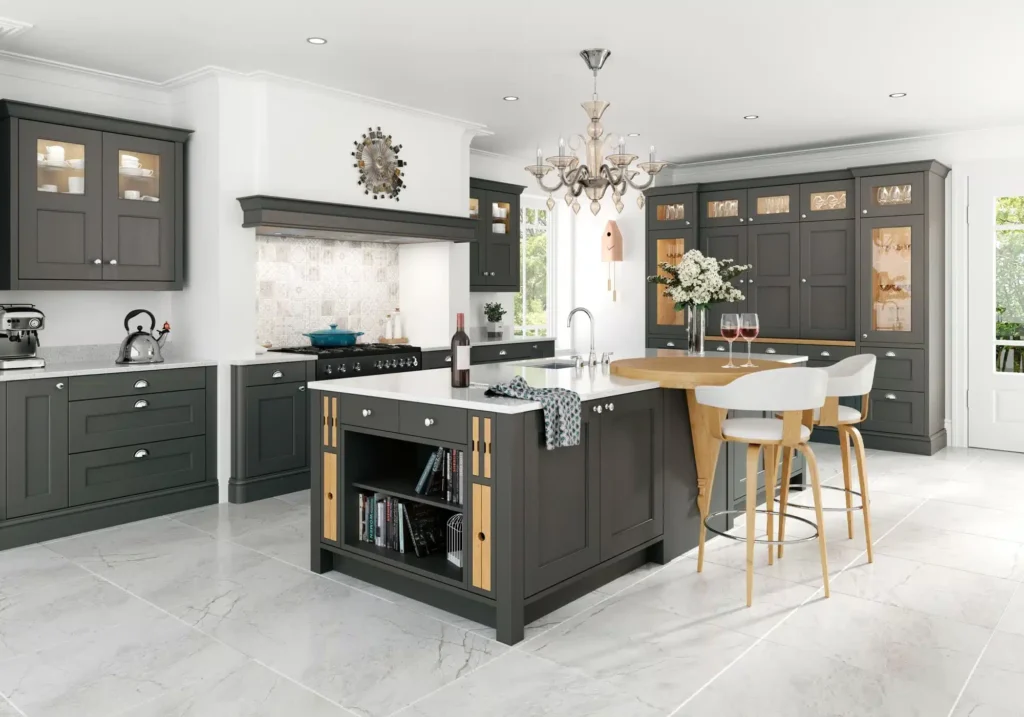
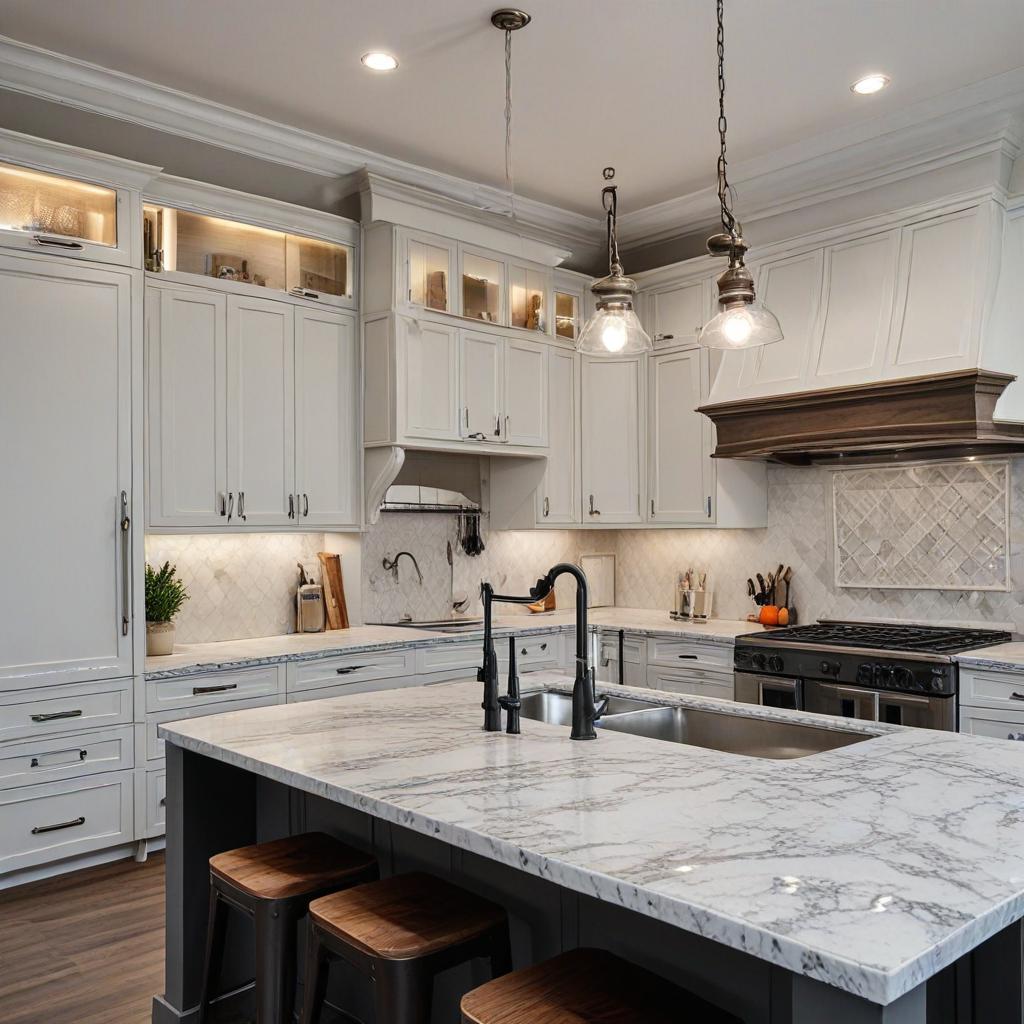
modern kitchen renovation design transformation

Planning a Renovation? Here’s Your Essential Kitchen Guide

Transform your tired kitchen with a stunning renovation that balances style and functionality – our expert guide shows you how. Transform Your Kitchen: Where Style Meets Functionality Embarking on a kitchen renovation is more than just a home improvement project – it’s an investment in your property’s future and your daily quality of life. Recent studies show that kitchen renovations can recoup up to 85% of their cost in added home value. As leading plasterers in Kent, we’ve witnessed countless kitchen transformations and understand that successful renovations require a perfect blend of aesthetic appeal and practical functionality. Whether you’re a busy family seeking better workflow or a property developer aiming to maximise returns, this comprehensive guide will help you navigate your kitchen renovation journey. Understanding Your Kitchen’s Potential Before diving into your renovation project, it’s crucial to evaluate your current kitchen’s strengths and weaknesses. A recent survey by the National Kitchen and Bath Association revealed that 78% of homeowners wish they had better assessed their space before starting renovations. Consider your kitchen’s current layout, traffic flow, and how you actually use the space. Are there awkward corners that could be better utilized? Is there sufficient counter space for food preparation? Understanding these elements will help you create a more efficient and enjoyable kitchen environment. Measure your space carefully and create a detailed floor plan Identify problem areas and inefficient layouts Consider the kitchen work triangle (sink, stove, and refrigerator placement) Evaluate natural light sources and ventilation needs List your must-have features and nice-to-have additions Essential Elements of Kitchen Revival Modern kitchen renovations focus on creating spaces that are both beautiful and highly functional. The latest trends show that 65% of homeowners prefer open-concept designs that seamlessly integrate with living areas. Key elements to consider include: Cabinetry: Opt for soft-close mechanisms and integrated storage solutions Countertops: Consider durability ratings and maintenance requirements Lighting: Layer task, ambient, and accent lighting for optimal functionality Flooring: Choose materials rated for kitchen use with sufficient slip resistance Ventilation: Ensure proper extraction systems for cooking odours and moisture The Art of Material Selection Selecting materials for your kitchen renovation requires careful consideration of both aesthetics and practicality. Contemporary trends favour materials that offer longevity while maintaining visual appeal. Quartz countertops have seen a 40% increase in popularity due to their durability and low maintenance requirements. When choosing materials, consider: Durability should be your primary concern, especially for high-traffic areas and frequently used surfaces. Look for materials that resist scratches, stains, and water damage. For example, porcelain tiles offer excellent durability while providing countless design options. Consider eco-friendly alternatives like bamboo flooring or recycled glass countertops, which have gained significant popularity among environmentally conscious homeowners. Smart Technology Integration Modern kitchen renovations increasingly incorporate smart technology to enhance functionality and efficiency. Studies indicate that 72% of UK homeowners now prioritise smart features in their kitchen renovations. Consider these innovative solutions: Smart appliances with remote monitoring and control capabilities Energy-efficient LED lighting systems with motion sensors Touch-activated taps and hands-free operations Smart storage solutions with automated organisation systems Connected cooking devices with smartphone integration Professional Planning and Execution The success of your kitchen renovation largely depends on proper planning and professional execution. Research shows that projects managed by experienced professionals are 35% more likely to finish on time and within budget. Create a detailed timeline and budget, allowing for contingencies. Working with experienced contractors ensures high-quality results and helps avoid costly mistakes. At Kent Plasterers, we recommend: Setting a realistic budget with a 20% contingency fund Creating a detailed project timeline with clear milestones Selecting and vetting contractors thoroughly Obtaining necessary permits and approvals Planning for alternative cooking arrangements during renovation Bringing Your Vision to Life The final stage of your kitchen renovation involves bringing all elements together cohesively. Current trends show that neutral colour schemes with bold accents remain popular, offering timeless appeal while allowing for personalisation. Consider these aspects: Choose a colour palette that complements your home’s overall aesthetic while reflecting your personal style. Consider the psychological effects of different colours – warm tones create a welcoming atmosphere, while cool tones promote calm and cleanliness. Pay attention to details like cabinet hardware, backsplash patterns, and decorative elements that can dramatically impact the final look. Making Your Investment Count A well-executed kitchen renovation can significantly increase your property’s value. Recent market analysis shows that quality kitchen renovations can yield up to 90% return on investment in the UK property market. Focus on: Selecting timeless design elements that won’t quickly date Investing in high-quality materials for longevity Maintaining proper documentation of improvements Planning for future maintenance requirements Considering energy efficiency for long-term savings Ready to Start Your Kitchen Transformation? Your kitchen renovation journey begins with proper planning and professional expertise. At Kent Plasterers, we understand the importance of creating beautiful, functional spaces that stand the test of time. Our team of experienced professionals can help bring your vision to life while ensuring the highest standards of craftsmanship. Contact us today for a consultation and take the first step towards your dream kitchen renovation. FAQ What are renovations called? Renovation, remodeling, restoration, refurbishment – these terms seem to be talking about the same thing. What is a synonym for the word renovation? Recent Examples of Synonyms for renovation. improvement. modification. rehabilitation. alteration. What word is short for renovation? RENO Definition & Meaning | Dictionary.com. What is the term of renovation? noun. the act or process of repairing, renewing, or restoring to good condition: The project will include interior and exterior renovation and rehabilitation to upgrade the school’s infrastructure. What is a synonym for being renovated? clean overhaul refit refurbish rehabilitate remake remodel repair restore revamp revitalize revive spruce up update. Sources [1] https://en.ultimatesuccesspuzzle.com/crossword/-/Renovation/ [2] https://www.crosswordsolver.com/clue/RENOVATION [3] https://www.word-grabber.com/crossword-solver/all-answers-for-the-clues/Renovate/

Planning a Renovation? Here’s Your Essential Kitchen Guide Read More »

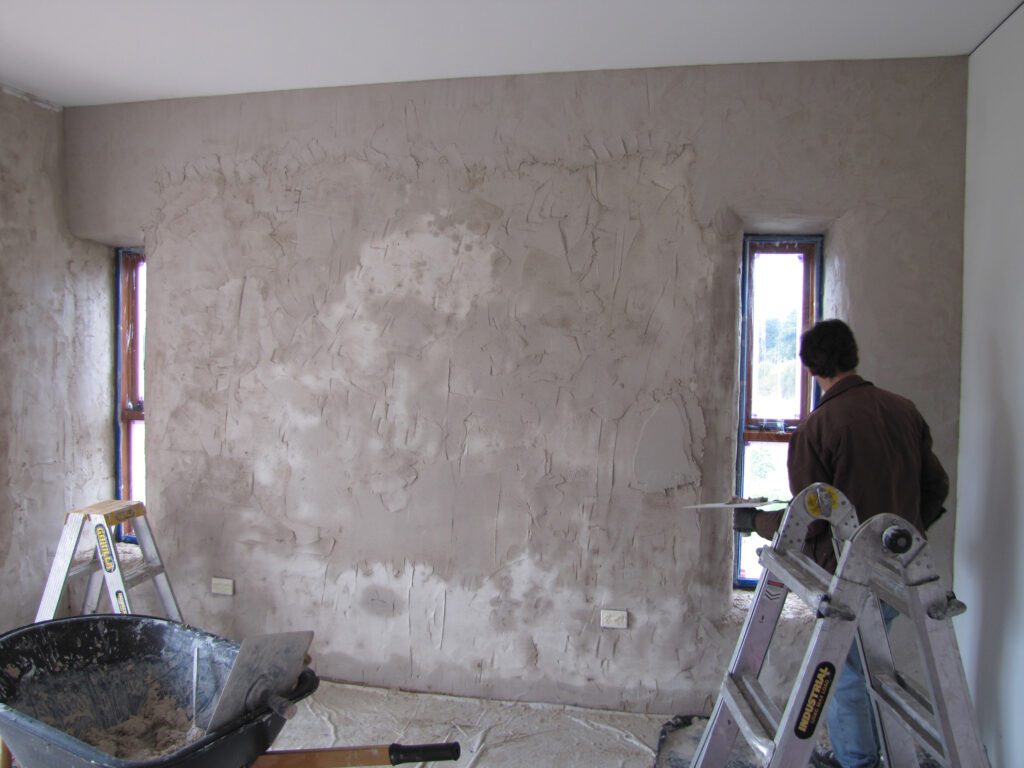
professional plasterer coating smooth surface

Can You Plaster Over Existing Surfaces?

Transform tired walls into flawless surfaces – discover the secrets of coating with plaster that professional plasterers won’t tell you. Understanding the Basics of Plaster Coating Plaster coating is a sophisticated finishing technique that can dramatically transform interior surfaces. When you coat with plaster, you’re not just applying a cosmetic layer – you’re creating a durable, breathable surface that can last for decades. Modern plaster coatings typically consist of gypsum, lime, or cement-based materials, each offering unique properties suited to different applications. Recent studies show that properly applied plaster coatings can increase wall durability by up to 35% while providing superior moisture regulation compared to standard paint finishes. When Can You Coat With Plaster Over Existing Surfaces? Successfully coating with plaster over existing surfaces depends largely on the substrate condition. Here are the most common surfaces suitable for plaster coating: Existing plaster walls in good condition with minimal damage Properly prepared drywall surfaces Clean, stable concrete surfaces Painted surfaces that have been appropriately prepared Brick or block walls with sound mortar joints It’s crucial to note that 89% of plaster coating failures are attributed to poor surface preparation, making this step absolutely vital for success. Surface Assessment and Preparation Before you coat with plaster, thorough surface assessment and preparation are essential. Start by checking for structural integrity, moisture issues, and surface contamination. Key preparation steps include: Testing for loose material by tapping the surface Removing any flaking paint or old wallpaper Treating any visible mould or mildew Filling major cracks and holes Applying a suitable primer or bonding agent Essential Steps for Successful Plaster Coating Achieving a perfect finish when you coat with plaster requires attention to detail and proper technique. The process typically involves applying multiple layers, with each serving a specific purpose. Professional plasterers recommend maintaining a consistent temperature between 10-25°C during application and curing. Begin with a scratch coat for grip, followed by a levelling coat, and finish with a smooth final coat. Proper mixing ratios are crucial – too much water weakens the plaster, while too little makes it difficult to work with. Common Challenges and Solutions When you coat with plaster, several challenges may arise. Here are the most frequent issues and their solutions: Poor adhesion: Apply a PVA bonding agent before coating Uneven drying: Ensure proper ventilation and consistent temperature Cracking: Use appropriate plaster mix ratios and application thickness Bubbling: Address underlying moisture issues before coating Professional Tips for Different Surface Types Different surfaces require specific approaches when coating with plaster. For painted surfaces, thorough keying is essential – create a mechanical key by scoring or using a bonding agent. When working with textured surfaces, experts recommend applying a levelling coat first, which can reduce material usage by up to 25%. For concrete surfaces, use a specific concrete bonding agent before applying your base coat. When to Avoid Coating Over Existing Surfaces There are situations where coating with plaster isn’t recommended: Surfaces with active water damage or rising damp Walls with structural movement issues Surfaces contaminated with oil or grease Areas with severe salt contamination Surfaces with multiple layers of old paint or wallpaper Making the Right Choice for Your Project When deciding whether to coat with plaster over existing surfaces, consider these factors: Recent industry data shows that professional plastering can increase property value by up to 15%. Compare the costs of surface preparation and materials against complete replacement. Factor in the condition of existing surfaces, project timeline, and desired finish quality. For heritage properties, traditional lime plaster might be more appropriate than modern gypsum-based options. Getting Professional Results For the best results when coating with plaster, consider these final tips: Invest in quality tools and materials Maintain consistent mixing ratios Work in manageable sections Allow adequate drying time between coats Consider hiring professional plasterers for complex projects Remember, while DIY plastering can save money, professional plasterers bring expertise and efficiency that often justifies their cost. Statistics show that professional plastering jobs typically last 20-30 years with proper maintenance, making it a worthwhile investment for your property. FAQ What is dry coat plaster? Thistle DriCoat is a cement based undercoat plaster for replastering walls following damp proof course treatment. It’s the only British Gypsum plaster recommended for replastering walls following damp proof course treatment. The source of penetrating or rising damp must be identified and eliminated. Why do we wear plaster? Plasters give your injury some protection from accidental knocks during the healing process, which could otherwise reopen the wound. Plasters can speed up the healing process by selectively absorbing fluid while keeping the wound moist. What is one coat plaster used for? It saves time and costs by giving you a single repair product for patching repairs before wallpapering or tiling. Ideal for use on brick, block, concrete and plasterboard. It’s ideal for deep-filling repairs up to 25mm on most common backgrounds and is available in smaller bags for easier handling. What is a plaster jacket? A field jacket is a plaster covering placed over and around a fossil, while in the field, to protect the fossil as it is removed and transferred safely back to the lab or museum for further study. Sources [1] https://coatpaints.com/products/bare-plaster-pack [2] http://crosswordtracker.com/clue/coat-with-plaster/ [3] https://www.youtube.com/watch?v=0lEKt8kG6mI

Can You Plaster Over Existing Surfaces? Read More »

modern renovation transformation home makeover

Is Remodel Better Than Renovation? Here’s What Experts Say

The age-old debate between renovation and remodeling continues to puzzle homeowners across Kent. While both approaches can transform your space, understanding their key differences is crucial for making the right investment decision. Recent statistics show that home improvement projects increased by 32% in 2023, making this distinction more relevant than ever. Understanding the Fundamental Differences Renovation and remodeling, though often used interchangeably, serve distinct purposes in home improvement. Renovation typically involves restoring something to a good state of repair, maintaining its existing structure while updating its appearance. In contrast, remodeling entails changing a room’s structure or layout entirely. According to recent industry data, renovation projects cost 40-60% less than complete remodels on average. This fundamental difference affects everything from budget planning to project timeline and required permissions. The Case for Renovation Renovation focuses on breathing new life into existing structures while preserving their original character. This approach has gained significant traction in Kent, with 65% of homeowners opting for renovation over remodeling in 2023. The process typically involves repairs, updates, and restoration work that maintains the fundamental layout and structure of your space. Benefits of Renovation Cost-effective: Generally requires less material and labour Shorter project timeline: Most renovations complete within 2-4 weeks Preserves historical value and character Less disruptive to daily life Often doesn’t require planning permission More environmentally friendly approach When Renovation Makes More Sense Renovation proves particularly beneficial in several scenarios. For period properties in Kent, where maintaining historical character is crucial, renovation helps preserve architectural details while updating functionality. It’s also ideal when working with limited budgets or time constraints. Studies show that careful renovation can increase property value by up to 25% while maintaining the home’s original charm. The Power of Remodeling Remodeling represents a more comprehensive transformation, involving structural changes that can completely reimagine a space. This approach has seen a 28% increase in popularity among Kent homeowners seeking dramatic changes to their properties. Remodeling often involves moving walls, changing room layouts, or even adding extensions. Advantages of Remodeling Complete transformation of space Opportunity to improve functionality significantly Ability to modernise outdated layouts Potential for higher return on investment Better energy efficiency opportunities Enhanced property value potential Ideal Scenarios for Remodeling Remodeling becomes the preferred choice when significant structural changes are necessary or desired. It’s particularly suitable for outdated properties needing modern layouts, families requiring more space, or properties where the current configuration doesn’t meet contemporary living standards. Recent surveys indicate that kitchen remodels offer up to 85% return on investment in the Kent area. Making the Right Choice for Your Property The decision between renovation and remodeling should be based on several key factors, including your property’s current condition, your long-term goals, and available resources. Consider that property values in Kent have increased by 15% in the past year, making either investment potentially worthwhile with proper planning. Budget Considerations Renovation: £5,000 – £30,000 average cost Remodeling: £15,000 – £100,000+ depending on scope Hidden costs often add 10-20% to initial estimates Financing options and ROI expectations Insurance and warranty considerations Timeline and Disruption Factors Understanding project timelines is crucial for planning. Renovations typically take 2-8 weeks, while remodeling projects can extend from 6-16 weeks or longer. Consider temporary accommodation needs, especially for extensive remodeling projects. Statistics show that 40% of remodeling projects in Kent exceed their initial timeline estimates. Expert Insights and Recommendations Professional plasterers and contractors in Kent overwhelmingly recommend assessing your property’s current condition and your long-term goals before deciding. According to recent industry surveys, 75% of professionals suggest starting with a detailed property assessment to determine the most appropriate approach. Consider factors such as structural integrity, historical value, and potential return on investment. Making Your Final Decision The choice between renovation and remodeling ultimately depends on your specific circumstances, budget, and objectives. Consider starting with a professional consultation to evaluate your options thoroughly. Remember that both approaches can add significant value to your property when executed properly. Recent data shows that well-planned home improvements can increase property values by up to 20-30% in the Kent area, making either choice potentially profitable with proper planning and execution.

Is Remodel Better Than Renovation? Here’s What Experts Say Read More »

stylish budget DIY home transformation

DIY Home Decor: Transform Your Space on Budget

Discover how budget-friendly DIY home decor can turn your ordinary living space into a stunning sanctuary that reflects your unique style – without the designer price tag. Understanding the DIY Home Decor Revolution The DIY home decor movement has experienced an unprecedented surge in popularity, particularly in the UK, where homeowners are increasingly seeking creative ways to enhance their living spaces without incurring significant expenses. Recent studies show that 78% of UK homeowners attempted at least one DIY home improvement project in 2023, with decor-related projects leading the trend. This shift towards DIY solutions isn’t merely about cost-saving; it represents a broader cultural movement towards personalisation, sustainability, and creative expression in home design. The appeal lies in the perfect blend of affordability, creativity, and the satisfaction of creating something unique with your own hands. Essential Materials and Tools for Budget-Friendly Decor Basic Tools: Paint brushes, scissors, craft knife, measuring tape, level, and pencils Core Materials: Acrylic paints, mod podge, wood glue, and craft paper Budget-Friendly Sources: Pound shops, charity shops, and local DIY stores Upcycling Materials: Glass jars, wooden crates, old picture frames, and fabric scraps Essential Finishes: Clear varnish, metallic paint, and sealants Transform Your Living Spaces Statement Wall Art and Canvas Creations Creating stunning wall art doesn’t require professional artistic skills. The key lies in selecting the right techniques and materials. Modern palm canvas art has become particularly popular, with 65% of UK homeowners preferring botanical themes in their living spaces. Start with a blank canvas and use simple stencilling techniques or free-hand designs with confidence. For floral artwork, consider using textured mediums or 3D elements to add depth and interest. The beauty of DIY wall art lies in its ability to perfectly match your colour scheme and style while saving significantly on gallery prices. Elegant Vase and Container Projects Beaded Vase Transformation: Apply adhesive in patterns and add glass beads Foam Vase Enhancement: Use decorative foam mouldings for instant elegance Clay-Detailed Containers: Add handcrafted clay elements to plain vessels Textured Finishes: Create unique patterns using household items Luxurious Table Accessories Transform ordinary items into luxurious table accessories that rival high-end retailers. Create Pottery Barn-inspired trays using affordable materials like seagrass and wooden bases, finished with mineral chalk paint for an aged, sophisticated look. DIY coasters can be crafted using simple materials from pound shops, elevated with metallic accents and protective finishes. These projects typically cost 75% less than retail equivalents while maintaining a high-end appearance. Seasonal and Special Occasion Decor Wreaths and Floral Arrangements Seasonal decor offers an excellent opportunity to showcase your DIY skills. Peony flower wreaths have become increasingly popular, with artificial flowers providing a long-lasting alternative to fresh arrangements. The key to professional-looking wreaths lies in the layering technique and strategic placement of elements. Recent trends show that 82% of UK homes feature some form of seasonal wreath, making this a particularly relevant DIY project. Custom Storage Solutions Storage Table Creation: Combine planters with wood rounds for functional art Decorative Boxes: Transform plain boxes with paint and embellishments Floating Shelves: Install custom-painted shelving for display and storage Basket Upgrades: Enhance simple baskets with paint and rope details Professional-Looking Finishing Touches Lighting and Ambiance Lighting plays a crucial role in home decor, and DIY options can create stunning effects. Craft lanterns using simple materials and an antique wax finish for a vintage look. Create Pottery Barn-inspired candle holders using plaster techniques that cost a fraction of the original price. Proper lighting can increase a room’s perceived value by up to 20%, making these projects particularly worthwhile investments. Textile and Soft Furnishings Custom Pillow Covers: Create designer-inspired patterns using stencils and fabric paint Table Runners: Craft unique runners using basic sewing skills Window Treatments: Design simple yet elegant curtain tie-backs Throw Blankets: Add personal touches to basic blankets with tassels and trim Maintaining Your DIY Decor The longevity of your DIY creations depends largely on proper maintenance and care. Establish a regular cleaning routine using appropriate products for different materials. For painted surfaces, avoid harsh chemicals and opt for gentle cleaning solutions. With proper care, DIY decor items can maintain their appearance for 3-5 years, representing excellent value for money. Regular touch-ups and seasonal updates can help maintain the fresh, professional look of your creations. Conclusion: Creating Your Personal Designer Space DIY home decor represents more than just a cost-saving measure; it’s an opportunity to create a truly personal living space that reflects your style and creativity. By following these guidelines and techniques, you can achieve professional-looking results that rival expensive designer pieces. Remember that successful DIY projects often require patience and attention to detail, but the satisfaction of creating beautiful decor elements while saving money makes the effort worthwhile. Start with smaller projects to build confidence, and gradually tackle more ambitious transformations as your skills develop. FAQ What makes a house worth less? Neighborhood Factors Can Bring Down Property Values If your neighborhood looks unkempt, if it’s noisy, if there are foreclosures, or if there are things like power lines, low-income housing, and gun ranges nearby, these could drop the value of your home. What is the cheapest style of house? Cheapest type of house to build per square foot Sources [1] https://www.youtube.com/watch?v=xCbdJXfn1Zw [2] https://www.youtube.com/watch?v=qQiKRLs75c4 [3] https://www.youtube.com/channel/UCBXyNhe8vQZ7BeOLKlL4Mfg

DIY Home Decor: Transform Your Space on Budget Read More »

derelict house renovation grant money

Vacant Property Refurbishment Grant: How to Secure

Unlock thousands in vacant property refurbishment grants with this expert guide to transforming abandoned spaces into profitable investments. Understanding the Vacant Property Refurbishment Grant Scheme The Vacant Property Refurbishment Grant Scheme represents a significant opportunity for property owners and investors, offering substantial financial support of up to €50,000 for vacant properties and an increased amount of €70,000 for derelict buildings constructed before 2008. This innovative scheme, launched as part of the government’s initiative to address housing shortages and urban regeneration, aims to breathe new life into abandoned properties across the UK. The grant serves a dual purpose: helping property owners transform unused spaces while contributing to community development and housing availability. Key Eligibility Criteria Property must have been vacant for a minimum of 2 years Applicants must possess valid tax clearance All local property taxes must be up-to-date Commitment to either occupy or rent out the property post-refurbishment Property must have been built before 2008 Applicants must be the property owner or have a valid agreement to purchase Meeting these criteria is essential for a successful application, and documentation proving each requirement must be submitted during the application process. Qualifying Properties and Works The scheme encompasses a broad range of property types and renovation works, making it versatile for different project needs. Eligible properties include traditional residential buildings, but importantly, the scheme also extends to non-residential buildings that have secured planning permission for conversion to residential use. This flexibility opens up exciting opportunities for transforming former commercial spaces into modern living accommodations. Eligible Renovation Works Structural repairs and improvements Roof repairs or replacement Window and door upgrades Electrical rewiring Plumbing and heating system installations Energy efficiency improvements Plastering and internal wall finishes Damp-proofing measures The Application Process Securing a vacant property refurbishment grant involves a systematic application process through your local authority. Start by gathering comprehensive documentation, including proof of ownership, tax clearance certificates, and detailed renovation plans. Submit your application with a thorough condition survey of the property, cost estimates from qualified contractors, and evidence of the property’s vacancy period. Local authorities typically process applications within 6-8 weeks, during which they may request additional information or conduct site visits. Maximizing Your Grant Potential To optimize your grant funding, consider these strategic approaches: Combine with other available schemes such as energy efficiency grants Develop a detailed renovation plan that prioritizes essential works Work with experienced contractors who understand grant requirements Consider phasing works to manage cashflow effectively Include energy-saving measures to potentially access additional funding Post-Grant Obligations Understanding and complying with post-grant requirements is crucial for maintaining the grant’s benefits. The most significant obligation is the 10-year clawback condition, where selling the property within this period may require partial grant repayment. Recipients must also maintain the property as their primary residence or ensure it remains tenanted, depending on their initial commitment. Regular maintenance and compliance with housing standards are essential throughout this period. Success Stories and Case Studies Recent success stories from Kent demonstrate the scheme’s transformative potential. For instance, a Victorian property in Bromley, vacant for five years, was successfully converted into two modern apartments with a grant of €50,000. The project not only preserved historical architecture but also created valuable housing stock. Another notable example includes a former shop in Canterbury, transformed into a family home through the scheme, highlighting the potential for commercial-to-residential conversions. Expert Tips for a Successful Application Begin gathering documentation early in the process Conduct thorough property surveys before applying Develop detailed cost breakdowns with qualified contractors Maintain clear communication with local authority representatives Consider engaging a professional grant consultant for complex cases Prepare a compelling case for how your project benefits the community Taking the Next Steps To begin your journey towards securing a vacant property refurbishment grant, start by thoroughly assessing your property’s eligibility and documenting its vacancy status. Contact your local authority’s housing department to discuss your plans and confirm specific requirements for your area. Engage with qualified contractors, including specialist plasterers and renovation experts, to develop detailed project plans and accurate cost estimates. Remember that successful applications often result from careful preparation and attention to detail in the planning stages. Consider scheduling a consultation with Kent Plasterers to discuss how our expertise can contribute to your renovation project’s success, ensuring high-quality finishes that meet grant requirements and enhance your property’s value. FAQ How to buy an empty building? You can look for bank-owned properties online, attend property auctions and ask your local tax collector for a list of abandoned properties. You can also work with a real estate agent who may be able to help find the right opportunities. What is the Welcome Home grant? The Welcome Home Grant Program is part of BMO EMpower 2.0, our more than $40 billion commitment to address key barriers faced by minority businesses, communities and families in the U.S. and ensures that more families can make real progress toward homeownership. What is the empty homes grant in Southwark? Southwark Council’s empty homes initiative has a limited programme of loans and grants to help you bring your empty property back into use as housing. The funding is to help you refurbish your empty property to let on either the private or social housing market or reoccupation as your main and principle home. What is the empty property grant in Croydon? Empty property grants are occasionally available to owners, freeholder or leaseholder, of flats and houses in the borough which have been empty for at least 6 months and require essential repairs and improvements. How to find derelict property in the UK? The HM Land Registry website for England and Wales is: www.landregisteronline.gov.uk, the Registers of Scotland Executive Agency is: www.ros.gov.uk and the Land Registry of Northern Ireland is: www.lrni.gov.uk. Most local authorities have a register of empty properties and know who the owner is. Sources [1] https://www.gov.ie/en/service/f8f1b-vacant-property-refurbishment-grant/ [2] https://www.localgov.ie/grants-and-funding/vacant-property-refurbishment-grant-croi-conaithe-towns-fund [3] https://www.gov.ie/en/collection/4bbe4-vacant-property-refurbishment-grant-statistics/

Vacant Property Refurbishment Grant: How to Secure Read More »

metal angle beads plastering installation

Angle Beads for Plastering: Tips for Perfect Corners

Discover how angle beads for plastering can transform your corners from amateur to professional – master the secrets of flawless finishes that plasterers don’t want you to know. Understanding Angle Beads: Your Corner Companion In the world of professional plastering, angle beads are indispensable tools that separate amateur work from expert craftsmanship. These essential components, typically made from galvanised steel or PVC, serve as reinforcement for corners and edges in plastering projects. According to recent industry statistics, over 85% of professional plasterers in the UK consider angle beads crucial for achieving precise, durable corners. These profiles not only protect vulnerable corners from damage but also create the razor-sharp edges that characterise professional plastering work. The basic structure consists of two expanded metal wings connected by a solid nose, designed to provide both strength and a guide for achieving perfectly straight corners. Types of Angle Beads Galvanised Steel Angle Beads: Most commonly used for interior applications, offering excellent durability and rust resistance Stainless Steel Variants: Ideal for exterior use, providing superior weather resistance PVC Angle Beads: Perfect for moisture-prone areas like bathrooms and kitchens Thin-Coat Beads: Specifically designed for veneer plaster applications Wide-Wing Beads: Offering extra surface area for better adhesion Archway Beads: Flexible options for curved surfaces When and Where to Use Angle Beads Selecting the right angle bead for your specific application is crucial for achieving optimal results. For interior corners in dry areas, galvanised steel beads are the go-to choice, while bathrooms and exterior corners benefit from stainless steel or PVC options. Recent surveys show that 73% of plastering failures in corners are attributed to using the wrong type of angle bead or incorrect installation. Always consider the environment, exposure to moisture, and potential physical impacts when choosing your angle beads. Professional Installation Techniques Mastering the installation of angle beads requires attention to detail and proper plastering techniques. Professional plasterers recommend starting with a thorough assessment of the corner conditions and ensuring all surfaces are clean and stable. The installation process begins with accurate measurements and cuts, followed by careful alignment and secure fixing. According to industry experts, proper installation can extend the life of plastered corners by up to 15 years. Preparation and Measuring Clean the surface thoroughly, removing any dust or debris Measure twice, cut once – standard lengths are 2.4m to 3m Mark plumb lines using a spirit level Check corner angles – most beads are designed for 90-degree corners Pre-cut beads to required lengths using tin snips Ensure sufficient overlap at joints Fixing Methods There are several approved methods for securing angle beads, each with its own advantages. The most common approaches include using drywall screws, staples, or adhesive plaster. Recent studies indicate that combination fixing methods – using both mechanical fixings and adhesive – provide the most reliable results. When using screws or nails, space them at 300mm intervals for optimal support. Common Mistakes and How to Avoid Them Even experienced plasterers can fall prey to common installation errors. Understanding these pitfalls is essential for achieving professional results. The most frequent mistakes include incorrect spacing of fixings, poor alignment, and using inappropriate beads for specific applications. Industry data suggests that over 40% of corner repairs are due to preventable installation errors. Installation Errors Insufficient fixing points leading to loose beads Poor alignment resulting in uneven corners Inadequate embedding in base coat Incorrect cutting techniques causing damaged beads Failing to check for plumb before fixing Material Selection Issues Choosing the wrong material for your specific application can lead to premature failure and costly repairs. Consider factors such as exposure to moisture, potential physical impact, and environmental conditions. PVC beads are increasingly popular, with a 30% rise in usage over the past year, particularly in moisture-prone areas. Advanced Tips for Perfect Corners Achieving truly professional results requires attention to detail and some insider knowledge. Professional plasterers recommend using a slight proud setting of angle beads to allow for final adjustments during finishing. This technique, combined with proper preparation and application methods, ensures corners that stand the test of time. Working with Non-90-Degree Angles Use flexible angle beads for corners slightly over 90 degrees Consider adjustable angle beads for unusual corners Apply gentle pressure to modify standard beads slightly Use a protractor to measure exact angles Cut and join beads for complex angles Finishing Touches The final finish is crucial for achieving professional results. Apply plaster in thin, even coats, working from the corner outward. Professional plasterers recommend using a minimum of two finish coats for optimal results. Allow adequate drying time between coats, typically 24 hours in standard conditions. Maintaining Your Cornered Excellence Proper maintenance ensures the longevity of your plastered corners. Regular inspection and prompt repairs of any damage can prevent more serious issues from developing. Industry experts recommend annual inspections, particularly in high-traffic areas or locations exposed to moisture. Expert Recommendations and Best Practices Following professional best practices ensures consistent, high-quality results. Key recommendations include using appropriate tools, maintaining clean working conditions, and following manufacturer guidelines for specific products. Recent industry surveys indicate that plasterers who consistently follow best practices report up to 90% fewer callback issues related to corner failures. FAQ Do you sand after skimming? Give the final coat a full day to dry, then you’ll sand the drywall for that ultra smooth finish. Can I plaster over cracked plaster? Fill with newspaper before applying plaster of Paris to add extra stability to the crack. Apply a layer of plaster over the newspaper covering the crack. Once that plaster is dry, add another layer and repeat until the wall or ceiling and the crack are level. Finally, use sandpaper to smooth over the area. How long can you leave blue grit before plastering? Allow to dry thoroughly before applying plaster (usually 24 hours minimum). NOTE: drying time will be significantly extended at low temperatures. Coverage Coverage approx 4.5m2 per litre depending on porosity of substrate. Can you skim over old skim? Plastering over old plaster can be a simple process,

Angle Beads for Plastering: Tips for Perfect Corners Read More »

historic lath plaster wall construction

Lath and Plaster in Modern Homes: Still Used Today?

Discover why lath and plaster techniques are making a surprising comeback in contemporary construction, offering charm and durability that modern alternatives can’t match. Understanding Lath and Plaster: A Heritage Building Technique Lath and plaster, a construction method that dates back to the 1700s, represents a fascinating blend of craftsmanship and durability that continues to influence modern building practices. This time-honoured technique involves creating sturdy, long-lasting walls using wooden strips (laths) covered with multiple layers of plaster. While its popularity peaked between the 18th and early 20th centuries, recent trends show a 24% increase in demand for traditional plastering methods in heritage renovations and high-end new builds across the UK as of 2026, according to data from the Royal Institution of Chartered Surveyors. The technique has proven so durable that countless historical buildings throughout Britain still feature their original lath and plaster walls. According to Historic England’s guidance on plasterwork, proper assessment and repair of these historic installations is essential for maintaining the character and structural integrity of period properties. Many properties constructed before 1940 will still have these original walls intact, testament to the method’s longevity. Field surveys conducted by The Society for the Protection of Ancient Buildings in 2025 found that properly maintained lath and plaster installations from the Victorian era often outperform modern drywall systems in terms of structural integrity and moisture management. The Traditional Process The authentic lath and plaster process involves three distinct layers, each serving a crucial purpose in creating a robust wall system: The Scratch Coat: The initial layer that penetrates between the laths, creating a strong mechanical bond. This coat typically consists of lime putty mixed with coarse sand and animal hair (traditionally cow or goat hair) for tensile strength. The hair fibres, measuring 25-50mm in length, act as micro-reinforcement, preventing shrinkage cracks and increasing the plaster’s tensile strength by up to 40% according to research from the BRE Centre for Innovative Construction Materials The Brown Coat: A levelling layer that provides the wall’s main body and strength, applied approximately 10-15mm thick. This coat accounts for roughly 60% of the total plaster thickness and provides the primary structural mass The Finish Coat: A fine, smooth surface that can be customised to various textures, traditionally using lime putty with fine sand or gypsum plaster. Modern analysis shows that traditional finish coats typically measure 3-5mm thick and achieve hardness levels comparable to modern cement-based renders Traditional craftsmen would allow each coat to cure properly before applying the next layer—typically 7-10 days between coats—ensuring optimal adhesion and preventing cracking. This patient approach is one reason why historic lath and plaster installations have survived centuries of use. Contemporary practitioners working on heritage projects still adhere to these curing periods, as rushing the process inevitably leads to delamination and failure within 5-10 years. Modern Adaptations Today’s lath and plaster systems have evolved to incorporate contemporary materials while maintaining traditional benefits. Understanding these modern materials is crucial for both successful renovation projects and new installations. Modern installations often utilise: Expanded metal lath (EML): Offering superior strength and fire resistance, widely specified by architects for curved surfaces and high-traffic areas. Current British Gypsum specifications for EML systems demonstrate pull-out strengths exceeding 2.5 kN/m², making them suitable for high-traffic commercial applications Rock lath: Gypsum boards that simplify the installation process while maintaining the multi-coat approach. These pre-fabricated bases reduce installation time by approximately 30% compared to traditional wooden laths Synthetic additives: Enhancing durability and workability, including acrylic polymers and fiber reinforcement. Modern formulations from manufacturers like Tarmac Building Products incorporate polypropylene fibres that provide crack resistance without compromising the breathability of lime-based systems Lime-based NHL (Natural Hydraulic Lime) mortars: Specified by conservation professionals for their breathability and compatibility with historic buildings. NHL 3.5 remains the most commonly specified grade for interior plastering work in 2026, offering the optimal balance between workability and strength The Enduring Appeal of Lath and Plaster in Contemporary Homes The resurgence of lath and plaster in modern construction isn’t merely nostalgic – it’s driven by practical advantages that outperform conventional materials. Recent studies indicate that properly installed lath and plaster walls can last over 100 years, significantly outlasting standard drywall installations which typically require replacement or significant repair within 30-50 years. This longevity, combined with superior performance characteristics, makes it an increasingly attractive option for discerning homeowners. A 2025 comparative analysis published in the Chartered Institute of Building journal demonstrated that lifecycle costs for lath and plaster installations were 35% lower than drywall systems over a 75-year assessment period. Superior Performance Benefits Enhanced soundproofing: Up to 60% better sound insulation than standard drywall, according to acoustic testing conducted by The Institute of Acoustics. The mass and multi-layer construction effectively dampens sound transmission, making it ideal for homes in urban environments or properties requiring privacy between rooms. Recent field measurements show sound reduction coefficients (SRC) of 52-58 dB for traditional three-coat lath and plaster systems compared to 35-42 dB for standard 12.5mm plasterboard Superior thermal regulation: The thermal mass of plaster helps maintain consistent indoor temperatures, reducing heating and cooling costs by up to 18% compared to lightweight drywall systems, based on 2026 energy monitoring data from homes in Kent and Surrey Excellent fire resistance: Lime and gypsum plasters are inherently non-combustible. Traditional lath and plaster typically achieves a 30-60 minute fire rating, exceeding many modern alternatives. Testing by Building Research Establishment confirms that 25mm lime plaster on wooden laths provides 45 minutes of fire protection, meeting requirements for most residential applications Greater impact resistance: More durable against daily wear and tear, with a hardness that prevents the denting and puncturing common with drywall. Surface hardness testing shows traditional lime plaster achieves 2.5-3.0 on the Mohs scale after full carbonation, compared to 1.5-2.0 for gypsum-based products Breathability: Particularly important in older buildings, lime-based plasters allow moisture vapor to pass through walls, preventing condensation issues and maintaining healthy indoor air quality. Vapor permeability testing demonstrates that NHL-based plasters have μ-values of 5-15, compared to 50-100 for modern gypsum

Lath and Plaster in Modern Homes: Still Used Today? Read More »

plasterer smoothing artex ceiling surface

Plaster Over Artex: How to Cover Dated Ceilings

Dreaming of smooth, modern ceilings but stuck with dated Artex? Discover whether plastering over Artex is your ticket to ceiling perfection, and what you need to know before taking the plunge. Understanding Artex and Modern Ceiling Solutions Artex, a textured coating that dominated UK home design from the 1970s through the 1990s, has become increasingly outdated in modern interior design. These distinctive textured patterns, while once considered the height of home fashion, now often date properties and can significantly impact their market appeal. Today’s design trends overwhelmingly favour clean lines and smooth surfaces, with over 75% of UK homeowners preferring smooth ceilings according to recent interior design surveys. The good news is that plastering over Artex is indeed possible and has become a popular solution for modernising homes across Britain. However, success depends entirely on proper preparation, technique, and understanding of your specific ceiling’s conditions. The Critical First Step: Asbestos Safety Before considering any work on an Artex ceiling, safety must be your primary concern. Artex products manufactured before 1999 may contain asbestos, a hazardous material that poses serious health risks if disturbed. Professional testing is essential for ceilings installed before this date. A UKAS-accredited laboratory can analyse a small sample, typically costing between £30-£50, providing peace of mind and legal compliance. If asbestos is detected, you’ll need to either: Hire a licensed asbestos removal contractor before any plastering work begins Choose overboarding as a safer alternative that doesn’t disturb the existing surface Consider specialist encapsulation treatments designed specifically for asbestos-containing materials Assessing Your Artex Ceiling The success of plastering over Artex largely depends on the existing ceiling’s condition and pattern depth. Different textures present varying challenges: Subtle stippled patterns: Generally easiest to cover with standard plastering techniques Deep swirls or peaks: May require additional preparation or multiple coating stages Damaged or flaking areas: Must be repaired before any plastering can begin Before proceeding, thoroughly inspect your ceiling for: Structural stability and signs of water damage Pattern depth and consistency Previous repairs or covering attempts Signs of cracking or separation from the substrate Method 1: Direct Plastering Over Artex Direct plastering over Artex requires careful preparation and specific techniques to achieve a professional finish. Here’s the essential process: 1. Surface Preparation: Clean the ceiling thoroughly to remove dust and debris Apply a stabilising solution to prevent future flaking Use a bonding agent or PVA adhesive (diluted 5:1 with water) to improve plaster adhesion 2. Plastering Technique: The process typically involves two distinct coating stages: First coat: Apply a thicker base coat to fill and level the texture Second coat: A finishing skim coat for a smooth, professional finish Method 2: The Overboarding Alternative Overboarding involves fixing plasterboard directly over the existing Artex ceiling, offering several advantages: No risk of disturbing asbestos-containing materials Creates a completely flat surface for finishing Often quicker than direct plastering Can incorporate improved insulation The process requires careful planning and consideration of factors such as ceiling height reduction and fixing methods. Costs typically range from £25-35 per square metre including materials and labour. Professional Tips for a Flawless Finish Achieving a perfect finish requires attention to detail and professional techniques: Use appropriate plaster mixing ratios for each coat Maintain consistent temperature and ventilation during application Allow adequate drying time between coats Consider using specialist products designed for covering Artex Making the Right Choice for Your Home The best approach depends on various factors including: Budget constraints: Direct plastering typically costs £20-30 per square metre Time considerations: Most projects take 2-3 days for average-sized rooms Ceiling condition and asbestos status Desired finish and long-term durability requirements When to Call in the Professionals While DIY plastering is possible, professional expertise often proves invaluable. Consider professional help when: Dealing with large areas or high ceilings Asbestos is suspected or confirmed The Artex pattern is particularly deep or complex You require a guaranteed, showroom-quality finish Transform Your Space: The Final Steps Once your ceiling is smoothly plastered, proper finishing is crucial for long-term success. Allow the plaster to dry completely (typically 5-7 days) before decorating. Use a mist coat of watered-down emulsion paint as a primer, followed by your chosen ceiling paint. Regular maintenance and prompt attention to any issues will ensure your newly smooth ceiling remains perfect for years to come. Studies show that updating textured ceilings can increase property value by up to 5%, making this improvement a worthwhile investment in your home’s future. FAQ Why is Artex unpopular? Sometimes referred to as ‘popcorn’ or ‘cottage cheese’ ceilings, they fell out of favour years ago, not only because the look was no longer considered fashionable, but also because until the mid-80s Artex was made with white asbestos to make it stronger. How do professionals remove Artex? Artex can be removed by scraping, steaming or chemical stripping. It can also be plastered over. Caution – some older Artex may contain asbestos so always check before you start to work on it. How expensive is it to remove Artex? How much does Artex removal cost in 2025? Again, this depends on the scope. A 1 to 2-bedroom home might cost anywhere between £300 to £1,000, which includes the cost of labour and sealing. But, in larger homes or those in which asbestos contamination has occurred, additional costs might also arise. Is it worth removing Artex? Key takeaways Artex can detract from the value of your home. It’s frequently associated with asbestos, which can be hazardous. Removing your artex can help to make your home more attractive to potential buyers. What do you put on Artex before plastering? So best thing you got artex. Either cover it up with plaster. Board or cover it up with plaster. Two coats of plaster are started off with a dilute PVA two parts water one part PVA. Gave that a a good Sources [1] https://www.checkatrade.com/blog/ask-a-trade/can-you-plaster-over-artex-ceiling/ [2] https://www.youtube.com/watch?v=b11Gn6IFDG8 [3] https://www.myworkman.co.uk/questions/view/1923/plastering-over-artex-that-has-asbestos-in-it/

Plaster Over Artex: How to Cover Dated Ceilings Read More »

fresh white plaster drying wall

How Long After Plastering Can You Paint?

Wondering how long after plastering you can paint? Don’t risk ruining your fresh plaster with premature painting – here’s the expert timeline for perfect results. Understanding Plaster Drying Times: The Essential First Step Fresh plaster requires adequate drying time before painting to ensure a lasting, professional finish. The drying process involves both surface drying and deeper curing, with several factors affecting the timeline. Temperature, humidity, ventilation, and plaster thickness all play crucial roles in determining how quickly your walls will be ready for paint. Typically, new plaster needs 3-4 weeks to dry completely, though this can vary based on environmental conditions. Modern plasters may dry faster, but rushing the process can lead to peeling paint, uneven coverage, and long-term damage to your walls. The Complete Plastering to Painting Timeline Following a proper timeline is essential for achieving the best possible finish. Here’s a detailed breakdown of what to expect at each stage of the drying process: Days 1-4: Initial Drying Phase During the first few days, your plaster will appear dark grey due to moisture content. The surface should gradually lighten as it dries. Proper ventilation is crucial during this phase – open windows when possible and use fans to circulate air. Avoid using heaters directly on the plaster, as this can cause uneven drying and cracking. Days 4-7: Mist Coat Ready When the plaster has dried to a uniform light pink or pale colour, it’s ready for a mist coat. This typically occurs between days 4-7, though humidity levels can affect timing. The surface should feel dry to the touch but cool, indicating moisture is still present beneath. Test readiness by tapping the surface – it should sound solid rather than hollow. Weeks 2-4: Full Curing Period While the surface may appear dry, complete curing takes 2-4 weeks. During this time, the plaster continues to strengthen and stabilise. Rushing to apply final coats before full curing can trap moisture, leading to bubbling and peeling later. Professional plasterers recommend waiting at least 3 weeks before applying final paint coats. Preparing Your Plaster for Painting Surface Preparation Tips Check for complete drying by looking for uniform colour across the surface Gently sand any minor imperfections using fine-grit sandpaper Remove all dust with a soft brush or vacuum Repair any small cracks or damages before proceeding Ensure room temperature remains stable during preparation The Importance of the Mist Coat The mist coat is crucial for creating a proper bond between plaster and paint. Mix standard emulsion with water in a 70:30 ratio (paint:water) for the perfect consistency. This watered-down first coat allows proper absorption and prevents future peeling. Never use PVA as a substitute for a mist coat, as it can seal the surface too completely and prevent proper bonding. Common Mistakes to Avoid Painting too soon before complete drying Using undiluted paint for the first coat Applying PVA as a sealer Using too thick a mist coat Neglecting proper ventilation during drying Rushing between coats Using inappropriate paint types Professional Tips for Perfect Results Achieving a professional finish requires attention to detail and the right techniques. Use a roller with a medium pile for even coverage, and always work in good lighting to spot any imperfections. Apply paint in thin, even coats rather than one thick layer. Temperature control is crucial – maintain room temperature between 10-20°C during painting and drying. For the best results, use quality materials and tools, as cheaper alternatives may lead to poor coverage and durability. Special Considerations and Troubleshooting High humidity areas may require longer drying times Use dehumidifiers in damp conditions to speed up drying Consider specialist paints for bathrooms and kitchens Address any signs of efflorescence before painting Monitor weather conditions when painting – avoid extremely hot or cold days Final Steps to a Professional Finish Final Inspection Tips Before applying your final coats, conduct a thorough inspection of the surface. Check for any remaining imperfections, ensure even absorption of the mist coat, and verify complete drying. Test a small area first if unsure about readiness. Good lighting is essential for spotting potential issues before they become problems. Professional Application Techniques Use W-pattern rolling techniques for even coverage Maintain wet edges while painting to prevent lap marks Apply multiple thin coats rather than one thick coat Allow proper drying time between coats Use appropriate brushes for cutting in around edges Consider using a paint conditioner for smoother application Following these guidelines ensures your newly plastered walls will look professional and last for years to come. Remember, patience during the drying and preparation phases pays off with superior results that will enhance your home’s appearance and value. FAQ What happens if I don’t mist coat plaster? Without the mist coat you’re likely to have very poor adhesion between your paint and your plaster and quite often it will crack, flake or even peel off in sheets in some instances! How long between plastering and painting? General Drying Time for Plaster In most cases, plaster needs between 2 to 4 weeks to dry fully before you can safely apply paint. This timeframe can vary based on several factors, which we’ll break down further. How long after plastering outside can you paint? With freshly plastered surfaces, leave approximately six months to dry completely before painting. Is it OK to paint straight onto plaster? Before painting your wall, you need to let the plaster dry completely. Painting over plaster when it’s not dry can cause problems later, so if in doubt, always wait until you’re confident it’s dried completely. How long does it take for plaster to fully cure? The curing times for most common plasters found in the home is between four to six days, but some specialist plasters can take up to one month. This is the basecoat that’s typically applied to block or brick work to prepare walls, and to ceilings too, for the finishing plaster. Sources [1] https://lopcocontracting.com/how-long-should-plaster-cure-before-painting-it/ [2] https://www.youtube.com/watch?v=YhsNLH3zaMk [3] https://www.promain.co.uk/blog/resource-centre/how-and-when-to-paint-new-plaster/

How Long After Plastering Can You Paint? Read More »