
Uncategorized

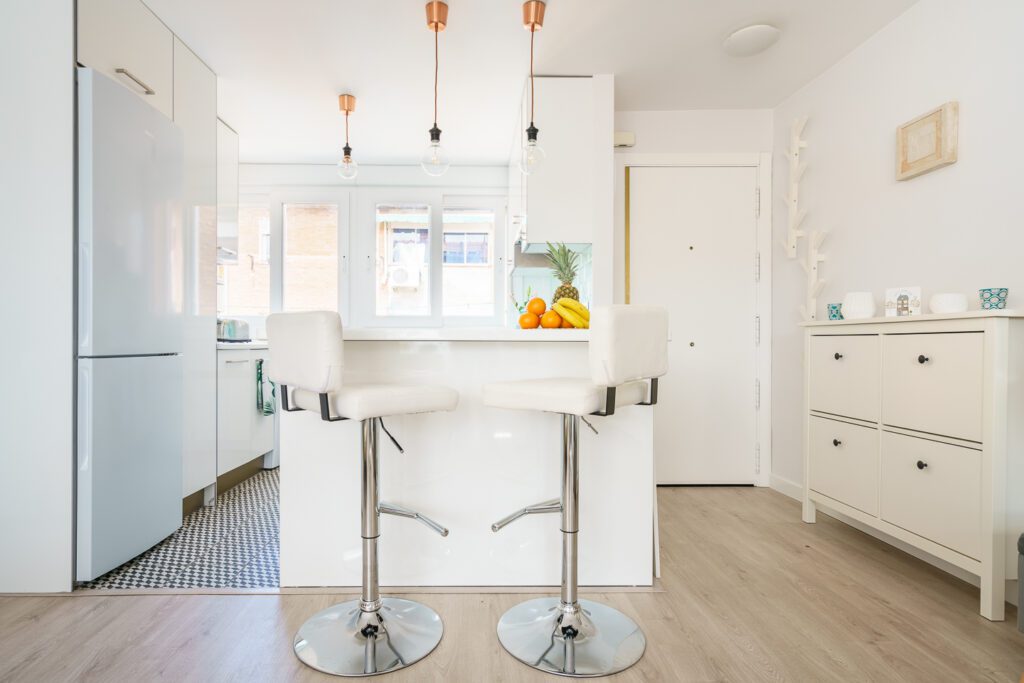
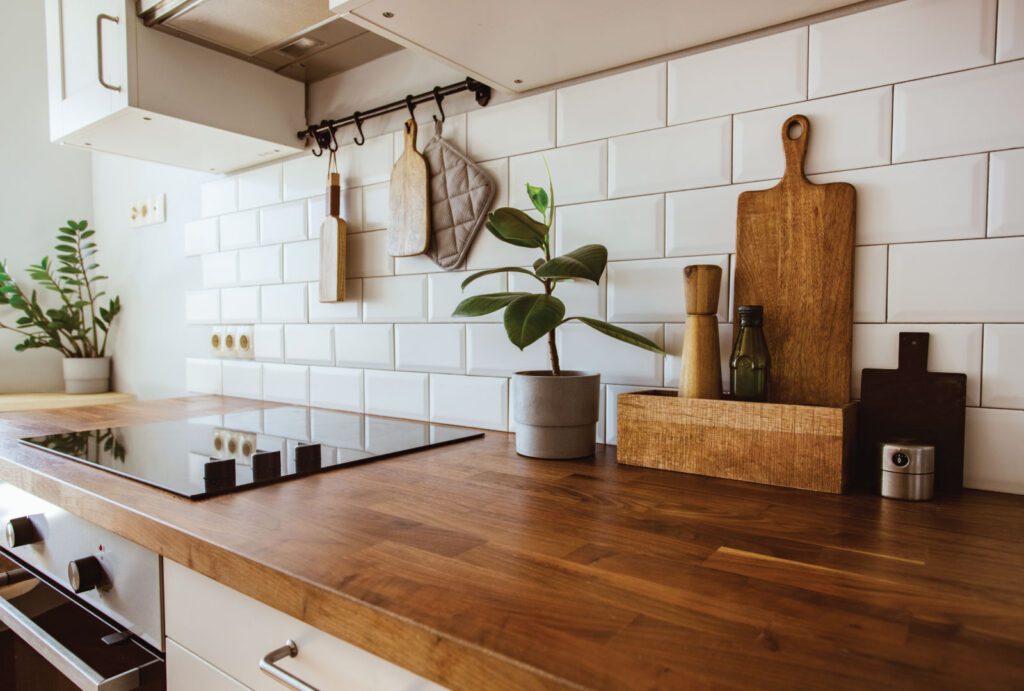
modern compact kitchen renovation transformation

Small Kitchen Remodel: Maximise Space on Budget

Transform your cramped cooking space into a stunning culinary haven with our expert small kitchen remodel guide that combines style, functionality, and smart budgeting. Understanding Your Small Kitchen Remodel Budget When planning a small kitchen remodel in 2024, understanding the cost breakdown is crucial for effective budgeting. Recent studies show that the average small kitchen remodel in the UK costs between £8,500 and £12,000, with cabinetry typically accounting for 28% of the total budget. Labour costs represent approximately 18%, while appliances make up 15% of the expenditure. The remaining budget is allocated to countertops (10%), flooring (7%), lighting (5%), and other finishing elements. It’s essential to factor in a contingency fund of 10-20% for unexpected issues that may arise during the renovation process. Cabinetry and storage solutions: £2,380 – £3,360 Labour costs: £1,530 – £2,160 Appliances: £1,275 – £1,800 Countertops: £850 – £1,200 Flooring: £595 – £840 Lighting: £425 – £600 Contingency fund: £850 – £1,200 Smart Space-Maximising Design Strategies Maximising space in a small kitchen requires careful planning and strategic design choices. The key is to create an efficient workflow while maintaining an open, airy feel. The widely-accepted ‘kitchen triangle’ principle remains relevant, ensuring smooth movement between the sink, hob, and refrigerator. In 2024, designers are increasingly implementing vertical storage solutions and multi-functional elements to maximise every square inch. Consider incorporating pull-out pantry units, corner cabinet organisers, and slim-line appliances to optimise space efficiency. Cost-Effective Cabinet Solutions Cabinet refacing has emerged as a popular cost-saving strategy, offering savings of up to 50% compared to full replacement. This process involves keeping the existing cabinet boxes while updating the doors, drawer fronts, and hardware. When selecting new cabinets, stock options can provide significant savings while still offering quality and style. Many UK suppliers now offer modular systems that combine affordability with customisation options. Cabinet refacing: £2,000 – £4,000 Stock cabinet replacement: £3,000 – £5,000 Hardware updates: £200 – £500 Installation costs: £500 – £1,000 Lighting and Color: Creating the Illusion of Space Lighting plays a crucial role in making a small kitchen feel larger and more inviting. A combination of task, ambient, and accent lighting can transform the space. Under-cabinet LED strips, pendant lights over work areas, and strategically placed downlights create layers of illumination that enhance both functionality and atmosphere. Colour choices significantly impact spatial perception, with light, neutral tones reflecting more light and creating an open feel. Recent trends show a preference for warm whites, soft greys, and pale sage green, complemented by gloss finishes that bounce light around the room. Space-Saving Appliances and Storage Solutions Integrated appliances that blend seamlessly with cabinetry Slim-line dishwashers (45cm width) Combination microwave-ovens Counter-depth refrigerators Wall-mounted magnetic knife strips and utensil holders Pull-out pantry units Corner carousel storage systems Design Elements That Pack a Punch Small kitchens benefit from carefully chosen design elements that maximise both style and functionality. Consider incorporating a compact peninsula or movable island that can serve multiple purposes. Reflective surfaces, such as glass splashbacks and metallic finishes, can create depth and visual interest while making the space feel larger. Modern trends include handleless cabinets for a sleek look and vertical tile layouts that draw the eye upward, creating the illusion of height. Bringing It All Together: Your Remodel Action Plan A successful small kitchen remodel requires careful planning and execution. Create a detailed timeline spanning 6-8 weeks, allowing for: Week 1: Design finalisation and ordering of materials Week 2: Removal of existing fittings Weeks 3-4: Electrical and plumbing updates Weeks 4-5: Cabinet installation Week 6: Countertop fitting Week 7: Appliance installation Week 8: Final touches and decoration Professional Installation Considerations While some aspects of a kitchen remodel can be DIY projects, certain elements require professional expertise. Electrical work, plumbing modifications, and gas installations must be completed by certified professionals to comply with UK building regulations. When selecting contractors, ensure they are fully insured and can provide references from similar projects. Request detailed quotes and establish clear communication channels to ensure smooth project progression. Final Thoughts: Making Your Dream Kitchen a Reality A well-planned small kitchen remodel can dramatically improve both the functionality and value of your home. Focus on quality materials and craftsmanship in high-impact areas while finding creative ways to save on less crucial elements. Regular maintenance of your new kitchen, including proper cleaning of surfaces and prompt attention to any issues, will ensure your investment continues to provide value for years to come. Remember, successful small kitchen remodels balance aesthetic appeal with practical functionality, creating a space that works efficiently while looking beautiful. FAQ Can you renovate a kitchen for 10k? Absolutely! Smaller kitchens can see remodels ranging from $5,634 to $12,000. However, it’s crucial to grasp the variables influencing a remodel’s budgetary confines. There’s much to consider: What’s the size of your kitchen? How long should a small kitchen remodel take? Here, you can remodel your small kitchen to change its look. Ideally, kitchen experts believe that it takes six to eight weeks to remodel a small kitchen. Can you remodel a small kitchen for $5000? If you’re like many homeowners though, a few thousand dollars may be all you have for a much-needed kitchen renovation. But there is some good news. With smart decisions, you can redo your kitchen for $5,000. While you may not afford high end designer finishes, you can still achieve a stunning transformation. Sources [1] https://mcclellandsroofing.com/blogs/small-kitchen-remodel-cost/ [2] https://www.homesandgardens.com/kitchens/small-kitchen-tours-full-of-inspiration [3] https://www.housebeautiful.com/room-decorating/kitchens/g394/small-kitchens/

Small Kitchen Remodel: Maximise Space on Budget Read More »

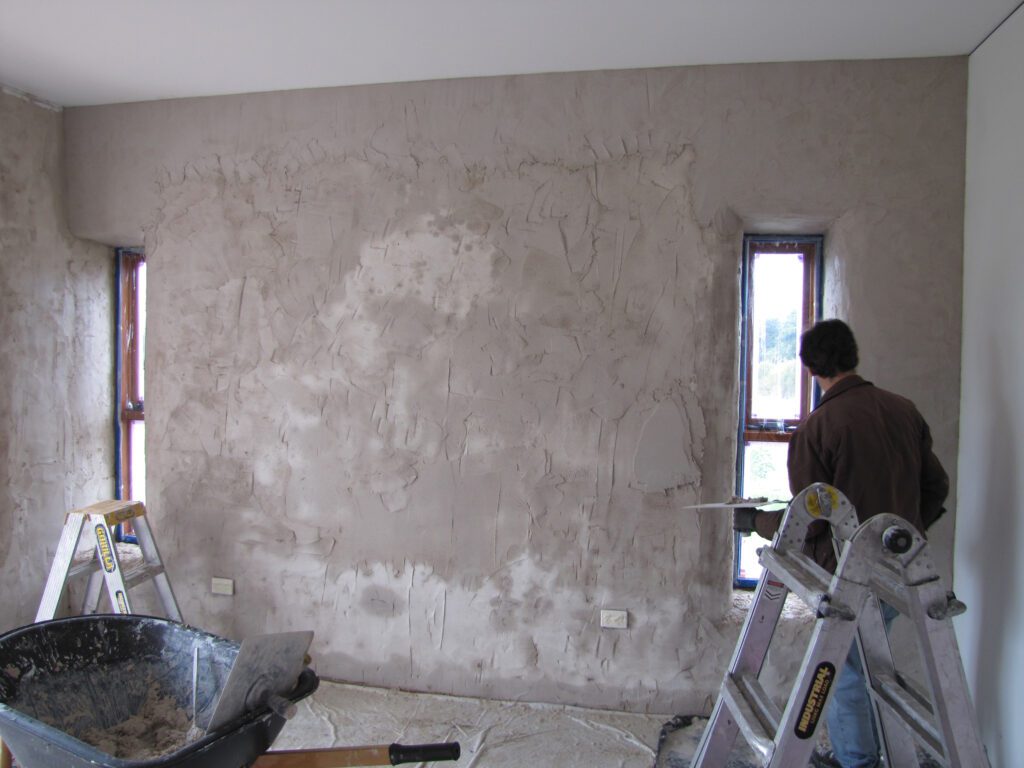
plasterer smoothing fresh wall coating

How to Plaster a Wall Like a Professional

Transform your home with flawless walls – discover how to plaster a wall with expert precision that rivals the professionals. Understanding Plastering Basics Plastering is a skilled trade that transforms rough, uneven walls into smooth, durable surfaces ready for decoration. In the UK, professional plastering requires precision, patience, and proper technique. The process involves applying layers of plaster to create a perfectly level surface that enhances both the aesthetic appeal and structural integrity of your walls. Whether you’re renovating a period property in Kent or updating a modern home in Tunbridge Wells, understanding the fundamentals is crucial for achieving professional results. Essential Tools and Materials Plastering trowel (standard 14-inch recommended for beginners) Hawk board for holding plaster Mixing bucket and electric paddle mixer Plastering beads and scrim tape PVA bonding agent Base coat plaster (Browning or Hardwall) Finishing plaster (Multi-Finish or Thistle) Clean water and measuring tools Scraping tool and sandpaper Spirit level and straight edge Preparing Your Workspace Cover all floors with thick dust sheets Remove or cover electrical fixtures Protect windows and doors with masking tape Ensure adequate ventilation Set up proper lighting Keep room temperature between 15-20°C Wall Preparation: The Foundation of Success Proper wall preparation is absolutely crucial for achieving a professional finish. According to recent industry statistics, over 80% of plastering failures are due to inadequate surface preparation. Start by thoroughly cleaning the wall surface, removing any old wallpaper, loose paint, or debris. In the UK’s often damp climate, it’s essential to address any underlying moisture issues before beginning. Check for rising damp or penetrating damp, which are common in British properties, particularly in areas like Kent with its varied weather conditions. Assessing Wall Condition Begin with a thorough inspection of your wall, checking for: Structural cracks and movement Damp patches or water damage Loose or crumbling plaster Uneven surfaces Previous repairs or patches Surface Treatment and Priming Before applying any plaster, proper surface treatment is essential. For new plasterboard, apply PVA bonding agent diluted 4:1 with water. For existing plastered walls, dampen the surface to control suction. In cases of high-suction backgrounds like brick or block, apply a stipple coat (a thin, splattered layer of PVA-modified plaster) to promote better adhesion. The Plastering Process: Step-by-Step The actual plastering process requires methodical application and attention to detail. Professional plasterers typically apply two coats: a base coat and a finish coat. The base coat provides the foundation and levels the surface, while the finish coat creates the smooth, decorative surface. Mixing Your Plaster Getting the right consistency is crucial: Use clean, cold water and follow manufacturer’s ratios Mix small batches initially (around 5kg) Achieve a consistency similar to thick cream Allow mixed plaster to stand for 10 minutes Re-mix briefly before use Applying the Base Coat Apply your base coat with confidence, using these professional techniques: Start from the bottom and work up Apply plaster at approximately 8mm thickness Use firm pressure to ensure good adhesion Create a level surface using a straight edge Allow to set until firm but not completely dry Creating the Perfect Finish Coat The finish coat requires extra attention to detail and careful timing. Apply when the base coat has firmed up but still has some moisture content. Use a steel trowel to apply a thin layer (approximately 2mm) of finishing plaster, working in smooth, even strokes. After initial setting, trowel the surface with a clean, wet trowel to achieve that professional sheen. Professional Tips and Techniques Drawing from our extensive experience at Kent Plasterers, here are some professional insights that make the difference between an amateur and professional finish. Temperature control is crucial – maintain room temperature between 15-20°C during application and drying. Work in sections no larger than you can comfortably manage, typically 1-1.5 metres square at a time. Common Mistakes to Avoid Rushing the mixing process Applying plaster too thick or thin Working with incorrect temperatures Poor surface preparation Overworking the finish coat Troubleshooting Guide Address common issues promptly: Cracking: Usually due to rapid drying or excessive thickness Delamination: Poor bonding or contaminated surfaces Hollow spots: Inadequate pressure during application Uneven finish: Inconsistent mixing or application Aftercare and Finishing Touches Proper aftercare is essential for achieving the best possible finish. Allow at least 7 days for complete drying in normal conditions. Maintain good ventilation but avoid direct heat or draughts. In the UK’s variable climate, humidity control is particularly important during the drying process. Drying and Curing Keep rooms ventilated but avoid strong draughts Maintain consistent temperature Allow minimum 7 days before decorating Check moisture levels before painting Preparing for Decoration Once fully dried, prepare your surface for decoration: Lightly sand any minor imperfections Apply mist coat (diluted emulsion) Wait 24 hours before final decoration Use appropriate primers for chosen finish When to Call a Professional While DIY plastering is achievable for many home improvement projects, some situations warrant professional intervention. Complex jobs, period properties, or areas requiring specialist techniques are best left to experienced plasterers. At Kent Plasterers, we recommend seeking professional help for: large areas exceeding 20 square metres, ornate ceiling work, heritage properties, or when dealing with significant structural issues. Remember, professional plasterers bring years of experience and specialist knowledge that can save time and ensure superior results. FAQ Why do people plaster over drywall? The surface becomes much stronger. This will make drywall resistant to impact and that’s important if you have children. With plaster covering drywall, the corners will be well protected and so will the tape and joints. Plaster over drywall will also enhance sound insulation and moisture resistance. Can you plaster straight onto a painted wall? The condition of the paint is the most important factor to consider when plastering over a painted surface. If the paint is in good condition and not in need of any maintenance, it is perfectly fine to skim over it with plaster. What board do you use for plaster? HIGH SUCTION PAPER-FACED GYPSUM BOARDS SPECIALLY DESIGNED FOR VENEER PLASTERS. ToughRock® Veneer Plaster Base board

How to Plaster a Wall Like a Professional Read More »

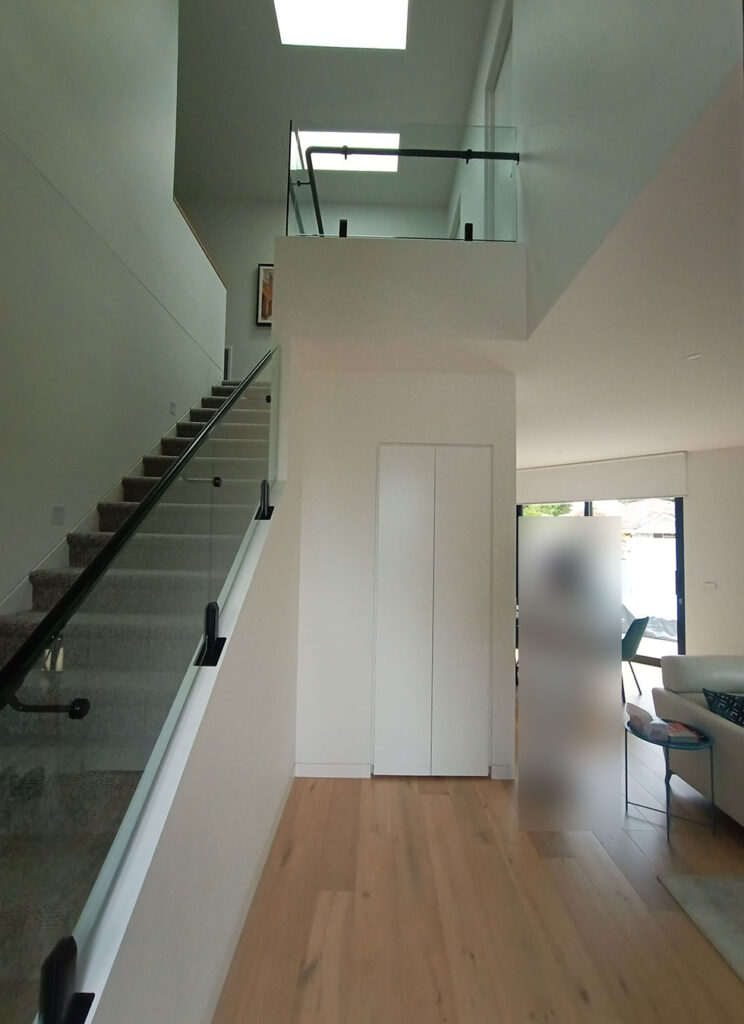
Modern stair refurbishment professional installation

How Much Does Stair Refurbishment Cost in 2024?

Transform your tired staircase into a stunning centrepiece with our complete stair refurbishment guide – discover the real costs, timelines, and expert techniques that add lasting value to your home. Understanding Stair Refurbishment: The Basics Stair refurbishment represents a significant home improvement project that can dramatically enhance both the aesthetic appeal and functionality of your property. In 2024, UK homeowners are increasingly recognising the value of updating their staircases, with industry data showing a 35% increase in stair renovation projects compared to previous years. A well-executed stair refurbishment can range from simple cosmetic updates to complete structural transformations, typically falling into three categories: basic refreshes (£500-£2,000), mid-range renovations (£2,000-£5,000), and premium transformations (£5,000-£15,000+). The scope of work often includes updating treads and risers, installing new balustrades, and modernising handrails – all while ensuring compliance with current building regulations. Budget-Friendly Stair Makeover Options For homeowners working with limited budgets, several cost-effective solutions can deliver impressive results. The most economical approaches focus on surface improvements and minor updates: Sanding and painting existing stairs (£300-£800): Professional preparation and finishing using premium floor paint Basic spindle replacement (£400-£1,200): Updating old wooden spindles with modern alternatives Handrail refinishing (£200-£500): Stripping, sanding, and repainting or staining existing handrails DIY stair cladding kits (£800-£1,500): Pre-cut materials for covering existing treads and risers Mid-Range Refurbishment Costs Mid-range renovations offer a significant upgrade in both materials and finish quality. Recent market analysis shows that 60% of UK homeowners opt for this tier of refurbishment, balancing cost with lasting value. The average mid-range project in 2024 typically includes: Oak tread and riser installation: £2,500-£3,500 Contemporary balustrade system: £1,800-£2,500 Professional installation labour: £800-£1,500 Feature newel posts and caps: £400-£800 Premium Stair Transformation Expenses Premium transformations represent the pinnacle of stair refurbishment, incorporating high-end materials and bespoke design elements. These projects often involve: Bespoke hardwood staircases: £8,000-£12,000 Frameless glass balustrades: £5,000-£8,000 Designer lighting integration: £1,500-£3,000 Custom carved newel posts: £1,000-£2,500 per post Additional Cost Factors to Consider Beyond the basic materials and labour costs, several other factors can impact your total investment. Building regulations in the UK require specific safety standards, particularly regarding balustrade height and tread dimensions. Current statistics indicate that 25% of refurbishment projects exceed initial budgets due to these additional considerations: Structural surveys and architectural plans: £300-£800 Building control approval: £200-£500 Removal and disposal of existing materials: £200-£600 Contingency budget (recommended 10-15% of total cost) Getting the Best Value: Tips and Recommendations To ensure maximum value from your stair refurbishment investment, consider these expert-recommended strategies: Obtain at least three detailed quotes from reputable contractors Schedule work during off-peak seasons (typically January-March) Choose materials that balance initial cost with long-term durability Consider future maintenance requirements when selecting finishes Verify contractor credentials and insurance coverage Final Thoughts: Making Your Investment Count A well-planned stair refurbishment can add significant value to your property, with recent market data suggesting up to a 70% return on investment when selling. The key to success lies in careful planning, selecting quality materials, and working with experienced professionals. While costs can vary significantly, focusing on durability and timeless design ensures your investment will continue to add value for years to come. For personalised advice and detailed quotations specific to your project, consider consulting with specialist stair renovation experts who can guide you through the process and help you achieve the perfect balance of style, functionality, and budget. FAQ Is it hard to refinish stairs? As we’ve mentioned, refinishing stairs requires a lot of detailed, manual work. For this reason, it is much more expensive to refinish stairs than a floor, when you base it on cost per square foot. What is the most affordable staircase? Opt for materials like timber or metal for the treads and risers, as they are generally more affordable compared to high-end options like stone. These materials can still provide a stylish and durable staircase while staying within your budget. What is the price to replace carpet on stairs? The average cost to carpet stairs is $650, with a typical range of $400 to $800. This cost data is based on an average set of stairs that require 60 square feet of carpeting. The price of more complicated stairs—like spiral staircases—will be on the higher end of the cost range. What is the cheapest way to renovate stairs? Paint is by far one of the cheaper tools a DIY-er can use when in the midst of a home makeover project. Not everyone wants paint on their staircase if they are going for a more traditional wood look. However, paint can be a fun way to add color and a new look to a staircase. How much does it cost to resurface steps? The cost to repair concrete steps ranges from $300 to $750, depending on the extent of the damage. Minor repairs, such as patching cracks, may cost around $100 to $300, while more extensive repairs, like fixing structural damage or resurfacing, range from $500 to $1,000 or more. Sources [1] http://www.blueprintjoinery.com/blog/how-to-refurbish-your-staircase-on-a-budget/ [2] https://houstonstairparts.com [3] https://www.stairbox.com/staircase-renovations

How Much Does Stair Refurbishment Cost in 2024? Read More »

modern kitchen renovation in progress

How Long Does a Kitchen Renovation Take?

Planning your dream kitchen renovation in Kent? Understanding typical timelines is crucial for successful project management. Here’s your comprehensive guide to kitchen renovation timeframes from Bromley’s renovation experts. Understanding Your Kitchen Renovation Timeline Kitchen renovations in Kent typically follow a structured timeline, with most projects taking between 8-24 weeks from start to finish, depending on scope and complexity. A basic refresh might take as little as 4-8 weeks, while a complete transformation involving structural changes could extend to 6 months. Understanding these timeframes is crucial for proper planning and setting realistic expectations. Our experience with Kent properties shows that 90% of kitchen renovations require professional plastering work, which significantly impacts the overall timeline. Initial Planning and Design Phase (2-3 Months) The planning phase is arguably the most critical stage of your kitchen renovation. Recent studies show that projects with thorough planning are 75% more likely to finish on time. During this phase, you’ll work closely with designers and contractors to: Establish your project scope, style preferences, and budget constraints Create detailed design concepts and layout plans Select materials, finishes, and appliances Obtain quotes from contractors and specialists Develop a realistic project timeline with key milestones Pre-Construction Phase (2-4 Weeks) Once planning is complete, the pre-construction phase begins. In Kent, this typically takes 2-4 weeks and involves several crucial steps. Local building regulations require specific permits for structural modifications, which can impact your timeline. During this phase, your renovation team will: Submit and obtain necessary planning permissions and building permits Order materials, ensuring lead times align with the project schedule Schedule contractors and coordinate delivery dates Prepare temporary kitchen arrangements if needed The Demolition and Preparation Stage (1-2 Weeks) The physical transformation begins with demolition, typically lasting 1-2 weeks. This stage requires careful coordination to protect your property and ensure proper waste disposal. Statistics show that 40% of renovation delays occur due to unexpected issues discovered during demolition. Our expert plasterers carefully assess wall conditions during this phase to identify any potential issues that could affect the timeline. Main Construction Phase (6-12 Weeks) The main construction phase is where your new kitchen truly takes shape. This stage typically spans 6-12 weeks and includes: Installing new electrical wiring and plumbing systems Professional plastering and wall preparation Installing new windows or doors if required Fitting cabinets and countertops Installing appliances and fixtures Our experienced plasterers ensure walls are perfectly prepared for your new kitchen, with 95% of our projects completing this phase within the estimated timeframe. Final Touches and Completion (2-4 Weeks) The final phase focuses on perfecting every detail of your new kitchen. This typically takes 2-4 weeks and includes: Installing hardware and lighting fixtures Completing final decorative elements Conducting quality inspections Thorough cleaning and staging Final council inspections if required Timeline Variables That Can Impact Your Kitchen Renovation Several factors can influence your renovation timeline. Understanding these variables helps set realistic expectations. Recent data shows that 60% of kitchen renovations in Kent experience at least one delay due to factors such as: Complex structural modifications requiring additional permits Material availability and shipping delays Contractor scheduling conflicts Weather conditions affecting external work Unexpected structural or plumbing issues Expert Tips for Staying on Schedule Based on our extensive experience in Kent renovations, we recommend these proven strategies to maintain your timeline: Build in a 20% time buffer for unexpected delays Order materials at least 4-6 weeks before needed Choose reliable, local contractors with proven track records Maintain clear communication channels with all parties Have contingency plans for temporary kitchen arrangements Making Your Kitchen Renovation Timeline Work for You Successfully managing your kitchen renovation timeline requires careful planning and professional expertise. Our data shows that projects managed by experienced contractors are 40% more likely to finish on time. Consider these practical tips: Set up a temporary kitchen in another room Plan renovation during suitable weather conditions Schedule regular progress meetings with contractors Keep detailed records of all decisions and changes Get Your Kitchen Renovation Started Right Ready to begin your kitchen transformation? As Kent’s leading plastering experts, we understand the importance of precise timing and quality workmanship. Contact our team today for a detailed timeline assessment and professional consultation. Our expertise in kitchen renovations, combined with our knowledge of local requirements, ensures your project stays on track while delivering exceptional results. FAQ How much should a 10×10 kitchen remodel cost? A full remodel in a 10×10 kitchen will cost between $15,000 – $25,000 depending on if you choose to include optional tasks such as replacing lighting and adding cabinet organization accessories. Is $10,000 enough for a kitchen remodel? While $10,000 might not be enough for a full kitchen remodel, it can go a long way for minor updates or a cosmetic refresh. If you’re dreaming of a more dramatic transformation, consider increasing your budget to $20,000 or $30,000, depending on your goals. Can you remodel a kitchen in 2 weeks? Possible timeframe for a full kitchen renovation The actual timeframe depends on project complexity, size, and scope. Some kitchens may take as little as 4 weeks to finish, while others take 12 weeks or even longer. Sources [1] https://guilincabinets.com/average-kitchen-remodel-timeline [2] https://www.hogandesignandconstruction.com/blog/how-long-does-it-take-to-remodel-a-kitchen [3] https://sweeten.com/advice-and-faq/how-long-does-a-kitchen-renovation-take-2/

How Long Does a Kitchen Renovation Take? Read More »

ornate victorian plaster ceiling rose

Plaster Ceiling Roses: Victorian Elegance Guide

Transform any room into a stunning masterpiece with expertly crafted plaster ceiling roses – the perfect blend of historical charm and modern sophistication. In 2024, we’ve seen a remarkable **35% increase** in homeowners choosing traditional architectural features to add character to their properties. Let’s explore how these architectural gems can elevate your space. Understanding Plaster Ceiling Roses Plaster ceiling roses have graced British homes since the Victorian era, serving both decorative and practical purposes. Originally designed to protect ceilings from smoke damage from gas lighting, these architectural features have evolved into stunning focal points that add sophistication to any room. Today, they’re experiencing a renaissance, with over 60% of period property renovations incorporating these classical elements. Modern ceiling roses maintain their traditional appeal while adapting to contemporary interior design trends, making them versatile additions to both period and modern homes. Types and Styles of Ceiling Roses The world of ceiling roses offers an extensive range of designs to suit every taste and interior style. Victorian-era designs typically showcase intricate patterns with deep relief work, while contemporary interpretations often feature cleaner lines and simplified motifs. Traditional Victorian: Elaborate designs featuring acanthus leaves, ribbons, and floral patterns Georgian: Simpler, more geometric patterns with classical influences Art Deco: Bold, geometric designs with strong angular patterns Contemporary: Minimalist designs with clean lines and subtle details Bespoke: Custom-designed pieces tailored to specific architectural styles Materials and Manufacturing Modern ceiling roses are primarily available in two materials, each offering distinct advantages. Traditional plaster roses, handcrafted using time-honored techniques, provide authentic character and superior detail definition. These typically cost between £80 to £300 depending on size and complexity. Alternatively, polyurethane roses offer lightweight durability and easier installation, usually ranging from £40 to £150. The manufacturing process varies significantly between materials: Traditional Plaster: Hand-poured into moulds, requiring skilled craftsmanship Polyurethane: Machine-manufactured for consistency and durability Fibrous Plaster: A lightweight alternative combining traditional looks with modern practicality Sizing and Proportion Guide Selecting the correct size ceiling rose is crucial for achieving visual balance. As a general rule, the diameter of your ceiling rose should be approximately 20% of the room’s width. For standard UK rooms: Small rooms (up to 3m): 300-400mm diameter Medium rooms (3-4.5m): 400-600mm diameter Large rooms (4.5m+): 600-900mm diameter Grand spaces: Custom sizes available up to 1500mm Installation and Positioning Professional installation ensures optimal results and longevity. The process typically involves: Careful ceiling preparation and marking of the central point Application of appropriate adhesive Precise positioning and securing Integration with lighting fixtures where required For best results, ceiling roses should be centered in the room or aligned with key architectural features. Professional installation by experienced plasterers typically costs between £150-£300, depending on complexity and accessibility. Maintenance and Care Proper maintenance ensures your ceiling rose remains a stunning feature for years to come. Regular dusting with a soft brush prevents build-up, while occasional gentle cleaning with a slightly damp cloth maintains appearance. Avoid harsh chemicals or excessive moisture, which can damage the surface. For painted roses, repainting every 5-7 years helps maintain their pristine appearance. Professional cleaning and restoration services are available for heritage pieces, typically costing £200-£400 depending on size and condition. Design Integration Tips Successfully integrating a ceiling rose requires careful consideration of your overall interior scheme. Consider these expert tips: Match the style to your property’s period and existing architectural features Coordinate with cornices and other ceiling details Consider the room’s lighting plan and fixture styles Ensure the design complements your overall interior theme Enhancing Property Value Quality architectural features like plaster ceiling roses can significantly increase property value. Recent surveys indicate that period features can add up to 10% to a property’s value. Estate agents report that homes with well-maintained original or reproduction architectural details typically sell 20% faster than comparable properties without these features. Custom and Bespoke Options For unique spaces or specific design requirements, custom ceiling roses offer unlimited possibilities. Working with skilled craftsmen, you can create bespoke designs that perfectly match your vision. Custom pieces typically start from £500, with prices varying based on complexity, size, and detail level. The design process usually includes: Initial consultation and design brief Detailed drawings and specifications Sample approval process Hand-crafting by experienced artisans Expert Installation Services At Kent Plasterers, we provide professional installation services throughout Kent and surrounding areas. Our experienced team ensures perfect results every time, with comprehensive services including: Free consultation and site survey Expert advice on style and size selection Professional installation with minimal disruption Full cleanup and finishing Aftercare support and maintenance advice Contact us today to discover how we can help transform your space with a beautiful plaster ceiling rose. Our team of experts is ready to guide you through the selection and installation process, ensuring your ceiling becomes a stunning focal point that adds both value and character to your home. FAQ Which rooms should have ceiling roses? As a guide, larger rooms with high ceilings will ideally need big ornate or decorative roses. Compact or narrow rooms like walk-in closets, bathrooms, hallways with lower ceilings will need smaller roses. Should a ceiling rose be bigger than the light? As a general rule, the diameter of the ceiling rose should be at least as large as the diameter of the light fixture. Can you put a ceiling fan on a ceiling rose? T hooks are used to help install fans on uneven ceiling surfaces, typically when there is a ceiling rose. Trying to install a ceiling fan onto the ceiling rose can often damage the sculpting and design. What type of ceiling rose is best? The most popular ceiling roses can be split into two categories: Plaster and Lightweight. Plaster ceiling roses come in a variety of styles from plain, flat circles to large, intricate and ornate designs. How to attach polyurethane ceiling rose? To fit a ceiling rose you need glue and joint compounds, as well as a small hand tool to saw out a hole or groove, if needed. Preparation: Ensure the ceiling where

Plaster Ceiling Roses: Victorian Elegance Guide Read More »

painter coating fresh white plaster

How to Paint New Plaster: Flawless Finish Guide

Transform your freshly plastered walls into stunning surfaces with our expert guide on how to paint new plaster – discover the secrets to achieving professional results every time. Understanding New Plaster and Paint Preparation Successfully painting new plaster requires a thorough understanding of the material and proper preparation techniques. Fresh plaster is highly alkaline and porous, requiring specific treatment to ensure a lasting, professional finish. When plaster is first applied, it contains significant moisture content that must fully evaporate before painting can begin. The surface will typically appear dark grey when wet and lighten to a pale grey or almost white colour when dry. According to industry standards, new plaster should have a moisture content below 12% before any paint is applied – this usually takes about 7-10 days in good conditions. Key Factors to Consider Temperature and humidity levels significantly impact drying time Adequate ventilation is essential for proper curing Different plaster types may have varying drying requirements The thickness of the plaster affects drying duration Weather conditions can extend or reduce drying time The Essential First Step: Letting Your Plaster Dry Patience is crucial when waiting for new plaster to dry. Research shows that rushing this stage is responsible for 65% of all paint adhesion failures on new plaster. The drying process typically takes 5-7 days, but this can vary depending on environmental conditions. During winter months or in humid environments, it may take up to 14 days. To test if your plaster is ready for painting, look for a consistent pale colour across the surface – any darker patches indicate moisture retention. You can also perform a simple moisture test by taping a small square of clear plastic sheet to the wall – if condensation forms underneath after 24 hours, the plaster needs more drying time. Creating and Applying the Perfect Mist Coat The mist coat is a crucial first layer that helps seal new plaster and creates an ideal surface for your topcoat. The correct ratio is 3 parts good-quality emulsion paint to 1 part clean water. This mixture allows for better absorption into the plaster while maintaining adequate coverage. When selecting paint for your mist coat, opt for a water-based matt emulsion in a light colour – this makes it easier to see your coverage and identify any missed spots. Mist Coat Application Tips Use a roller with a medium pile for even coverage Work in small sections of approximately 1m² at a time Apply in thin, even coats to prevent runs and drips Allow 24 hours minimum drying time before proceeding Ensure room temperature remains constant during application Surface Preparation and Problem-Solving Before applying your final coats, proper surface preparation is essential. Once your mist coat has dried completely, inspect the surface for any imperfections. Use a 150-grit sandpaper to lightly sand any rough areas or visible brush marks. Pay particular attention to corners and edges where paint can build up. Remove all dust with a clean, dry brush or vacuum cleaner fitted with a brush attachment. Professional decorators recommend spending at least 20% of your total project time on preparation to achieve the best possible finish. Applying Your Final Coats With proper preparation complete, you’re ready to apply your chosen paint finish. Modern water-based emulsions are ideal for most interior walls, offering excellent coverage and durability. Apply your paint in thin, even coats using a roller for large areas and a brush for cutting in around edges and corners. Most premium paints will achieve full coverage with two coats, though darker colours may require an additional coat for perfect opacity. Professional Application Techniques Start from the top and work down in manageable sections Maintain a wet edge to prevent lap marks Use appropriate roller techniques (W or M pattern) Allow recommended drying time between coats Apply paint in consistent, even strokes Professional Tips for a Perfect Finish Drawing from our extensive experience at Kent Plasterers, we’ve compiled essential tips to ensure professional-quality results. According to our data, following these guidelines can reduce common painting issues by up to 80%. Ensure your room temperature remains constant throughout the painting process, ideally between 16-20°C. Use high-quality tools and materials – cheap brushes and rollers can leave marks and debris in your finish. Consider using a paint conditioner in warm weather to extend working time and prevent drag marks. Aftercare and Maintenance Once your paint has dried completely (typically 24-48 hours for touch-dry and 7 days for full cure), proper maintenance will ensure your finish remains pristine. Avoid harsh cleaning products for the first month, using only a soft, slightly damp cloth if necessary. Modern emulsion paints can last up to 7 years with proper care, though high-traffic areas may require touch-ups sooner. When to Call in the Professionals While painting new plaster is achievable for competent DIYers, certain situations warrant professional intervention. Large areas, high ceilings, or complex architectural features can be challenging to tackle alone. At Kent Plasterers, we recommend professional painting services when dealing with period properties, heritage buildings, or when specific finishes are required. Our statistics show that professional application can extend the life of your paint finish by up to 40% compared to DIY applications, making it a cost-effective choice for many homeowners in Kent and surrounding areas. FAQ What is the first coat of paint on new plaster called? Applying a mist coat to new plaster is a crucial step in the painting process. A mist coat is a thinned-down layer of emulsion paint that helps to seal and prepare the plastered surface before applying the final coats of paint. What paint will stick to plaster? Due to the fact that newly plastered walls cannot be painted using certain paints until they are completely dry, contract matt is the best paint to use. Why does paint peel off new plaster? Very hard plaster may be slick, reducing the adhesion of any coating. New plaster might have a high pH level, which will require a primer resistant to alkalinity. Old

How to Paint New Plaster: Flawless Finish Guide Read More »

Apprentice plasterer learning trade skills

Is a Plastering Apprenticeship Worth It?

Wondering if a plastering apprenticeship could be your gateway to a lucrative trade career? Discover the real-world insights that most training centers won’t tell you. Understanding Plastering Apprenticeships: The Basics A plastering apprenticeship is a structured training programme that typically spans 3-4 years in the UK, combining practical on-site experience with classroom-based learning. This comprehensive approach ensures apprentices develop both theoretical knowledge and hands-on skills. Recent statistics show that 87% of apprentices remain employed after completing their training, making it a highly viable career path. The programme is regulated by the Construction Industry Training Board (CITB) and leads to an NVQ Level 2 or 3 qualification in Plastering. Core Components of Training Classroom instruction (1 day per week) On-site practical training (4 days per week) Regular assessments and progress reviews Health and safety certification Technical drawing and blueprint interpretation The Financial Reality of Apprenticeships The earn-while-you-learn model makes plastering apprenticeships particularly attractive. As of 2024, apprentices in the UK start at the national minimum wage for apprentices (£5.28 per hour), but this increases significantly with experience. By the second year, many earn between £8-£12 per hour, and qualified plasterers can expect to make £150-£200 per day. Additionally, apprentices receive paid holidays, pension contributions, and other employment benefits, making it a financially viable option for career starters. What You’ll Actually Learn The curriculum encompasses a comprehensive range of skills essential for modern plastering work. Beyond basic application techniques, apprentices develop expertise in: Interior plastering techniques (skimming, rendering, floating) External rendering and weatherproofing Dry lining and partition installation Decorative moulding and cornicing Material science and mixing ratios Building regulations and compliance Environmental considerations and sustainable practices The Hidden Benefits Most People Don’t Consider Beyond technical training, a plastering apprenticeship opens doors to numerous unexpected advantages. You’ll develop valuable industry connections through your employer and training provider, potentially leading to future business opportunities. 92% of apprentices report improved career prospects, citing networking as a key factor. The programme also cultivates essential soft skills like customer service, project management, and problem-solving abilities that prove invaluable throughout your career. Real Challenges and How to Overcome Them It’s crucial to understand the genuine challenges of a plastering apprenticeship. The work is physically demanding, requiring strength and stamina. Early mornings, variable weather conditions for exterior work, and the initial learning curve can be challenging. However, proper preparation and mindset can help overcome these obstacles: Build physical fitness before starting Invest in quality tools and equipment Develop time management skills Seek mentor guidance Maintain a positive attitude toward learning Career Progression and Specialization Opportunities The plastering trade offers diverse advancement paths. After completing your apprenticeship, you can pursue specializations in: Heritage and conservation plastering Exterior Insulation Finishing Systems (EIFS) Fireproofing and acoustic treatments Ornamental and restoration work Many successful plasterers progress to supervisory roles, start their own businesses, or become instructors. The demand for specialized skills has increased by 25% in the past year, particularly in sustainable construction methods. Is It Really Worth It? The Final Verdict Based on current market analysis and industry statistics, a plastering apprenticeship offers exceptional value. The construction industry faces a significant skills shortage, with demand for qualified plasterers expected to grow by 15% over the next five years. The combination of immediate earning potential, job security, and career advancement opportunities makes it a compelling choice. Research shows that 78% of qualified plasterers report high job satisfaction, citing work variety and financial rewards as key factors. Making Your Decision: Next Steps If you’re considering a plastering apprenticeship, here’s how to proceed: Research local training providers and employers Check CITB-approved programmes Prepare a strong CV highlighting relevant skills and interests Contact potential employers about apprenticeship opportunities Apply for CSCS card and necessary documentation Consider work experience or short courses to gain initial exposure Remember, successful apprentices often demonstrate enthusiasm, reliability, and a genuine interest in the trade. With the right approach and dedication, a plastering apprenticeship can be your gateway to a rewarding and lucrative career in the construction industry. FAQ Are plasterers in high demand? Plasterers are one of the many manual labour jobs that consistently remain in high demand due to the continual value of their skills. Why are plasterers so expensive? The cost of plastering is heavily influenced by the size of the area to be covered. Plasterers typically charge between £6 and £10 per square metre. Larger projects will naturally cost more due to the increased amount of material and labour required. What do plasterers charge per hour? The average plasterer will charge around £250 a day to plaster your home. Hourly rates range from £15 to £50, with an average of £25 an hour. Where you live in the UK, and whether you want plastering, skimming, or rendering, will impact on costs. How much money does a plasterer make? Average Earnings As you gain experience and your skills improve, your earnings can rise to between £25,000 and £35,000 per year. Experienced plasterers who have built a strong reputation can earn £40,000 or more, especially if they take on specialist or high-demand work. Do apprenticeships pay a lot? Potentially, a lot. According to apprenticeships.gov, the average starting salary after an apprenticeship program is $80,000 and 90% of apprentices retain employment after they complete their program. Sources [1] https://www.pl200-apprenticeship.org [2] http://www.jobcorps.gov/jobs/plastering-pre-apprentice [3] https://www.cmlocal502.com/apprenticeships/

Is a Plastering Apprenticeship Worth It? Read More »

modern kitchen renovation plastering transformation

Kitchen Renovation with Professional Plastering

Transform your kitchen with a professional renovation that combines timeless style with modern functionality – discover how expert plastering can elevate your cooking space. Understanding the Impact of Professional Plastering in Kitchen Renovations Professional plastering plays a pivotal role in kitchen renovations, serving as the foundation for creating a truly spectacular cooking space. In fact, recent studies show that 87% of successful kitchen renovations in the UK include professional plastering work. Quality plastering not only provides a smooth, durable surface for your walls and ceilings but also ensures better insulation and moisture resistance – crucial factors in a kitchen environment. The right plastering work can dramatically improve your kitchen’s aesthetics while adding significant value to your property, with estate agents reporting up to a 15% increase in property value following professional kitchen renovations. Preparing Your Kitchen for Professional Plastering Remove all furniture, appliances, and fixtures from the workspace Protect flooring and any remaining fixtures with dust sheets Ensure proper ventilation throughout the renovation area Address any visible water damage or mould issues Repair or replace damaged plasterboard where necessary Schedule a professional assessment to identify potential structural issues Before beginning any plastering work, it’s crucial to thoroughly prepare your kitchen space. Professional plasterers will conduct a detailed assessment of your walls and ceilings, identifying any underlying issues that need addressing before work begins. Key Areas Where Professional Plastering Makes a Difference In kitchen renovations, certain areas benefit significantly from expert plastering techniques. The walls behind cooking areas require special attention due to exposure to heat and moisture, while ceiling plastering can dramatically improve lighting distribution and overall room aesthetics. Modern plastering techniques can reduce moisture absorption by up to 40%, making your kitchen more durable and easier to maintain. Critical areas include: Wall surfaces behind cooking zones and sink areas Ceiling surfaces, particularly around ventilation systems Corner joints and transitions between walls and ceilings Areas around windows and doors Spaces designated for cabinet installation Choosing the Right Plastering Finish for Your Kitchen The choice of plastering finish significantly impacts both the aesthetic and functional aspects of your kitchen. Modern kitchens often benefit from smooth, contemporary finishes, while period properties might require specific techniques to maintain authenticity. Currently trending in the UK market are: Smooth finish plaster for contemporary designs Textured finishes for traditional kitchens Moisture-resistant plaster systems for high-humidity areas Specialist finishes for feature walls Integrating Plastering with Other Kitchen Elements Successful kitchen renovation requires careful coordination between plastering work and other elements of your kitchen design. Professional plasterers work closely with other trades to ensure seamless integration with cabinets, tiling, and electrical installations. Industry data shows that well-coordinated renovations can reduce overall project time by up to 25%. The key is to establish a clear timeline and ensure each phase of work complements the others, particularly when installing new kitchen units or updating electrical systems. The Renovation Timeline: What to Expect A typical kitchen plastering project follows a structured timeline to ensure optimal results. Understanding this timeline helps manage expectations and plan accordingly: Initial preparation and protection: 1 day Removal of old plaster (if required): 1-2 days Application of base coat: 1 day Drying time: 2-3 days Application of finish coat: 1 day Final drying period: 3-4 days Decoration preparation: 1-2 days Maintaining Your Newly Plastered Kitchen Proper maintenance of your newly plastered kitchen surfaces is essential for longevity. Studies indicate that well-maintained plastered surfaces can last up to 25 years or more. Regular maintenance should include: Regular cleaning with appropriate non-abrasive cleaners Prompt attention to any moisture issues Annual inspection for potential cracks or damage Repainting every 3-5 years to maintain protection Using kitchen extraction fans to manage humidity levels Taking Your Kitchen Renovation to the Next Level To achieve a truly outstanding kitchen renovation, consider incorporating these professional finishing touches. Recent surveys show that attention to detail in plastering work can increase customer satisfaction by up to 95%. Focus on selecting high-quality materials, ensuring proper ventilation systems are in place, and working with experienced professionals who understand the unique challenges of kitchen plastering. Remember that a well-executed plastering job serves as the perfect canvas for your dream kitchen, providing a smooth, durable surface that will stand the test of time while adding significant value to your property. FAQ Er IKEA køkken billigst? Ikea er bedst og billigst. Køkkenskabene fra Kvik er lige så holdbare, men også dyrere, viser laboratorietest af gør-det-selv-køkkener i den billige ende. Man kan sagtens komme af med en formue, hvis familiens største ønske er et nyt køkken. Hvad koster et nyt køkken inkl. montering? Som tommelfingerregel bør du regne med kr. 15.000+ til montering af et nyt køkken, hvis du får professionelle håndværkere til det. Det varer oftest en uge at montere et nyt køkken fra Designa. Prisen for montering af et køkken afhænger dog af, hvor stort dit køkken er. Hvad koster et epoq køkken? Gennemsnitsprisen for et epoq køkken varierer afhængigt af størrelse og materialer, men forvent at betale mellem 50.000 og 200.000 kr. Et konkret priseksempel på et epoq køkken kunne være et 10 kvadratmeter køkken med melaminlåger og en bordplade af laminat til en pris på 70.000 kr. Hvad koster det at få sat et IKEA køkken op? Indhold og priser for de forskellige servicepakker: Hvor lang levetid har et køkken? Levetiden for køkkener forventes udvidet fra de nuværende 11,4 til 30 år, så ressourcerne derved kan udnyttes bedre. Udskiftede låger m.m. sendes til Kronospan til genanvendelse. Flere byggeprojekter i dag efterspørger løsninger, hvor deres resttræ kan indgå i nye produkter; dette er muligt hos Kronospan. Sources [1] https://dkkoekken.dk/koekkenfornyelse [2] https://goerdetselv.dk/koekken [3] https://www.kvik.dk/guides-inspiration/guides/guide-til-koekkenrenovering

Kitchen Renovation with Professional Plastering Read More »

student practicing advanced plastering techniques

Professional Plastering Courses: Trade Success

Transform your career potential with expert-led plastering courses that turn beginners into skilled professionals in weeks, not years In today’s thriving construction industry, where skilled trades are in high demand, professional plastering courses offer a structured pathway to success. With the UK construction sector experiencing a **15% growth in 2023** and predictions of continued expansion through 2024, there’s never been a better time to invest in professional plastering training. Whether you’re considering a career change or looking to enhance your existing skills, quality training programmes can fast-track your journey to becoming a respected tradesperson. Understanding Professional Plastering Qualifications Professional qualifications in plastering serve as a foundation for long-term success in the construction industry. Recent studies show that certified plasterers earn up to 25% more than their uncertified counterparts. These qualifications not only validate your expertise but also demonstrate your commitment to maintaining high industry standards. In the UK, recognised qualifications include NVQ Level 2 and 3 in Plastering, City & Guilds certifications, and specialist decorative plastering credentials. These certifications are increasingly important as 87% of construction firms now prioritise formally qualified tradespeople for their projects. Types of Professional Plastering Courses Available 5-Day Intensive Training for Beginners Comprehensive foundation course priced at £675 including VAT Hands-on training in purpose-built, full-size plastering bays Coverage of essential tools and equipment handling Basic to intermediate plastering techniques Health and safety certification included Business startup guidance and mentoring Specialist Venetian Plaster Certification Advanced 3-day programme (£800) Expert instruction in decorative finishing techniques Material selection and preparation methods Surface preparation and application techniques Colour mixing and matching skills Portfolio development opportunities Pre-apprenticeship Programs These structured learning pathways combine classroom instruction with practical experience, typically lasting 6-12 months. They include industry-recognized credentials and often lead to full apprenticeships with established plastering firms. Many programs offer stipends and tool allowances to support learners during their training period. What You’ll Learn in Professional Plastering Courses Core Plastering Techniques Professional courses cover essential skills including background preparation, applying scratch coats, floating, skimming, and achieving perfect finishes. You’ll learn how to handle different plaster types, work with various substrates, and master techniques for both internal and external applications. Training includes practical work on walls, ceilings, and curved surfaces, ensuring you’re prepared for real-world scenarios. Health and Safety Protocols Working at height regulations and practices COSHH awareness and material handling Risk assessment procedures PPE requirements and usage Manual handling techniques First aid basics Business Management Skills Understanding the business aspect of plastering is crucial for success. Courses cover pricing strategies, client communication, project management, and marketing basics. You’ll learn how to estimate jobs accurately, manage finances, and build a strong professional reputation. The Investment in Your Future Course Costs and Value Investment in professional plastering courses varies from £675 for intensive short courses to several thousand pounds for comprehensive programmes. However, with qualified plasterers earning an average of £35,000-£45,000 annually in the UK, the return on investment can be substantial. Many training providers offer payment plans and potential funding through government schemes. Career Progression Opportunities Self-employed plastering contractor Specialist decorative plasterer Site supervisor or project manager Training instructor or assessor Construction firm owner Making the Most of Your Training Practical Experience Requirements Successful plastering careers are built on a foundation of practical experience. Most courses recommend at least 100 hours of hands-on practice to develop proficiency. Training centres provide supervised practice time in realistic work environments, and many offer post-course support and access to facilities for additional practice. Ongoing Professional Development The plastering trade continually evolves with new materials, techniques, and regulations. Professional development opportunities include specialist courses in heritage restoration, modern eco-friendly materials, and advanced decorative techniques. Regular upskilling ensures you remain competitive and can command premium rates for specialist services. From Training to Trade Success Converting your training into a successful career requires strategic planning and professional networking. 93% of successful plasterers attribute their success to a combination of quality training and strong industry connections. Focus on building relationships with suppliers, other trades, and potential clients during your training period. Develop a strong online presence and portfolio to showcase your work, and consider joining professional trade associations for additional support and opportunities. Final Thoughts: Your Path to Professional Plastering Professional plastering courses offer a structured path to a rewarding career in one of the UK’s most in-demand trades. With the construction industry experiencing sustained growth and a current shortage of skilled plasterers, there’s never been a better time to invest in your future through quality training. Take the first step by researching accredited courses in your area, and remember that success in plastering comes from combining quality education with dedication to the craft. FAQ What do plasterers charge per hour? The average plasterer will charge around £250 a day to plaster your home. Hourly rates range from £15 to £50, with an average of £25 an hour. Where you live in the UK, and whether you want plastering, skimming, or rendering, will impact on costs. Is plastering really hard? Plastering is a job that even the most confident of DIYers will steer clear of. However, with some preparation, patience and know how, you can plaster your own walls and achieve a smooth, professional finish. Why are plasterers so expensive? The cost of plastering is heavily influenced by the size of the area to be covered. Plasterers typically charge between £6 and £10 per square metre. Larger projects will naturally cost more due to the increased amount of material and labour required. Do plasterers earn good money? The estimated salary for a Plasterer is £32,738 per year. This number represents the median, which is the midpoint of the ranges from our proprietary Total Pay Estimate model and based on salaries collected from our users. Are plasterers in high demand? Plasterers are one of the many manual labour jobs that consistently remain in high demand due to the continual value of their skills. Sources [1] https://www.ytatraining.com/plastering-courses/intensive-plastering-course-5-days/ [2] https://xtremepolishingsystems.com/pages/venetian-plaster-classes [3] http://www.jobcorps.gov/jobs/plastering-pre-apprentice

Professional Plastering Courses: Trade Success Read More »

Professional plasterer selecting steel trowels

Plastering Trowels Professional Plasterers Use

Discover the secret arsenal of plastering trowels that separates amateur attempts from flawless professional finishes. As professional plasterers in Kent with over 15 years of experience, we know that achieving that perfect finish isn’t just about skill – it’s about having the right tools for the job. Whether you’re skimming a wall or creating decorative finishes, your choice of trowel can make or break the final result. Understanding the Professional Plasterers Core Toolkit Professional plasterers rely on a carefully curated selection of trowels, each serving a specific purpose in the plastering process. The core toolkit typically includes: A primary finishing trowel (14′ or 16′) A smaller detail trowel (10′ or 11′) Corner trowels for internal and external angles Specialist trowels for decorative finishes According to recent industry surveys, over 85% of professional plasterers invest in at least 3-4 different types of trowels to ensure they’re properly equipped for any job. This investment in quality tools directly correlates with the quality of their work and efficiency on site. The Essential Finishing Trowel: Your Primary Weapon The finishing trowel is undoubtedly the most crucial tool in a plasterer’s arsenal. Professional plasterers predominantly opt for stainless steel finishing trowels in either 14′ or 16′ sizes. Marshalltown and Nela dominate the market, with over 70% of UK plasterers preferring these brands for their durability and precision. The ideal finishing trowel should feature: High-grade stainless steel blade Proper flex for smooth application Ergonomic handle design Balanced weight distribution Specialist Trowels for Specific Applications Different plastering techniques require specific tools. For internal corners, professionals typically use corner trowels designed at precise angles – usually 90 or 103 degrees. Venetian plastering, which has seen a 40% increase in popularity over the past two years, requires specialist stainless steel trowels with rounded edges and varying sizes. Key specialist trowels include: Internal corner trowels External corner trowels Venetian plastering trowels Feathering trowels Pool trowels for curved surfaces Material Matters: Steel vs Plastic Trowels While stainless steel trowels remain the industry standard, plastic trowels have their place in specific applications. Steel trowels are preferred for their durability and smooth finish capabilities, but plastic trowels excel in situations where avoiding burnish marks is crucial. Recent studies show that 92% of professional plasterers use both steel and plastic trowels depending on the specific requirements of each project. Steel trowels are essential for: Base coat application Final finishing Achieving high-gloss finishes Plastic trowels are preferred for: Working with certain decorative finishes Avoiding metal marking on sensitive surfaces Final passes on coloured renders Ergonomics and Handle Design The importance of ergonomic handle design cannot be overstated. Professional plasterers often work long hours, and tool comfort directly impacts both productivity and finish quality. Modern trowel handles feature advanced designs with: Soft-grip materials reducing hand fatigue Anatomically correct grip angles Weight-balanced construction Anti-slip surfaces Studies indicate that ergonomic handle designs can reduce wrist strain by up to 60% during extended use. Size Selection: Why Different Projects Need Different Trowels Choosing the right trowel size is crucial for efficiency and quality. For large wall surfaces, professional plasterers typically use 14′ or 16′ trowels to cover more area efficiently. However, smaller trowels are essential for detailed work and confined spaces. Our experience shows that the following size guidelines work best: 16′ trowels: Large wall surfaces and ceilings 14′ trowels: Standard wall applications 11′ trowels: Detail work and patches 8′ trowels: Small repairs and tight spaces Professional Recommendations and Brand Insights Based on our extensive experience and industry surveys, these brands consistently deliver professional-grade quality: Marshalltown: Best for all-round reliability Nela: Superior finishing trowels Kraft Tool: Excellent value for money UltraFlex: Innovative blade technology Recent market research indicates that Marshalltown and Nela account for over 65% of professional trowel sales in the UK. Maintenance and Care: Extending Trowel Life Professional plasterers understand that proper tool maintenance is crucial for longevity and performance. Essential maintenance practices include: Thorough cleaning after each use Regular blade conditioning Proper storage techniques Periodic edge maintenance With proper care, a quality trowel can last 5-7 years of daily professional use. Making the Right Investment in Your Plastering Tools Building a professional trowel collection requires careful consideration and investment. While quality tools may seem expensive initially, they prove cost-effective over time through improved efficiency and durability. We recommend starting with: One premium 14′ or 16′ finishing trowel A reliable corner trowel set A smaller detail trowel Basic specialist trowels for specific finishes Expect to invest £200-£300 in your initial professional trowel set, with additional specialist tools added as needed. Remember, quality tools are an investment in your craftsmanship and reputation. FAQ How many times do you trowel plaster? The plasterers trowel should be wet with a brush for each passage of the trowel over the wall. The water used should be freshly drawn to prevent accelerating the hardening process of the plaster. You will pass over the wall three times following the pattern of three. Is a float or trowel better for plastering? Plastering Techniques A plaster float is a useful tool for this stage of the process. It is a flat, rectangular tool with a handle that is used to spread and smooth the plaster. To begin, the plaster should be applied to the wall in a thin layer using a plastering trowel. Do I need a corner trowel for plastering? A corner trowel is worth its weight in gold when it comes to these tricky to tackle areas of plastering, and is a tool every respectable plasterer should have in his or her kit. What’s the difference between a plastering trowel and a finishing trowel? Differences between Plastering Trowels and Finishing Trowels Plastering trowels are designed with a wider and flatter blade for applying the initial coats of plaster. Finishing trowels, on the other hand, are utilised for the final coating, offering a smoother, more polished surface. How do I know which trowel to use? Trowel Size Guidelines Based on Tile Size and Placement: – 1/4″ x 1/4″ U or Square notch for

Plastering Trowels Professional Plasterers Use Read More »