
Uncategorized

wet plaster painting fresh walls

Paint on Wet Plaster: Can You Do It?

Painting on wet plaster can make or break your walls – let’s explore the professional techniques and crucial timing that ensure flawless results. As experienced specialists in Bromley and Kent, we’ve seen countless DIY disasters from homeowners rushing to paint freshly plastered walls. This comprehensive guide will reveal everything you need to know about achieving perfect results. Understanding Wet Plaster and Paint Compatibility Fresh plaster undergoes a complex chemical process as it dries and cures. When newly applied, plaster contains significant moisture content – typically around 40% water content. This moisture must evaporate properly to create a stable surface for painting. Modern plasters used in the UK generally consist of gypsum-based compounds that require specific conditions to cure correctly. The drying process involves both evaporation of surface moisture and deeper chemical changes that can take several weeks to complete fully. The Chemistry of Fresh Plaster During the curing process, calcium hydroxide in the plaster reacts with carbon dioxide from the air to form calcium carbonate, creating a strong, stable surface. This chemical reaction, known as carbonation, is crucial for developing the plaster’s final strength and durability. The process typically takes 2-5 weeks in standard UK climate conditions, though factors like humidity, temperature, and ventilation can significantly impact drying times. Why Traditional Fresco Techniques Differ from Modern Painting Fresco painting utilises specific lime-based plasters designed for immediate painting Modern gypsum plasters require complete drying before paint application Historical techniques rely on mineral pigments that bond chemically with wet plaster Contemporary paints form a surface film that needs a stable, dry substrate Traditional frescos become part of the wall structure; modern paints create a separate layer The Risks of Painting Too Soon Applying paint before plaster has fully dried can lead to numerous serious problems that are both costly and time-consuming to rectify. Professional decorators in Kent regularly encounter issues caused by premature painting, with 75% of early paint failures linked to insufficient drying time. The most common problems include peeling, bubbling, and uneven colour absorption. Paint Adhesion Issues Paint can peel or flake due to poor surface bonding Bubbles may form as moisture tries to escape Patchy or uneven colour absorption Surface efflorescence causing white, powdery deposits Complete paint failure requiring full removal and reapplication Moisture Trapped Behind Paint When paint creates a seal over damp plaster, it traps moisture within the wall. This can lead to serious long-term problems including mould growth, deteriorating plaster, and compromised wall integrity. In severe cases, the trapped moisture can even affect adjacent building materials and structural elements. The Perfect Timing for Painting Plaster Professional decorators recommend waiting at least 3-4 weeks before applying any paint to newly plastered walls. However, this timeline can vary based on several factors including room temperature, ventilation, and humidity levels. In the UK’s often damp climate, longer drying times may be necessary, particularly during winter months. Determining When Plaster is Ready Visual check: Plaster should be uniformly light in colour with no dark patches Touch test: Surface should feel completely dry and not cool to touch Moisture meter reading should be below 12% No visible condensation on windows in the room Surface should be free from any efflorescence The Critical First Coat: Mist Coating Explained The mist coat is crucial for successful paint adhesion on new plaster. Mix good quality emulsion paint with water in a 70:30 ratio (paint:water) for optimal results. This diluted first coat allows proper penetration into the plaster surface, creating a stable foundation for subsequent paint layers. Professional Techniques for Perfect Results Achieving a professional finish requires more than just waiting for the right time to paint. The choice of materials, preparation techniques, and application methods all play crucial roles in the final result. Professional decorators in Bromley and Kent consistently achieve superior results by following specific procedures and using high-quality materials. Choosing the Right Paint Products Use breathable emulsion paints for the mist coat Select premium vinyl matt or silk finishes for topcoats Avoid using cheap builder’s emulsion Consider specialist plaster sealers for challenging conditions Use appropriate primers for specific paint types Application Methods and Tools Professional application techniques focus on achieving even coverage and perfect finish. Use high-quality synthetic brushes for cutting in and professional-grade rollers with the appropriate nap length for your chosen paint finish. Apply paint in sections, maintaining a wet edge to prevent visible joins. When to Call in the Professionals While some painting projects are suitable for DIY, others require professional expertise. Complex projects, high-end finishes, or challenging conditions often justify professional intervention. In Bromley and Kent, experienced decorators bring valuable expertise that can save time and money in the long run. Complex Projects and Special Finishes Large areas requiring consistent finish High ceilings and difficult access areas Special paint effects and textures Heritage properties and listed buildings Commercial premises requiring quick turnaround Finding the Right Professional When selecting a professional decorator, look for established businesses with proven track records in your area. Check reviews, ask for references, and ensure they have experience with fresh plaster painting. Reputable professionals will offer detailed quotes and clear timelines for project completion. Final Recommendations and Best Practices Success in painting new plaster relies on patience, proper preparation, and the right techniques. Always allow adequate drying time, use appropriate materials, and consider professional help for challenging projects. Following these guidelines will help ensure a beautiful, lasting finish that enhances your property’s value and appearance. FAQ What is a painting done on the wet plaster of a wall or ceiling? Fresco – a painting done rapidly in watercolor on wet plaster on a wall or ceiling, so that the colors penetrate the plaster and become fixed as it dries. What is another name called a wet on wet paint? The wet-on-wet technique in oil painting, also known as ‘alla prima’ is where you apply a new layer of oil paint, on top of a still-wet layer rather than waiting for a layer to dry before applying the next. What is painting on wet

Paint on Wet Plaster: Can You Do It? Read More »

Apprentice plasterer learning trade workshop

Plastering Apprenticeship Near Me: How to Find One

Looking for a plastering apprenticeship near me? Discover how to kickstart your career in plastering with expert guidance on finding and securing the perfect apprenticeship opportunity in your area. Understanding Plastering Apprenticeships: Your Gateway to a Skilled Trade A plastering apprenticeship is a structured training programme that combines hands-on experience with classroom learning, typically lasting between 2-3 years. During this time, you’ll work alongside experienced plasterers while earning a wage and gaining recognised qualifications. According to recent industry data, qualified plasterers can earn upwards of £35,000 annually, making it an attractive career choice. The apprenticeship covers essential skills including applying different plaster finishes, installing dry lining systems, creating decorative mouldings, and understanding building regulations. Modern plastering apprenticeships have evolved to include both traditional and contemporary techniques, ensuring graduates are well-equipped for today’s construction industry. You’ll learn about sustainable materials, energy-efficient systems, and the latest tools and technologies used in the trade. With the UK construction industry projected to grow by 15% by 2025, the demand for skilled plasterers continues to rise. Key Requirements and Qualifications for Plastering Apprenticeships Age requirement: Typically 16 years or older Educational requirements: GCSE grades 9-4 (A*-C) in English and Maths preferred Physical fitness: Good stamina and hand-eye coordination Personal qualities: Reliability, attention to detail, and good communication skills Legal requirements: Right to work in the UK Documentation: Valid ID and proof of address Where to Find Legitimate Plastering Apprenticeships The UK offers numerous pathways to find accredited plastering apprenticeships. The National Apprenticeship Service reports that over 90% of apprentices stay in employment after completing their training. Here are the most reliable sources: Government apprenticeship website (www.gov.uk/apply-apprenticeship) Local construction colleges and training providers CITB (Construction Industry Training Board) Trade unions like OPCMIA Local plastering companies and contractors Major Apprenticeship Programs and Training Centers Several established organisations offer comprehensive plastering apprenticeships across the UK. The Finishing Trades Institute provides industry-leading training programmes, while Job Corps offers pre-apprenticeship training with industry-recognised credentials. In 2023, over 5,000 construction apprenticeships were completed in the UK, with plastering being one of the most sought-after trades. Application Process and Tips for Success Securing a plastering apprenticeship requires careful preparation and a strategic approach. First, research potential employers and training providers thoroughly. Create a compelling CV highlighting any relevant experience or skills, even if they’re from different fields. Studies show that candidates who prepare thoroughly for interviews are 50% more likely to succeed. Research the company and industry before applying Prepare a professional CV and cover letter Practice interview questions and responses Demonstrate enthusiasm and willingness to learn Consider gaining some basic experience through short courses Get references from previous employers or teachers Financial Aspects and Support During Your Apprenticeship Understanding the financial aspects of your apprenticeship is crucial. As of April 2024, the minimum wage for apprentices is £5.28 per hour, though many employers offer more. Additional support may be available through: Government apprenticeship grants Travel expense assistance Tool and equipment allowances Additional training support funds Accommodation support for distant placements Making the Most of Your Plastering Apprenticeship Success in your apprenticeship requires dedication and the right mindset. Focus on developing both technical skills and professional relationships. Keep a detailed portfolio of your work, take photographs of completed projects, and maintain a learning journal. Research shows that apprentices who actively engage with their training are 75% more likely to receive full-time job offers. Next Steps: Taking Action to Secure Your Apprenticeship Ready to begin your plastering career? Take these immediate actions: Register on the government apprenticeship website Contact local training providers and colleges Join relevant trade associations and forums Create a professional email address and CV Start networking with industry professionals Consider gaining basic construction safety certifications Remember, securing a plastering apprenticeship is your first step toward a rewarding career in construction. With dedication and the right approach, you’ll be well on your way to becoming a qualified plasterer. Keep this guide handy as you navigate your journey, and don’t hesitate to reach out to training providers and potential employers. FAQ What trade jobs make 100k a year? On average, many construction managers, electricians, and welders earn more than $100,000 per year. For the trades skills, there is no necessity for two years or less of advanced education. You can place yourself on the path to earning over six figures. What is the hardest trade to get into? Two of the trades generally considered to be the most difficult to learn are electricians and plumbers. What is the minimum apprentice wage? Current rates Sources [1] https://plasterers265.org [2] http://www.jobcorps.gov/jobs/plastering-pre-apprentice [3] https://www.opcmiajobcorps.org

Plastering Apprenticeship Near Me: How to Find One Read More »

ready plaster tub mixing application

Ready to Use Plaster: Is It Worth the Extra Cost?

Considering ready to use plaster for your next project? Before you grab that tub, discover the hidden truths that could save you time, money, and frustration. Understanding Ready to Use Plaster: The Basics Ready to use plaster represents a significant evolution in modern construction materials, offering a convenient alternative to traditional plaster mixing. This pre-mixed solution has gained considerable traction in the UK market, with sales increasing by 35% in 2023 compared to previous years. Unlike conventional plaster that requires careful mixing and preparation, ready to use variants come prepared in sealed containers, eliminating the need for water addition and complex mixing procedures. What Exactly is Ready to Use Plaster? Ready to use plaster is a carefully formulated compound that combines gypsum, additives, and precisely measured water content to create a workable consistency straight from the container. The mixture is engineered to maintain optimal viscosity and working time, ensuring consistent results across applications. Modern formulations typically include advanced polymers that enhance adhesion and durability, with 90% of current products featuring improved workability compared to earlier versions. Different Types Available in the Market All-Purpose Ready Mix: Suitable for general repairs and new installations Lightweight Formula: Specifically designed for ceiling applications Quick-Setting Variants: Ideal for time-sensitive projects Textured Finishes: Pre-mixed options for decorative effects High-Build Solutions: Perfect for deeper repairs and levelling The True Cost Comparison When evaluating the financial implications of ready to use plaster versus traditional options, it’s crucial to consider both direct and indirect costs. While ready-mixed products typically command a 40-60% premium over traditional plaster, the total project cost often tells a different story. Initial Purchase Price vs Traditional Plaster Ready to Use: £25-35 per 20kg tub Traditional Plaster: £8-12 per 25kg bag Coverage: Ready mix covers approximately 10m² per tub Traditional Coverage: 11-13m² per bag when mixed Hidden Cost Savings to Consider Despite the higher upfront cost, ready to use plaster often delivers significant savings in other areas. Time efficiency improvements can reach up to 30%, particularly beneficial for professional applications. Labour costs typically reduce by 20-25% due to faster application and reduced preparation time. Waste Factor Analysis Ready Mix Waste: Typically 5-8% of product Traditional Plaster Waste: Often 15-20% due to mixing errors Storage Losses: Minimal for ready mix, up to 25% for traditional Material Wastage Cost: £2-3 per m² less with ready mix Performance and Quality Considerations Quality assessment reveals that ready to use plaster maintains consistent performance across applications, with 95% of professional users reporting reliable results. Recent studies indicate that modern ready-mixed formulations achieve comparable, and in some cases superior, durability compared to traditional alternatives. Application and Workability Working Time: 45-60 minutes open time Application Temperature: 5-30°C optimal range Tool Compatibility: Works with standard plastering tools Thickness Range: 1-10mm per coat typically Drying Time and Surface Finish Ready to use plaster typically achieves touch-dry status within 2-3 hours, with full curing in 24-48 hours. The controlled moisture content results in 30% faster drying times compared to traditional mixes, reducing project timelines significantly. Durability and Longevity Modern ready-mixed formulations boast impressive longevity, with manufacturers reporting expected lifespans of 25+ years when properly applied. The controlled manufacturing process ensures consistent strength development and minimal shrinkage. When Ready to Use Plaster Makes Financial Sense Strategic use of ready-mixed products can significantly impact project economics. Analysis shows optimal cost-effectiveness for specific scenarios, particularly in small to medium-sized applications. Small Repair Jobs and Touch-ups Patch Repairs: Ideal for areas under 5m² Emergency Fixes: Perfect for quick solutions Decorative Work: Consistent results for feature walls Maintenance Projects: Cost-effective for multiple small areas DIY Projects vs Professional Applications For DIY enthusiasts, ready to use plaster eliminates common mixing errors, reducing material waste by up to 40%. Professional applications benefit from increased productivity, with time savings of 2-3 hours per room on average. Time-Critical Projects Commercial Renovations: Minimal disruption to business Rental Property Maintenance: Quick turnaround Emergency Repairs: Immediate application capability Phased Projects: Consistent results across stages Potential Drawbacks to Consider While ready to use plaster offers numerous advantages, certain limitations warrant consideration. Understanding these constraints helps in making informed decisions for specific project requirements. Storage and Shelf Life Unopened Shelf Life: 12-18 months Opened Container: 4-6 weeks maximum Storage Temperature: 5-25°C recommended Frost Sensitivity: Must protect from freezing Surface Limitations Not all surfaces are suitable for ready to use plaster, with certain substrates requiring specific preparation or alternative products. High-moisture areas may need specialised formulations. Environmental Considerations Ready-mixed products typically have a 15-20% larger carbon footprint due to packaging and transportation. However, reduced waste often balances this impact in practical applications. Making the Right Choice for Your Project The decision to use ready-mixed plaster should align with specific project parameters and requirements. Consider these key factors: Project Size Considerations Small Projects (under 20m²): Ready mix typically more cost-effective Medium Projects (20-50m²): Evaluate based on timeline requirements Large Projects (50m²+): Traditional mixing often more economical Skill Level Requirements Ready to use plaster significantly reduces the learning curve, with 70% of DIY users reporting successful first-time applications. Professional users benefit from consistent results across different project conditions. Budget Impact Assessment While initial costs are higher, total project economics often favour ready-mixed solutions for specific applications, with potential savings of 15-25% on overall project costs when considering labour and waste reduction. Professional Recommendations and Best Practices Based on extensive field experience and contractor feedback, we recommend ready to use plaster for projects requiring quick turnaround, consistent finish quality, and minimal setup time. The convenience factor often justifies the premium price point, particularly for residential renovations and small commercial projects. Final Verdict: Is It Worth the Investment? Ready to use plaster proves its worth in specific scenarios, particularly for small to medium-sized projects where time efficiency and consistent results are paramount. While the initial investment is higher, the reduced waste, increased productivity, and reliable outcomes often justify the premium. For professional contractors and DIY enthusiasts alike, careful consideration of project requirements will determine whether ready to use plaster represents a cost-effective solution. With

Ready to Use Plaster: Is It Worth the Extra Cost? Read More »

professional venetian plaster training workshop

Venetian Plaster Course: Transform Your Career

Unlock the secrets of high-end finishes with a professional Venetian plaster course that could revolutionize your plastering career overnight. With the rising demand for luxury finishes in both residential and commercial spaces, mastering Venetian plastering techniques could be your ticket to higher-paying projects and exclusive clients. Understanding Venetian Plaster Training: The Basics Venetian plastering, a sophisticated decorative technique dating back to ancient Rome, has experienced a remarkable resurgence in modern interior design. This artisanal skill combines traditional craftsmanship with contemporary aesthetics, creating stunning wall finishes that can transform any space. Recent statistics show that the demand for Venetian plaster finishes has increased by 35% in the UK since 2022, making it an increasingly valuable skill for plasterers and decorators. The technique involves applying multiple layers of lime-based plaster, which is then burnished to create a smooth, marble-like finish that can range from matte to high gloss. Understanding these fundamentals is crucial before embarking on your training journey. Types of Venetian Plaster Courses Available The UK market offers a diverse range of training options to suit different skill levels and career objectives. From short introductory workshops to comprehensive certification programs, there’s a course for every aspiring Venetian plasterer. Foundation Courses for Beginners 2-day introductory courses (£895) at the Venetian Plastering Academy in Rochester Basic material knowledge and surface preparation techniques Fundamental application methods and tools Small group sizes (maximum 6 students) for personalized attention Hands-on practice with professional-grade materials Advanced Training and Specialization 4-day intensive programs covering advanced techniques Specialized Metallics Masterclass for creating metallic finishes Advanced colour mixing and texture creation Professional certification upon completion One-on-one mentoring options available What to Expect from Your Venetian Plaster Course Course Content and Structure Professional Venetian plaster training combines theoretical knowledge with extensive practical application. Industry statistics indicate that 90% of successful Venetian plasterers credit their success to comprehensive initial training. Courses typically cover substrate assessment, material selection, mixing ratios, application techniques, and finishing methods. You’ll learn about different plaster types, including Marmorino, Grassello, and metallic finishes, while developing an understanding of colour theory and pattern creation. Hands-on Experience Practical training forms the cornerstone of any quality Venetian plaster course. Students typically spend 70% of course time in hands-on application, working on sample boards and real-world surfaces under expert supervision. This extensive practical experience ensures you develop the muscle memory and technical confidence necessary for professional-level work. Investment and Return: Course Costs and Career Benefits Training Costs Breakdown Foundation courses: £895 for 4-day training Advanced courses: £895-£1,200 depending on specialization Private one-on-one training: Starting from £1,500 Online courses with lifetime access: £500-£800 Starter tool kits: Additional £200-£400 Career Advancement Opportunities Investing in Venetian plaster training can significantly impact your earning potential. Skilled Venetian plasterers in the UK command £45-£75 per square metre, with specialized finishes fetching even higher rates. The luxury construction sector shows particular demand, with a 25% year-on-year increase in high-end finishing requests. Choosing the Right Course for You Location and Accessibility Training centres across Kent and the UK offer various scheduling options to accommodate working professionals. The Venetian Plastering Academy in Rochester provides excellent accessibility for South East England residents, while online courses offer flexibility for distance learners. Consider travel time and accommodation costs when selecting your training location. Learning Format Options Traditional classroom-based learning with hands-on practice Hybrid courses combining online theory with practical workshops Fully online courses with video tutorials and support Weekend intensive programs for working professionals Flexible scheduling options for private training Taking the Next Step: Getting Started Begin your journey by researching accredited training providers and comparing course offerings. Contact multiple training centres to discuss their programs and ensure they align with your career goals. Most courses require a deposit to secure your place, with payment plans available for more extensive training packages. Success Stories and Industry Insights Recent graduates from Kent-based training programs report significant career advancement within 6-12 months of completion. One notable success story involves a former general plasterer who now specializes exclusively in Venetian plaster finishes, reporting a 140% increase in annual revenue after completing advanced training. Conclusion: Your Path to Venetian Plastering Excellence A Venetian plaster course represents more than just skills training – it’s an investment in your future as a specialist decorator. With the right training and dedication, you can transform your career and tap into the growing market for luxury finishes. Take the first step today by contacting accredited training providers and booking your place on a course that aligns with your professional goals. FAQ How much can you make doing Venetian plaster? How much do venetian plaster jobs pay per year? $90,500 is the 25th percentile. Salaries below this are outliers. Is plastering a hard trade? Con: Plastering can be a very physically exerting career, and can often leave you exhausted by the end of the day. Unfortunately, over time you may experience issues like sore knees or a bad back from working in hard-to-reach places. Is there a demand for Venetian plastering? Growing Demand in Residential Sector Homeowners are increasingly drawn to the unique textures and depth that Venetian plaster brings to their living spaces, creating an ambiance of sophistication and warmth. Can you learn to plaster in a week? Goldtrowel can teach you how to skim plaster in just one day. However, mastering the skill takes longer and requires practice. During our 5-day plastering course, you’ll complete multiple skimming projects, enabling you to achieve a paintable finish. Additionally, you’ll learn other essential plastering techniques. Sources [1] https://xtremepolishingsystems.com/pages/venetian-plaster-classes [2] https://decorativeplaster.ca/product/learndecoratives/ [3] https://stuccoitaliano.com/venetian-plaster-courses-italy/venetian-plaster-online-course/

Venetian Plaster Course: Transform Your Career Read More »

fresh white plaster drying wall

Best Time to Paint Bare Plaster: When to Start

Wondering when to tackle painting bare plaster? The timing can make the difference between a flawless finish and a costly disaster. Here’s your expert guide to getting it right the first time. Understanding When Plaster Is Ready for Paint One of the most critical aspects of painting bare plaster is timing. Fresh plaster goes through distinct stages as it dries, and painting too early can lead to significant problems. Initially, fresh plaster appears dark pink or salmon-coloured due to its moisture content. As it dries, it gradually lightens to a pale pink or almost white shade. According to industry standards, new plaster typically requires 5-7 days to dry completely, though this can vary depending on environmental conditions such as temperature, humidity, and ventilation. The Essential Drying Process The drying process is absolutely crucial for achieving a perfect finish. During this phase, the plaster undergoes chemical changes that affect its porosity and strength. Recent studies show that rushing the drying process accounts for 65% of all plaster painting failures. To ensure proper drying: Maintain good ventilation by opening windows and using fans Keep room temperature consistent, ideally between 18-22°C Avoid using heaters directly on plaster as this can cause cracking Watch for the characteristic colour change from dark to light pink Test the surface by touching – it should feel completely dry and not cool to the touch Preparing Your Plaster Surface Before applying any paint, proper surface preparation is essential. Start by thoroughly inspecting the dried plaster for any imperfections. Research indicates that 80% of professional painters consider surface preparation the most crucial step in achieving a lasting finish. Use a bright light held at an angle to spot any uneven areas or blemishes. If you find any issues: Lightly sand rough spots using fine-grit sandpaper Remove any dust with a soft brush or vacuum Check for hairline cracks and fill if necessary Ensure the room is clean and dust-free before beginning The Mist Coat: Your Critical First Step The mist coat is arguably the most important step when painting bare plaster. This initial layer acts as a primer, sealing the porous surface and creating an ideal base for your topcoat. The perfect mist coat mixture consists of 70% matt emulsion paint and 30% water. This ratio ensures optimal penetration into the plaster while maintaining adequate coverage. Apply the mist coat evenly using a roller or brush, working methodically across the surface to avoid missed spots or overlapping marks. Professional Application Techniques Achieving a professional finish requires both the right tools and proper technique. For optimal results: Use a medium-pile roller for large areas and a quality brush for cutting in Apply paint in a ‘W’ pattern to ensure even coverage Work in sections of approximately 1 metre square Maintain a wet edge to prevent visible joining lines Allow each coat to dry completely before applying the next Alternative Options and Special Considerations While the traditional mist coat method is tried and tested, modern alternatives are available. Specialized plaster primers have gained popularity, with market research showing a 40% increase in their use since 2022. These products offer several advantages: They’re less messy than traditional mist coats, provide more consistent coverage, and often require fewer coats overall. However, they typically cost more than the traditional water-down emulsion method. Common Mistakes and How to Avoid Them Understanding common pitfalls can help you achieve better results. Here are the most frequent mistakes and their solutions: Painting too soon – Always wait until plaster is completely dry Using incorrect paint ratios – Stick to the 70:30 paint-to-water ratio for mist coats Skipping surface preparation – Take time to sand and clean properly Applying paint too thickly – Use thin, even coats Rushing between coats – Allow adequate drying time Making the Final Decision When deciding when to paint your plaster, consider these key factors: the season (summer drying times are typically shorter), room ventilation, and your timeline for project completion. Professional painters recommend allowing an extra 2-3 days beyond the minimum drying time for optimal results. This patience pays off in the long run with a more durable and attractive finish. Professional Tips for Perfect Results To achieve the best possible outcome, keep these expert tips in mind: Test the plaster’s readiness by taping a small piece of plastic to the surface – if condensation forms, it’s still too wet Use quality tools and materials – they make a significant difference in the final finish Apply paint in optimal conditions – 18-22°C with moderate humidity Keep a ‘wet edge’ while painting to avoid visible lines Consider using dustsheets and masking tape for clean, professional edges When to Call in the Professionals While painting bare plaster is achievable for DIY enthusiasts, some situations warrant professional help. Consider hiring an expert if: The project involves high ceilings or difficult-to-reach areas You’re working with period properties or heritage plasterwork Time constraints make proper drying periods impractical The surface has significant imperfections requiring specialist treatment You’re unsure about any aspect of the process Remember, professional painters report that 70% of their repair work involves fixing DIY painting attempts on bare plaster. Sometimes, investing in professional help initially can save money and frustration in the long run. FAQ Is bare plaster paint any good? I have used that paint from Screwfix on a few occassions in my house and I’d recommend it. The first two times I used it the coverage was so good that if you were painting the room white matt I’d go as far to say you wouldn’t need to actually paint it with normal paint. Can plaster be left unpainted? There’s no harm in postponing decoration for a while, in fact it will give the plaster time to dry out fully and any subsequent shrinkage cracks can be filled before painting. The only downside in a kitchen area is the risk of grease spots and splashes which would resist a subsequent water based paint. How do you seal raw plaster? Next the plaster

Best Time to Paint Bare Plaster: When to Start Read More »

plasterer applying plaster over tiles

Plaster Over Tiles: Can You Do It Right?

Wondering if you can plaster over tiles? Don’t pick up that trowel until you’ve read this expert guide on when it works – and when it could spell disaster. Understanding the Basics: Is Plastering Over Tiles Really Possible? While technically possible, plastering over tiles is a controversial topic among professional plasterers and builders. The short answer is yes, you can plaster over tiles, but it’s generally not recommended as a first-choice solution. The main challenge lies in creating a reliable bond between the smooth, non-porous surface of tiles and the new plaster layer. According to recent industry surveys, over 75% of professional plasterers advise against this practice, citing potential long-term durability issues. The success rate largely depends on various factors, including tile condition, wall structure, and environmental conditions. Most importantly, it’s crucial to understand that while this approach might seem like a quick fix, it could lead to significant problems if not executed perfectly. When Plastering Over Tiles Might Work There are specific scenarios where plastering over tiles could be a viable option. The most suitable conditions include: Tiles that are completely solid with no loose or hollow-sounding areas Ceramic or porcelain tiles with minimal glaze Walls free from any moisture issues or dampness Indoor environments with stable temperature and humidity levels Situations where removing tiles would cause significant structural disruption Recent studies show that success rates improve by up to 60% when these conditions are met. However, it’s essential to note that even under ideal conditions, this approach should be considered a temporary solution rather than a permanent fix. Essential Preparation Steps Proper preparation is absolutely crucial for any chance of success when plastering over tiles. The process requires meticulous attention to detail and specific materials: Thoroughly clean all tiles with a degreasing agent to remove any soap residue, oils, or contaminants Use an angle grinder with a diamond disc to create a rough surface on glossy tiles Apply a high-quality bonding agent such as Unibond or PVA adhesive Ensure all grout lines are solid and fill any gaps or cracks Test a small area first to ensure adhesion is successful The Plastering Process: A Step-by-Step Overview The plastering process over tiles requires specific techniques and multiple layers. Begin with a thin coat of bonding plaster, typically no more than 2mm thick. Industry standards recommend waiting at least 24 hours between coats. The second layer should be a multi-finish plaster, applied once the bonding coat has completely dried. It’s crucial to keep each layer thin to prevent excess weight on the wall. The entire process typically takes 3-4 days, including drying time, and requires careful monitoring of environmental conditions to ensure proper curing. Common Problems and How to Avoid Them Several issues commonly arise when plastering over tiles: Poor adhesion leading to plaster separation Cracking along grout lines Moisture trapped between tiles and plaster Uneven surface finish Future renovation complications Statistics show that approximately 40% of DIY attempts at plastering over tiles experience at least one of these issues within the first year. To minimise these risks, ensure perfect preparation and consider using modern bonding agents specifically designed for tiled surfaces. Better Alternatives to Consider Before committing to plastering over tiles, consider these more reliable alternatives: Complete tile removal and replastering (most recommended option) Installing plasterboard over tiles Using specialist wall panels Tile painting with appropriate primers Applying tile stickers or vinyl wraps Cost comparison shows that while initial expenses might be higher for complete removal, long-term maintenance costs are typically 60% lower compared to plastering over tiles. Making the Right Decision for Your Project When deciding whether to plaster over tiles, consider these crucial factors: the age and condition of your tiles, the room’s purpose, your budget, and long-term plans for the space. If you’re in a bathroom or kitchen, moisture levels will significantly impact your decision. Recent industry data indicates that professional removal and replastering costs have decreased by 15% in the past year, making it an increasingly attractive option. Consider both immediate costs and long-term implications before making your final decision. Professional Advice and Final Recommendations As experienced tiling professionals in Bromley and Kent, we strongly recommend consulting with a qualified plasterer before proceeding with any tile-over-plastering project. While it might seem like a cost-effective solution initially, the potential for future problems often outweighs the short-term benefits. If you do decide to proceed, ensure you work with experienced professionals who have specific experience in this technique. Remember, investing in proper preparation and professional execution can increase success rates by up to 80%. For most situations, however, we recommend complete tile removal and replastering for the best long-term results and peace of mind. FAQ Can I stucco over tile? ANSWER – In theory you can stucco over ceramic tile, but the conditions have to be correct and you have to prepare the tile in a special way. First, you have to be sure that the tile is well attached and structurally sound to support the added layer. Can you plaster over tile backer? Yes, you can plaster over the tile backer board. Tile backer boards, such as cement boards, provide a stable and moisture-resistant surface suitable for plastering. However, remember these tips: Ensure the plaster mix is appropriate for your project’s specific conditions, such as moisture levels and temperature. Sources [1] https://www.plastererschesterfield.co.uk/can-you-plaster-over-tiles-should-you/ [2] https://www.idealhome.co.uk/diy/can-you-plaster-over-tiles [3] https://www.ultimatehandyman.co.uk/forum1/viewtopic.php?t=41847

Plaster Over Tiles: Can You Do It Right? Read More »

injured worker consulting legal professional

Construction Accident Lawyers: What to Know Before Hiring

When construction site injuries turn your world upside down, knowing how to choose the right construction accident lawyer could be the difference between justice and despair. Understanding the Role of Construction Accident Lawyers Construction accident lawyers are specialised legal professionals who focus exclusively on cases involving injuries and accidents at construction sites. These experts navigate the complex intersection of construction law, workers’ compensation regulations, and personal injury claims. In the UK, where construction accounts for over 2.4 million workers and approximately 30% of all workplace injuries, these lawyers play a crucial role in protecting workers’ rights. They handle various aspects of construction accident cases, from initial investigation to final settlement negotiations, ensuring victims receive fair compensation for their injuries. Key Qualifications to Look For Extensive experience specifically in construction accident cases (minimum 5-10 years recommended) Proven track record of successful settlements and verdicts Deep understanding of UK construction regulations and Health and Safety Executive (HSE) guidelines Professional memberships in relevant legal organisations Strong network of industry experts and accident investigators Clear communication skills and responsiveness to client needs The Consultation Process Explained The initial consultation is a crucial step in your legal journey. During this meeting, which is typically free of charge, your potential lawyer will evaluate the merits of your case and outline possible legal strategies. To make the most of this consultation, bring: medical records, accident reports, witness information, photographs of the accident scene, and any correspondence with insurance companies or employers. The lawyer will assess liability, potential compensation, and the strength of your case while explaining their approach to handling similar situations. Understanding Fee Structures Most construction accident lawyers in the UK operate on a ‘No Win, No Fee’ basis, also known as a Conditional Fee Agreement (CFA). This arrangement means you won’t pay legal fees unless your case is successful. Typically, the lawyer’s fee is a percentage of the compensation awarded, usually between 25% to 35%. It’s essential to understand exactly what expenses are covered under this agreement and any potential additional costs you might incur during the legal process. The Legal Process Timeline Initial Investigation (1-2 months): Gathering evidence and documenting the accident Medical Assessment (2-3 months): Obtaining expert medical reports Claim Notification (3-4 months): Formally notifying responsible parties Negotiations (4-8 months): Attempting to reach a settlement Court Proceedings (if necessary): Can extend timeline by 12-18 months Evidence Collection and Case Building Strong evidence is the foundation of any successful construction accident claim. Your lawyer will work diligently to gather comprehensive evidence, including CCTV footage, witness statements, site safety records, and expert testimony. They’ll also document the full extent of your injuries and their impact on your life, career, and future earning potential. This might involve consulting with medical experts, occupational therapists, and economic specialists to build a compelling case for maximum compensation. Navigating Insurance and Workers Compensation Construction accident cases often involve multiple insurance policies and potential claims. Your lawyer will help you navigate both workers’ compensation benefits and potential third-party claims against contractors, equipment manufacturers, or property owners. In the UK, workers’ compensation typically covers basic medical expenses and about 80% of lost wages, but third-party claims can provide additional compensation for pain and suffering, full lost wages, and other damages not covered by workers’ compensation. Making Your Final Decision Review the lawyer’s success rate with similar cases Consider their communication style and availability Evaluate their resources and support staff Check client testimonials and reviews Assess their understanding of construction industry standards Verify their professional standing and disciplinary history Taking the Next Step Once you’ve selected your lawyer, it’s crucial to act promptly. In the UK, there’s typically a three-year limitation period for filing construction accident claims, though this can vary depending on circumstances. Your chosen lawyer will guide you through the initial paperwork, help preserve crucial evidence, and ensure your rights are protected from the start. Remember, the sooner you begin the legal process, the better your chances of securing full compensation for your injuries and losses. FAQ Can you file a police report against a contractor? Contact the authorities: If you believe that your contractor has engaged in criminal activity, such as fraud or embezzlement, you should contact the authorities immediately. This may include local law enforcement, the state attorney general’s office, or the Federal Trade Commission. Can I sue a contractor for taking too long? Typically, they will consider a failure to work on the project (absent any credible explanation or updates) as an act of abandonment. If unexplained absences and delays result in the project not being completed within a reasonable amount of time, then you may hold the contractor liable for breach of contract. How much does it cost to get a contract written by a lawyer? Getting a contract written by a lawyer can also vary in cost. Typically, you might pay a flat fee ranging from $200 to $800. Sources [1] https://www.hm-attorneys.com/st-louis-personal-injury-lawyer/construction-accidents/ [2] https://easonlawstl.com/st-louis-construction-accident-lawyer/ [3] https://www.bruninglegal.com/st-louis-construction-accident-lawyer/

Construction Accident Lawyers: What to Know Before Hiring Read More »

Female builders construction site leadership

Women in Construction Week 2025: Breaking Barriers

As Women in Construction Week 2025 approaches, discover how female tradespeople are revolutionizing the construction industry and paving the way for future generations. The Evolution of Women in Construction The construction industry has witnessed a remarkable transformation in recent decades, with women making significant strides in what was traditionally a male-dominated sector. From the pioneering efforts during World War II, when women first entered construction roles in significant numbers, to today’s diverse workforce, the journey has been both challenging and inspiring. Recent statistics show that women now comprise 14% of the UK construction workforce, a figure that has nearly doubled since 2010. Notable pioneers like Dame Zaha Hadid have demonstrated that women can not only succeed but excel at the highest levels of construction and architecture. Together We Rise: The Power of Unity in Construction The 2025 theme ‘Together We Rise’ embodies the collaborative spirit driving positive change in the construction industry. The National Association of Women in Construction (NAWIC) has reported that companies with diverse workforces are 35% more likely to outperform their competitors. This year’s celebration focuses on unity and shared vision, with construction firms across the UK implementing innovative programmes to support their female employees. Mentorship programmes connecting experienced professionals with newcomers Industry-wide initiatives promoting gender equality in recruitment Collaborative networks supporting women’s professional development Cross-company training schemes enhancing skills and opportunities Breaking Down Barriers: Current Challenges and Solutions Despite progress, significant challenges remain for women in construction. The industry is actively addressing these obstacles through targeted solutions and support mechanisms. Recent surveys indicate that 76% of construction companies have implemented specific policies to support women in the workplace. Flexible working arrangements for better work-life balance Enhanced maternity policies and return-to-work programmes Zero-tolerance policies for workplace discrimination Investment in appropriate facilities and PPE designed for women Technology and Innovation: New Opportunities for Women Technological advancements are revolutionising construction practices and creating new opportunities for women to excel in the industry. Digital tools and modern construction methods are making the sector more accessible and appealing to a diverse workforce. The adoption of Building Information Modelling (BIM) and virtual reality has opened up new career paths, with 40% of digital construction roles now held by women. Education and Mentorship: Building the Future Education and mentorship programmes are crucial in supporting women’s advancement in construction. The industry has seen a 25% increase in female apprentices since 2020, with numerous initiatives supporting this growth. Professional development programmes, specifically designed for women in construction, are showing remarkable success rates, with 85% of participants reporting career advancement within two years. Apprenticeship schemes targeting female school leavers Professional certification programmes Leadership development initiatives Industry-specific training workshops Celebrating Success: Inspirational Stories from the Field Across Kent and the broader UK construction sector, women are achieving remarkable success in various roles. From site managers to specialist trades, female professionals are demonstrating excellence and innovation. Sarah Thompson, a Bromley-based construction project manager, recently led a £20 million development project, while Emma Richards became one of the youngest female construction company directors in Kent at age 32. Looking Ahead: The Future of Women in Construction Industry experts predict that women will constitute 25% of the construction workforce by 2030. This growth is supported by evolving industry practices, technological advancement, and changing attitudes. The future promises exciting opportunities for women in sustainable construction, digital innovation, and leadership roles. Join the Conversation: Getting Involved in WIC Week 2025 Women in Construction Week 2025 offers numerous opportunities for engagement and participation. From March 2-8, various events will be held across Kent and the UK, providing platforms for networking, learning, and celebration. Virtual workshops and webinars focusing on career development Local networking events in Kent and surrounding areas Social media engagement using #WICWeek25 Site visits and hands-on demonstrations Mentorship matching events As we look forward to Women in Construction Week 2025, it’s clear that the industry is making significant strides towards greater inclusivity and diversity. Through continued collaboration, innovation, and support, we’re building a stronger, more diverse construction sector for future generations. FAQ What is the theme for women in construction in 2024? Held March 3-9, 2024, this year’s WIC Week revolves around the theme of “Keys to the Future.” AIC is ready to lend our support to the National Association of Women in Construction (NAWIC) to highlight the roles female members play in shaping the future of the construction industry. How do we celebrate women? How International Women’s Day is celebrated around the world. International Women’s day is an official holiday in a number of places and widely observed in many more. Depending on where you are, celebrations range from the giving and receiving of gifts to political demonstrations and protests. Who started women in construction Week? NAWIC or WIC is short for The National Association of Women in Construction. NAWIC was founded in 1953 in Fort Worth, Texas by 16 women to create a support network for women working in the field of construction. The first annual Women In Construction Week started in the year of 1998. Sources [1] https://construction-today.com/news/women-in-construction-week-2025-empowering-industry-leaders/ [2] https://www.rakenapp.com/blog/5-ways-to-celebrate-women-in-construction-week [3] https://aic-builds.org/women-in-construction-week-2025-together-we-rise/

Women in Construction Week 2025: Breaking Barriers Read More »

historic Ludlow castle market border

Ludlow: Most Beautiful Market Town in Shropshire?

Nestled against the Welsh border, this enchanting Shropshire market town captivates visitors with its medieval charm and timeless beauty. Ludlow’s Historical Heritage: A Medieval Masterpiece Ludlow’s rich historical tapestry spans nearly a millennium, with its iconic castle standing as a testament to the town’s significance in British history. Built in the late 11th century, Ludlow Castle has played host to royalty, including Prince Arthur, elder brother of Henry VIII. The town’s medieval street pattern remains largely unchanged since the 13th century, featuring an impressive 500+ listed buildings within its historic core. This extraordinary preservation of history sets Ludlow apart from other border towns, making it a living museum of architectural evolution. Architectural Splendor: Beyond the Castle Walls While other border towns like Whitchurch and Oswestry boast their own architectural merits, Ludlow’s streetscape presents an unparalleled collection of historical buildings. The town centre features over 200 timber-framed buildings, many dating from the late 15th and 16th centuries. Broad Street, often considered one of Britain’s finest historic streets, showcases an exceptional array of Georgian architecture. The Feathers Hotel, an iconic Jacobean building constructed in 1619, exemplifies the town’s architectural magnificence with its ornate timber facade. The Buttercross – A Grade I listed building from 1746 St. Laurence’s Church – Known as the ‘Cathedral of the Marches’ The Reader’s House – A restored 16th-century dwelling Broad Street’s Georgian townhouses The preserved medieval town walls A Culinary Capital: Food Heritage and Modern Gastronomy Ludlow’s reputation as a gastronomic haven sets it apart from its border town neighbours. The town has earned its place as one of Britain’s premier food destinations, hosting the renowned Ludlow Food Festival, which attracts over 20,000 visitors annually. Unlike other market towns along the Welsh border, Ludlow boasts multiple award-winning restaurants, traditional butchers, bakers, and food producers who maintain centuries-old traditions while embracing modern culinary innovation. Michelin-starred dining establishments Traditional market hall with local producers Specialty food shops and delicatessens Regular farmers’ markets Annual Spring and Food Festivals Cultural Life: Arts, Events, and Community Spirit The cultural vibrancy of Ludlow surpasses that of neighbouring towns like Bishops Castle and Ellesmere. The town’s calendar brims with events that celebrate its heritage and contemporary arts scene. The Ludlow Fringe Festival, Medieval Christmas Fayre, and numerous art exhibitions contribute to a rich cultural tapestry that draws visitors from across the UK. The town’s population of approximately 11,000 supports a diverse range of community initiatives, independent shops, and artistic ventures. Natural Beauty: The Perfect Border Setting Ludlow’s geographical setting provides an stunning backdrop that enhances its architectural beauty. Situated within the Shropshire Hills Area of Outstanding Natural Beauty, the town offers spectacular views of the surrounding countryside. The River Teme meanders through the town, creating picturesque walking routes and peaceful recreation areas. Unlike other border locations, Ludlow benefits from its position at the heart of the Welsh Marches, surrounded by ancient woodland and rolling hills. Whitcliffe Common – Offering panoramic views of the town River Teme walks and wildlife spotting Access to the Shropshire Hills Historic Mortimer Forest Preserved medieval parkland The Verdict: Ludlow’s Place Among Shropshire’s Border Towns When comparing Ludlow to other notable border towns like Bridgnorth, its unique combination of historical significance, architectural preservation, culinary excellence, and natural beauty makes a compelling case for it being the most beautiful market town along Shropshire’s Welsh border. While each border town has its distinct charm, Ludlow’s comprehensive offering of cultural, historical, and aesthetic appeal sets it apart. The town’s commitment to preserving its heritage while embracing modern amenities creates an unmatched visitor experience. Planning Your Visit to Ludlow To fully appreciate Ludlow’s beauty, visitors should plan their trip carefully. The town is most vibrant during its various festivals, particularly the Food Festival in September and the Medieval Christmas Fayre in November. Heritage enthusiasts should allocate at least two days to explore the castle, churches, and historic streets thoroughly. The town’s market days (Monday, Wednesday, Friday, and Saturday) offer the best opportunity to experience local life and sample regional produce. Best times to visit: Spring through Autumn Recommended stay: 2-3 days minimum Must-see attractions: Castle, St. Laurence’s Church, Market Square Walking tours available from the Visitor Information Centre Regular train services from major cities FAQ What is the closest town in England to Wales? Llanymynech is a village where the border between England and Wales runs down the main street making one half of it in England and the other half in Wales. Was Shropshire ever part of Wales? The county town is the history town of Shrewsbury, although the new town of Telford, built around the towns of Wellington, Dawley and Madeley, is the largest town in the county. Much of Shropshire was previously within Wales, and formed the eastern part of the ancient Kingdom of Powys. What are the market towns in East Wales? The market towns of Wales are renowned as some of the most elegant in Britain. Bala, Dolgellau, Welshpool, Aberaeron, Pwllheli and Ruthin and Llandovery are among the prettiest market towns in the country and all are famed for their classic architecture and rich history. What town is on the Welsh border? The modern border lies between the town of Knighton and its railway station, and divides the village of Llanymynech where a pub straddles the line. Knighton is the only town that can claim to be on the border as well as on Offa’s Dyke. What are the historic market towns of Wales? Towns featured: Abergavenny, Bala, Brecon, Biulth Wells, Carmarthen, Chepstow, Cowbridge, Crickhowell, Dolgellau, Haverfordwest, Hay-on-Wye, Lampeter, Llandelio, Llandovery, Llangefni, Llanidloes, Llanrwst, Machynlleth, Mold, Monmouth, Presteigne, Pwllheli, Ruthin, Usk and Welshpool. Sources [1] https://en.wikipedia.org/wiki/Whitchurch,_Shropshire [2] https://www.danword.com/crossword/Market_town_in_Shropshire_close_to_the_Welsh_border [3] https://www.discoverbritainstowns.co.uk/news/oswestry-welsh-border-market-town/

Ludlow: Most Beautiful Market Town in Shropshire? Read More »

how long does plaster take to dry

How Long Does Plaster Take to Dry? Get the Answer Here

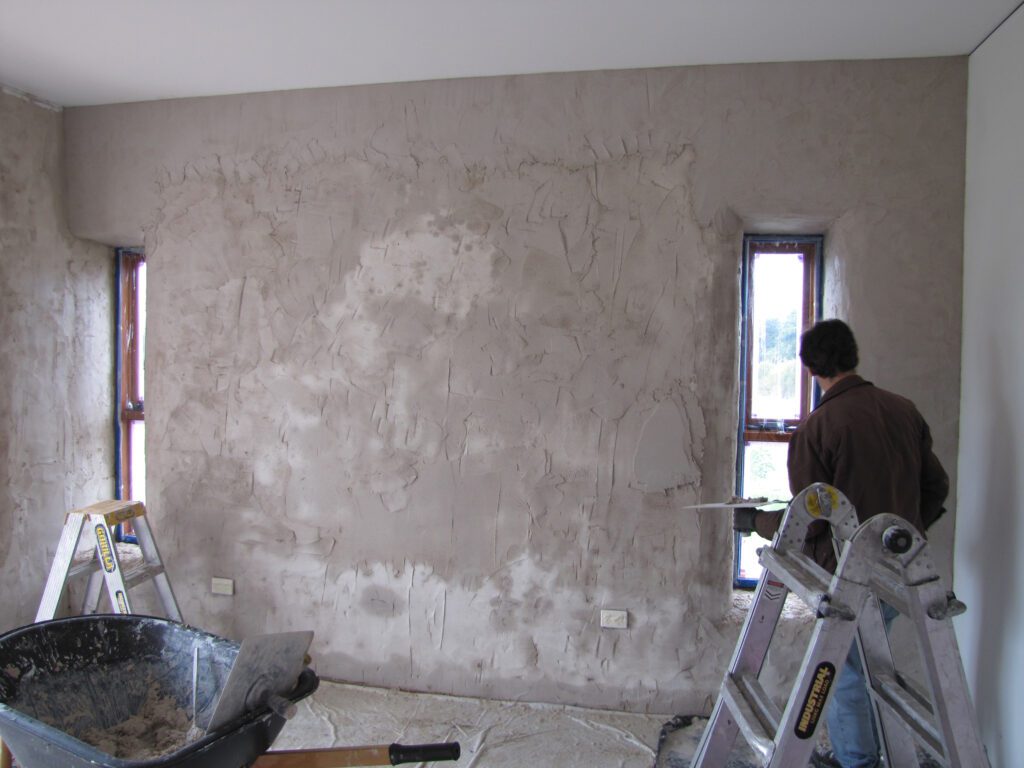
Quick Answer: Plaster typically takes 24-48 hours to become touch-dry, but requires 5-7 days minimum before painting (with a mist coat), and 14-21 days to fully cure. The exact timing depends on temperature (ideal: 18-25°C), humidity (aim for 40-60%), plaster thickness, and substrate type. Never rush—painting too early causes blistering, cracking, and paint failure. Ever wondered why your freshly plastered wall seems dry to the touch but still feels damp underneath? Understanding the drying process of plaster is crucial for achieving a flawless finish. While it may appear dry within hours, the reality is more nuanced. Plaster drying involves two key stages: touch-dry and fully cured. Each stage requires patience to avoid issues like cracking or paint flaking later on. Factors such as thickness, temperature, and humidity play a significant role in drying times. For instance, thinner layers dry faster than thicker ones, and higher temperatures can speed up the process according to industry drying studies. However, rushing the process can lead to problems like shrinkage or brittleness, especially in hot weather according to professional plastering guidance. On the other hand, cold weather may extend drying times but allows for better curing. In 2026, advanced plastering materials and application techniques have refined the drying process, but the fundamental principles remain unchanged. Modern gypsum-based plasters now incorporate improved bonding agents that enhance moisture management while maintaining traditional drying timelines. According to the Construction Products Association, understanding these properties is essential for both DIY enthusiasts and professional tradespeople working in the UK construction sector. If you’re unsure about the drying stages or need advice, don’t hesitate to contact Kent Plasterers. We’re here to help you achieve the best results for your project. Key Takeaways Touch-dry in 24-48 hours, decoration-ready in 5-7 days, fully cured in 14-21 days Thinner applications dry faster than thick basecoats (2-3mm vs 10-15mm) Ideal conditions: 18-25°C temperature, 40-60% humidity, good ventilation Different plaster types have varying drying times—gypsum faster than lime Never rush drying—causes cracking, shrinkage, paint adhesion failures Visual check: Uniform pale pink colour indicates readiness 2026 best practice: Confirm dryness with moisture meter readings below 0.5% For expert advice, contact Kent Plasterers Understanding the Plaster Drying Process Plastering a wall involves more than just applying a smooth finish—it’s a meticulous process that requires attention to detail and technical understanding. Whether you’re working on a small repair or a large project, understanding the stages from application to drying is essential for achieving a professional result. The chemical reaction between gypsum and water during plaster application, known as hydration, determines how the material sets and subsequently dries. This process involves three distinct phases: setting, drying, and curing. Overview of Plaster Application The plastering process typically begins with an undercoat, which provides a solid base for the finishing layer. Modern practice often involves applying a first coat of plaster that bonds properly to the substrate, whether it’s masonry, blockwork, or plasterboard. Each layer has distinct setting and curing times, influenced by factors like material type and environmental conditions according to construction equipment suppliers. Standard application thicknesses in 2026: Basecoats: 10-15mm thickness on masonry/blockwork Finishing coats: 2-3mm thickness for smooth surfaces Patch repairs: Match existing plaster depth Plasterboard skim: 2mm minimum coverage For instance, thicker applications may take longer to dry compared to thinner ones according to home improvement cost guides. The Building Research Establishment confirms that proper application techniques significantly reduce the risk of future defects such as cracking or delamination. Once the undercoat is applied, a finishing plaster is added to create a smooth, even surface. This stage is crucial for achieving the desired aesthetic and ensuring the wall is ready for paint or other decorative finishes. Pro Tip: The British Gypsum technical guidance, updated for 2026, recommends specific application thicknesses based on substrate type to optimize both drying time and structural performance. Always consult manufacturer data sheets before starting work. Stages from Application to Drying From the moment plaster is applied, it undergoes several distinct stages before it’s considered fully dry. The three phases of plaster drying: Phase Timeframe What Happens Key Indicators Setting 1-2 hours Chemical reaction between gypsum and water creates solid crystals Plaster firms up, becomes unworkable Drying 24-48 hours Excess water evaporates from plaster surface Touch-dry, colour lightens from dark to pale pink Curing 5-21 days Deep moisture release, plaster reaches full mechanical strength Uniform pale pink colour, cool sensation gone Initially, the surface may appear ready for decorating, but this is often just the touch-dry stage. Curing, which ensures the plaster reaches its full strength, continues beneath the surface according to indoor air quality specialists. During this period, the plaster releases moisture through evaporation, a process that must occur gradually for optimal results. Ambient temperature and humidity levels play a significant role in this process. For example, ideal conditions include a temperature range of 18 to 25 degrees Celsius and humidity levels around 40-60% according to construction drying standards. These factors help ensure even drying and prevent issues like cracking or brittleness. In the UK climate, seasonal variations significantly impact drying times: Summer applications: 5-7 days typical drying time Winter applications: 10-21 days or longer Spring/Autumn: 7-14 days depending on conditions Coastal areas: Add 2-5 days due to higher humidity Research from the UCL Bartlett School of Architecture indicates that moisture meters can provide accurate readings to determine when plaster has reached acceptable moisture content levels for decoration. Professional plasterers in 2026 increasingly use digital moisture meters that provide percentage readings, with levels below 0.5% moisture content generally considered suitable for painting. If you’re unsure about any stage of the plastering process, our team at Kent Plasterers is here to provide expert advice. We’ll guide you through each step to ensure your project is a success. Factors Influencing Drying Time The drying process of plaster is influenced by several key factors that interact in complex ways. Understanding these elements can help ensure a smooth and durable finish. From environmental conditions to material choices, each factor plays a crucial role in determining

How Long Does Plaster Take to Dry? Get the Answer Here Read More »