
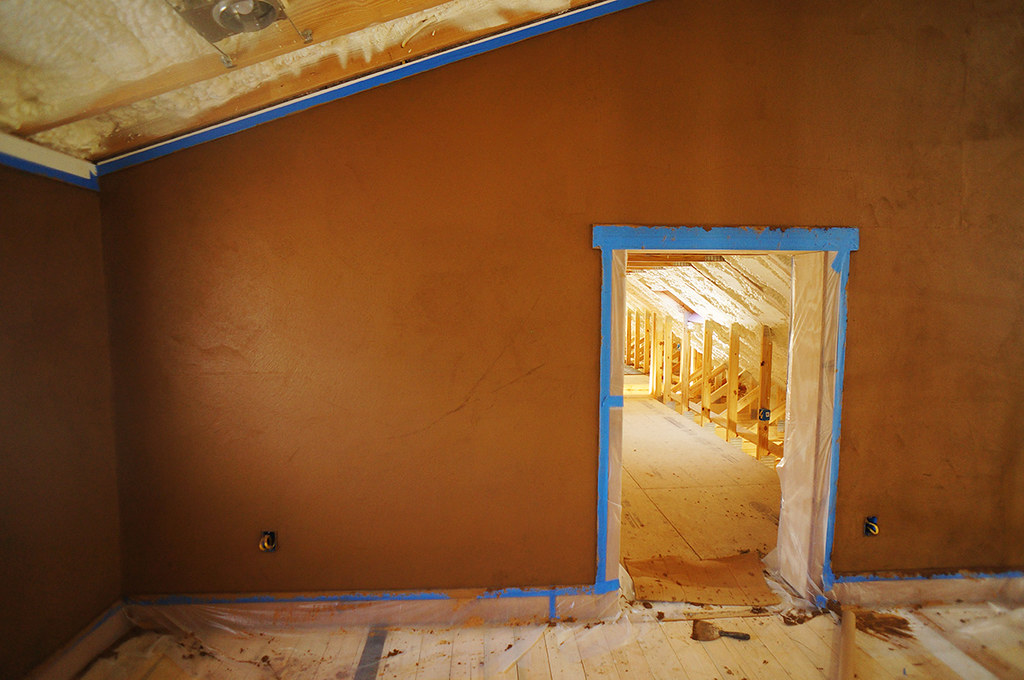
The best paint for new plaster is a watered-down non-vinyl matt emulsion, applied as a mist coat first. Mix a contract matt such as Leyland Trade Contract Matt or Dulux Trade Supermatt with water (roughly 70:30 paint to water), roll it on, then follow with two full-strength coats of any quality emulsion once the plaster has dried out completely.
Key facts
- Mist coat first: a non-vinyl matt emulsion thinned roughly 70:30 with water
- Cheapest reliable option: Leyland Trade Contract Matt, around £25 to £35 for 10 litres
- Ready-mixed shortcut: Dulux Sealer for Plaster, around £20 to £26 for 2.5 litres
- Drying time before painting: about a week for a skim coat, 4 to 6 weeks for full plaster
- Never use silk, vinyl matt or PVA as the first coat on bare plaster
Can you paint straight onto new plaster?
No. Bare plaster is highly absorbent, so emulsion straight from the tin loses its water into the wall before it can form a proper film. The result is poor adhesion, patchy sheen and paint that flakes off within months.
Fresh plaster also needs to breathe while it dries out, which can take 4 to 6 weeks for full backing plaster. A skim coat over plasterboard is usually ready in about a week. If you are not sure the wall is dry enough, read our guide to painting on wet plaster before you open a tin.
Why new plaster needs special treatment
- The surface is highly absorbent, so full-strength paint dries too fast and grips poorly
- Silk, vinyl soft sheen and kitchen or bathroom paints form a skin that traps moisture, then peels in sheets
- Most paint failures on new plaster come down to the wrong first coat or painting too soon
What is a mist coat and why do you need one?
A mist coat is a watered-down first coat of matt emulsion that seals the porous surface when painting new plaster. It soaks in, binds to the plaster and creates an even base, which stops flashing and patchy coverage in the finished wall.
Use a cheap contract matt for the mix, never a vinyl or silk paint. Our guide to the mist coat for new plaster covers mixing and rolling in detail, and if the wall still looks thirsty after the first pass, see how many mist coats new plaster needs.
Creating the perfect mist coat
| Step | Detail |
|---|---|
| Mix Ratio | 70:30 (paint to water) – white matt emulsion with water. Check the tin, some brands state their own ratio |
| Mixing | Ensure thorough mixing for consistent application |
| Application | Apply using a roller or brush, working in small sections |
| Drying Time | Allow 24 hours minimum drying time |
| Finishing | Check for even coverage and touch up as needed |
Which paints work best on newly plastered walls?
Contract matt emulsion is the industry standard first paint for new plaster. It contains no vinyl binder, so it lets the wall keep breathing while the plaster finishes curing, and it costs far less than designer emulsions.
Vinyl matt is tougher and wipeable, but that same vinyl film can trap moisture in fresh plaster. Save it for the topcoats once the mist coat has sealed the wall.
| Paint | Type | Why it suits new plaster | Rough price |
|---|---|---|---|
| Leyland Trade Contract Matt | Contract matt emulsion | Cheap, breathable, the classic mist coat paint | £25 to £35 for 10L |
| Dulux Trade Supermatt | Contract matt emulsion | Better opacity, the professional standard on new builds | £45 to £55 for 10L |
| Johnstone’s Professional Matt | Contract matt emulsion | Cost-effective alternative with good coverage | £25 to £35 for 10L |
| Dulux Sealer for Plaster | Ready-mixed sealer | Mist coat in a tin, no mixing needed, good for one room | £20 to £26 for 2.5L |
| Zinsser Gardz | Penetrating sealer | Binds powdery or over-trowelled plaster where emulsion will not grip | £30 to £40 for 2.5L |
| Crown Trade Matt Vinyl | Vinyl matt emulsion | Durable washable topcoat once the wall is sealed, not for mist coats | £40 to £50 for 10L |
Prices reviewed July 2026. Trade counters and online decorators’ merchants often undercut the big DIY sheds.
Do you need Dulux Sealer for Plaster?
No, it is not compulsory, but it is a handy shortcut. Dulux Sealer for Plaster is a ready-mixed, water-based sealer that does the same job as a mist coat without any mixing. One coat seals the bare surface and it dries quickly, so you can usually get a topcoat on the same day.
At around £20 to £26 for 2.5 litres it costs more per square metre than thinned contract matt, which is why decorators rarely use it on whole houses. For a single skimmed room it is a sensible DIY buy, and it takes the guesswork out of mixing ratios.
What about Zinsser Gardz?
Zinsser Gardz is the fix for problem plaster rather than a routine first coat. Reach for it when the surface is powdery, has been trowelled glass-smooth, or has traces of old wallpaper paste. It soaks in, dries clear and binds the surface so emulsion has something to grip.
Application Techniques and Tips
Preparing Your Plaster Surface
Get the preparation right and the paint does the rest:
- Test plaster dryness with a moisture meter (should read below 12%)
- Remove any dust or debris with a soft brush
- Fill minor imperfections and rub down any nibs, our guide on whether you can sand plaster shows how to do this without scratching the surface
- Ensure room temperature is between 10-25°C
- Use proper ventilation during application
Professional Application Methods
For optimal results, use a roller with a medium pile sleeve for larger areas and a quality brush for cutting in.
Apply paint in a ‘W’ pattern when rolling to ensure even coverage. Professional painters recommend maintaining a wet edge and completing whole wall sections in one go to prevent lap marks.
Work from top to bottom and ensure consistent pressure when rolling.
Common Mistakes to Avoid
Paint Types to Stay Away From
These should never go on bare new plaster:
- Silk or vinyl paints for mist coats
- Non-breathable paints
- Washable or kitchen/bathroom specific paints for first coats
- PVA as a primer, it forms a film that stops the mist coat soaking in and the paint can peel off later
Finishing Touches and Maintenance
Selecting Your Final Coat
After your mist coat has dried completely, you can apply your chosen finish. Any good quality emulsion will bond well at this stage.
Matt finishes are ideal for hiding surface imperfections, while modern eggshell offers a subtle sheen that suits hallways and other high-traffic areas.
Expert Summary and Recommendations
Start with a properly mixed mist coat of contract matt, give each coat a full day to dry, and stick to breathable paints until the wall is sealed.
Our top recommendation remains Dulux Trade Supermatt for coverage and finish, with Leyland Trade Contract Matt the best value pick. For a no-mixing option, Dulux Sealer for Plaster does the job in one coat.
If paint keeps failing on a wall, the plaster underneath is often the real problem. Our plasterers in Kent can inspect and re-skim before you waste another tin, so get in touch for a quote.
Frequently asked questions
What is the best paint for newly plastered walls?
A watered-down non-vinyl matt emulsion is the best first paint for newly plastered walls, followed by any good quality emulsion once the surface is sealed. Leyland Trade Contract Matt is the cheapest reliable option and Dulux Trade Supermatt gives better coverage. Avoid silk and vinyl finishes until the mist coat has done its job.
Can you paint straight onto new plaster?
No, paint straight from the tin will not bond properly to bare plaster. New plaster is highly absorbent, so it pulls the water out of full-strength emulsion before the paint can form a film, which leads to flaking and patchy sheen. Thin the first coat with water, roughly 70:30 paint to water, or use a ready-mixed plaster sealer instead.
Is Dulux Sealer for Plaster any good?
Yes, Dulux Sealer for Plaster works well and saves you mixing a mist coat. It is a ready-mixed water-based sealer that primes bare plaster in one coat and costs around £20 to £26 for 2.5 litres. Decorators usually thin contract matt instead because it covers far more wall for the money, but for a single room the sealer is a sensible DIY buy.
What is the difference between contract matt and vinyl matt?
Contract matt contains no vinyl binder, so it is breathable and ideal for new plaster, but it marks easily and is not washable. Vinyl matt includes a vinyl resin that makes it tougher and wipeable, but that film can trap moisture in fresh plaster. Use contract matt for the mist coat and early coats, then vinyl matt or a durable matt as the topcoat if you want a washable finish.
How long should new plaster dry before painting?
Allow about a week for a skim coat and 4 to 6 weeks where full backing plaster has been applied. The wall is ready when it is a uniform pale colour with no dark damp patches. Painting too soon traps moisture and causes bubbling and peeling, so if in doubt give it a few more days.
Why does my mist coat look patchy?
A patchy mist coat is normal and nothing to worry about. The mix is watery, so it dries with uneven colour, but its only job is to seal the plaster and give the topcoats something to grip. Coverage evens out with the full-strength coats. Only be concerned if the paint runs off the wall or sits on the surface, which means the ratio needs adjusting.
Sources
[1] https://paintersworld.co.uk/painters-advice/best-paint-for-plaster
[2] https://www.dulux.co.uk/en/expert-help/dr-dulux-painting-on-new-plaster
[3] https://www.mybuilder.com/questions/v/71646/best-type-of-paint-for-newly-plastered-walls