tomcolgan

How to use Polycell plaster repair for professional results at home

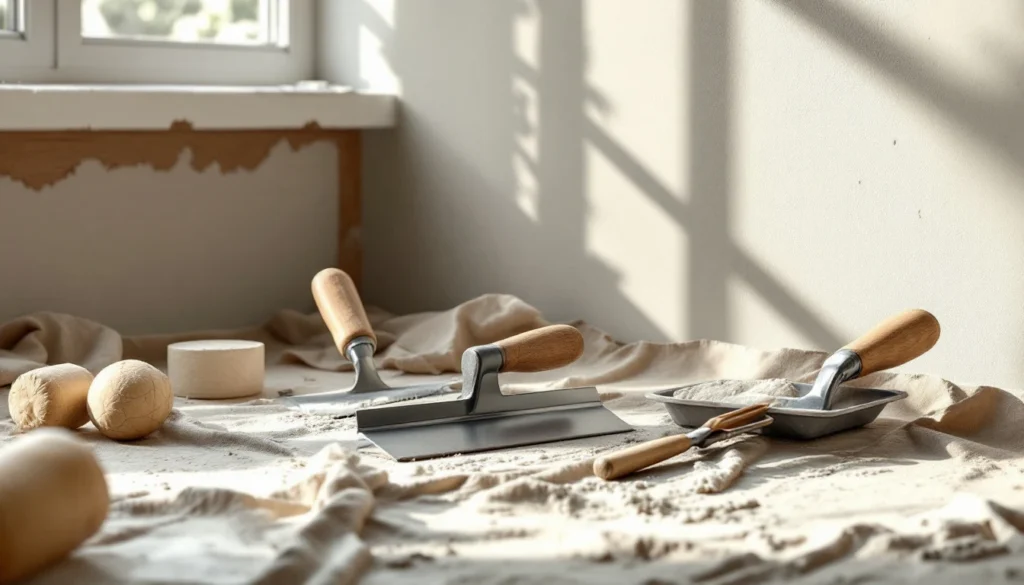
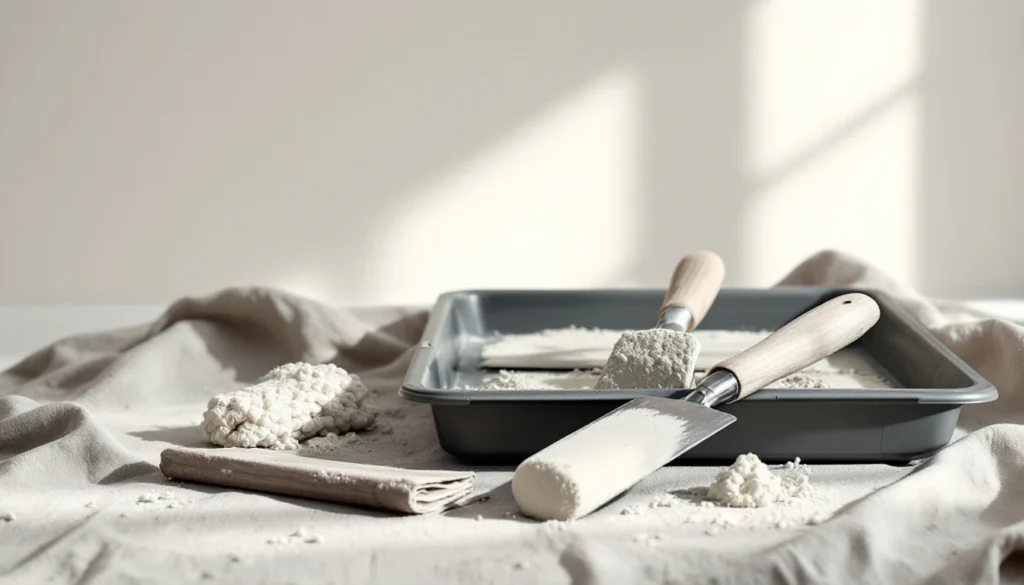
Polycell plaster repair delivers flawless finishes when you know the right techniques and application methods. Whether you’re a homeowner tackling DIY repairs or looking to understand what goes into professional plastering work, mastering Polycell products can save time and money while achieving results that rival professional tradespeople. This comprehensive guide walks you through everything from product selection to final finishing techniques, ensuring your walls look professionally restored. TL;DR – Quick Summary Polycell plaster repair comes in ready-mixed and powder formulas for repairs up to 50mm deep with 24-hour drying times Proper surface preparation with PVA primer and cleaning is essential for professional-quality results Mix powder formulas at 2-2.5 parts powder to 1 part water and apply in layers using wet tools for smoothness Ready-mixed formulas resist slumping, shrinking, and cracking for dependable repairs on plasterboard and masonry Know when DIY is suitable and when professional plasterers deliver better value for larger projects Understanding Polycell plaster repair products: What makes them effective Polycell has established itself as a trusted name in the plastering and repair industry, offering solutions that bridge the gap between amateur DIY and professional results. The brand’s plaster repair products are specifically engineered to address common wall damage whilst remaining accessible to homeowners. Understanding which product suits your specific repair needs is the first step toward achieving a flawless finish. The effectiveness of Polycell plaster repair products lies in their formulation, which balances ease of use with professional-grade performance. Unlike traditional plaster that requires considerable skill to mix and apply, Polycell products are designed with user-friendly characteristics. They offer predictable drying times, minimal shrinkage, and workability that forgives minor technique errors whilst still delivering smooth, ready-to-decorate surfaces. The difference between Polycell Ready Mixed Plaster Repair and Polyfilla powder The Polycell Ready Mixed Plaster Repair is a lightweight, anti-slump filler specifically designed for indoor plaster, plasterboard, and masonry repairs up to 50mm deep. This convenient formula comes ready to use straight from the tub, eliminating mixing uncertainties. With a reliable 24-hour drying time, it allows for predictable project scheduling and planning. The ready-mixed version’s anti-slump properties are particularly valuable when tackling vertical repairs or overhead work. The formulation holds its position without sagging or running, even when applied in thicker layers. This makes it ideal for filling deeper holes, repairing damaged corners, and addressing substantial wall damage without the frustration of material sliding before it sets. Polycell Plaster Repair Polyfilla powder, by contrast, requires mixing at a ratio of 2-2.5 parts powder to 1 part water. This powder formula offers advantages for those who prefer to control consistency and working time. When mixed to a creamy consistency, it provides exceptionally smooth application on prepared surfaces using a trowel or float, making it particularly suited for finishing work where surface quality is paramount. The powder version typically offers better value for larger projects and has an extended shelf life when stored properly in dry conditions. Professional plasterers often prefer powder formulas because they can adjust consistency for different applications, creating thinner mixes for skim coating or thicker preparations for substantial fills. When to use ready-mixed versus powder formulas Choosing between ready-mixed and powder formulas depends on several practical considerations. Ready-mixed Polycell plaster repair excels for small to medium repairs, quick fixes, and situations where convenience outweighs cost per volume. It’s the perfect choice when you’re making sporadic repairs around the home or tackling urgent damage that needs addressing immediately. The ready-mixed formula is particularly advantageous for beginners who may struggle with achieving the correct mixing ratios. There’s no risk of creating too-wet or too-dry mixes that compromise the repair quality. Simply open the tub, stir if needed, and apply directly to the prepared surface. Powder formulas become more economical for extensive repair work or when you’re addressing multiple damaged areas throughout a property. They’re ideal for renovation projects, property development work, or situations where you’re repairing large wall sections. The ability to mix only what you need for each session also reduces waste compared to opening large tubs of ready-mixed product. Consider ready-mixed for repairs under 20mm deep on small areas, whilst powder formulas work better for building up deeper repairs in layers. The powder’s flexibility in consistency adjustment makes it superior for final skim coats where an ultra-smooth finish is essential before decorating. Available sizes and coverage: Planning your purchase Polycell products are available in various sizes to suit different project scales. The 2.5L tubs are ideal for large walls in living spaces, providing sufficient material for extensive repairs without requiring multiple trips to the store. These larger containers offer better value per litre and ensure consistency across your entire repair area. For smaller jobs, 450g sizes provide a perfect balance between having enough material to complete typical repairs whilst avoiding excess waste. These compact containers are easier to store and remain workable for longer when you’re only making occasional repairs. They’re particularly suitable for touching up minor damage in rental properties or addressing cosmetic issues before selling. When calculating quantities needed, consider that coverage depends on repair depth and surface porosity. As a general guide, a 2.5L tub of ready-mixed product covers approximately 1-1.5 square metres at 3mm depth. For deeper repairs approaching the 50mm maximum depth, you’ll achieve proportionally less coverage. Always purchase slightly more than your calculated requirement to account for wastage and ensure colour consistency across the repair. Preparing surfaces properly: The foundation of professional results Professional plasterers understand that preparation accounts for at least 50% of the final result quality. Rushing this stage inevitably leads to repairs that crack, fail to adhere properly, or show through subsequent decoration. Investing time in thorough surface preparation pays dividends in longevity and appearance. The condition of the underlying surface directly affects how well Polycell plaster repair bonds and performs over time. Even the highest quality filler cannot compensate for poor preparation. Dust, grease, loose material, and unstable surfaces all compromise adhesion and lead to premature failure. Essential preparation steps for lasting repairs Begin by creating a

How to use Polycell plaster repair for professional results at home Read More »

Is Hygienic Wall Cladding a Sustainability-Conscious Choice?

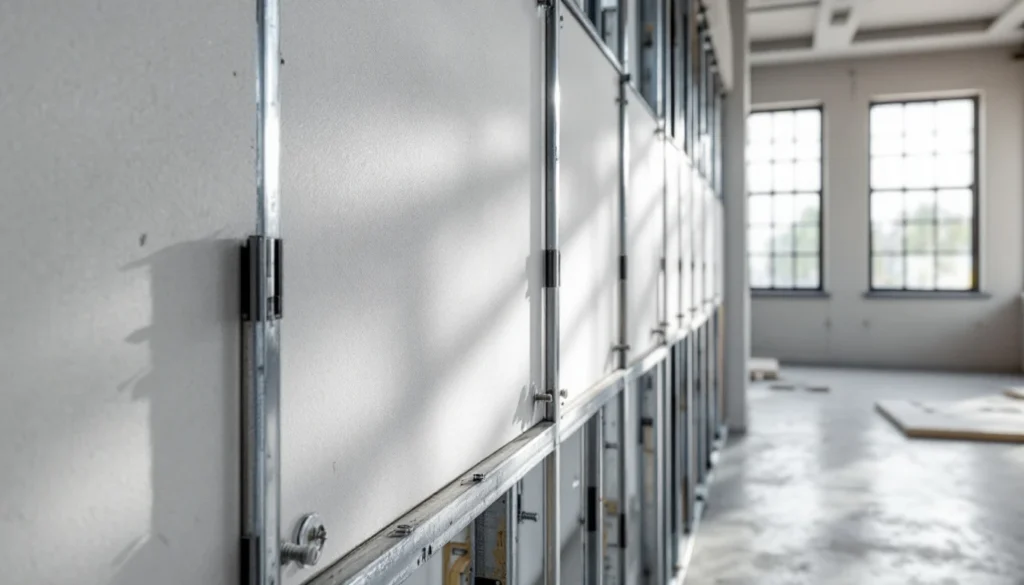
In commercial design, the focus has shifted towards materials that offer longevity and efficiency. Facilities managers and architects are increasingly tasked with selecting internal finishes that balance strict sanitation requirements with long-term value. While aesthetic appeal remains a priority, the durability of a surface often dictates its true environmental impact. When a material requires frequent replacement or intensive chemical cleaning, its initial appeal can quickly fade. Traditional wall finishes like paint or tiles often struggle in high-traffic environments. Tiles can crack, and grout lines frequently become breeding grounds for bacteria and moisture, necessitating harsh scrubbing. On the other hand, hygienic wall cladding offers a smooth, solid surface designed to withstand the rigours of medical, educational, and commercial spaces. By evaluating the lifecycle of these materials, it becomes easier to see how they contribute to a more efficient and waste-conscious building strategy. The Long-Term Value of Durability One of the most effective ways to practice sustainability in construction is to choose products that don't need to be replaced every few years. Hygienic PVC sheets are engineered for high-impact resistance, making them ideal for corridors in hospitals or busy school kitchens. Because they don't chip or flake like paint, the need for regular maintenance and redecoration is significantly reduced. This leads to a lower consumption of raw materials over the lifespan of a building. Furthermore, these sheets are moisture-resistant, which prevents the growth of mould and structural rot. In environments where humidity is a constant factor, such as laboratories or industrial washrooms, this resistance is vital. By protecting the underlying wall structure from dampness, cladding helps maintain the integrity of the building. This avoids the waste associated with large-scale repairs or the disposal of damaged drywall and plaster. Hygiene Without Harsh Chemicals Maintaining a sanitised environment usually involves a heavy reliance on strong disinfectants. However, the non-porous nature ofwhite hygienic cladding means that bacteria and dirt have nowhere to hide. This allows for effective cleaning using milder detergents and less water compared to porous surfaces like traditional tiling. When a surface is easy to wipe down, the total volume of chemical runoff entering the water system is reduced. The integration of these products into a facility also supports better indoor air quality. Many modern cladding options are designed to be low-VOC (Volatile Organic Compounds), ensuring that they don't release harmful gases into the atmosphere after installation. This is a significant advantage for schools and healthcare facilities where occupant health is a primary concern. The smooth finish also eliminates the dust and debris often associated with crumbling grout or peeling paint. Efficiency Through Smart Installation The installation process itself offers several advantages for those looking to minimise site waste. Because these sheets can be cut to size, installers can plan the layout to ensure maximum coverage with minimal offcuts. Unlike tiles, which require heavy mortars and grouts that produce dust and chemical waste, cladding is often applied with specialised adhesives that create a secure bond with less mess. Supporting Circular Economy Principles When considering the end of a product's life, PVC is a material that can be recycled. Many manufacturers now have systems in place to take back offcuts or old panels to be reprocessed into new products. This creates a closed-loop system that keeps plastic out of landfills. By choosing a material that is both recyclable and exceptionally long-lasting, businesses can align their procurement with modern environmental standards. The versatility of these panels also means they can be used across various sectors without needing specialised versions for each task. Whether it's a commercial kitchen or a high-tech lab, the same high standards of durability apply. This standardisation makes it easier for contractors to manage stock and reduce the surplus that often occurs with more niche building materials. To Summarise Choosing the right wall finish is about more than just meeting immediate health codes. It's about investing in a system that will remain functional and clean for decades. Hygienic wall cladding represents a move towards more responsible building practices by prioritising ease of maintenance and material longevity. As the commercial sector continues to evolve, these durable solutions will remain a staple for those who value efficiency. By reducing the need for frequent replacements and minimising the use of harsh cleaning agents, these surfaces provide a clear path towards more sustainable facility management. They offer a reliable way to protect both the people inside the building and the environment outside of it.

Is Hygienic Wall Cladding a Sustainability-Conscious Choice? Read More »

Period Property Renovation: Sympathetic Plastering Techniques

Quick Answer: Period property renovation requires sympathetic plastering techniques that respect the building’s original construction. Use lime-based plasters on solid walls (never gypsum), match existing decorative mouldings, ensure breathability, and work with traditional materials. Victorian and Georgian properties built with lime mortar need lime plaster to allow moisture movement. Expect to pay £60-£90/m² for specialist lime plastering versus £25-£40/m² for standard gypsum work. Always consult a heritage specialist for listed buildings. Understanding Period Property Construction Before you touch a single wall in a period property, you need to understand how these buildings were constructed — because applying modern materials to old structures is one of the fastest ways to cause expensive damage. Properties built before 1919 (and many up until the 1940s) were constructed using entirely different principles than modern homes. The key difference? Breathability. The Critical Difference: Solid Walls vs Cavity Walls Period properties typically feature solid walls — single-thickness brick or stone without a cavity. These walls were designed to allow moisture to move through them naturally, evaporating from both surfaces. When you seal them with impermeable modern materials like gypsum plaster or cement render, you trap moisture inside, leading to: Structural decay — trapped moisture degrades timber joists, lintels, and floorboards Salt damage — hygroscopic salts migrate to the surface, causing plaster to blow Frost damage — water freezes inside the wall fabric, causing spalling and cracking Interior damp patches — moisture finds the path of least resistance The Society for the Protection of Ancient Buildings (SPAB) emphasizes that traditional buildings need traditional materials to function properly. This isn’t about aesthetics — it’s about building physics. Traditional Building Materials Timeline Period Wall Construction Plaster Type Key Characteristics Pre-1700 Stone, cob, wattle & daub Lime putty with animal hair Highly flexible, very breathable Georgian (1714-1830) Handmade brick, lime mortar Lime plaster, 3-coat system Lath and plaster ceilings Victorian (1837-1901) Machine-made brick, solid walls Lime or lime-gypsum mix Decorative cornicing, ceiling roses Edwardian (1901-1910) Brick with early cavity walls Transitional lime-gypsum Simpler decoration than Victorian Post-1920s Cavity walls standard Gypsum plaster dominates Modern plasterboard by 1950s Why Lime Plaster Is Essential for Old Houses If there’s one golden rule for period property renovation, it’s this: use lime plaster on solid walls. Not sometimes. Not “probably better”. Always. Here’s why lime plaster works where modern gypsum fails: Breathability and Moisture Management Lime plaster has a permeability rating that allows water vapour to pass through freely. Modern gypsum plaster creates a vapour barrier, trapping moisture inside the wall structure. This is catastrophic in solid-walled buildings. According to Historic England guidance, lime plaster and lime mortar work together as a moisture management system, allowing the building to “breathe” and self-regulate its moisture content. Flexibility and Movement Period buildings move. Timber frames expand and contract with seasonal changes, foundations settle slightly over centuries, and there’s inevitable structural movement. Lime plaster’s inherent flexibility accommodates this movement without cracking. Gypsum plaster, by contrast, is rigid. Apply it to a moving substrate and you’ll see hairline cracks within months — guaranteed. Pro Tip: When specifying lime plaster, always match the strength of your plaster to the strength of your substrate. Use a weaker lime mix on softer stone or brick — the plaster should always be the sacrificial layer, not the substrate. A typical ratio is NHL 3.5 lime with 3 parts sharp sand for backing coats, and NHL 2 with finer sand for finish coats. Self-Healing Properties One of lime plaster’s remarkable characteristics is its ability to self-heal minor cracks. The lime continues to carbonate (react with CO₂ in the air) for years after application. When hairline cracks form, rainwater dissolves small amounts of free lime which re-crystallizes in the crack, effectively sealing it. Types of Lime Plaster and When to Use Each Not all lime plasters are created equal. Understanding the different types helps you specify the right material for each situation. Lime Putty Plaster Best for: Listed buildings, highly exposed locations, heritage restoration work. Lime putty is made from quicklime (calcium oxide) that’s been slaked (mixed with water) and matured for at least three months — though traditional plasterers prefer putty aged for 12+ months. It’s mixed with sharp sand at ratios of 1:2.5 or 1:3 (lime:sand) depending on the coat. This is the most breathable and flexible option, but also the slowest to set. Each coat needs 7-10 days to carbonate sufficiently before applying the next layer. Total curing time can extend to several months. Natural Hydraulic Lime (NHL) Best for: Most period property renovation work, areas needing reasonable set times. NHL plasters contain natural impurities that give them a hydraulic set — meaning they set through chemical reaction with water, not just carbonation. They’re classified by compressive strength: NHL 2 — Softest, most breathable, for soft stone and internal finishes (2-7 N/mm²) NHL 3.5 — Medium strength, most versatile, suitable for most applications (3.5-10 N/mm²) NHL 5 — Strongest, for exposed locations and hard stone (5-15 N/mm²) NHL 3.5 is the workhorse material for most Victorian and Georgian renovations. Initial set occurs within 24-48 hours, allowing reasonable work schedules, but full carbonation still takes months. Hot Lime Mixes Best for: Specialist historic work, master plasterers only. Traditional hot lime mixing involves slaking quicklime on-site and using it while still warm. This produces exceptional adhesion and plasticity, but requires significant expertise and safety precautions. Unless you’re working on a Grade I listed building with a specialist contractor, you’ll likely use pre-mixed NHL products. Lime-Based Plasters: Price Comparison 2026 Material Type Material Cost (25kg) Labour Rate (£/m²) Total Cost (£/m²) Setting Time Lime putty (3 coats) £18-£25 £55-£80 £70-£95 7-10 days per coat NHL 3.5 (3 coats) £12-£18 £45-£70 £60-£85 24-48 hours per coat Pre-mixed lime plaster £22-£30 £40-£65 £55-£80 24 hours per coat Gypsum (comparison) £6-£10 £20-£35 £25-£40 2-3 hours (unsuitable for old walls) Prices current as of January 2026. Source: Suppliers including Cornish Lime Company, Lime Green Products, and specialist builders’ merchants. The Three-Coat Traditional Plastering System Proper lime plastering

Period Property Renovation: Sympathetic Plastering Techniques Read More »

The Ultimate Home Renovation Checklist

Embarking on a home renovation is an ambitious project that can significantly increase the value of your property. Whether you’re updating a Victorian terrace or modernising a semi-detached house, success depends on a logical sequence of work. Skipping steps or rushing into the cosmetic details can lead to expensive mistakes later on. A well-organised plan helps you manage your budget and ensures that every tradesperson, from plasterers to electricians, knows exactly what to do. Before you pick up a paintbrush or tear down a wall, you should establish a clear roadmap. Take a moment to look at these essential steps to ensure your project stays on track. Assess the Structure and Damp Proofing The first stage of any renovation involves securing the building’s core. You must identify any issues with the roof, foundations, or external walls. If there are signs of rising damp or penetrative moisture, these need addressing immediately. Plastering over a damp wall is a temporary fix that will eventually fail, so ensuring the shell of the home is watertight is your top priority. Once the exterior is secure, you can focus on internal structural changes. This includes removing load bearing walls or installing steel beams to create open-plan living spaces. Always consult a structural engineer for these tasks to ensure the safety of the building. Dealing with these heavy-duty jobs early prevents dust and debris from ruining your new finishes later. Modernise the Heating and Utilities Updating the heating system is often a practical step during a home renovation, particularly if the existing setup shows signs of age. Common indicators that a system may need attention include radiators that stay cold at the bottom or units that produce unusual noises during operation. For those considering a replacement, iHeat boilers specialise in boiler installation, replacement, and servicing. They focus on providing fixed-price online quotes for homeowners and landlords. The company provides new boiler installations using the best British and European brands. Their local Gas-Safe-qualified engineers ensure a straightforward process for homeowners. Property owners can secure reliable, transparently priced heating while other building work continues. With next-day installations available, adding a boiler, heat pump, or air conditioning won’t delay the project. First Fix Electrics and Plumbing Before the walls are replastered and the floors are laid, you must complete the first stage. This involves running all the necessary cables for lights, sockets, and internet points. It’s also the time to install new pipework for bathrooms and kitchens. Think carefully about where you want your furniture to go so you can place outlets exactly where they’re needed. Some other things to consider are: Plastering and Flooring After the internal wiring and plumbing are signed off, the house starts to look like a home again. Professional plastering provides the smooth canvas needed for a high-quality finish. It’s important to allow fresh plaster plenty of time to dry naturally before you apply any paint. If you rush this stage, the moisture trapped in the walls can cause the paint to peel or bubble. Once the walls are ready, you can turn your attention to the floors. Whether you prefer engineered wood, traditional tiles, or luxury vinyl, the subfloor must be perfectly level. Good flooring is a significant investment, so take the time to prepare the surface correctly. This stage bridges the gap between the messy construction phase and the final styling of your rooms. Final Decorations and Styling The final stage is where your personal style truly shines. This involves tasks, such as fitting light switches, hanging doors, and installing skirting boards. It’s the most rewarding part of the process because you can finally see your vision coming together. Choose a paint palette that complements the natural light in each room to create a cohesive feel throughout the house. Don’t forget the small details that make a big impact. New handles on doors, stylish taps in the kitchen, and well-chosen window dressings can elevate the entire look. While it’s tempting to rush this final hurdle, taking care with the finishing touches ensures a professional result that you’ll be proud of for years. Conclusion Completing a home renovation is a marathon, not a sprint. By following a structured checklist, you protect your investment and reduce the stress of the building process. From securing the structural integrity to choosing a modern heating solution, every decision contributes to a better living environment. Your dream home is achievable when you approach the project with a clear plan and the right experts by your side.

The Ultimate Home Renovation Checklist Read More »

Complete Guide to Plastering Materials in 2026

Quick Answer: In 2026, the plastering materials market offers three main categories: gypsum-based plasters (Multi-Finish, Board Finish, Hardwall), cement-based renders (sand-cement, lime, acrylic), and specialist finishes (Venetian, Tadelakt, polished plaster). The right choice depends on your substrate, location (internal vs external), moisture levels, and desired finish. Most domestic UK projects use British Gypsum’s Thistle range, costing £7-12 per 25kg bag, with coverage of 2.5-3m² per bag at 2mm thickness. Why Plastering Materials Matter More Than Ever in 2026 The plastering materials you choose directly affect how long your walls last, how much you’ll spend on heating, and whether you’ll face damp problems down the line. With updated Building Regulations Part L taking effect in 2025, thermal performance and moisture management have become critical factors in material selection. We’re seeing significant shifts in the UK plastering market this year. Traditional gypsum plasters remain the backbone of domestic work, but eco-friendly alternatives like lime-based products have grown from niche to mainstream. Meanwhile, spray-on plaster systems are revolutionising commercial projects, cutting application time by up to 60%. This guide breaks down every material category you’ll encounter in 2026, from the trusty bag of Multi-Finish from Wickes to specialist Venetian plasters costing £200+ per bucket. We’ll cover when to use each type, current UK pricing, and the real-world performance data that separates marketing hype from genuine quality. Understanding Gypsum-Based Plasters: The UK Standard Gypsum plasters dominate the British domestic market because they’re fast-drying, easy to work with, and produce a smooth finish perfect for painting. British Gypsum’s Thistle range sets the industry standard, though alternatives from Knauf and Saint-Gobain have gained ground. Multi-Finish: The All-Rounder British Gypsum Thistle Multi-Finish remains the most versatile skim coat plaster available. It works on virtually any background—plasterboard, bonding coat, painted surfaces, even old lime plaster if properly prepared. Setting time: 1.5-2 hours (working time about 45 minutes) Coverage: 2.75m² per 25kg bag at 2mm thickness Current price: £8.50-£10.50 per bag (January 2026 pricing from Wickes/Screwfix) Drying time: 24-48 hours before decoration, depending on ventilation Best for: Final coat on most interior walls and ceilings Pro Tip: Multi-Finish works best at 2mm thickness. Going thicker than 3mm risks cracking as it sets. If you need to build up depth, use a bonding or browning undercoat first, then skim with Multi-Finish. Board Finish vs Multi-Finish: What’s the Difference? Many DIYers get confused between these two finishing plasters. The distinction matters for getting the best results. Feature Multi-Finish Board Finish Primary use General purpose, any suction background Plasterboard only (low suction) Working time 45 minutes 60-90 minutes Setting time 1.5-2 hours 2-2.5 hours Price (25kg) £8.50-£10.50 £9-£11 Coverage 2.75m² @ 2mm 3m² @ 2mm For more detail on this comparison, see our Multi-Finish vs Board Finish guide. Undercoat Plasters: Bonding, Browning and Hardwall Before you can skim, you need the right undercoat to build up depth and create a level surface. These high-suction plasters form the foundation of quality plastering work. Bonding Coat (Thistle Bonding 60): For low-suction backgrounds like concrete, painted surfaces, plasterboard Contains additives that help it stick to smooth, non-porous surfaces Apply 8-25mm thick (can be built up in multiple coats if needed) Setting time: 1.5-2 hours Price: £9-£12 per 25kg bag Coverage: 2.4m² at 12.5mm thickness Browning Plaster: For highly absorbent backgrounds (brick, blockwork, expanded metal lath) Creates excellent key for the final skim coat Apply 8-20mm thick Setting time: 2-2.5 hours Price: £8-£11 per 25kg bag Coverage: 2.3m² at 11mm thickness Hardwall (Thistle Hardwall High Impact): Modern alternative to Browning, faster setting Higher impact resistance—ideal for hallways, commercial spaces Works on most masonry backgrounds Apply 8-20mm thick Setting time: 1.5-2 hours Price: £9-£12 per 25kg bag Cement-Based Materials: External Rendering and Wet Areas When you’re working outside or in moisture-prone areas, cement-based renders outperform gypsum every time. They’re waterproof, frost-resistant, and can withstand decades of British weather. Traditional Sand-Cement Render The old-school approach still dominates external rendering in the UK. A properly mixed sand-cement render using sharp sand and OPC (Ordinary Portland Cement) lasts 50+ years with minimal maintenance. Standard mix ratios: Scratch coat (first coat): 1 part cement : 3 parts sharp sand (plus plasticiser) Top coat: 1 part cement : 4-5 parts sharp sand Typical thickness: 15-20mm total (two coats) Curing time: 7-14 days before painting Material Coverage Cost per unit (2026) Cost per m² Sharp sand (bulk bag) 15-20m² @ 15mm £45-£60 £2.50-£3.50 OPC cement (25kg) Per bulk bag of sand £7-£9 £1-£1.50 Plasticiser (1L) Makes 250L mix £6-£8 £0.05-£0.10 Total material cost – – £3.60-£5.10/m² For detailed pricing and application techniques, check our complete rendering costs guide for 2026. Lime-Based Renders and Plasters Lime products have seen remarkable growth in 2026, driven by heritage restoration projects and growing awareness of breathability in older buildings. According to the Society for the Protection of Ancient Buildings, lime plaster allows moisture to escape from solid brick and stone walls, preventing the trapped damp that cement-based products can cause. When to specify lime: Pre-1919 properties with solid walls (no cavity) Listed buildings (often required by conservation officers) Properties with historic brickwork or stone Areas prone to minor movement (lime’s flexibility prevents cracking) Lime plaster mix options: NHL 3.5 (Natural Hydraulic Lime): Standard for most applications, sets in 7-14 days NHL 5: Stronger, faster-setting, for external renders in exposed locations Fat lime putty: Traditional method, requires 12+ months maturation, used in specialist restoration Pricing: Lime products cost significantly more than gypsum—expect £18-£25 for a 25kg bag of NHL 3.5 from specialist suppliers like Mike Wye & Associates or Cornish Lime. ⚠️ Warning: Never apply cement-based plaster or render over lime, or lime over cement. The different expansion rates and vapour permeability cause delamination and cracking within months. If you’re unsure what’s already on the wall, get a professional assessment before proceeding. Modern Acrylic and Silicone Renders Pre-mixed polymer renders have become mainstream for external wall insulation (EWI) systems and modern new-builds. They offer colour-through finish, eliminating the need for painting, and exceptional weather resistance. Weber Pral

Complete Guide to Plastering Materials in 2026 Read More »

What is polished plaster and is it worth the investment?

Polished plaster transforms ordinary walls into stunning, luxurious surfaces that elevate any space. This ancient technique, refined over centuries, has become the go-to finish for homeowners and developers seeking to create show-stopping interiors that exude sophistication and timeless elegance. TL;DR – Quick Summary Polished plaster is a decorative lime-based finish using marble dust that creates glass-like surfaces mimicking natural stone like marble, travertine, and limestone Applied in multiple thin layers by skilled craftspeople, it offers exceptional durability, waterproofing, and eco-friendly credentials that standard finishes cannot match Costs are significantly higher than conventional plastering due to premium materials and specialist labour, but the investment adds substantial value to mid to high-end properties Ideal for luxury bathrooms, feature walls, and commercial spaces where aesthetic impact justifies the premium price point Kent Plasterers provides expert polished plaster application throughout Bromley, Tunbridge Wells, and Kent for discerning homeowners and property developers What is Polished Plaster? The Decorative Finish Explained Polished plaster represents one of the most sophisticated decorative wall and ceiling finishes available to modern homeowners and property developers. This lime-based material creates surfaces that rival the appearance of polished natural stone, delivering a depth and lustre that conventional paint or wallpaper simply cannot achieve. The finish develops its characteristic beauty through a meticulous application process that involves multiple thin layers, careful troweling, and burnishing to create a glass-like sheen. When executed by skilled professionals like those at Kent Plasterers, the results can transform ordinary rooms into extraordinary spaces that command attention and admiration. The Composition and Characteristics of Polished Plaster At its core, polished plaster consists of slaked lime mixed with finely ground marble dust and marble chips. This combination of natural materials creates a breathable, durable surface that mimics the appearance of polished marble, travertine, or limestone. The magic happens during the burnishing process, where skilled plasterers use specialized steel tools to compress and polish the surface. This technique creates the signature glass-like sheen that distinguishes polished plaster from other decorative finishes, reflecting light in ways that add depth and dimension to any space. The material builds up gradually through multiple applications, typically creating a total thickness of 1-4mm over the base substrate. This relatively thin profile means it can be applied to existing walls without significantly reducing room dimensions, making it perfect for renovation projects throughout Kent and Bromley. Venetian Plaster: The Most Popular Polished Plaster Variant Venetian plaster stands as the most recognized variant of polished plaster, beloved by interior designers and architects worldwide. This finish traces its lineage directly to the palatial homes and churches of Renaissance Venice, where it graced the walls of the most prestigious buildings. The application process involves applying multiple thin layers, each tinted and coloured according to the desired final appearance. After the layers cure, craftspeople seal the surface with wax, which provides enhanced durability, waterproofing properties, and intensifies the characteristic high shine that Venetian plaster is famous for. Modern Venetian plaster products offer unprecedented customization options. Homeowners can select from subtle neutral tones that complement contemporary minimalism or bold, dramatic colours that make powerful design statements in feature spaces throughout their Tunbridge Wells or Bromley properties. Other Polished Plaster Types: Tadelakt and Marmorino Beyond Venetian plaster, two other variants deserve attention from property owners considering this premium finish. Tadelakt originates from Morocco and offers exceptional waterproofing properties, making it particularly suitable for luxury bathroom applications where moisture resistance is paramount. Tadelakt creates a slightly softer, more organic appearance compared to the high-gloss finish of Venetian plaster. Its rugged, textured quality adds warmth to spaces whilst maintaining the luxurious feel that polished plaster finishes are known for delivering. Marmorino represents another traditional variant, offering an ultra-smooth finish that can be polished to varying degrees of shine. This versatility allows property developers and homeowners to specify exactly the level of sheen they desire, from subtle matte finishes to mirror-like glossiness that transforms walls into architectural features. The Rich History Behind Polished Plaster Understanding the heritage of polished plaster helps explain why this finish commands such respect and investment in contemporary interior design. The techniques used today draw directly from ancient practices refined over millennia, creating a living connection to architectural traditions that shaped Western civilization. Ancient Roman Plastering Techniques The Romans pioneered the sophisticated plastering techniques that form the foundation of modern polished plaster applications. Using aged lime putty mixed with marble powder, Roman craftsmen created stone-like illusions on brick and stucco surfaces throughout their vast empire. These ancient plasterers understood that allowing lime putty to age for extended periods improved its workability and final appearance. Some traditional manufacturers still age their lime putty for months or even years before use, maintaining standards established two thousand years ago. The durability of Roman plastering speaks for itself—examples survive in archaeological sites across Europe and North Africa, testament to the longevity that properly applied lime-based finishes can achieve. This heritage assures modern property owners that their investment in polished plaster will stand the test of time. Renaissance Refinement and Palladio’s Influence The Renaissance period saw Italian architects and craftsmen elevate plastering to an art form. Andrea Palladio, the influential 16th-century architect, championed the use of refined lime plaster finishes that created elegant architectural surfaces rivaling the appearance of expensive stone. Palladio’s villas throughout the Veneto region showcased how skilled application of polished plaster could transform humble brick structures into palatial residences. His influence spread throughout Europe, establishing standards of excellence that continue to inspire contemporary applications in Kent and beyond. Renaissance craftsmen developed many of the troweling and burnishing techniques still employed by specialist plasterers today. This continuity of craft knowledge ensures that modern applications maintain the authentic character and quality that made these finishes legendary. Modern Evolution and Contemporary Products Contemporary manufacturers have refined traditional formulations whilst maintaining the essential characteristics that make polished plaster so desirable. Companies like Armourcoat and Annie Sloan offer hand-applied sustainable versions that meet modern performance standards whilst respecting traditional aesthetics. These modern products incorporate technological advances that improve ease

What is polished plaster and is it worth the investment? Read More »

Garage Conversions: Everything You Need to Know in 2026

Quick Answer: Converting a garage into living space costs between £8,000-£25,000 in 2026, depending on specification and finishes. Most garage conversions don’t require full planning permission (thanks to permitted development rights), but you’ll still need Building Regulations approval for structural alterations, damp proofing, insulation, and electrical work. Typical projects take 4-8 weeks from start to finish, and can add 10-15% to your property value when done properly. Why Convert Your Garage in 2026? Garage conversions have become one of the most cost-effective ways to add living space to UK homes without the expense and complexity of a full extension. With average house prices continuing to rise and moving costs sky-high, adding a bedroom, home office, or granny annexe to your existing footprint makes financial sense. The beauty of a garage conversion is that the basic structure already exists. You’ve got four walls and a roof — the expensive bits of any building project. What you’re really doing is upgrading an uninsulated, unheated storage space into a comfortable, thermally efficient room that meets current Building Regulations. In Kent specifically, we’re seeing huge demand for garage conversions as more people work from home permanently. That cold, damp garage that stored garden furniture and old paint tins can become a dedicated office, gym, or guest suite without eating into your garden space. Planning Permission vs Building Regulations: What You Actually Need Here’s where most homeowners get confused. Let me break down the difference between planning permission and Building Regulations approval — they’re not the same thing, and you’ll almost certainly need one of them. Planning Permission for Garage Conversions Good news: most garage conversions fall under permitted development rights, meaning you don’t need formal planning permission. According to the Planning Portal, you can convert your garage without planning permission if: The garage is attached to the house or within the original property boundary You’re not creating a separate dwelling (no self-contained kitchen and bathroom) The property isn’t a listed building or in a conservation area You’re not making major external alterations to the street-facing elevation However, you’ll lose permitted development rights if you want to build an extension in future where the garage once stood. Something to consider if you’re planning longer-term. Building Regulations: Always Required Even if you don’t need planning permission, you’ll always need Building Regulations approval for a garage conversion. This covers structural changes, insulation, ventilation, fire safety, and electrical work. Your local authority will want to see plans and inspect at various stages. Pro Tip: Apply for Building Regulations approval before starting work. The application fee typically costs £400-£600, but getting caught doing unapproved work can lead to enforcement notices and difficulty selling your property later. Building Control inspectors will check foundations, damp proof courses, insulation values, and structural calculations. Garage Conversion Costs in 2026 Right, let’s talk money. Garage conversion costs vary massively depending on specification, but here’s a realistic breakdown of what you’ll pay in Kent and across the UK in 2026. Conversion Type Typical Cost Range What’s Included Basic Conversion £8,000-£12,000 Insulation, plasterboard, basic electrics, vinyl flooring, standard windows Mid-Range Conversion £12,000-£18,000 Plus underfloor heating, plastered walls with skim coat, engineered wood flooring, double glazing upgrade High-End Conversion £18,000-£25,000+ Plus ensuite bathroom, bi-fold doors, vaulted ceiling, high-spec finishes, integrated storage Cost Breakdown by Trade Understanding where your money goes helps you budget accurately and spot dodgy quotes. Here’s what professional tradesmen typically charge for garage conversion work in 2026: Building Regulations and drawings: £600-£1,200 Structural work (RSJ installation if removing door): £1,500-£3,000 Damp proofing and floor insulation: £1,200-£2,500 Stud walls and insulation: £800-£1,500 Plastering (walls and ceiling): £1,000-£2,000 Electrical work (sockets, lighting, consumer unit): £800-£1,500 Heating (radiators or underfloor): £600-£2,000 Windows and doors: £1,500-£4,000 Flooring: £500-£1,500 Decoration: £400-£800 These are Kent prices based on current rates. London and the South East will be 15-25% higher; northern England typically 10-15% lower. The Garage Conversion Process: Step-by-Step Let me walk you through exactly what happens during a professional garage conversion. We’ve done dozens of these projects, and the process follows a pretty standard sequence. Stage 1: Planning and Design (Weeks 1-2) Before any hammer hits a wall, you need proper plans. This isn’t just drawings for Building Control — it’s thinking through exactly what you want from the space. Home office? Guest bedroom? Playroom? The use determines the specification. A good architectural technician will produce drawings showing the new layout, window positions, radiator locations, and electrical points. These get submitted to Building Control along with structural calculations if you’re removing the garage door opening (which almost always requires a steel beam). Stage 2: Structural Work (Week 3) If you’re bricking up the garage door opening, you’ll need an RSJ (rolled steel joist) installed to support the load above. This is notifiable work that Building Control will inspect. The steel lintel typically spans the full width of the opening, sitting on padstones at either end. Most garages have lightweight single-skin walls that aren’t suitable for habitable rooms. You’ll often need to build an inner stud wall with insulation to bring thermal performance up to Building Regs Part L standards (U-value of 0.18 W/m²K for walls). ⚠️ Warning: Never remove a garage door without installing proper structural support above. We’ve seen DIY garage conversions where homeowners simply bricked up the opening without an RSJ, and cracks appeared in the masonry above within months. This is dangerous and expensive to fix retrospectively. Always get structural calculations done by a qualified engineer. Stage 3: Damp Proofing and Floor Preparation (Week 4) Garage floors are rarely suitable for living spaces as-built. They’re usually just a concrete slab with no damp proof membrane (DPM) underneath. You’ve got two options: Dig out and re-lay: Excavate 150-200mm, install 50mm of compacted hardcore, 100mm concrete slab with DPM sandwiched between, then 100mm of insulation topped with 65mm screed. This brings you up to current Building Regs but reduces ceiling height. Build up: Install a DPM directly onto the existing concrete, then insulation boards, then a floating

Garage Conversions: Everything You Need to Know in 2026 Read More »

Designing for Durability: Fewer Replacements, Less Waste

Designing for Durability: Fewer Replacements, Less Waste In an era where sustainability is no longer optional, the way we select materials for construction, DIY, and design has shifted significantly. When a material fails prematurely, it doesn't just cost money to replace, it contributes to a growing cycle of environmental waste. By choosing high-quality, long-lasting components, both professionals and homeowners can create structures that stand the test of time. Durability is the cornerstone of sustainable design. When we build with the future in mind, we look for materials that can withstand impact, weather, and heavy use without degrading. This approach reduces the frequency of repairs and the eventual need for complete overhauls. Whether you are working on a commercial shop fitting or a simple home renovation, prioritising strength and longevity is the most effective way to lower your environmental footprint. The Resilience of a Clear Polycarbonate Sheet When searching for a material that offers both clarity and extreme toughness, the clear polycarbonate sheet stands out as a premier choice. Often referred to as virtually unbreakable, it provides a level of impact resistance that far exceeds traditional alternatives like glass. This makes it an ideal solution for environments where safety and security are paramount, such as in schools, public buildings, or high-traffic retail spaces. Beyond its physical strength, this material is highly valued for its versatility in various UK-based applications. It's frequently used for secondary glazing, greenhouse panels, and protective screens because it can handle the unpredictable British weather without cracking or shattering. Because it’s so durable, it rarely needs replacing, which directly supports the goal of reducing overall material waste over many years. Advanced Plastic Solutions and Their Applications Modern plastics have evolved to meet the demands of both engineering and ethical manufacturing. Beyond polycarbonate, there are several other materials that offer specialised benefits for specific use cases. For instance, acrylic sheets, often known by the brand name Perspex, provide excellent UV resistance and crystal-clear transparency for decorative or structural use. For those working on industrial or signage projects, aluminium composite sheets, such as Dibond, offer a rigid yet lightweight solution that's incredibly weather-resistant. These materials are often manufactured with a focus on sustainability and ethical trading. Many suppliers now stock recycled and recyclable options, ensuring that even when a product eventually reaches the end of its very long life, it doesn't have to end up in a landfill. This commitment to the environment is further enhanced by precision fabrication services that ensure materials are used efficiently. Precision Customisation for Less Waste One of the best ways to ensure a project is sustainable is to order materials that are tailored exactly to your requirements. Using professional fabrication services helps to eliminate the offcuts and errors that often occur when trying to cut tough materials at home or on-site. Common customisation options that improve both the look and longevity of a project include: Cut-to-size service: Ensures you only receive and pay for the exact amount of material needed. Edge polishing: Provides a professional, smooth finish that's safer to handle and more aesthetically pleasing. CNC Routing and Laser Cutting: Allows for complex shapes and intricate designs with high levels of accuracy. Pre-drilled holes and rounded corners: Reduces the risk of the material cracking during installation and improves safety. In Conclusion Choosing the right material is the first and most important step in any design process. By opting for high-performance plastics like polycarbonate or acrylic, you’re investing in a product that's built to last for decades. This reliability ensures that your structures remain functional and attractive, even in the most demanding environments. It’s clear that moving away from throwaway culture requires a shift toward materials that offer genuine durability. If you prioritise quality and precision, you’ll be contributing to a more sustainable future by ensuring fewer replacements and significantly less waste.

Designing for Durability: Fewer Replacements, Less Waste Read More »

What is spray on plaster and is it right for your project?

Spray on plaster is revolutionizing wall finishing, but is this modern application method suitable for your home or commercial space? Here we explore what spray plaster is, how it works, and help you determine whether this innovative plastering technique is the right choice for your property in Kent and beyond. TL;DR – Quick Summary Spray on plaster is a premixed, lightweight material applied with an airless sprayer, offering faster application and superior Level 5 finishes compared to traditional methods It dries in 24-48 hours, produces minimal waste (under 1%), and works excellently on plasterboard and blockwork surfaces Ideal for both residential and commercial projects in Kent, particularly when covering large areas or high ceilings from ground level Requires specialized equipment and training but delivers exceptional results with less mess and controllable overspray Best suited for new builds, renovations, and larger projects where time efficiency and finish quality are paramount What is Spray On Plaster? The Modern Wall Finishing Solution Explained The construction industry has witnessed a significant transformation in recent years, with spray on plaster emerging as one of the most innovative developments in wall finishing technology. This modern application method combines traditional plastering principles with cutting-edge equipment to deliver exceptional results in a fraction of the time required by conventional techniques. For homeowners and property developers in Kent and Bromley seeking efficient, high-quality wall finishes, understanding spray plaster technology has become increasingly important. The method offers compelling advantages that make it worth serious consideration for both residential and commercial applications. Understanding Spray Plaster Composition and Characteristics Spray plaster is fundamentally different from traditional plaster in both its formulation and delivery method. It comes as a lightweight, ready-mixed product in bags with a distinctively creamy texture that’s been specifically engineered for spray application. This premixed formulation eliminates the inconsistencies that can occur with on-site mixing, ensuring every batch performs identically. The lightweight nature of spray plaster offers significant handling advantages whilst maintaining excellent adhesion and durability characteristics. The creamy consistency flows smoothly through spray equipment, creating a uniform coating that would be challenging to achieve manually across large surface areas. Unlike traditional plaster that requires careful measurement and mixing of multiple components, spray plaster arrives ready to use. This convenience factor reduces the potential for mixing errors and ensures consistent quality across your entire project, whether you’re plastering a single room or an entire development. How Spray Plaster Differs from Traditional Plastering Methods The contrast between spray on plaster and conventional hand-applied techniques extends far beyond just the application method. Traditional plastering involves manually spreading mixed plaster across walls using hawks and trowels—a skill that requires years of experience to master and considerable physical stamina to execute consistently. Spray application represents a technological leap forward, utilizing pressurized equipment to deliver plaster evenly across surfaces. This mechanized approach dramatically reduces application time whilst simultaneously improving consistency, particularly across expansive wall and ceiling areas where hand application can become fatiguing. The speed advantage is substantial—experienced operators can cover areas in hours that might take days using traditional methods. This efficiency translates directly into cost savings for property developers and reduced disruption for homeowners undertaking renovation projects in their occupied homes. How Does the Spray Plaster Application Process Work? Understanding the spray plaster process helps demystify this modern technique and reveals why it delivers such impressive results. The workflow differs significantly from traditional plastering, though the end goal—a perfectly smooth, durable wall finish—remains identical. The Equipment: Airless Sprayer and Gun Systems At the heart of spray plaster application lies specialized equipment: the airless sprayer and gun system. These sophisticated machines use hydraulic pressure rather than compressed air to atomize and project the plaster material onto wall and ceiling surfaces. The result is a controlled, even application with minimal overspray. Professional-grade airless sprayers designed for plaster application represent a significant investment, which explains why this technique is typically employed by established plastering companies like Kent Plasterers rather than DIY enthusiasts. The equipment requires proper calibration, regular maintenance, and skilled operation to achieve optimal results. The spray gun itself features adjustable nozzles that control the spray pattern and flow rate, allowing operators to adapt to different surface types and project requirements. This versatility makes the system equally effective whether you’re working on plasterboard in a new-build property or blockwork in a conversion project. The Application Technique: From Spraying to Finishing The actual application process follows a systematic approach that ensures exceptional finish quality. Spray plaster is typically applied in two coats, with each layer serving a specific purpose in building up the final surface thickness and achieving that coveted smooth finish. The first coat establishes coverage and begins levelling the substrate, whilst the second coat builds thickness and creates the final surface texture. Between coats, the plaster is flattened with specialized blades or trowels to remove any irregularities and ensure a perfectly level surface—this is where operator skill becomes crucial. One of the most impressive aspects of spray application is its ability to achieve a superior Level 5 finish—the highest standard in plastering. This glass-smooth surface quality makes spray plaster particularly suitable for properties where impeccable aesthetics matter, from high-end residential developments to premium commercial spaces. The technique also allows operators to cover high areas from ground level, eliminating much of the scaffolding and platform work required for ceiling plastering. This accessibility advantage improves both safety and efficiency, particularly in properties with cathedral ceilings or double-height spaces. Drying Time and Final Preparation After application, spray plaster requires adequate drying time before decoration can commence. Typically, the material is dried in 24-48 hours or 2 days, though this timeframe can vary depending on ambient temperature, humidity levels, and ventilation conditions within the property. This relatively quick drying period represents another advantage over some traditional plaster applications, allowing projects to progress swiftly through subsequent stages. Once fully cured, the surface can be sanded easily if any minor imperfections require attention, though the quality of spray application typically minimizes this requirement. The final surface provides an ideal

What is spray on plaster and is it right for your project? Read More »

How Foundation Repairing Affects Plastering and Interior Finishes

When people think about home repairs, they most likely separate structure from style. They think about the base of the house and the pretty finishes inside as two different things. However, these are closely connected. Foundation repair directly impacts your walls, ceilings, plaster, and flooring; if the home’s base shifts, everything above it responds. That’s why it is important to understand how structural work and interior finishes go hand in hand. Fixing cracks in plaster without addressing the root cause is like painting over a leak. It may look good for a while, but the problem will come back. Bluebird CFW, a Michigan-based foundation repair company, has shown time and time again that stabilizing a home’s base changes everything that happens inside. Once the structure is secure, real interior restoration can begin properly. The Role of a Strong Foundation Your foundation is your home’s backbone. It supports the weight of the walls, the floors, and the roof. Every beam and joist depends on staying stable. When the foundation is level and secure, everything above it remains aligned. But when it shifts, the house reacts. Walls may begin to crack, and doors might stick. These aren’t random cosmetic flaws. They’re signs that the structure beneath is moving. Early warning signs usually appear inside the home first, such as hairline cracks in plaster and small gaps growing between skirting boards and floors. You might also notice diagonal cracks near doors or windows, or tiny separations where walls meet ceilings. The foundation does not fall overnight. It shows signs. Common Foundation Problems That Affect Interior Finishes Foundation problems have many causes. When one or more of these is at play, you’ll likely notice small signs of damage spreading throughout your home. Settlement and Uneven Load Distribution Settlement happens when soil beneath the foundation shifts. This occurs naturally over time, often due to drainage problems and poor soil conditions. When one part of the foundation sinks slightly, weight redistributes across the structure. That uneven load puts pressure on walls and ceilings and can cause cracks in plaster, uneven floors, and gaps around the window frame inside the house. Plaster is strong, but it is not flexible; when the structure beneath it moves, it starts to crack. Foundation Cracks and Structural Shifts Foundation cracks are another major issue. Not all cracks are serious, but structural cracks can signal shifting or stress within the base of the home. When the foundation shifts horizontally or vertically, the framing above responds. Studs may twist slightly, or joists may adjust. That movement travels up into plastered surfaces. You may notice stair-step cracks, diagonal damage, or even separation near the ceiling. These aren’t surface problems; they’re signs of deeper movement. If you repair the plaster but don’t address the foundation problems, you’ll likely deal with cracks reopening quickly. Moisture Intrusion and Rising Damp Moisture is one of the most damaging forces in any home. When foundation walls allow water intrusion, moisture can travel upward into floors and walls. This weakens plaster from behind, causing bubbling, flaking, and staining. You might notice peeling paint, crumbling plaster, soft spots, or musty smells. Moisture also supports mold growth, which creates health concerns. That’s why structural repairs frequently include waterproofing or improvement in drainage systems. Best Practices for Restoring Interior Finishes After Foundation Repair Interior restoration can proceed after foundation stabilization. The first step is to check all visible cracks and damage. Some may only need filling, and others may require more plastering work. Flexible fillers are often used for minor cracks, but for larger damaged areas, sections of plaster may need to be removed and re-applied. Loose materials must be scraped away, dust must be cleaned off, and primers need to be applied where necessary. Skipping preparation leads to poor adhesion and uneven finishes. For damp-affected walls, allow proper drying time before replastering; rushing this stage traps moisture behind new finishes. Once foundation repairs are complete, repainting or refinishing can restore the home’s appearance. Take this stage seriously—good craftsmanship ensures repairs blend seamlessly into existing surfaces. How Professional Foundation Repair Protects Interior Finishes Structural experts understand how the building works as a whole. They don’t just fix cracks in concrete. They understand the root causes and fix the entire system. They’ll check soil conditions, drainage patterns, structural loads, and more to determine if these are the problems or not. Following that, they’ll recommend and perform specific solutions to prevent further damage. When complete, your home will be more stable, and your interior finishes will last longer. Conclusion Foundation issues don’t stay hidden below ground. They rise into your walls, ceilings, and floors. Cracks in plaster are often messages from the underlying structure, and by learning what to look for, you’re educating yourself about when to call a professional. Solid foundations support more than walls. They protect every finish inside your home. When repairs are done in the right order, your home becomes stronger and more beautiful at the same time.

How Foundation Repairing Affects Plastering and Interior Finishes Read More »