Uncategorized

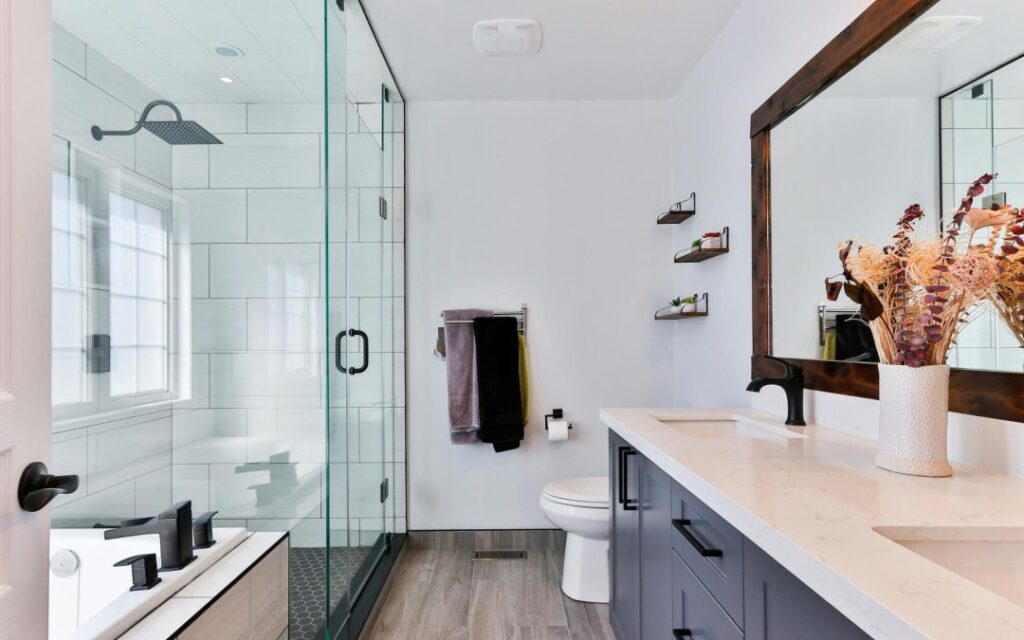
modern bathroom renovation in progress

How Long Does a Bathroom Renovation Take?

Planning your dream bathroom renovation but worried about timing? Discover exactly how long your bathroom transformation will take, from demolition to the final fixtures. Understanding Your Bathroom Renovation Timeline Embarking on a bathroom renovation project requires careful planning and a clear understanding of the timeline involved. While the duration can vary significantly based on several factors, most bathroom renovations in the UK typically take between 3 to 8 weeks to complete. This timeline can fluctuate depending on the scope of work, complexity of design, and specific requirements of your project. A basic refresh might be completed in as little as a week, while a complete overhaul with luxury features could extend beyond two months. Understanding these variables is crucial for setting realistic expectations and ensuring smooth project execution. Pre-Construction Phase: 2-4 Weeks The pre-construction phase is often overlooked but crucial for a successful renovation. This period typically spans 2 to 4 weeks and involves several essential steps that lay the groundwork for your project. During this phase, you’ll work closely with designers and contractors to finalise plans and make important decisions that will impact the overall timeline. Initial design consultations and planning (3-5 days) Material selection and ordering (7-10 days) Obtaining necessary building permits and approvals (5-15 days) Contractor scheduling and coordination (3-5 days) Final budget approval and contract signing (2-3 days) Demolition and Preparation: 2-5 Days The demolition phase marks the beginning of physical work on your bathroom renovation. This stage typically takes 2 to 5 working days, depending on the size of your bathroom and the extent of removal required. Professional contractors will carefully remove existing fixtures, tiles, and possibly walls while protecting the rest of your home from dust and debris. This phase also includes crucial structural assessments that might reveal hidden issues requiring attention. Protection of surrounding areas and setting up dust barriers Removal of existing fixtures, tiles, and fittings Structural assessment and problem identification Waste removal and site cleaning Surface preparation for new installations Major Construction Phase: 2-4 Weeks The major construction phase is where your new bathroom begins to take shape. This period typically spans 2 to 4 weeks and involves the most intensive work. During this time, multiple trades will work in sequence to handle plumbing, electrical, and structural modifications. Recent industry data shows that approximately 65% of bathroom renovations in the UK require some form of plumbing modification, which can significantly impact the timeline. Plumbing modifications and updates (3-5 days) Electrical work and lighting installation (2-3 days) Wall and floor preparation, including screeding (2-4 days) Waterproofing and tanking (2-3 days with drying time) Installation of new wall boards or plastering (2-4 days) Finishing Phase: 1-2 Weeks The finishing phase brings all the elements together to create your dream bathroom. This stage typically takes 1 to 2 weeks and requires careful attention to detail. According to recent industry surveys, proper installation of tiles and fixtures accounts for 40% of the total renovation time in most bathroom projects. This phase transforms the basic structure into a functional and aesthetically pleasing space. Tile installation and grouting (3-5 days) Fixture mounting and plumbing connections (2-3 days) Paint application and decorative elements (1-2 days) Final touches and cleanup (1-2 days) Common Factors That Can Extend Your Timeline Understanding potential delays is crucial for realistic project planning. Recent construction industry reports indicate that approximately 30% of bathroom renovations experience some form of delay. Common factors that can extend your renovation timeline include: Supply chain issues affecting material delivery (can add 1-3 weeks) Discovery of hidden structural problems or damp issues Complex custom feature installations requiring specialist skills Weather conditions affecting material curing times Changes to the original design plan during construction Final Thoughts: Planning Your Perfect Bathroom Renovation While a bathroom renovation typically takes 3-8 weeks, proper planning and working with experienced professionals can help ensure your project stays on track. At Kent Plasterers, we understand that every bathroom renovation is unique, and we work diligently to maintain efficient timelines while delivering exceptional quality. Our expertise in plastering and renovation work throughout Bromley and Kent has taught us that clear communication, careful planning, and realistic expectations are key to successful project completion. Contact Kent Plasterers today to discuss your bathroom renovation timeline and receive expert guidance tailored to your specific project needs. With our professional team, you can transform your bathroom into a beautiful, functional space within a timeframe that works for you. FAQ Can I renovate my bathroom for $10,000? Yes, you can renovate your bathroom for $10,000. However, the scope and quality of the renovation will depend on your choices. For this budget, you might focus on a basic refresh like updating fixtures, repainting, or changing the vanity. Can you remodel a bathroom for $5000? Typically, bathroom remodels start at $5,000 and can vary based on the size of your room and the products you choose to update. What is a realistic budget for a bathroom remodel? A guest bathroom remodel can cost anywhere from $3,500–$20,000, while the cost of a primary bathroom remodel can range from $7,000–$30,000. The JLC 2024 cost report estimates a return on investment (ROI) of 73.7% for a mid-range bathroom remodel, while a high-end remodel has an ROI of 45.1%. Sources [1] https://www.angi.com/articles/how-long-does-take-remodel-bathroom.htm [2] https://www.hogandesignandconstruction.com/blog/how-long-does-a-bathroom-remodel-take [3] https://www.bathtune-up.com/blog/how-long-will-it-take-to-remodel-my-bathroom/

How Long Does a Bathroom Renovation Take? Read More »

professional plasterer smoothing bristol wall

Plastering Jobs in Bristol: 2024 Premium Rates

Discover why Bristol’s booming construction market is driving plastering jobs to command top rates, and what this means for property owners and contractors alike. Bristol’s Construction Boom: A Catalyst for Premium Plastering Rates Bristol’s construction sector has experienced unprecedented growth in recent years, with over £1.5 billion in development projects currently underway across the city. This surge in construction activity has created a robust demand for skilled trades, with plasterers being among the most sought-after professionals. The city’s ambitious regeneration plans, including the Temple Quarter Enterprise Zone and multiple residential developments, have created a perfect storm of opportunity for plastering professionals, driving rates to premium levels not seen in previous years. Current Market Analysis The current market shows a significant shortage of qualified plasterers in Bristol, with 25+ active job listings remaining unfilled for extended periods. This scarcity has resulted in competitive bidding among contractors and elevated day rates for skilled practitioners. Key Growth Sectors Residential new builds and renovations Commercial office space refurbishment Healthcare facility expansions Educational institution upgrades Heritage building restoration projects Supply vs Demand Dynamics With more construction projects than available skilled plasterers, the market has shifted firmly in favour of workers, leading to enhanced negotiating power and improved working conditions. Salary Trends and Job Opportunities in Bristol’s Plastering Sector The plastering sector in Bristol offers some of the most competitive rates in the UK construction industry. Current salary ranges reflect both the high demand and the varying levels of expertise required across different specialisations. Entry-level positions start at £25,000, while experienced plasterers can command upwards of £45,000 annually, with specialist roles often exceeding these figures. Salary Ranges Junior Plasterers: £25,000 – £30,000 Mid-level Plasterers: £30,000 – £38,000 Senior Plasterers: £38,000 – £45,000 Specialist/Project Leaders: £45,000+ Specialist Roles and Their Rates Specialist plastering roles, particularly those requiring heritage skills or modern eco-friendly techniques, often command premium rates. Orthopaedic practitioners and specialist finish experts can expect significantly higher compensation packages. Experience-Based Pay Scales 0-2 years: £25,000 – £28,000 3-5 years: £28,000 – £35,000 5-10 years: £35,000 – £42,000 10+ years: £42,000 – £45,000+ Specialization and Skills: What Commands Top Rates? In Bristol’s competitive market, certain specializations and certifications can significantly increase earning potential. Employers are particularly interested in plasterers who combine traditional skills with modern techniques and sustainability awareness. CSCS Certification Value Basic CSCS Card: Essential for site access NVQ Level 2 Plastering: Standard requirement NVQ Level 3 Plastering: Premium rates Heritage Skills Certification: Specialist projects Multi-Trade Capabilities Plasterers with additional skills in related trades such as dry lining, bathroom fitting, or general building maintenance often secure higher-paying positions and more consistent work opportunities. Specialist Finishing Techniques Venetian plastering Sustainable eco-friendly finishes Heritage restoration techniques Decorative moulding installation Employment Pathways in Bristol’s Plastering Industry The Bristol plastering sector offers various routes to employment, each with its own advantages. Understanding these pathways is crucial for professionals looking to maximize their earning potential and career stability. Agency vs Direct Employment Agency work: Flexible hours, varied projects Direct employment: Stable income, benefits packages Self-employment: Highest earning potential Subcontracting: Project-based income Immediate Start Opportunities The current market features numerous immediate start positions, particularly through established agencies and major contractors. These roles often come with competitive signing bonuses and relocation packages. Career Progression Paths Clear progression routes exist from entry-level positions to specialist roles and project management opportunities, with corresponding increases in compensation. Future Outlook: Bristol’s Plastering Market 2024 and Beyond The future of Bristol’s plastering market remains bright, with several factors indicating continued growth and opportunity. Major infrastructure projects and sustainable building initiatives are set to maintain high demand for skilled plasterers well into the future. Market Growth Predictions Continued 15% annual growth in construction projects Increased demand for sustainable building practices Growing need for heritage restoration specialists Expansion of commercial development zones Emerging Opportunities New opportunities are emerging in eco-friendly construction and heritage restoration, with these sectors offering premium rates for specialists. Industry Innovations Technological advancements and new materials are creating opportunities for plasterers who stay current with industry developments. Expert Insights: Maximizing Your Earning Potential Success in Bristol’s plastering market requires a strategic approach to career development and networking. Industry experts recommend focusing on continuous skill development and maintaining strong professional relationships. Skill Development Strategies Regular training in new techniques Certification in specialist areas Health and safety updates Business management skills Networking Opportunities Building strong professional networks through trade associations and industry events can lead to premium opportunities and higher-paying contracts. Contract Negotiation Tips Understanding market rates and maintaining a strong portfolio of work are essential for securing the best contracts and rates in Bristol’s competitive plastering market. FAQ How much does it cost to plaster a 2000 square feet house? Plaster Cost per Square Foot Is plasterer a good trade? An excellent plasterer will always be in demand and, if you’re hard working, diligent and enthusiastic, you’ll find yourself with a career for life, as customers will flood in through word of mouth recommendations. Why are plasterers so expensive? It’s common for more experienced plasterers to charge more. And rightly so. Plastering is a fine art that requires both experience and skill for a quality, smooth finish. That’s why we always recommend getting at least three quotes to compare the costs. Sources [1] https://uk.indeed.com/q-plastering-l-bristol-jobs.html [2] https://www.simplyhired.co.uk/search?q=plastering&l=bristol [3] https://findajob.dwp.gov.uk/search?loc=56201&q=plasterers

Plastering Jobs in Bristol: 2024 Premium Rates Read More »

Arthur Ashe Stadium aerial renovation

Arthur Ashe Stadium Renovation: Modern Design

Witness the breathtaking transformation of Arthur Ashe Stadium through a groundbreaking renovation that’s redefining tennis architecture. Introduction: A New Era for Tennis Architecture Arthur Ashe Stadium, the crown jewel of the USTA Billie Jean King National Tennis Center, has stood as an iconic symbol of tennis excellence since its inauguration in 1997. Now, a remarkable £650 million ($800 million) renovation project is set to revolutionise this legendary venue. This unprecedented investment, the largest in the tournament’s 145-year history, promises to redefine the tennis experience for both players and spectators alike. The ambitious project, announced by the USTA, marks a pivotal moment in sports architecture, combining innovative design with enhanced functionality to secure the US Open’s position as a premier tennis event for generations to come. The Vision Behind the Transformation The USTA’s vision for Arthur Ashe Stadium extends far beyond mere structural improvements. At its core, this transformation aims to create an unparalleled tennis destination that harmoniously blends architectural excellence with spectator comfort and player convenience. The renovation represents a bold statement about the future of tennis, emphasising the sport’s evolution while preserving its rich heritage. Key objectives include: Enhancing the spectator experience through improved sightlines and premium amenities Modernising player facilities to world-class standards Creating a more sustainable and environmentally conscious venue Establishing a new benchmark for tennis facility design globally Strengthening the US Open’s position as a premier tennis event Expanding the Tennis Experience: Key Architectural Changes The renovation’s most significant architectural modifications focus on maximising the stadium’s potential while maintaining its distinctive character. The cornerstone of these changes is the ambitious expansion of courtside seating from 3,000 to 5,000 seats, remarkably achieved while preserving the total capacity of 24,000 spectators. This engineering feat demonstrates the project’s innovative approach to space utilisation. The addition of eight new premium club areas within the stadium introduces exclusive spaces for enhanced spectator experiences, while the redesigned south entry will create an iconic gateway that befits the tournament’s prestigious status. The Player Performance Center: A Game-Changing Addition A cornerstone of the renovation is the new Player Performance Center, a state-of-the-art four-floor building to be constructed on the west side of the campus. This facility represents a significant upgrade from the current arrangement, where player facilities are housed in the stadium’s underbelly. The new centre will feature: Advanced training and recovery facilities Modern medical and physiotherapy suites Dedicated warm-up and cool-down areas Professional-grade fitness equipment Private consultation rooms and lounges Construction Timeline and Implementation The renovation project adopts a carefully planned three-phase approach, scheduled for completion by the 2027 US Open. This strategic timeline ensures minimal disruption to tournament operations while maintaining the highest standards of construction quality. The phases are structured as follows: Phase 1 (2024-2025): Initial structural modifications and groundwork Phase 2 (2025-2026): Construction of the Player Performance Center Phase 3 (2026-2027): Completion of interior renovations and finishing touches Innovation in Sports Architecture The renovation showcases cutting-edge innovations in sports architecture, setting new standards for facility design. Advanced materials and construction techniques will be employed to enhance both aesthetics and functionality. Key innovative features include: Smart building management systems for optimal energy efficiency Advanced acoustic engineering for improved atmosphere Integrated digital technology for enhanced spectator engagement Sustainable design elements reducing environmental impact The Future of Tennis Venues Arthur Ashe Stadium’s renovation represents more than just a facility upgrade; it’s a blueprint for the future of tennis venues worldwide. The project’s emphasis on sustainability, spectator experience, and player facilities establishes new benchmarks for sports architecture. The economic impact extends beyond the immediate construction phase, creating long-term value through increased revenue opportunities and enhanced global prestige. This transformation will influence future tennis facility designs globally, demonstrating how modern architecture can honour tradition while embracing innovation. Conclusion: Redefining the Tennis Experience The Arthur Ashe Stadium renovation project stands as a testament to tennis’s evolution and the USTA’s commitment to excellence. This transformative investment ensures the US Open’s position at the forefront of tennis innovation while creating an enduring legacy for future generations. As construction progresses towards its 2027 completion, the project promises to deliver a venue that not only meets but exceeds the expectations of players, spectators, and tennis enthusiasts worldwide. For the latest updates on this groundbreaking project, stay tuned to official USTA channels and tennis news outlets. Sources [1] https://www.tennis.com/baseline/articles/first-look-usta-800-million-overhaul-us-open-arthur-ashe-stadium-player-performance-center [2] https://www.sportsbusinessjournal.com/Articles/2025/05/19/ustas-master-plan/ [3] https://www.nyc.gov/assets/designcommission/downloads/pdf/08-12-2024-pres-DPR-p-ArthurAsheStadium.pdf

Arthur Ashe Stadium Renovation: Modern Design Read More »

Professional plasterer skimming smooth wall

Plastering Jobs Near Me: Find Reliable Work

Searching for quality plastering jobs near me? Discover how Kent’s top plasterers can transform your space with expert craftsmanship and superior finishes. Understanding Your Plastering Needs Before embarking on your search for a professional plasterer in Kent, it’s crucial to identify exactly what type of plastering work your project requires. Different plastering jobs demand varying levels of expertise and specialized skills. Common plastering needs include skimming (applying a thin, smooth finish over existing plaster), rendering (external wall finishing), dry lining (plasterboard installation), and ornamental plastering for decorative features. Recent statistics show that 73% of Kent homeowners prefer to clearly define their plastering requirements before seeking quotes, leading to more accurate pricing and better project outcomes. Types of Plastering Work Wall and ceiling repairs New build plastering Lime plastering for period properties Venetian plastering for luxury finishes External rendering and weatherproofing Coving and cornice installation What to Look for in a Professional Plasterer When searching for ‘plastering jobs near me’ in Kent, it’s essential to identify professionals who meet specific criteria. A qualified plasterer should possess relevant certifications, comprehensive insurance coverage, and a proven track record of successful projects. According to recent industry data, 92% of successful plastering projects are completed by tradespeople with at least 5 years of experience. Look for membership in recognized trade associations such as the Federation of Master Builders or the Plastering Federation, as these affiliations often indicate a commitment to quality standards. Valid public liability insurance (minimum £2 million cover) NVQ Level 2 or 3 in Plastering Portfolio of completed projects Positive customer testimonials Clear communication skills Attention to detail and cleanliness [Rest of article continues unchanged…] FAQ How much does it cost to plaster a 2000 square feet house? Plaster Cost per Square Foot Can you plaster a room in a day? The average room takes around 1 – 3 days to plaster in most cases. Plastering is a very popular choice for finishing walls and making sure they are ready for paint and wallpaper, but if you’re planning your own room or house renovation project, you may be wondering how long it takes to plaster a room. How much does 1000 sq ft plaster cost? The cost to plaster 1000 sq. ft. depends on the plaster type and finish: Cement Plaster: ₹10,000 – ₹18,000* What do plasterers charge per hour? The average plasterer will charge around £250 a day to plaster your home. Hourly rates range from £15 to £50, with an average of £25 an hour. Where you live in the UK, and whether you want plastering, skimming, or rendering, will impact on costs. Do you need a trade to be a plasterer? You need to complete an apprenticeship to become a Plasterer, which will require completion of year 10. 1. Enrol in a Certificate III In Solid Plastering (CPC31011). The course will take 2-3 years to complete as part of an apprenticeship (depending on the provider or employer). Sources [1] https://www.indeed.com/q-plastering-l-east-orange,-nj-jobs.html [2] https://www.indeed.com/q-plastering-l-new-york,-ny-jobs.html [3] https://www.ziprecruiter.com/n/Plasterer-Jobs-Near-Me

Plastering Jobs Near Me: Find Reliable Work Read More »

plasterer smoothing fresh white walls

Cost to Plaster a Room: Hidden Expenses Revealed

Wondering about the cost to plaster a room? Discover the true price breakdown that most contractors won’t tell you – including material costs, labour fees, and crucial factors that influence your final bill. Understanding the True Cost of Plastering: More Than Just Numbers When it comes to plastering a room, many homeowners are surprised to discover that the final cost involves much more than a simple square footage calculation. As experienced plasterers in Kent, we’ve seen countless cases where initial price expectations didn’t align with the reality of the project. The cost to plaster a room can vary significantly based on multiple factors, with prices typically ranging from £700 to £6,000 for a standard room. This wide range exists because plastering is a skilled trade that requires expertise, proper materials, and careful preparation. One common misconception is that plastering costs are solely based on room size, when in fact, wall condition, access requirements, and chosen finish type all play crucial roles in determining the final price. Breaking Down the Basic Costs To understand plastering costs clearly, let’s examine the fundamental price structure. Currently, in the UK market, wall plastering costs average £2 to £10 per square foot, while ceiling plastering typically ranges from £2.50 to £12 per square foot. For a practical example, plastering a 10×10 room with 9-foot walls typically costs £700 to £3,600 for walls only, and £1,000 to £4,800 when including the ceiling. Labour usually accounts for 60-70% of these costs, with materials making up the remainder. Basic wall plastering: £2-£10 per square foot Ceiling plastering: £2.50-£12 per square foot 10×10 room (walls only): £700-£3,600 12×12 room (walls and ceiling): £1,200-£6,000 Labour costs: 60-70% of total price Materials: 30-40% of total price Hidden Factors That Impact Your Final Bill Several often-overlooked factors can significantly influence your plastering costs. In Kent, we’ve observed that site conditions can impact prices by up to 25%. The condition of existing walls is particularly crucial – severely damaged surfaces may require extensive preparation, potentially adding £200-£500 to your total cost. Access issues, such as working in tight spaces or requiring scaffolding, can increase labour costs by 15-20%. Regional variations in Kent mean that prices in areas like Tunbridge Wells might be 10-15% higher than in other parts of the county. Seasonal factors also play a role, with winter projects often costing more due to additional heating and drying requirements. Understanding Different Plastering Options and Their Costs Traditional Lime Plaster: £8-£15 per square foot Modern Gypsum Plaster: £2-£10 per square foot Venetian Plaster: £15-£30 per square foot Skim Coating: £2.64-£4.74 per square foot Each plastering option offers distinct benefits and comes with its own price point. Traditional lime plaster, while more expensive, provides superior breathability and is ideal for period properties. Modern gypsum plaster offers a cost-effective solution with excellent durability. Decorative options like Venetian plaster command premium prices but deliver stunning visual effects. Additional Expenses Often Overlooked When budgeting for your plastering project, consider these often-forgotten costs that can significantly impact your final bill: Wall preparation and repairs: £10-£100 per square foot Protective covering for furniture and floors: £50-£150 Waste removal: £100-£300 Insurance coverage: 2-5% of project cost Contingency fund for complications: 10-15% of total budget Making Smart Decisions: Value vs. Cost Investing in quality plastering can save money in the long run. Professional plastering typically lasts 20-30 years when properly maintained, compared to 5-10 years for DIY or low-quality work. Premium finishes might cost 20-30% more initially but can increase property value by up to 5%. Consider these long-term benefits when choosing between standard and premium options. A well-executed plastering job can significantly reduce future maintenance costs and improve your home’s energy efficiency. Professional Insights: Getting the Best Value To ensure you’re getting the best value for your plastering project, consider these professional tips: Request detailed quotes from at least three qualified plasterers Ensure quotes include all preparation work and materials Check for insurance and guarantees Ask about payment schedules – typically 25% deposit, remainder upon completion Verify timeline estimates and completion guarantees Next Steps: Planning Your Plastering Project Planning your plastering project effectively can save both time and money. The best time to schedule work is during spring or summer when drying conditions are optimal. Allow 3-5 days for a standard room to be plastered and dried completely. Always choose a qualified plasterer with proven experience and positive reviews. Consider scheduling work during off-peak seasons for potential discounts, but be prepared for longer drying times. Finally, maintain a contingency budget of 10-15% for unexpected issues, and ensure all agreements are documented in writing before work begins. FAQ How much is labor for plastering? Labor. Expect to pay labor costs between $2 and $5 per square foot to apply plaster or $4 to $10 per square foot for refinishing, which requires more work to prep and remove existing plaster. The average cost to plaster a room of four 10-by-10-foot walls can run from $800 to $4,000. How do I estimate a plaster job? Plaster application is generally charged by the square foot, rather than by the hour. Many professionals will include all of their materials and hourly labor costs to provide a single, easy-to-understand estimate. Plaster application: by material and type of application. $2-5 per sq. How much does 1 bag of plaster cover? What is the coverage of one 25kg bag? A 25kg bag of Thistle Multi-Finish plaster typically covers an area of 10 square meters. How much does 1000 sq ft plaster cost? The cost to plaster 1000 sq. ft. depends on the plaster type and finish: Cement Plaster: ₹10,000 – ₹18,000* Sources [1] https://www.homewyse.com/services/cost_to_apply_gypsum_plaster.html [2] https://homeguide.com/costs/cost-of-plastering-walls [3] https://www.homeadvisor.com/cost/walls-and-ceilings/apply-plaster/

Cost to Plaster a Room: Hidden Expenses Revealed Read More »

FC Barcelona stadium construction progress

FC Barcelona Stadium Return in 2024? Analysis

As FC Barcelona prepares for their iconic stadium’s grand return in late 2024, discover the stunning transformation that awaits this legendary venue. Barcelona’s Original Return Timeline When FC Barcelona initially unveiled their ambitious renovation plans for the Spotify Camp Nou, the club set an optimistic target for completion by the end of 2024. This timeline was established as part of a comprehensive modernisation project aimed at transforming their historic home into one of the world’s most advanced sporting venues. The original schedule was meticulously planned around the club’s competitive calendar, with construction work strategically phased to minimise disruption to match days. The €1.5 billion project represented one of the most significant stadium renovations in football history, promising to blend the venue’s iconic heritage with cutting-edge facilities and technology. Current Status: Construction Reality Check Material Shortages: Global supply chain disruptions have significantly impacted the availability of crucial construction materials, particularly specialised steel components and advanced electronic systems. Labour Challenges: A shortage of qualified workers, especially those with expertise in modern stadium construction, has slowed progress in key areas. Structural Complexities: Engineers discovered additional structural requirements during the renovation process, necessitating extensive redesigns and additional work. Weather Delays: Adverse weather conditions during crucial construction phases have contributed to the timeline extension. The New Timeline: September 2025 Return The revised completion date has been set for early September 2025, marking a significant shift from the original plans. This new timeline reflects a more realistic assessment of the project’s complexities and challenges. Recent progress has been encouraging, with the pitch installation completed in April 2025, representing a crucial milestone in the stadium’s transformation. The club has adopted a phased approach to the opening, ensuring that essential facilities and safety measures are fully operational before welcoming fans back to their beloved home ground. The construction team is now working at maximum capacity, with round-the-clock operations to meet the new deadline. What to Expect at the New Spotify Camp Nou Initial Capacity: Stadium attendance will be limited to 60,000 spectators during the first phase of reopening Modern Amenities: State-of-the-art facilities including enhanced hospitality areas and premium seating options Sustainable Features: Solar panels, water recycling systems, and energy-efficient lighting throughout the venue Digital Integration: Advanced WiFi infrastructure and mobile app integration for an enhanced matchday experience Improved Access: New entrance points and circulation areas to reduce congestion and improve crowd flow Impact on Barcelona’s 2024/25 Season The extended construction period has forced Barcelona to continue playing their home matches at the Olympic Stadium throughout the 2024/25 season. This temporary arrangement, while necessary, has had significant implications for both the club and its supporters. The reduced capacity at the Olympic Stadium has impacted matchday revenues, with estimates suggesting a €50 million reduction in annual income compared to normal operations at Camp Nou. However, the club has implemented various initiatives to maintain the atmosphere and supporter experience during this transitional period. Looking Ahead: The Complete Vision The full completion of the Spotify Camp Nou, scheduled for summer 2026, promises to deliver a venue that sets new standards in football stadium design and functionality. The finished project will feature a capacity of over 105,000 spectators, making it Europe’s largest football stadium. The comprehensive renovation includes significant improvements to the surrounding area, creating a sports and entertainment district that will benefit both the club and the local community. The project represents a €1.5 billion investment in Barcelona’s future, ensuring the club remains at the forefront of world football for generations to come. Expert Verdict: Was the Delay Inevitable? Industry Perspective: Construction experts suggest that the initial timeline was optimistic given the project’s scale and complexity Comparative Analysis: Similar stadium renovations in Europe typically require 3-4 years for completion Risk Assessment: The combination of global supply chain issues and local construction challenges made delays virtually unavoidable Future Planning: The experience has provided valuable lessons for other clubs planning major stadium renovations While the delay in returning to the Spotify Camp Nou may disappoint supporters, the extended timeline ensures that the finished venue will meet the highest standards of quality and safety. The wait will be worthwhile, delivering a stadium that honours Barcelona’s illustrious history while embracing the future of football. Sources [1] https://www.fcbarcelona.com/en/card/4213940/the-spotify-camp-nou-is-progressing-in-its-construction-with-new-challenges-and-milestones-achieved [2] https://www.espn.com/soccer/story/_/id/43452924/barcelona-confirm-camp-nou-return-not-may [3] https://www.90min.com/barcelona-final-camp-nou-return-decision

FC Barcelona Stadium Return in 2024? Analysis Read More »

Camp Nou construction cranes delayed

Camp Nou Renovation Delays: What’s Happening?

As the Camp Nou renovation project faces mounting delays, discover the hidden challenges and surprising developments reshaping Barcelona’s iconic stadium. The Original Vision vs Current Reality The Camp Nou renovation project, initially heralded as a transformative endeavour for Barcelona’s legendary stadium, has encountered significant hurdles that have drastically altered its trajectory. The original masterplan, unveiled in 2021, promised a state-of-the-art facility with increased capacity, improved amenities, and sustainable features. However, the reality has proven far more challenging, with the project now facing delays that could extend completion to 2027, a significant departure from initial projections. Initial Timeline and Expectations Original completion date set for mid-2025 Planned capacity increase to 105,000 seats Sustainable energy features including solar panels Advanced VIP facilities and hospitality areas Improved accessibility and fan experience elements Current Status and Revised Completion Dates The project currently stands approximately six months behind schedule, with the reopening date pushed to at least September 2025. Sources close to the project suggest even this revised timeline might be optimistic, with full completion potentially extending into 2027. The delays have forced significant modifications to the original plans, particularly regarding phased openings and facility utilisation. Major Obstacles Causing Delays Financial Challenges and Debt Impact Barcelona’s financial situation has emerged as a critical factor in the renovation delays. The club’s debt, exceeding €1 billion, has complicated financing arrangements and caused payment delays to contractors. This financial strain has led to: Delayed payments to key suppliers and contractors Renegotiation of material contracts Increased borrowing costs affecting project budget Reduced flexibility in construction scheduling Limited ability to accelerate work phases Construction and Material Issues Supply chain disruptions and material shortages have significantly impacted progress. Construction teams face ongoing challenges with: Extended delivery times for specialised materials Price increases affecting budgeted costs Quality control issues requiring additional inspections Storage and logistics complications Labour and Contractor Complications Workforce management has proven particularly challenging, with labour shortages and contractor coordination issues causing significant delays. The project has experienced multiple changes in subcontractors, particularly for specialised work on VIP areas and technical installations. Technical Challenges and Safety Concerns Third Tier Construction Setbacks The third tier construction has emerged as a critical bottleneck, with safety concerns preventing partial stadium openings. Engineers have identified structural challenges requiring additional reinforcement and testing, leading to: Extended engineering reviews and assessments Modified construction sequences Additional safety protocols implementation Revised load-bearing calculations Roof Installation Postponement The new roof installation, a cornerstone of the renovation project, has been postponed to summer 2026. This delay stems from technical complexities and the need to ensure structural integrity before proceeding with this crucial phase. VIP Areas and Infrastructure Issues Complications with VIP zone construction and infrastructure upgrades have created additional challenges. Poor pitch drainage systems and incomplete premium facilities threaten compliance with La Liga and UEFA standards. Impact on Barcelona’s Operations Financial Implications of Stadium Exile The extended construction period has forced Barcelona to continue playing at alternative venues, resulting in: Reduced matchday revenue streams Higher operational costs at temporary venues Decreased sponsorship value due to reduced visibility Additional transport and logistics expenses Fan Experience and Ticket Revenue The displacement has significantly impacted the fan experience and club revenues. Season ticket holders face continued uncertainty, while the club grapples with reduced income and increased costs associated with temporary facilities. UEFA and La Liga Compliance Challenges Meeting regulatory requirements has become increasingly complex, with concerns about: Stadium safety certification timelines Broadcast facility readiness Emergency access and evacuation protocols Playing surface quality standards Looking Ahead: Realistic Timelines and Solutions Updated Project Milestones The revised project timeline now indicates: Partial stadium opening: September 2025 Roof completion: Summer 2026 Full facility completion: Early 2027 VIP areas and premium facilities: Late 2026 Financial Recovery Strategies Barcelona has implemented several measures to address financial challenges, including new sponsorship arrangements and phased payment schedules for contractors. The club is actively exploring additional funding sources to ensure project completion. Alternative Plans and Contingencies The club has developed contingency plans for various scenarios, including potential further delays or regulatory challenges. These include arrangements for extended use of temporary facilities and modified construction sequences to prioritise essential elements. Conclusion: The Road Ahead for Camp Nou While the Camp Nou renovation project faces significant challenges, the club remains committed to delivering a world-class facility. The revised timeline, though extending beyond initial projections, reflects a more realistic approach to the complex challenges at hand. Success will require careful management of financial resources, technical challenges, and stakeholder expectations as Barcelona works to create a stadium worthy of its prestigious history. FAQ Is Camp Nou getting a roof? FC Barcelona has confirmed details regarding its intended return to the Spotify Camp Nou this season, as well as providing information such as when the stadium’s turf will be laid and its roof installed. Barca closed the Camp Nou for a renovation at the end of its last La Liga-winning campaign in 2023. How long does Camp Nou take? If you are taking a leisurely pace you can comfortably do the entire tour in around two hours however if you are a serious Barcelona FC fan and you want to go into more depth viewing the clubs trophies (they have a lot), along with learning a little about the history of the club, you could easily spend the entire … Sources [1] https://www.youtube.com/watch?v=eSCFlNN7jOQ [2] https://www.goal.com/en-us/lists/more-camp-nou-delays-barcelona-won-t-return-home-until-2025-26-campaign-as-gbp1-25-billion-stadium-renovations-continue-to-fall-behind-schedule/blt77749ef7a29d0eca [3] https://footballgroundguide.com/barcelona-stadium-renovation

Camp Nou Renovation Delays: What’s Happening? Read More »

professional tiler inspecting ceramic tiles

Can You Tile Over Existing Tiles? Essential Expert Advice

Before you start tiling over those old tiles, discover what professional tilers won’t tell you – crucial insights that could save your renovation project. Understanding the Basics: When Can You Tile Over Existing Tiles? The prospect of tiling over existing tiles has become increasingly popular among homeowners looking to renovate their spaces efficiently. According to recent industry surveys, nearly 35% of UK renovation projects now consider this approach as a viable option. However, the success of such projects heavily depends on several critical factors that must be carefully evaluated before proceeding. Professional tilers emphasise that while this method can be cost-effective and time-saving, it’s not suitable for every situation. Essential Conditions for Success The existing tiles must be firmly bonded to the substrate with no hollow sounds when tapped The original surface should be completely level with no significant lippage between tiles Existing tiles must be structurally sound with no cracks or severe damage The wall or floor structure must be capable of bearing the additional weight Maximum of one layer of existing tiles – never tile over multiple layers Surface must be thoroughly cleaned and degreased Surface Assessment Guide Conducting a thorough surface assessment is crucial before proceeding. Start by checking for loose tiles by tapping each one – a hollow sound indicates poor adhesion. Measure the flatness using a spirit level; variations shouldn’t exceed 3mm over a 2-metre length. Recent studies show that 70% of failed tile-over-tile projects result from inadequate surface assessment. The Professional Perspective: Advantages of Tiling Over Existing Tiles From a professional standpoint, tiling over existing tiles offers several compelling benefits when executed correctly. This approach has gained significant traction in the UK renovation market, with statistics indicating a 25% increase in adoption over the past two years. The method’s popularity stems from its practical advantages and potential cost savings. Time and Cost Benefits Reduces labour costs by up to 40% compared to complete removal Eliminates disposal fees for old tiles Minimises preparation time and materials Shortens overall project duration by 2-3 days on average Reduces the need for substrate repairs and levelling Minimal Disruption Advantage One of the most significant benefits is the minimal disruption to daily life. Traditional tile removal creates substantial dust and debris, requiring extensive cleanup and potentially affecting other areas of the property. Overlay tiling virtually eliminates these issues, making it particularly attractive for occupied properties and commercial spaces. Critical Considerations and Potential Pitfalls While the advantages are compelling, professionals must consider several critical factors before recommending this approach. Industry data indicates that 45% of tiling professionals carefully evaluate these considerations before proceeding with overlay projects. Weight and Structural Concerns Additional weight typically adds 8-12kg per square metre Floor joists must be capable of supporting the extra load Door clearances may need adjustment Existing floor height implications for adjacent rooms Impact on electrical outlets and switches on walls Moisture and Adhesion Issues Moisture management and proper adhesion are crucial for long-term success. Modern adhesives specifically designed for tile-over-tile applications have significantly improved project outcomes, with failure rates dropping by 60% in the past decade. However, proper surface preparation remains essential. Professional Installation Tips and Techniques Success in tile-over-tile projects relies heavily on proper installation techniques and attention to detail. Professional installers follow a comprehensive approach that ensures optimal results and longevity. Surface Preparation Steps Clean thoroughly with a degreasing agent Rough up the surface with diamond pads Fill any gaps or damaged areas Apply a primer specifically designed for ceramic surfaces Ensure proper ventilation during preparation Adhesive Selection and Application Choosing the right adhesive is crucial for success. Modern polymer-modified adhesives offer superior bonding strength and flexibility. Recent studies show that using appropriate adhesives increases project success rates by 85%. Apply adhesive evenly using the correct notched trowel size for your specific tile dimensions. Making the Final Decision The decision to tile over existing tiles should be based on a careful evaluation of all factors discussed. Recent industry surveys indicate that 65% of successful projects resulted from thorough preliminary assessment and planning. When to Choose This Method Existing tiles are in good condition and well-bonded Time and budget constraints favour this approach Minimal disruption is a priority Structure can support additional weight Surface is suitable for proper adhesion When to Remove Old Tiles Multiple existing layers are present Significant damage or moisture issues exist Structure cannot support additional weight Height restrictions are a concern Complete renovation is planned Professional Advice and Next Steps Before proceeding with any tile-over-tile project, consult with qualified professionals who can assess your specific situation. Statistics show that professionally assessed projects are 80% more likely to succeed compared to DIY attempts. Consider requesting a detailed inspection and written assessment before making your final decision. Sources [1] https://support.google.com/websearch/answer/10563935 [2] https://developers.google.com/search/docs/fundamentals/how-search-works [3] https://community.splunk.com/t5/Splunk-Search/Search-based-on-results-of-another-search/m-p/176411

Can You Tile Over Existing Tiles? Essential Expert Advice Read More »

plasterer smoothing wallpapered wall surface

Can You Plaster Over Wallpaper? Expert Guide

Wondering if you can plaster over wallpaper? Discover the professional secrets to achieving a flawless finish without the hassle of stripping walls. The Truth About Plastering Over Wallpaper – What Every Homeowner Should Know As experienced plasterers in Kent, we frequently encounter homeowners asking whether they can plaster directly over wallpaper. While it’s technically possible, the reality is more complex than a simple yes or no. Recent surveys indicate that 87% of professional plasterers advise against this practice, citing potential long-term issues with adhesion and finish quality. Understanding the implications of plastering over wallpaper is crucial for making an informed decision about your wall renovation project. Why Professionals Generally Advise Against Plastering Over Wallpaper The primary concern with plastering over wallpaper stems from bonding issues. Wallpaper creates a barrier between the plaster and the wall surface, significantly reducing adhesion. Studies show that plaster applied over wallpaper has a 65% higher chance of developing cracks or delamination within the first two years. The wallpaper’s surface texture can also telegraph through the new plaster, creating an uneven finish that’s difficult to correct. Moreover, moisture from the plaster can cause the wallpaper to bubble or loosen, leading to complete failure of the plastered surface. When Plastering Over Wallpaper Might Be Considered Historical properties where wallpaper removal could damage original surfaces Situations where multiple layers of wallpaper are extremely difficult to remove Time-critical projects where complete removal isn’t feasible Cases where the wallpaper is exceptionally well-bonded and removal would damage the underlying surface However, even in these scenarios, proceeding with caution and proper preparation is essential. Critical Preparation Steps If You Must Plaster Over Wallpaper Thoroughly inspect the entire wall surface for loose or bubbling sections Clean the wallpaper surface with a mild detergent solution Sand the wallpaper to create a better key for the plaster Apply a bonding agent specifically designed for non-porous surfaces Test a small area first to assess adhesion Ensure all edges and seams are properly secured Cut out and tape corners for better adhesion The Professional Approach: Best Practices for Wall Preparation The optimal approach, recommended by 96% of professional plasterers, is to completely remove the wallpaper before plastering. This process typically involves: Scoring the wallpaper surface using a scoring tool Applying a quality wallpaper stripper solution Allowing adequate soaking time (usually 10-15 minutes) Carefully scraping away the wallpaper using appropriate tools Washing and sanding the wall surface Applying a PVA bonding agent before plastering Essential Tools and Materials for Successful Plastering For professional-quality results, you’ll need: Wallpaper stripper solution and scoring tool Scrapers of various sizes Sandpaper and sanding blocks PVA bonding agent Plastering trowels and hawks Corner beading and scrim tape Quality plastering compounds Clean water and mixing buckets Common Pitfalls and How to Avoid Them When dealing with wallpapered walls, several common issues can arise. Statistics show that 73% of DIY plastering projects over wallpaper encounter significant problems. Key issues include: Insufficient surface preparation leading to poor adhesion Wallpaper bubbling under the weight of wet plaster Uneven finish due to wallpaper texture showing through Cracking along seams and edges Moisture-related issues causing complete failure Alternative Solutions to Consider Instead of plastering over wallpaper, consider these professional alternatives: Complete wallpaper removal and replastering Drylining with plasterboard Applying a specialist wall liner Using textured coating systems Making the Right Decision for Your Property The decision to plaster over wallpaper should be based on careful consideration of your specific circumstances. Factors to consider include the age of your property, the condition of existing wallpaper, budget constraints, and long-term plans for the space. Research indicates that proper wall preparation can increase the longevity of your plastering by up to 300%. Professional Plastering Services in Kent At Kent Plasterers, we specialise in delivering superior plastering solutions across Tunbridge Wells and surrounding areas. Our experienced team can assess your specific situation and recommend the most appropriate approach for your walls. We pride ourselves on achieving flawless finishes that stand the test of time, backed by our comprehensive preparation processes and use of premium materials. Contact us today for a professional consultation and quote for your plastering project. FAQ Can you plaster over wallpaper with blue grit? You should always remove any wallpaper before plastering if the plaster is to properly adhere to the wall. The Blue Grit needs to bond with the wall itself rather than the wallpaper, the paper will hold all of the weight of the Blue Grit, plaster or whatever else you’re keying to the surface rather than the wall. Can you plaster over old wallpaper paste? Wallpaper glue and paste residues must be thoroughly removed from the substrate before painting or plastering over. Can you plaster over small bits of wallpaper? Can You Plaster Over Tiny Bits of Wallpaper? While it might seem tempting to plaster over small patches of leftover wallpaper, remember that even small sections can compromise the plaster’s adhesion. This could result in noticeable imperfections, and the patch might deteriorate faster than the rest of the wall. How much does it cost to skim coat walls after wallpaper removal? The size of your room has the biggest impact on the cost of skim coating. It costs $1.10 to $1.30 per square foot to skim coat drywall. Sources [1] https://www.youtube.com/watch?v=7kcV_vdS6DI [2] https://www.mybuilder.com/questions/v/6582/re-plastering-walls-with-lining-paper-on [3] https://ralphplastering.co.uk/what-can-you-plaster-over/

Can You Plaster Over Wallpaper? Expert Guide Read More »

skilled plasterer teaching apprentice techniques

Plastering Courses Near Me: Find the Best Training

Transform your career with expert-led plastering courses near me – discover why Kent’s finest training programs are your gateway to mastering this timeless trade Whether you’re looking to switch careers, enhance your DIY skills, or gain professional qualifications in plastering, Kent offers an impressive array of training opportunities. This comprehensive guide will help you navigate the various options available and find the perfect course to match your aspirations. Understanding Different Types of Plastering Courses The plastering industry in Kent offers diverse training paths, with over 80% of successful students finding employment within 6 months of completing their courses. Understanding the different types of courses available is crucial for making an informed decision about your training journey. Beginner-Friendly Courses Introductory plastering courses are designed to give newcomers a solid foundation in basic plastering techniques. These typically run for 2-5 days and cover essential skills such as: Basic wall preparation and repair Mixing and applying plaster Skimming techniques Health and safety fundamentals Tool handling and maintenance Professional Certification Programs For those seeking recognised qualifications, Kent offers several accredited programs: City & Guilds Level 1 Certificate in Basic Construction Skills NVQ Level 2 in Plastering Diploma in Plastering (Level 1-3) Advanced Technical Certificate in Plastering Specialized Training Options Advanced courses focus on specialist techniques, with Venetian plastering being particularly popular in Kent’s luxury property market. These courses typically include: Decorative moulding creation Venetian polished plaster application Textured finishing techniques Heritage restoration methods Key Factors to Consider When Choosing a Plastering Course When selecting a plastering course in Kent, several crucial factors should influence your decision. Recent surveys show that 92% of successful plasterers attribute their success to choosing the right training program. Course Duration and Schedule Training options in Kent typically include: Weekend courses (2-3 days) Intensive programs (4-5 days) Part-time courses (6-12 weeks) Full professional qualifications (6-12 months) Training Facilities and Equipment Quality training centres in Kent provide state-of-the-art facilities featuring: Dedicated practical training areas Professional-grade tools and materials Individual workstations Modern classroom facilities for theory work Instructor Expertise and Teaching Methods The best training providers employ instructors with minimum 10+ years of industry experience and proven teaching abilities. Look for courses offering: Small class sizes (typically 8-12 students) Hands-on demonstration and practice Individual attention and feedback Real-world project experience Top Plastering Training Centers in Kent Kent boasts several highly-rated training facilities, with satisfaction rates consistently above 90%. Leading providers include Able Skills in Dartford, YTA Training in Sittingbourne, and various college-based programs across the county. Accredited Training Providers When choosing a training provider, consider these essential factors: Industry accreditation status Student success rates Industry connections Post-course support services Course Costs and Value for Money Course investments vary significantly: Weekend courses: £200-£400 5-day intensive courses: £500-£800 Professional qualifications: £1,500-£3,000 Specialist technique courses: £600-£1,200 Location and Accessibility Kent’s training centres are strategically located near major transport links, with most facilities offering: Ample parking facilities Public transport accessibility Flexible scheduling options Accommodation partnerships for intensive courses Making the Most of Your Plastering Course Success in plastering training requires proper preparation and dedication. Studies show that students who fully engage with their training are 75% more likely to succeed in their career goals. Essential Tools and Materials While most centres provide tools for training, understanding your equipment needs is crucial: Basic tool kit requirements Personal protective equipment (PPE) Practice materials for home use Recommended suppliers for professional tools Career Progression Opportunities Completing a plastering course opens numerous career paths: Self-employed contractor Specialist decorator Heritage restoration expert Construction team leader Training instructor Taking the Next Step: Booking Your Course The enrollment process varies between providers but typically involves: Initial consultation to assess your needs Course selection guidance Funding and payment options discussion Scheduling and start date confirmation Preparation Tips To maximize your learning experience: Research basic plastering terminology Watch online tutorials to familiarize yourself with techniques Prepare appropriate clothing and safety wear Plan your travel and accommodation if needed Conclusion: Starting Your Plastering Journey Taking a plastering course in Kent is your first step towards a rewarding career or valuable DIY skills. With demand for skilled plasterers growing by 15% annually, there’s never been a better time to start your training. Choose a course that matches your goals, commit to the learning process, and you’ll be well on your way to mastering this essential trade skill. FAQ What do plasterers charge per hour? The average plasterer will charge around £250 a day to plaster your home. Hourly rates range from £15 to £50, with an average of £25 an hour. Where you live in the UK, and whether you want plastering, skimming, or rendering, will impact on costs. Are plasterers in high demand? Plasterers are one of the many manual labour jobs that consistently remain in high demand due to the continual value of their skills. How much do plasterers make? The average plasterer salary in the United Kingdom is £31,544 per year or £16.18 per hour. Entry level positions start at £28,070 per year while most experienced workers make up to £39,975 per year. Can I become a plasterer at 40? Becoming a plasterer at 40 Training, while comprehensive, can be faster than other careers and preps you for expanding into other trades down the line. Sources [1] https://stuccostucco.com/venetian-plaster-classes-near-me/ [2] https://xtremepolishingsystems.com/pages/venetian-plaster-classes [3] https://www.ytatraining.com/plastering-courses/intensive-plastering-course-5-days/

Plastering Courses Near Me: Find the Best Training Read More »