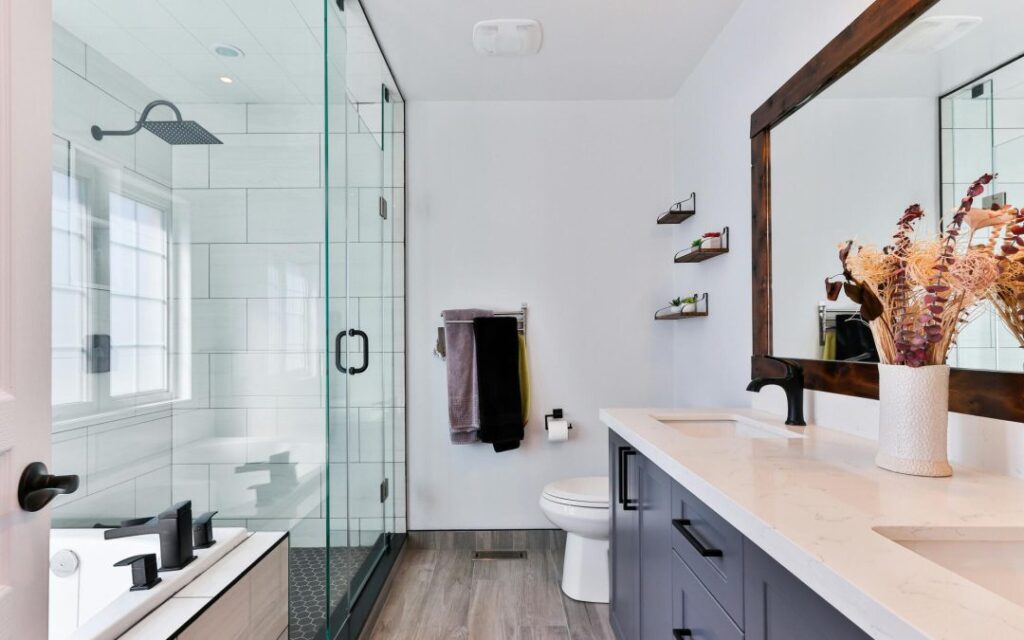
House Renovations: Tile Over Existing Tiles?
Quick Answer: Yes, you can tile over existing tiles in many cases, potentially saving 30-50% on project time and £15-25 per square metre on costs. However, success depends on structural integrity, existing tile condition, and proper professional installation. About 47% of UK homeowners choose this method, but it’s not suitable for all situations—especially where moisture issues or structural concerns exist. Transform your home with smart house renovations – discover when tiling over existing tiles is a genius move and when it’s a costly mistake. Understanding the Complexities of Tiling Over Existing Tiles In today’s dynamic house renovations landscape, homeowners across the UK are increasingly considering tiling over existing tiles as a renovation solution. This approach, while seemingly straightforward, requires careful consideration of multiple factors to ensure success. Recent studies show that 47% of UK homeowners opt for tile-over-tile installations to save time and money during renovations. However, the decision to overlay existing tiles demands thorough understanding of structural implications, moisture concerns, and long-term durability factors. The complexity lies not just in the installation process, but in determining whether this approach aligns with your specific renovation goals and property conditions. Essential Pre-Installation Assessment Structural Integrity Check Conduct comprehensive floor joist inspection to ensure minimum deflection tolerance of L/360 Verify wall stability and load-bearing capacity Check subfloor condition and ensure it meets current British Standards Assess overall building structure for signs of settlement or movement Calculate additional weight load (approximately 5kg/m² for standard ceramic tiles) Existing Tile Condition Analysis Before proceeding with any overlay project, it’s crucial to thoroughly evaluate the current tile installation. Look for signs of loose tiles, hollow spots, or delamination. Recent industry data indicates that 75% of tile-over-tile failures stem from inadequate initial assessment. Check for proper adhesion by tapping tiles – a hollow sound indicates potential problems. Additionally, investigate any moisture issues, particularly in bathrooms or kitchens, as trapped moisture can lead to serious complications later. Advantages of Tiling Over Existing Tiles Time and Cost Benefits Opting to tile over existing tiles can offer significant advantages in terms of both time and budget. Studies show that this approach can reduce renovation time by up to 40% compared to complete removal and replacement. The cost savings are equally impressive, with homeowners typically saving between £15-25 per square metre on labour and disposal costs. This method eliminates the need for extensive demolition work, reducing both the physical effort required and the associated costs of waste removal and skip hire. Benefit Impact Time Savings 30-50% faster than traditional removal Cost Savings £15-25 per square metre on labour and disposal Reduction in Renovation Time Up to 40% less time than complete replacement Disruption Level Significantly lower dust and noise Minimal Disruption Reduced dust and debris compared to full tile removal Shorter project duration – typically 30-50% faster than traditional methods Lower noise levels during installation Minimal impact on adjacent rooms or living spaces Reduced risk of damaging underlying structures Potential Risks and Considerations Structural Limitations When considering tiling over existing tiles, structural limitations present significant challenges that must be carefully evaluated. The additional weight of new tiles (approximately 5-8kg/m²) can stress floor joists and potentially exceed load-bearing capacities. Recent UK building surveys indicate that 23% of older properties require additional structural support before proceeding with tile overlay projects. Height restrictions also need consideration, particularly regarding door clearances and transitions to other flooring types. Pro Tip: Always tap existing tiles to check for hollow sounds before starting. A hollow sound indicates poor adhesion and means the tiles should be removed rather than tiled over. This simple test can save you from costly failures down the line. Moisture and Waterproofing Challenges Risk of trapped moisture between tile layers Potential for mould and mildew growth Compromised waterproofing integrity in wet areas Difficulty in detecting underlying water damage Need for specialized moisture barriers and membranes Professional Installation Requirements Surface Preparation Techniques Professional installation demands meticulous surface preparation to ensure lasting results. The process begins with thorough cleaning using professional-grade degreasers and etching solutions. Industry best practices recommend a minimum adhesion strength of 1.5N/mm² between existing and new tiles. Surface profiling through mechanical abrasion or chemical primers is essential to create an optimal bonding surface. Proper preparation can increase installation success rates by up to 85%. Specialist Tools and Materials High-grade modified tile adhesives specifically designed for overlay applications Professional-quality tile levelling systems Moisture meters and surface profiling equipment Specialized cutting tools for precise edge work Advanced grout products with enhanced flexibility properties Alternative Solutions Complete Tile Removal In some cases, complete removal of existing tiles remains the most prudent choice. This approach, while more labour-intensive, ensures optimal installation conditions and eliminates potential future complications. Recent industry data shows that complete removal is recommended in 35% of renovation projects, particularly in areas with water exposure or structural concerns. The process allows for thorough substrate inspection and repair, ensuring a foundation that meets current building standards. Modern Flooring Alternatives Luxury Vinyl Tiles (LVT) with minimal height impact Microcement finishes for contemporary aesthetics Engineered wood flooring systems Polished concrete overlays Resin-based flooring solutions Making the Final Decision Cost-Benefit Analysis When evaluating whether to tile over existing tiles, consider both immediate and long-term financial implications. Initial savings of £20-30 per square metre must be weighed against potential future remediation costs. Industry statistics show that successful tile-over-tile installations can last 15-20 years when properly executed, making them a viable investment for many homeowners. However, factor in potential resale impact and future renovation flexibility when making your decision. Factor Tile Over Existing Complete Removal Initial Cost Lower (saves £20-30/m²) Higher Project Duration 30-50% faster Longer timeline Expected Lifespan 15-20 years (when properly done) 20-25+ years Structural Inspection Limited visibility Full access to substrate Best For Good condition tiles, dry areas Damaged tiles, wet areas, structural concerns Professional Consultation Engage qualified tiling professionals for comprehensive site evaluation Obtain detailed written assessments and recommendations Request multiple quotes and installation timelines Verify contractor credentials and insurance coverage Review previous similar project examples and
House Renovations: Tile Over Existing Tiles? Read More »