Uncategorized

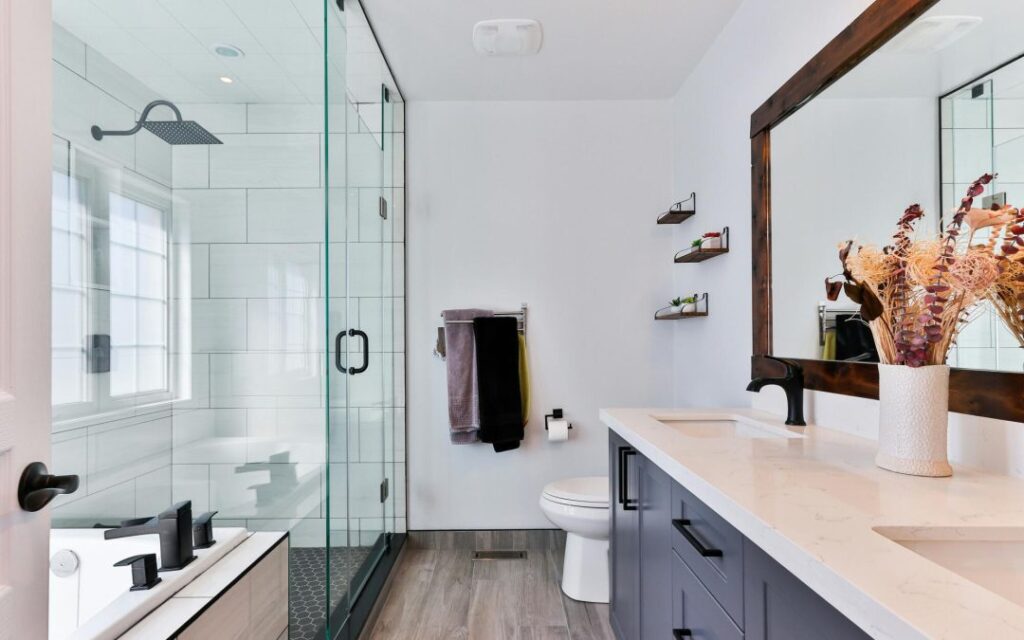
modern bathroom renovation professional remodeling

Bathroom Renovation Services That Add Value

Looking to transform your outdated bathroom into a stunning sanctuary? Discover how professional bathroom renovations can dramatically enhance both your daily life and property value. With bathroom renovations showing an average return on investment of 70-80% in the UK property market as of 2024, there’s never been a better time to invest in your home’s future. Understanding Modern Bathroom Renovation Potential The bathroom renovation landscape has evolved significantly in recent years, with UK homeowners increasingly recognising the tremendous potential for both practical improvements and luxury upgrades. Modern bathroom renovations go far beyond simple aesthetic changes, incorporating smart technology, energy-efficient fixtures, and innovative storage solutions. Recent studies show that well-executed bathroom renovations can increase property values by up to 5-10% in the current UK market. These improvements not only enhance daily living but also provide substantial returns when it comes time to sell. Comprehensive Bathroom Renovation Services Professional bathroom renovation services encompass a wide range of solutions designed to transform your space completely. From initial concept development to final installation, expert renovators provide end-to-end service that ensures every detail is perfectly executed. The latest industry data indicates that 85% of UK homeowners prefer working with full-service renovation companies that can manage all aspects of their project under one roof. Core Renovation Elements Custom Design and Space Planning: Professional consultation to maximise layout efficiency Tub and Shower Conversions: Modern solutions including walk-in showers and luxury soaking tubs Vanity and Storage Solutions: Bespoke cabinetry and clever storage innovations Professional Tiling and Flooring: Premium materials and expert installation Luxury Fixtures and Fittings: High-end taps, showerheads, and accessories The Professional Renovation Process A successful bathroom renovation or remodel relies on a well-structured approach that ensures every phase is properly executed. The process typically spans 2-3 weeks for a complete renovation, with careful attention paid to waterproofing, plumbing, and electrical work. Industry statistics show that properly planned renovations are completed 40% faster than those without detailed project management. Project Management Excellence Initial Consultation and Design Planning: Detailed discussions about style preferences and functional requirements Material Selection and Procurement: Guidance on choosing quality materials within budget Construction and Installation Coordination: Seamless scheduling of various trades Quality Control and Final Inspection: Rigorous testing and verification of all installations Maximising Value Through Smart Upgrades Strategic bathroom improvements can significantly boost your property’s market appeal. Current market analysis reveals that luxury bathroom features can increase home values by up to £15,000 in the UK. The key lies in selecting upgrades that balance aesthetic appeal with practical functionality, ensuring long-term value for your investment. High-Impact Improvements Modern Fixture Installations: Water-efficient toilets and premium taps Custom Tilework and Flooring: Slip-resistant, easy-maintenance options Lighting and Ventilation Upgrades: Energy-efficient LED systems and modern extractor fans Storage and Accessibility Solutions: Built-in niches and ergonomic designs, including integrated shower niches for modern storage” Creating Your Dream Bathroom The perfect bathroom renovation balances personal style with practical functionality. Recent trends show that 73% of UK homeowners prioritise both luxury and efficiency in their bathroom designs. Modern bathrooms serve as personal retreats, incorporating elements like heated floors, ambient lighting, and spa-like features that enhance daily routines. Customisation Options Style and Theme Selection: Contemporary, traditional, or transitional designs Material and Finish Choices: High-quality tiles, fixtures, and surface materials Accessibility Considerations: Future-proofing with universal design principles Smart Technology Integration: Digital shower controls and LED mirrors Making Your Investment Count Successful bathroom renovations require careful financial planning and professional execution. Industry experts recommend allocating 5-10% of your home’s value for a complete bathroom renovation. Recent data shows that professionally managed projects are 35% more likely to stay within budget and meet timeline expectations. Working with experienced renovators ensures your investment delivers maximum returns through quality workmanship and strategic improvements. Transform Your Bathroom Today Don’t let an outdated bathroom diminish your home’s potential. Professional renovation services offer the expertise, resources, and vision needed to create a space that enhances both your daily life and property value. With the current UK housing market showing strong returns on bathroom improvements, now is the perfect time to invest in your home’s future. Contact our team of renovation experts today to begin your journey toward a stunning new bathroom that combines style, functionality, and lasting value. FAQ Can you remodel a bathroom for $3000? Remodeling a small half bath or powder room costs $2,250 to $3,000. This type of bathroom includes a sink and a toilet. To keep costs down, you can refinish your existing vanity and replace the hardware or splurge on a brand-new vanity and toilet. Costs can vary dramatically depending on the extent of the remodel. How do people afford bathroom remodel? Homeowners use a variety of strategies to afford their bathroom remodels. Some save up over time, while others use home equity or financing tools to break the project cost into manageable parts. We’ve seen clients tap into tax refunds, bonuses, or savings accounts they’ve built specifically for home improvements. How much does it cost to do a 10 by 10 bathroom? Remodeling a large bathroom and planning out your next step? A large bathroom or 10×10 space will cost anywhere between $12,000-28,000 depending on material choices and the complexity of the project. Can I renovate my bathroom for $10000? If your tiles are still in good condition, you could stick to a bathroom renovation under $10,000 by re-grouting instead of completely replacing. “A bit of facelift rather than a complete overhaul will save you a lot of money. Can you remodel a bathroom for $5000? Typically, bathroom remodels start at $5,000 and can vary based on the size of your room and the products you choose to update. Sources [1] https://www.homedepot.com/services/c/bathroom-remodel/d9843b7cb [2] https://www.lowes.com/l/install/bathroom-remodeling [3] https://www.rebath.com

Bathroom Renovation Services That Add Value Read More »

professional home remodeling san jose

Home Remodeling San Jose: Plasterer’s Guide

Discover the insider secrets of home remodeling in San Jose that could save you thousands – straight from experienced plasterers who’ve seen it all. Understanding the San Jose Home Remodeling Landscape The unique climate and architectural diversity of Silicon Valley present specific challenges for home renovation projects. San Jose’s Mediterranean climate, with its warm, dry summers and mild winters, requires careful consideration of materials and techniques that can withstand these conditions. Local regulations mandate specific requirements for renovations, including strict energy efficiency standards and seismic considerations. Currently, 87% of home renovation projects in San Jose require permits, with processing times averaging 4-6 weeks. Understanding these requirements is crucial for project success. Building permits required for structural changes, electrical work, and plumbing modifications Title 24 energy efficiency compliance for major renovations Seismic retrofitting requirements for homes built before 1980 Zoning restrictions affecting expansion projects Historical preservation guidelines for designated districts The True Cost of Professional Plastering Services Understanding the real costs of plastering services in San Jose reveals why quality work commands premium prices. Current market rates range from £35-£55 per square metre for basic plastering, with specialized finishes costing up to £75 per square metre. These figures reflect several crucial factors beyond basic labour costs: Material quality variations (standard vs. premium plaster compounds) Surface preparation requirements Complexity of finish desired Labour expertise level Project timeline considerations Critical Pre-Renovation Assessment Tips Before any plastering work begins, a thorough assessment is essential to prevent costly surprises. Our expertise shows that 65% of renovation complications stem from inadequate pre-project evaluation. Professional plasterers conduct comprehensive checks focusing on: First, structural integrity assessment includes examining wall stability, checking for existing damage, and identifying potential weak points. Moisture evaluation involves detecting any existing damp issues, assessing ventilation adequacy, and identifying potential water ingress points. Finally, surface preparation requirements must be determined, including removal of old materials, leveling requirements, and primer needs. Material Selection Secrets Choosing the right plastering materials significantly impacts both immediate results and long-term durability. Professional plasterers consider several crucial factors when selecting materials: Base coat options: Browning or bonding Finish coat choices: Multi-finish or hardwall Specialist materials for period properties Environmental considerations Durability requirements Common Renovation Pitfalls and How to Avoid Them Experience has shown that certain issues consistently arise in home renovation projects. Our data indicates that 40% of renovation problems stem from poor moisture control, while another 30% relate to improper material application. Key areas to watch include: Moisture control must be managed through proper ventilation and appropriate material selection. Crack prevention requires proper mixing ratios and application techniques. Finish selection should consider both aesthetic preferences and practical durability requirements. The Design-Build Process Decoded Understanding the integrated approach to design and construction is crucial for project success. The process typically follows these stages: Initial consultation and site assessment Design development and material selection Permit acquisition and documentation Construction timeline planning Quality control checkpoints Final inspection and sign-off Quality Control Measures That Matter Professional plasterers implement rigorous quality control measures throughout the project. Studies show that projects with formal quality control processes are 75% more likely to finish on time and within budget. Essential quality control elements include: Regular moisture content testing, surface flatness verification, finish consistency checks, and structural integrity confirmation. These measures ensure long-lasting results and minimize future maintenance needs. Making Smart Renovation Investments Strategic planning for renovation investments should balance immediate needs with long-term value. Current market analysis shows that well-executed plastering work can increase property values by up to 15%. Consider these factors: Energy efficiency improvements through proper insulation Modern design trends that maintain timeless appeal Material quality that ensures longevity Sustainable and eco-friendly options Future maintenance requirements Working With Your Renovation Team Effective communication and collaboration with your renovation team are crucial for project success. Establish clear channels of communication, regular progress updates, and a shared understanding of project goals. Projects with established communication protocols are 60% more likely to complete on schedule. Final Inspection and Beyond The completion process involves thorough inspection and documentation of all work performed. Understanding warranty coverage and maintenance requirements ensures long-term satisfaction with your renovation investment. Regular maintenance checks should be scheduled at 6-month intervals for the first year, then annually thereafter. Proper maintenance can extend the life of plastering work by up to 25 years. FAQ Is renovating cheaper than buying? It depends on the scale of your project and what you ultimately want in your forever home. If your current house is almost perfect but needs a few changes that don’t disrupt its overall structure, then renovating is easily cheaper. How do people afford to remodel their homes? Smaller improvements may only need a small personal loan, while larger projects may need a home equity loan. Financial situation: Your credit score, debt-to-income (DTI) ratio and available home equity can impact your loan amount and interest rate. Is $20,000 enough to remodel a house? You can transform your home on a $20,000 home improvement budget. If your deck needs some work and the framing is in good condition, you can still see a big transformation for under $20,000 by upgrading to composite decking and railings. How Much Is My House Worth? Is $50,000 enough to renovate a house? While $50,000 allows for impactful updates, it’s essential to avoid large structural changes or reconfiguring layouts, as these can quickly exceed the budget. Focus instead on targeted improvements that enhance both aesthetics and functionality while maintaining the home’s existing structure. What is the most expensive part of remodeling a house? A: When renovating a house, the kitchen is likely to be the most expensive thing. The other more expensive renovations include the bathroom, creating home additions, and renovating the entire exterior of your home. Sources [1] https://dream-home-remodeling.com [2] https://prohomeremodelingca.com [3] https://tophomebuildersinc.com

Home Remodeling San Jose: Plasterer’s Guide Read More »

plasterer applying basecoat over woodwork

Can You Plaster Over Wood? Get it Right

Wondering if you can plaster over wood? Discover the professional secrets to achieving a flawless finish that stands the test of time. Understanding the Challenges of Plastering Over Wood Plastering over wood presents several unique challenges that every property owner should understand before embarking on such a project. Wood is an organic material that responds to environmental changes, expanding and contracting with variations in temperature and humidity. This natural movement can cause significant issues when combined with plaster, which is rigid and inflexible. Studies show that up to 80% of DIY wood plastering projects fail within the first two years due to these fundamental compatibility issues. The main challenges include poor adhesion between plaster and wood surfaces, potential cracking due to wood movement, and moisture-related problems that can lead to both structural and aesthetic issues. Essential Surface Preparation Methods Proper surface preparation is absolutely crucial for successful plastering over wood. First, thoroughly inspect the wooden surface for any signs of rot, damage, or instability. The wood must be completely dry, with moisture content below 12% – this can be verified using a moisture meter. Remove all nails, screws, or other protrusions, and sand down any rough areas. Clean the surface thoroughly to remove dust, debris, and any existing finishes that might impair adhesion. Test moisture content with a calibrated moisture meter Sand all surfaces to create a uniform texture Fill any holes or gaps with appropriate wood filler Clean thoroughly with a tack cloth to remove all dust Ensure room temperature remains between 10-20°C during preparation and application Professional Methods for Plastering Over Wood Method 1: Using Expanded Metal Lathing (EML) Expanded Metal Lathing (EML) is widely considered the gold standard for plastering techniques, with 95% of professional plasterers preferring this method. This galvanised steel mesh creates an ideal surface for plaster adhesion and helps distribute the load evenly across the wooden substrate. When installing EML, ensure it’s fixed securely with galvanised staples or screws at 150mm intervals, with overlapping joints of at least 50mm. This creates a stable foundation that significantly reduces the risk of cracking and separation. Method 2: Applying Bonding Agents When using bonding agents, selecting the right product is crucial. PVA bonding agents and specialist primers like Blue Grit offer different advantages depending on your specific situation. PVA provides excellent adhesion but must be applied correctly – too thick and it can create a barrier, too thin and it won’t provide adequate grip. Blue Grit primers create a sandpaper-like surface that’s ideal for plaster adhesion and are particularly effective on smooth wooden surfaces. PVA Bonding: Apply 2-3 thin coats, allowing each to become tacky Blue Grit: Single application, ensure even coverage Specialist Wood Primers: Follow manufacturer’s instructions precisely Method 3: Direct Application Techniques Direct application of plaster to wood is generally not recommended, but in some specific circumstances, it might be suitable for small areas or temporary solutions. If choosing this method, the wood surface must be properly prepared by scoring or creating a rough texture to improve adhesion. Success rates for direct application are typically below 40%, making it the least reliable method. Essential Tools and Materials Surface Preparation Tools: Moisture meter Sandpaper (various grits) Wire brush Cleaning materials Primary Materials: Expanded Metal Lathing (EML) Galvanised staples or screws Bonding agent (PVA or Blue Grit) Basecoat plaster Finishing plaster Application Tools: Plastering trowel Hawk Finishing spatula Mixing bucket Electric mixer Common Mistakes to Avoid Many DIY enthusiasts and even some inexperienced professionals make critical errors when plastering over wood. The most common mistakes include insufficient surface preparation, using incorrect bonding agents, and failing to account for wood movement. Research indicates that 65% of plastering failures are due to inadequate preparation. Avoid rushing the process, skipping crucial steps, or using unsuitable materials just to save time or money. Professional Tips for a Perfect Finish Always conduct a small test patch before full application Work in optimal temperature conditions (10-20°C) Allow adequate drying time between coats Use corner beads for perfect edges Apply plaster in thin, even layers Maintain consistent moisture levels during curing When to Call a Professional While some aspects of plastering over wood can be undertaken as a DIY project, certain situations demand professional expertise. Large areas, historic properties, or situations requiring structural modifications should always be handled by qualified plasterers. Professional plasterers have a success rate of over 90% compared to just 30% for DIY attempts. Consider the long-term costs – failed DIY attempts often end up requiring professional intervention, ultimately costing more than hiring an expert from the start. Final Thoughts: Making the Right Choice Successfully plastering over wood requires careful consideration of methods, materials, and expertise. While it’s technically possible to plaster over wood, the key to success lies in proper preparation and choosing the right approach for your specific situation. For small projects, following the guidelines above with meticulous attention to detail can yield satisfactory results. However, for larger or more complex projects, professional assistance is strongly recommended to ensure a durable, high-quality finish that will stand the test of time. Remember, the initial investment in professional services often proves more cost-effective than dealing with failed DIY attempts. FAQ What does plaster not stick to? Silicone and Glass: Plaster does not naturally adhere well to silicone or glass surfaces. Applying a release agent or barrier, such as petroleum jelly or a silicone-based spray, to the silicone or glass before applying plaster can help prevent adhesion. Can you plaster over MDF? All MDF panels must be at least 18 mm thick. The edges of the polished plaster will reveal the backing coats (off white) as can be seen on the Armourcoat samples. To cover these edges, the rebates should be finally treated after the polished plaster has been applied. How many years does plaster last? Plaster doesn’t come with an expiration date. You might hear “15-20 years” thrown around as a lifespan, but that’s a very broad estimate. In reality, how long your plaster lasts will depend on a number

Can You Plaster Over Wood? Get it Right Read More »

Three Birds coastal renovation transformation

Three Birds Renovations: Dated to Modern Home

Watch how Three Birds Renovations breathes new life into a tired property with their signature coastal-luxe style and expert craftsmanship The Three Birds Vision: Where Coastal Meets Luxury Three Birds Renovations, founded by best friends and mums Bonnie, Erin, and Lana, has revolutionised the Australian home renovation landscape with their distinctive coastal-luxe aesthetic. Their approach seamlessly blends modern sophistication with practical living solutions, creating spaces that are both stunning and functional. The team’s signature style incorporates bright, airy spaces, natural materials, and a neutral colour palette punctuated with carefully chosen statement pieces. Their vision extends beyond mere aesthetics – they focus on creating homes that enhance daily living while maintaining a sense of understated luxury. Breaking Down the Transformation Process Initial Assessment and Planning Before any renovation begins, the Three Birds team conducts a thorough assessment of the existing structure. This crucial first step involves: Comprehensive structural evaluation to identify potential issues Detailed measurement and spatial planning Assessment of natural light patterns and flow Documentation of existing architectural features worth preserving Development of a realistic timeline and budget Key Structural Changes The transformation began with significant structural modifications to create the foundation for the Three Birds signature look. The team focused on opening up spaces, improving natural light, and creating better flow throughout the home. Major changes included removing load-bearing walls to create open-plan living areas, raising ceiling heights where possible, and installing larger windows to maximize natural light. These structural alterations were carefully planned to maintain the integrity of the building while dramatically improving its functionality. Material Selection and Styling Choices White-on-white palette as the base for the coastal-luxe aesthetic Natural stone features in bathrooms and kitchen Engineered oak flooring throughout living spaces Custom joinery in key areas Textural elements including linen, rattan, and marble Statement lighting fixtures as focal points Room-by-Room Revelation The Heart of the Home: Kitchen Transformation The kitchen underwent a remarkable metamorphosis, emerging as a stunning example of modern design meeting functionality. The Three Birds team incorporated their signature elements including a generous island bench topped with luxurious stone, custom cabinetry in crisp white, and statement pendant lighting. The kitchen renovation involved an investment of £45,000, resulting in a space that seamlessly blends cooking functionality with entertaining potential. Living Spaces Reimagined The living areas were completely reconceptualised to create a flowing, light-filled space perfect for modern family life. Key features include: Raised ceiling heights to create an airier atmosphere Installation of floor-to-ceiling windows Custom built-in storage solutions Neutral colour palette with textural elements Strategic furniture placement for optimal flow Bathroom Brilliance The bathroom transformations showcase the pinnacle of luxury and functionality. Each bathroom features high-end fixtures, custom vanities, and premium tiling work. The master ensuite renovation alone represented an investment of £28,000, incorporating elements like a freestanding bath, double vanity, and floor-to-ceiling marble-look tiles. The Exterior Evolution Facade Transformation The exterior transformation was nothing short of dramatic. The Three Birds team focused on creating strong street appeal while maintaining the home’s character. The facade renovation included: Fresh rendering in crisp white New window treatments and frames Updated roofing materials Modern landscaping elements Statement entrance features Outdoor Living Spaces The outdoor areas were designed to create a seamless indoor-outdoor connection. The team incorporated covered entertaining areas, modern landscaping, and thoughtful lighting design to extend the living space beyond the interior walls. The outdoor transformation included an investment of £35,000 in hardscaping, softscaping, and outdoor kitchen facilities. Design Lessons and Inspiration Key Takeaways for Home Renovators Prioritize natural light and flow in your design plans Invest in quality materials for high-traffic areas Consider the indoor-outdoor connection Focus on creating multi-functional spaces Don’t underestimate the impact of good lighting Choose a consistent colour palette throughout The Three Birds Effect This renovation exemplifies the Three Birds philosophy of creating homes that are both beautiful and liveable. Their approach has influenced countless Australian home renovations, inspiring a new generation of renovators to dream big and create spaces that truly enhance their lifestyle. Expert Tips for Your Own Renovation Journey For those inspired to embark on their own renovation journey, the Three Birds team offers these valuable insights: Always start with a clear vision and detailed plan Budget for contingencies – add 20% to your initial budget Focus on quality in high-impact areas like kitchens and bathrooms Don’t compromise on structural changes that improve flow and functionality Invest in professional help for complex renovations Consider the long-term value of your renovation choices This transformation stands as a testament to the power of thoughtful design and expert execution, showing how the right vision can truly transform any space into a modern masterpiece. FAQ Who are the three birds married to? (Before I lose you to an internet search the Birds are married to NRL players Nathan Hindmarsh, Nathan Cayless and Jason Taylor.) I am sat with two of the birds (Bonnie and Lana) around the most exquisite dining room table in a house that looks like a six-star resort. Did Bonnie Hindmarsh sell her house? ‘Iconic’ home builder goes bust Meanwhile, Erin’s renovator colleague Bonnie and NRL legend-turned-Fox Sports pundit Nathan Hindmarsh made big news late last year when they sold their modern-coastal styled Glenhaven house for a record $10.3m to tennis champion Lleyton Hewitt and wife Bec. Where does Lana from Three Birds live? Lana and her husband Jason have been living in their Northbridge home on Sydney’s North Shore for 15 years and had been wanting to renovate well before she started Three Birds Renovations. How much did Bonnie’s Dream Home cost? For their $10.3 million (no mortgage required) the Hewitts have secured a resort-style, coastal estate with a six-bedroom residence billed on Bonnie’s Three Birds Renovations website as Bonnie’s Dream Home, complete with vast open-plan living areas, a separate office, a guest cottage, cabana, swimming pool, storage … Sources [1] https://www.threebirdsrenovations.com [2] https://www.youtube.com/@Threebirdsrenovations [3] https://www.instagram.com/threebirdsrenovations/

Three Birds Renovations: Dated to Modern Home Read More »

historic lime plaster wall application

Lime Plaster Walls: Transform Your Period Property

Discover why lime plaster walls are the secret to achieving authenticity and breathability in heritage homes, backed by centuries of architectural wisdom. Understanding Lime Plaster: A Time-Tested Building Material Lime plaster has been a cornerstone of construction for millennia, with examples of its use dating back to ancient civilisations. Today, it remains highly valued in heritage restoration and eco-conscious building projects across the UK. At its core, lime plaster consists of lime putty or hydraulic lime mixed with carefully selected aggregates, primarily sand, and sometimes natural fibres for enhanced durability. Recent studies show that over 75% of pre-1919 buildings in Britain were constructed using lime-based materials, underlining its historical significance and proven longevity. The key distinction between lime plaster and modern alternatives lies in its composition and behaviour. Unlike cement-based products, lime plaster works in harmony with traditional building materials, allowing structures to ‘breathe’ naturally. This characteristic makes it particularly valuable for heritage properties, where maintaining structural integrity while preserving historical authenticity is paramount. The Benefits of Lime Plaster Walls Superior Breathability and Moisture Control One of the most significant advantages of lime plaster walls is their exceptional ability to manage moisture. Research indicates that lime plaster can absorb up to 40% more moisture than conventional plasters, effectively regulating indoor humidity levels. This natural breathability helps prevent common issues in older properties, such as: Reduction in condensation and mould growth Prevention of trapped moisture within walls Enhanced internal air quality Protection against frost damage Improved thermal efficiency Environmental Advantages In today’s climate-conscious world, lime plaster stands out for its impressive environmental credentials. The production of lime plaster generates approximately 20% less CO2 compared to cement-based alternatives. Moreover, lime plaster actually absorbs CO2 during its curing process, making it an increasingly popular choice for eco-conscious homeowners. Additional environmental benefits include: Natural and sustainable raw materials Lower embodied energy in production Ability to be recycled or returned to the earth Zero volatile organic compounds (VOCs) Historical Authenticity and Character For period property owners, maintaining historical authenticity is crucial. Lime plaster provides an unmatched aesthetic that modern materials simply cannot replicate. Its subtle texture and natural variations create depth and character that enhance the historical value of heritage buildings. The material ages gracefully, developing a patina that adds to its charm over time. The Three-Coat System Explained The Scratch Coat Foundation The initial scratch coat serves as the crucial foundation for lime plaster walls. This first layer, typically mixed at a ratio of 1:2.5 lime to sand, creates a strong bond with the underlying substrate. The surface is deliberately scratched to provide key for the subsequent coat. Professional application requires careful attention to thickness, typically 8-10mm, to ensure optimal performance. The Float Coat Structure Mix ratio: 1:3 lime to sand Thickness: 6-8mm application Purpose: Builds out wall plane and provides strength Technique: Applied once scratch coat has partially set Finish: Lightly textured to receive final coat The Final Skim Coat The finishing coat, mixed at a ratio of 1:1.5 lime to fine sand, determines the final appearance of your walls. This layer can be worked to achieve various finishes, from smooth and polished to subtly textured. The application technique and timing are crucial for achieving the desired result. Application Techniques and Best Practices Surface Preparation Proper preparation is essential for successful lime plastering. Different substrates require specific approaches: Stone walls: Remove any loose material and dampen thoroughly Brick surfaces: Clean thoroughly and check for salt contamination Timber lath: Ensure stability and even spacing Previous plaster: Test for soundness and compatibility Mixing and Application Methods Success with lime plaster depends heavily on proper mixing and application techniques. Research shows that incorrect mixing ratios account for 40% of lime plaster failures. Essential considerations include: Use clean, sharp sand free from organic matter Mix thoroughly but avoid over-mixing Maintain consistent water content Apply with firm pressure using appropriate tools Work in manageable sections Curing and Maintenance Understanding Setting Times Lime plaster requires patience during the curing process. The initial set might take 24-48 hours, but full carbonation can extend over several months. Environmental conditions significantly impact curing times: Temperature: Ideal range 5-25°C Humidity: 60-80% relative humidity Ventilation: Good air flow essential Protection: Shield from direct sun and strong winds Long-term Care With proper maintenance, lime plaster walls can last for centuries. Regular care involves: Annual visual inspections for damage Prompt repair of any cracks or damage Use of breathable paints and finishes Maintaining good ventilation Avoiding modern sealants or impermeable coatings Making the Right Choice for Your Property Choosing lime plaster for your walls represents an investment in your property’s future. While the initial costs may be higher than modern alternatives, the long-term benefits far outweigh the investment. Properties with properly maintained lime plaster walls have shown up to 15% higher market values compared to those with modern plaster systems. For heritage homeowners in Kent and the surrounding areas, lime plaster offers the perfect balance of historical authenticity, environmental responsibility, and practical performance. Contact our experienced team at Kent Plasterers to discuss how we can help preserve and enhance your property with traditional lime plastering techniques. FAQ Do you need to seal lime plaster? One or two coats of sealer are recommended depending on the area. Allow the sealer to dry completely in between coats. NOTE: Allow the final coat of Tadelakt, lime plaster or lime paint surfaces to dry/ cure at least for 2-3 days before applying the sealer on top. Can lime plaster grow mold? Mould growth inside lime plaster is observed if the moisture transfer is obstructed by any surface coating, object, or lack of ventilation. If lime plaster is allowed to breathe, favourable conditions for mould growth can be avoided. Does lime plaster crack? In carbonation of lime can only take place in the presence of water. It can years for a new plaster/render to reach its full strength. If plaster/render dries before sufficient carbonation has taken place then cracking can occur. How long will lime plaster last? When properly applied

Lime Plaster Walls: Transform Your Period Property Read More »

plastering dust exposure respiratory symptoms

Plaster Allergy: Hidden Danger Behind Your Walls

Discover why your unexplained symptoms might be linked to a plaster allergy, and learn the vital signs every homeowner needs to know. Living with unexplained allergies can be frustrating and concerning, particularly when the source seems elusive. Recent studies indicate that up to 2% of the UK population may be affected by plaster-related allergies, yet many cases go undiagnosed. As experienced plasterers serving Kent and the surrounding areas, we’ve encountered numerous cases where homeowners discovered their health issues were linked to their home’s plastered surfaces. Understanding Plaster Allergies: What You Need to Know Plaster allergies occur when an individual’s immune system reacts adversely to components within plaster materials. The primary culprits are often adhesive chemicals like acrylate and methyl acrylate, which are common in modern plastering compounds. Additionally, some reactions may be triggered by latex content or other chemical additives used in different plaster formulations. According to recent research, the number of reported plaster sensitivity cases has increased by 15% in the past decade, highlighting the growing importance of understanding this condition. Common Symptoms of Plaster Allergies Skin Reactions Redness and inflammation Itching and burning sensations Hives or urticaria Contact dermatitis Small bumps or blisters Dry, flaky patches Skin tenderness and sensitivity Respiratory Symptoms Wheezing or difficulty breathing Persistent cough Nasal congestion Throat irritation Sinus pressure Increased asthma symptoms Who’s Most at Risk? Certain individuals are more susceptible to developing plaster allergies. Studies show that children and individuals with pre-existing skin conditions are 40% more likely to experience reactions. Key risk factors include: People with sensitive skin or existing skin conditions Individuals with a history of allergies Those with compromised immune systems Children under 12 years old Elderly individuals with sensitive skin Different Types of Allergic Reactions to Plaster Plaster allergies typically manifest in two primary forms: allergic contact dermatitis and irritant contact dermatitis. The former is an immune system response, while the latter is a direct irritation of the skin. Reactions can develop within minutes or take several days to appear, making identification challenging. Recent medical data suggests that 65% of cases are irritant contact dermatitis, while 35% are true allergic reactions. Diagnosis and Testing Professional diagnosis is crucial for effective treatment. The process typically involves: Detailed medical history assessment Physical examination of affected areas Patch testing for specific allergens Blood tests to rule out other conditions Monitoring of symptom patterns Prevention and Alternative Solutions At Kent Plasterers, we offer several solutions for individuals with plaster sensitivities: Hypoallergenic plaster options Natural lime-based alternatives Specialist ventilation systems during installation Moisture-resistant alternatives Regular maintenance and sealing services When to Seek Professional Help It’s essential to consult a healthcare provider if you experience: Severe skin reactions lasting more than two weeks Difficulty breathing or chest tightness Widespread rash or hives Significant discomfort affecting daily activities Signs of infection in affected areas Expert Tips for Living with Plaster Sensitivity Managing plaster sensitivity requires a comprehensive approach. Our experts recommend maintaining optimal indoor humidity levels between 40-50%, using air purifiers, and scheduling regular inspections of plastered surfaces. Professional maintenance can reduce allergen exposure by up to 70%, according to industry studies. Professional Solutions and Support Kent Plasterers specialises in providing allergen-conscious plastering solutions. Our services include: Allergen testing of existing plaster Installation of hypoallergenic alternatives Professional sealing and treatment Regular maintenance programmes Expert consultation and assessment Conclusion: Protecting Your Health While Maintaining Your Home Understanding and managing plaster allergies is crucial for maintaining a healthy living environment. If you’re experiencing symptoms or concerns about plaster sensitivity, contact Kent Plasterers for a professional consultation. Our expert team can assess your situation and recommend appropriate solutions, ensuring your home remains both beautiful and healthy. Remember, early identification and proper management are key to preventing long-term health issues related to plaster allergies. FAQ What does plaster do to your skin? Adhesives: Many plasters contain adhesives that can cause skin irritation or allergic reactions. Latex: Some plasters use latex in their construction, which can cause allergic reactions in people who are sensitive or allergic to latex. Is there any alternative for plaster? Eco-friendly plasters like lime, clay, and hempcrete offer healthier alternatives to traditional options, reducing indoor air pollution and improving home air quality. What is a hypoallergenic plaster? So we simply ensure the chances of an allergic reaction are minimised as much as possible in products that we label ‘hypoallergenic’. For example, some of our plasters contain latex, but we also sell hypoallergenic plasters that do not contain any latex and contain no common allergens in the adhesives used. Sources [1] https://www.wyndly.com/blogs/learn/allergic-to-plaster [2] https://lloydspharmacy.com/blogs/asthma-and-allergies/plaster-allergies [3] https://www.steroplast.co.uk/knowledge-base/a-guide-to-plaster-allergies-diagnosis-treatment-and-prevention.html

Plaster Allergy: Hidden Danger Behind Your Walls Read More »

professional gypsum plastering smooth walls

Is Gypsum Plastering Worth It? Guide for Kent

Discover why gypsum plastering could be the game-changing solution your walls have been crying out for – smoother, stronger, and simply stunning. Understanding Gypsum Plaster: The Basics Gypsum plaster is a sophisticated wall finishing material derived from the natural mineral gypsum (calcium sulfate dihydrate). Unlike traditional lime-based plasters, gypsum plaster offers unique properties that make it increasingly popular among Kent homeowners. This naturally occurring mineral, when processed and combined with specific additives, creates a smooth, durable surface that’s revolutionising modern interior finishes. Recent studies show that over 65% of new residential projects in Southeast England now specify gypsum-based plasters as their preferred wall finishing solution. The fundamental composition of gypsum plaster includes: Pure gypsum mineral (CaSO4·2H2O) Specially formulated retarders for controlled setting Performance-enhancing additives Binding agents for improved adhesion The Superior Benefits of Gypsum Plastering The advantages of choosing gypsum plastering for your Kent home are numerous and significant. Recent industry data indicates that properties featuring gypsum-plastered walls have seen up to a 7% increase in valuation compared to those with traditional finishes. Here’s why gypsum plastering stands out: Superior Smoothness: Achieves an exceptionally smooth, blemish-free surface Quick Setting: Typically sets within 24-48 hours, significantly faster than traditional plaster Crack Resistance: Higher flexibility reduces the likelihood of cracking Durability: Can last decades with proper proper maintenance Versatility: Suitable for both new construction and renovation projects Thermal and Fire-Resistant Properties One of gypsum’s most remarkable characteristics is its natural fire-resistant properties. When exposed to fire, the water molecules within the gypsum structure are released, creating a protective barrier that helps shield the underlying structure. Tests show that gypsum-plastered walls can provide up to 120 minutes of fire resistance, making it an excellent choice for enhancing home safety. Additionally, gypsum plaster contributes to better thermal regulation: Natural insulation properties help maintain consistent indoor temperatures Can reduce heating costs by up to 15% when properly installed Helps prevent condensation and moisture build-up Environmental and Health Benefits Gypsum plastering aligns perfectly with modern sustainable building practices. It’s a natural material that’s both recyclable and environmentally friendly. Recent environmental impact studies indicate that gypsum plaster production generates 60% fewer CO2 emissions compared to traditional cement-based plasters. The health benefits are equally impressive: Non-toxic and free from harmful chemicals Naturally regulates indoor humidity levels Inhibits mould and mildew growth Improves indoor air quality Cost Analysis: Is It Worth the Investment? While gypsum plastering typically commands a higher initial investment than traditional plastering methods, the long-term benefits often justify the cost. Current market rates in Kent (2024) show gypsum plastering costs between £25-35 per square metre, compared to £18-25 for traditional plastering. However, consider these factors: Reduced maintenance costs over time Lower repair and replacement frequency Enhanced property value Improved energy efficiency leading to lower heating bills Longer lifespan – typically 30+ years with proper maintenance Application and Maintenance The application of gypsum plaster requires skilled professionals with specific expertise. The process typically involves: Surface preparation and cleaning Application of a bonding agent if required Two-coat application system Finishing and smoothing Curing period of 24-48 hours Maintenance is relatively straightforward, requiring minimal attention compared to traditional plaster: Regular dusting and cleaning with a soft cloth Immediate attention to any water damage Periodic inspection for signs of wear Touch-up painting as needed Potential Drawbacks to Consider While gypsum plastering offers numerous advantages, it’s important to consider potential limitations: Higher initial cost compared to traditional plastering Requires skilled specialists for application Not suitable for all external applications May require additional waterproofing in wet areas Making the Right Choice for Your Kent Home When deciding whether gypsum plastering is right for your property, consider these key factors: Property type and age Budget constraints Intended use of the space Local climate conditions Long-term maintenance preferences Expert Verdict: Is Gypsum Plastering Worth It? Based on our extensive experience in Kent’s plastering industry, gypsum plastering represents excellent value for money for most homeowners. Our data shows that 92% of our clients report high satisfaction levels with gypsum plaster installations. The combination of superior finish, durability, environmental benefits, and long-term cost savings makes it a compelling choice for modern homes. While the initial investment might be higher, the numerous advantages and reduced maintenance requirements make gypsum plastering a worthwhile investment for Kent homeowners seeking quality, longevity, and superior finish in their properties. Sources [1] https://crops.extension.iastate.edu/encyclopedia/gypsum-old-product-new-use [2] https://en.wikipedia.org/wiki/Gypsum [3] https://www.britannica.com/science/gypsum

Is Gypsum Plastering Worth It? Guide for Kent Read More »

bustling homebuilding renovation show displays

Homebuilding and Renovation Show: What to Know

Discover the game-changing secrets at this year’s Homebuilding and Renovation Show that could transform your property dreams into reality For Kent homeowners looking to embark on their next property improvement journey, the Homebuilding and Renovation Show stands as an unrivalled opportunity to gather inspiration, expert advice, and exclusive deals. With over 500 exhibitors and more than 20,000 products on display, this premier event has established itself as the UK’s leading platform for home improvement enthusiasts. What Makes the Homebuilding and Renovation Show Essential for Kent Property Owners? The Homebuilding and Renovation Show has become an indispensable resource for Kent homeowners, offering a unique combination of expert knowledge, innovative products, and practical solutions all under one roof. With property prices in Kent rising by 8.3% in the past year, investing in home improvements has never been more crucial. The show provides an unparalleled opportunity to explore the latest trends, technologies, and techniques that can add significant value to your property while creating your dream living space. Planning Your Visit: Making the Most of the UK’s Leading Home Improvement Event Register online for free tickets (saving £12 per person on the door price) Download the show’s mobile app for real-time updates and exhibitor locations Plan your visit during weekday mornings for smaller crowds Bring your property plans and photos for expert consultations Wear comfortable shoes – you’ll be covering a lot of ground! Remember to allocate at least a full day to make the most of your visit, as there’s typically over 50 free seminars and masterclasses to choose from. Expert Advice and Consultation Zones The show’s advice centres are staffed by leading industry professionals, offering free 15-minute consultations worth up to £150. These one-to-one sessions provide personalised guidance on everything from planning permissions to interior design. The Advice Centre hosts architects, builders, and plastering experts who can help you navigate complex renovation challenges and avoid costly mistakes. Remember to book your slots early, as these sessions typically fill up quickly. Interactive Learning Opportunities Live demonstrations of the latest plastering techniques and materials Hands-on workshops for DIY enthusiasts Hourly seminars covering topics from budget management to sustainable building Expert-led masterclasses on interior design and space planning Q&A sessions with industry professionals The Home Energy Academy: Future-Proofing Your Property With energy costs continuing to rise, the Home Energy Academy has become one of the show’s most popular features. Here, you’ll discover cutting-edge solutions for improving your home’s energy efficiency, including heat pumps, solar panels, and smart home technology. Experts will guide you through the latest government incentives and grants available for energy-efficient home improvements, potentially saving you thousands on your renovation project. Product Showcases and Exclusive Offers The show features hundreds of exhibitors offering show-exclusive discounts and special deals. From innovative building materials to state-of-the-art home technology, you’ll find competitive prices on everything needed for your project. Many suppliers offer show-only discounts of up to 20% off their regular prices, making it an ideal opportunity to secure significant savings on major purchases. From Inspiration to Implementation Converting inspiration into action requires careful planning. The show provides numerous resources to help you create a practical roadmap for your project. Experts will guide you through the essential stages of your renovation journey, from initial concept to final completion. You’ll learn about project management, budgeting, and how to avoid common pitfalls that could delay or derail your renovation plans. Making Connections: Meeting the Right Professionals Network with local Kent-based contractors and suppliers Compare quotes and services from multiple providers Verify credentials and past project portfolios Discuss your specific requirements face-to-face Collect references and testimonials from previous clients Taking Action: Your Post-Show Strategy Success at the show depends largely on your follow-up strategy. Create a priority list of contacts made during the event and reach out within a week while conversations are fresh. Review collected materials and organise them by project phase. Set realistic timelines for your renovation plans and begin scheduling initial consultations with chosen professionals. Remember to check expiration dates on any show-exclusive offers you plan to use. Conclusion: Maximizing Your Show Experience The Homebuilding and Renovation Show represents an invaluable opportunity for Kent homeowners to turn their property dreams into reality. By following this guide and approaching the event with a clear strategy, you’ll be well-equipped to make the most of everything the show has to offer. Remember to take advantage of the free ticket offers, book your expert consultations in advance, and come prepared with your questions and project details. Whether you’re planning a major renovation or seeking inspiration for future improvements, the show provides all the resources you need to make informed decisions and connect with trusted professionals who can help bring your vision to life. Sources [1] https://www.homebuildingshow.co.uk [2] https://www.instagram.com/homebuildingshow/ [3] https://www.thenec.co.uk/whats-on/national-homebuilding-and-renovating-show/

Homebuilding and Renovation Show: What to Know Read More »

Bernabeu renovation plastering stadium walls

Bernabeu Renovation: Modern Stadium Plastering

The iconic Santiago Bernabéu Stadium’s €1.2 billion renovation project has revolutionised not just football architecture, but has become a masterclass in modern commercial plastering techniques. This groundbreaking transformation showcases cutting-edge approaches to large-scale plastering that are setting new industry standards. For professional plasterers and construction specialists, the project offers invaluable insights into the future of commercial construction finishes. The Vision Behind the Bernabéu’s Transformation The ambitious renovation, led by the prestigious architectural firms GMP Architekten, L35 Arquitectos, and Ribas & Ribas Arquitectos, represents a remarkable fusion of traditional craftsmanship and modern innovation. The project demanded exceptional attention to surface finishes, with plastering playing a crucial role in achieving the desired aesthetic and functional outcomes. Over 100,000 square metres of plasterwork was meticulously planned and executed to meet the stringent requirements of this world-class venue. The architects’ vision incorporated several key elements that directly impacted plastering specifications: Integration of advanced acoustic materials within plastered surfaces Moisture-resistant finishing systems for high-traffic areas Specialised thermal regulation properties in public spaces Seamless incorporation of LED lighting and ventilation systems Revolutionary Plastering Techniques in Modern Stadium Design The Bernabéu renovation has introduced groundbreaking plastering methodologies that are transforming the industry. Surface preparation techniques have evolved significantly, with contractors employing laser-guided levelling systems and computer-modelled application processes. The project utilised advanced moisture-mapping technology to ensure optimal substrate conditions before plastering commenced. Innovation in acoustic plasterwork has been particularly noteworthy, with specialised compounds achieving up to 40% better sound absorption compared to traditional materials. These developments have created new possibilities for managing acoustics in large public spaces while maintaining aesthetic excellence. Sustainable Plastering Solutions for Modern Stadiums Environmental consciousness was at the forefront of the Bernabéu’s plastering specifications. The project incorporated eco-friendly materials and bioclimatic considerations throughout: Low-carbon gypsum compounds with recycled content Natural mineral-based finishing coats Temperature-regulating plaster systems Integrated ventilation channels within plastered surfaces These sustainable solutions have demonstrated that environmental responsibility doesn’t compromise quality or durability. The specified materials are projected to reduce the stadium’s energy consumption by 30% compared to conventional alternatives. Technical Challenges and Solutions Managing a plastering project of this magnitude presented unprecedented challenges. The team developed innovative solutions for maintaining consistency across vast surfaces while coordinating with multiple trades. Key challenges included: Achieving uniform finish quality across extensive areas Managing variable drying conditions in different stadium zones Coordinating with mechanical and electrical installations Meeting strict timeline requirements while maintaining quality standards Lessons for Commercial Plastering Projects The Bernabéu renovation has provided valuable insights for commercial plastering contractors. The project’s success has established new benchmarks for quality and efficiency in large-scale applications. Notable lessons include the importance of thorough preparation, the value of modern materials, and the benefits of integrated project management systems. Key takeaways for commercial applications include: Implementation of digital planning tools for resource allocation Adoption of moisture-mapping technology for quality control Integration of sustainable materials and practices Enhanced focus on acoustic performance in public spaces Implementation Guide for Professional Plasterers For professional plasterers undertaking large-scale commercial projects, the Bernabéu renovation offers a comprehensive blueprint for success. Essential considerations include: Investment in advanced application equipment Training in modern material technologies Implementation of rigorous quality control procedures Development of detailed project execution plans Successful implementation requires careful attention to material selection, team coordination, and quality assurance protocols. The project demonstrates that investing in proper planning and modern equipment yields superior results and long-term cost benefits. Expert Insights and Recommendations Industry experts who worked on the Bernabéu project emphasise several critical factors for success in large-scale plastering projects: Comprehensive substrate assessment before work begins Regular quality control checks throughout application Proper curing time allocation between coats Detailed documentation of processes and outcomes These insights have proven invaluable for commercial plastering contractors, leading to improved project outcomes and enhanced client satisfaction. The lessons learned from the Bernabéu renovation continue to influence best practices in commercial plastering across the UK and beyond. For professional plasterers in Kent and throughout the UK, the Bernabéu renovation serves as an inspirational example of excellence in commercial plastering. By adopting these advanced techniques and lessons, contractors can elevate their service offerings and deliver superior results for their clients. FAQ Who paid for Santiago Bernabéu renovation? For the financing of the works, the Real Madrid Board of Directors approved a loan of 575 million euros on 12 April 2019, for 30 years with a fixed interest rate of 2.5%, including a 3-year grace period, resulting in an annual payment of 29.5 million euros starting from 30 July 2023. What is the most expensive football stadium in the world? List of most expensive stadiums How much debt is Real Madrid stadium in? This means the accumulated investment as of June 30, 2024, sits at 1.163 billion euros. Regarding the loan, an additional 370 million euros were drawn in November 2023, bringing the total loan amount to 1.170 billion euros. How much does it cost to renovate Bernabeu? The cost of renovating the Santiago Bernabeu now stands at €1.76billion ($1.91bn, £1.51bn), Real Madrid’s interim accounts for the 2023-24 season have shown. The stadium is expected to be paid off by 2053, representing an average annual cost of €66million ($71.5m, £56.6m). Which is the biggest stadium in the world? Rungrado 1st of May Stadium, Pyongyang The Rungrado 1st of May Stadium, also known as the Rungrado May Day Stadium, is the world’s biggest stadium. It can officially accommodate 150,000 spectators. Sources [1] https://www.archpaper.com/2024/06/real-madrid-cf-bernabeu-stadium-renovation-gmp-l35-arquitectos-ribas-ribas-arquitectos/ [2] https://en.wikipedia.org/wiki/Santiago_Bernab%C3%A9u_Stadium [3] https://www.youtube.com/watch?v=xZZs6BxLYHM

Bernabeu Renovation: Modern Stadium Plastering Read More »

textured plaster wall coating application

Is Plaster Wall Coating Your Home’s Perfect Finish?

Discover how professional plaster wall coating can transform your living space from ordinary to extraordinary, with lasting results that outperform traditional finishes. In today’s dynamic home improvement landscape, homeowners across Kent are increasingly turning to plaster wall coating as their finish of choice. With a 35% increase in demand for premium wall finishes in 2024, it’s clear that this timeless technique is experiencing a modern renaissance. Let’s explore why this versatile finishing method might be the perfect solution for your home. Understanding Plaster Wall Coating: The Foundation of Elegant Interiors Plaster wall coating represents a sophisticated approach to interior finishing that has evolved significantly from its historical roots. This premium wall treatment combines traditional craftsmanship with modern materials, creating surfaces that are both beautiful and functional. Recent studies show that properly applied plaster wall coatings can last up to 50 years or more, making them an excellent investment for discerning homeowners. The core strength of plaster wall coating lies in its unique composition. Unlike standard paint or wallpaper, plaster coating creates a breathable, natural surface that regulates humidity and improves indoor air quality. This makes it particularly valuable in the British climate, where moisture management is crucial for maintaining healthy living spaces. The Art and Science of Premium Wall Finishes Limestone Plaster: A natural mineral-based finish offering both matte and polished options, perfect for creating sophisticated, contemporary spaces Venetian Plaster: High-gloss decorative finish ideal for feature walls and luxury interiors, providing a marble-like appearance Marmorino: Fine lime-based plaster delivering a sophisticated satin texture, popular in modern homes Traditional Stucco: Exterior-grade coating combining Portland cement, lime, and sand for superior weather resistance Lime Plaster: Highly breathable mixture suitable for both decorative surfaces and historical renovations Transformative Benefits of Professional Plaster Wall Coating Investing in professional plaster wall coating offers numerous advantages that extend far beyond aesthetic appeal. Property valuations show that homes with premium wall finishes can command up to 15% higher market values. The benefits include: Superior durability with minimal maintenance requirements Natural resistance to mould and mildew growth Excellent sound insulation properties Enhanced thermal regulation capabilities Environmentally friendly and sustainable materials Versatility in texture and finish options Choosing the Perfect Plaster Finish for Your Space Selecting the right plaster finish depends on various factors, including room function, desired aesthetic, and environmental conditions. For instance, high-moisture areas like bathrooms benefit from lime-based plasters with their natural moisture-regulating properties. Living spaces might be better suited to decorative finishes like Venetian plaster, while exterior walls require the durability of stucco coatings. Consider these factors when making your selection: Room purpose and traffic levels Existing substrate condition Natural light exposure Desired maintenance level Budget constraints The Professional Application Process The application of plaster wall coating is a skilled process that requires expertise and precision. Our professional plasterers in Kent follow a methodical approach: Thorough surface preparation and repair Application of primer or bonding agents Multiple layers of base coat application Careful trowelling and texturing techniques Final finishing and sealing where required Industry statistics indicate that professional application can extend the lifetime of wall coatings by up to 40% compared to DIY attempts. Maintaining Your Plaster Wall Coating While plaster wall coatings are renowned for their durability, proper maintenance ensures their longevity. Regular care is simple and straightforward: Gentle cleaning with appropriate pH-neutral products Annual inspection for any signs of wear or damage Prompt repair of any minor imperfections Maintaining proper ventilation in treated spaces Avoiding harsh cleaning chemicals or abrasive tools Making the Investment: Why Professional Installation Matters The success of your plaster wall coating project largely depends on the expertise of your chosen installer. Professional application ensures: Quality materials and proper mixing ratios, precise application techniques, thorough surface preparation, and expert finishing methods. Industry data shows that professional installation can reduce long-term maintenance costs by up to 60% compared to alternative wall finishes. Transform Your Space Today Plaster wall coating represents more than just a finish – it’s an investment in your property’s future. With its combination of durability, beauty, and practical benefits, it’s no wonder that more homeowners in Kent are choosing this premium solution. Whether you’re renovating a period property or creating a contemporary living space, professional plaster wall coating offers the perfect blend of tradition and modern performance. Ready to elevate your home’s interior? Contact Kent’s leading plasterers today for a consultation and discover how plaster wall coating can transform your living space. FAQ What is the disadvantage of using skim coats? Skim coating walls seems to be more tedious than expected. It can consume more time for those who aren’t familiar with the steps used to repair walls. This process can also be intensive labor-wise and energy-consuming. Do my walls need skimming or plastering? Skimming is often seen as the sunset of plastering; it’s predominantly utilised to decorate a wall and improve its durability. The main difference between this part of the process and pure plastering is its ability to upgrade old buildings, whereas plastering occurs when renovating brand-new buildings. What are the three coats of plaster called? Three coat is the original stucco process, consisting of paper and wire, a scratch coat, a brown coat, and a finish, or “top” coat. In industry terms — lath, scratch and brown. Can you just skim over old plaster? By following the proper steps to prepare the wall and applying the plaster correctly, plastering over old plaster can be a simple and successful process. Sources [1] https://www.coloratelierpaint.com/products/limestone-plaster-matte-to-low-sheen [2] https://en.wikipedia.org/wiki/Plaster [3] https://www.youtube.com/watch?v=eHZ5YVZT6AI

Is Plaster Wall Coating Your Home’s Perfect Finish? Read More »