Problems & Repairs

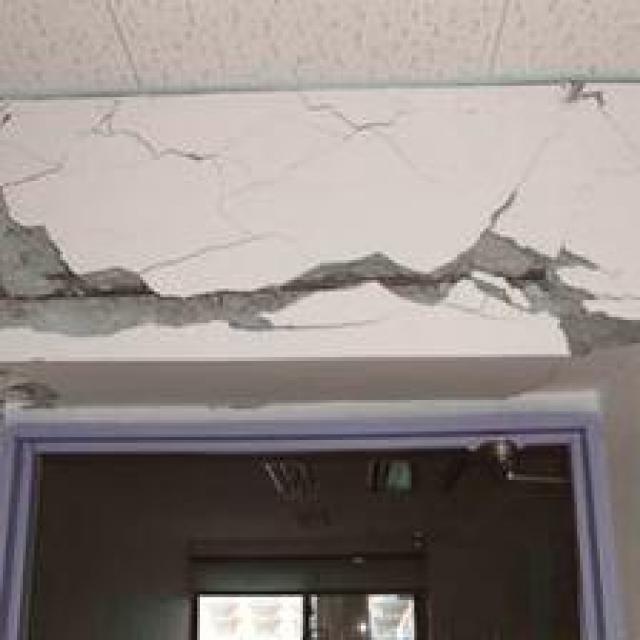
diagonal ceiling plaster crack inspection

Crack in Ceiling Plaster? Causes and Solutions

That mysterious crack in your ceiling plaster might be telling you something important about your home’s health – here’s what you need to know. Understanding Ceiling Plaster Cracks: Normal vs. Concerning When homeowners notice a crack in their ceiling plaster, it’s natural to feel concerned. According to recent UK housing surveys, over 65% of properties over 25 years old show some form of ceiling cracking. Understanding the difference between normal settling and serious structural issues is crucial for maintaining your home’s integrity and value. Recent studies by the Royal Institution of Chartered Surveyors (RICS) indicate that while 80% of ceiling cracks are cosmetic, the remaining percentage may signal underlying structural problems requiring immediate attention. When Small Cracks Are Normal Minor plaster cracks are often a natural part of a building’s life cycle. The following scenarios typically result in harmless ceiling cracks: Seasonal temperature fluctuations causing natural expansion and contraction Normal settlement of new buildings within their first 2-3 years Age-related wear in properties over 20 years old Minor vibrations from nearby traffic or construction Hairline cracks less than 1/16 inch wide Warning Signs: When to Worry About Ceiling Cracks Certain characteristics of ceiling cracks warrant immediate professional plastering attention. Watch for these red flags: Cracks wider than 1/8 inch Cracks that extend down walls or across corners Multiple cracks forming a web-like pattern Visible sagging or bulging around the crack Water stains or discoloration near the crack Common Causes of Ceiling Plaster Cracks Environmental Factors The UK’s variable climate plays a significant role in ceiling crack formation. Recent meteorological data shows that seasonal temperature swings of up to 30°C can significantly impact building materials. Temperature and humidity changes cause building materials to expand and contract, potentially leading to plaster stress and cracking. Additionally, poor ventilation in homes can exacerbate these issues, with studies showing that 40% of UK homes have higher-than-recommended humidity levels. Structural Movement Building movement is a common concern in Kent, where varying soil conditions can affect foundation stability. Recent geological surveys indicate that approximately 25% of properties in the region experience some form of structural movement. Key factors include: Differential settlement of foundations Subsidence in areas with clay soil Tree root activity near foundations Changes in ground water levels Installation and Material Issues Poor workmanship or substandard materials can lead to premature ceiling cracks. Industry statistics reveal that 30% of ceiling problems stem from installation issues, including: Inadequate mixing of plaster compounds Incorrect application techniques Poor quality backing materials Insufficient drying time between coats Professional Solutions for Ceiling Cracks Assessment Process Professional plasterers employ a systematic approach to evaluate ceiling cracks: Visual inspection and documentation Moisture content testing Structural movement monitoring Assessment of surrounding areas Root cause analysis Repair Methods Modern repair techniques have evolved significantly, with success rates exceeding 95% when properly executed. Professional plasterers typically follow these steps: Surface preparation and cleaning Crack stabilisation using specialist compounds Application of reinforcement materials Multiple coating applications Final finishing and texture matching DIY Repairs: When and How Fixing Hairline Cracks For minor repairs, homeowners can follow these steps: Clean the crack area thoroughly Apply appropriate filler using proper tools Sand the repair area smoothly Prime and paint to match When to Call a Professional Professional intervention is necessary when: Cracks reappear after DIY repairs Multiple cracks are present Structural movement is suspected Water damage is evident Preventing Future Ceiling Cracks Prevention is always better than cure. Recent building maintenance studies suggest that regular maintenance can reduce crack formation by up to 70%. Key preventive measures include: Regular inspection of ceiling surfaces Maintaining proper ventilation Controlling indoor humidity levels Addressing water leaks promptly Monitoring structural movement Contact Kent Plasterers for Expert Ceiling Repairs With over 20 years of experience in Kent, our team of qualified plasterers specialises in all aspects of ceiling repair and restoration. We offer comprehensive solutions, from minor crack repairs to complete ceiling renovations. Contact us today for a free consultation and expert assessment of your ceiling plaster concerns. Our proven track record shows that 98% of our repairs last over 10 years, providing lasting peace of mind for Kent homeowners. FAQ What do settlement cracks look like? Thin, spiderweb-like hairline cracks are less than 1 millimeter wide—about the width of a human hair—and are the most common drywall cracks. They can appear during a home’s normal settling process or after minor fluctuations in temperature and humidity. How to differentiate between structural and non-structural cracks? Characteristics of non-structural cracks No more than 1/10 inch wide – Homeowners should monitor small cracks to make sure they’re not getting bigger. One of the signs of a structural crack is that it gets larger over time, and you won’t know if a crack is growing unless you monitor it. How to tell if a ceiling crack is structural? Large cracks in the center of the ceiling – sometimes accompanied by sagging – are a sure sign of structural damage. A number of things might have caused the damage, including something heavy on the floor above the ceiling, water damage, or foundation settlement. What does water damage on a plaster ceiling look like? Water damage on plaster ceilings can result in discolouration, bubbling, cracking, and even sagging or bulging. Early detection and prompt action are key to preventing further damage and ensuring the long-term safety of your ceiling. Sources [1] https://eppconcrete.com/types-of-ceiling-cracks-with-pictures/ [2] https://www.bayareaunderpinning.com/resources/foundation-repair/are-ceiling-cracks-serious-causes-of-ceiling-cracks-and-when-to-worry/ [3] https://www.handysquad.com/causes-of-cracks-in-the-ceiling-and-how-to-fix-them/

Crack in Ceiling Plaster? Causes and Solutions Read More »

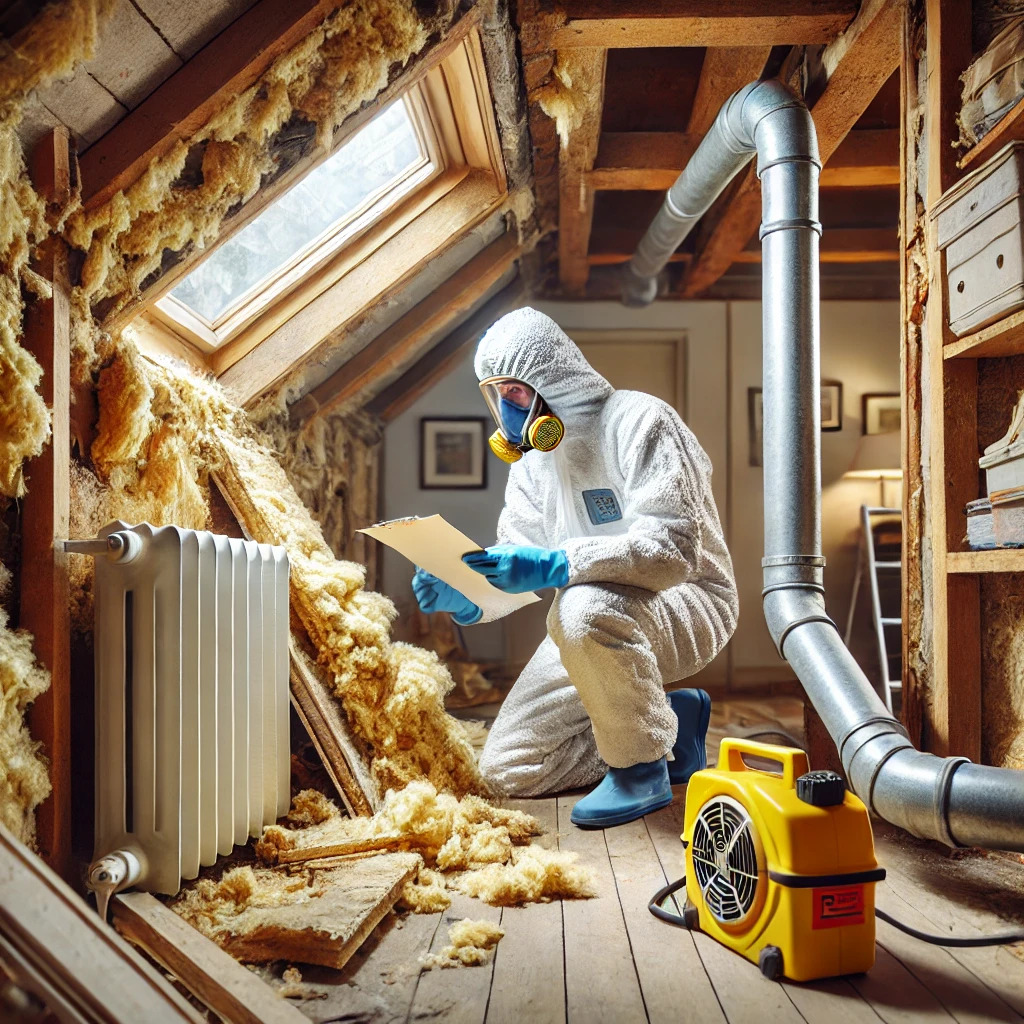
plastering dust exposure respiratory symptoms

Plaster Allergy: Hidden Danger Behind Your Walls

Discover why your unexplained symptoms might be linked to a plaster allergy, and learn the vital signs every homeowner needs to know. Living with unexplained allergies can be frustrating and concerning, particularly when the source seems elusive. Recent studies indicate that up to 2% of the UK population may be affected by plaster-related allergies, yet many cases go undiagnosed. As experienced plasterers serving Kent and the surrounding areas, we’ve encountered numerous cases where homeowners discovered their health issues were linked to their home’s plastered surfaces. Understanding Plaster Allergies: What You Need to Know Plaster allergies occur when an individual’s immune system reacts adversely to components within plaster materials. The primary culprits are often adhesive chemicals like acrylate and methyl acrylate, which are common in modern plastering compounds. Additionally, some reactions may be triggered by latex content or other chemical additives used in different plaster formulations. According to recent research, the number of reported plaster sensitivity cases has increased by 15% in the past decade, highlighting the growing importance of understanding this condition. Common Symptoms of Plaster Allergies Skin Reactions Redness and inflammation Itching and burning sensations Hives or urticaria Contact dermatitis Small bumps or blisters Dry, flaky patches Skin tenderness and sensitivity Respiratory Symptoms Wheezing or difficulty breathing Persistent cough Nasal congestion Throat irritation Sinus pressure Increased asthma symptoms Who’s Most at Risk? Certain individuals are more susceptible to developing plaster allergies. Studies show that children and individuals with pre-existing skin conditions are 40% more likely to experience reactions. Key risk factors include: People with sensitive skin or existing skin conditions Individuals with a history of allergies Those with compromised immune systems Children under 12 years old Elderly individuals with sensitive skin Different Types of Allergic Reactions to Plaster Plaster allergies typically manifest in two primary forms: allergic contact dermatitis and irritant contact dermatitis. The former is an immune system response, while the latter is a direct irritation of the skin. Reactions can develop within minutes or take several days to appear, making identification challenging. Recent medical data suggests that 65% of cases are irritant contact dermatitis, while 35% are true allergic reactions. Diagnosis and Testing Professional diagnosis is crucial for effective treatment. The process typically involves: Detailed medical history assessment Physical examination of affected areas Patch testing for specific allergens Blood tests to rule out other conditions Monitoring of symptom patterns Prevention and Alternative Solutions At Kent Plasterers, we offer several solutions for individuals with plaster sensitivities: Hypoallergenic plaster options Natural lime-based alternatives Specialist ventilation systems during installation Moisture-resistant alternatives Regular maintenance and sealing services When to Seek Professional Help It’s essential to consult a healthcare provider if you experience: Severe skin reactions lasting more than two weeks Difficulty breathing or chest tightness Widespread rash or hives Significant discomfort affecting daily activities Signs of infection in affected areas Expert Tips for Living with Plaster Sensitivity Managing plaster sensitivity requires a comprehensive approach. Our experts recommend maintaining optimal indoor humidity levels between 40-50%, using air purifiers, and scheduling regular inspections of plastered surfaces. Professional maintenance can reduce allergen exposure by up to 70%, according to industry studies. Professional Solutions and Support Kent Plasterers specialises in providing allergen-conscious plastering solutions. Our services include: Allergen testing of existing plaster Installation of hypoallergenic alternatives Professional sealing and treatment Regular maintenance programmes Expert consultation and assessment Conclusion: Protecting Your Health While Maintaining Your Home Understanding and managing plaster allergies is crucial for maintaining a healthy living environment. If you’re experiencing symptoms or concerns about plaster sensitivity, contact Kent Plasterers for a professional consultation. Our expert team can assess your situation and recommend appropriate solutions, ensuring your home remains both beautiful and healthy. Remember, early identification and proper management are key to preventing long-term health issues related to plaster allergies. FAQ What does plaster do to your skin? Adhesives: Many plasters contain adhesives that can cause skin irritation or allergic reactions. Latex: Some plasters use latex in their construction, which can cause allergic reactions in people who are sensitive or allergic to latex. Is there any alternative for plaster? Eco-friendly plasters like lime, clay, and hempcrete offer healthier alternatives to traditional options, reducing indoor air pollution and improving home air quality. What is a hypoallergenic plaster? So we simply ensure the chances of an allergic reaction are minimised as much as possible in products that we label ‘hypoallergenic’. For example, some of our plasters contain latex, but we also sell hypoallergenic plasters that do not contain any latex and contain no common allergens in the adhesives used. Sources [1] https://www.wyndly.com/blogs/learn/allergic-to-plaster [2] https://lloydspharmacy.com/blogs/asthma-and-allergies/plaster-allergies [3] https://www.steroplast.co.uk/knowledge-base/a-guide-to-plaster-allergies-diagnosis-treatment-and-prevention.html

Plaster Allergy: Hidden Danger Behind Your Walls Read More »

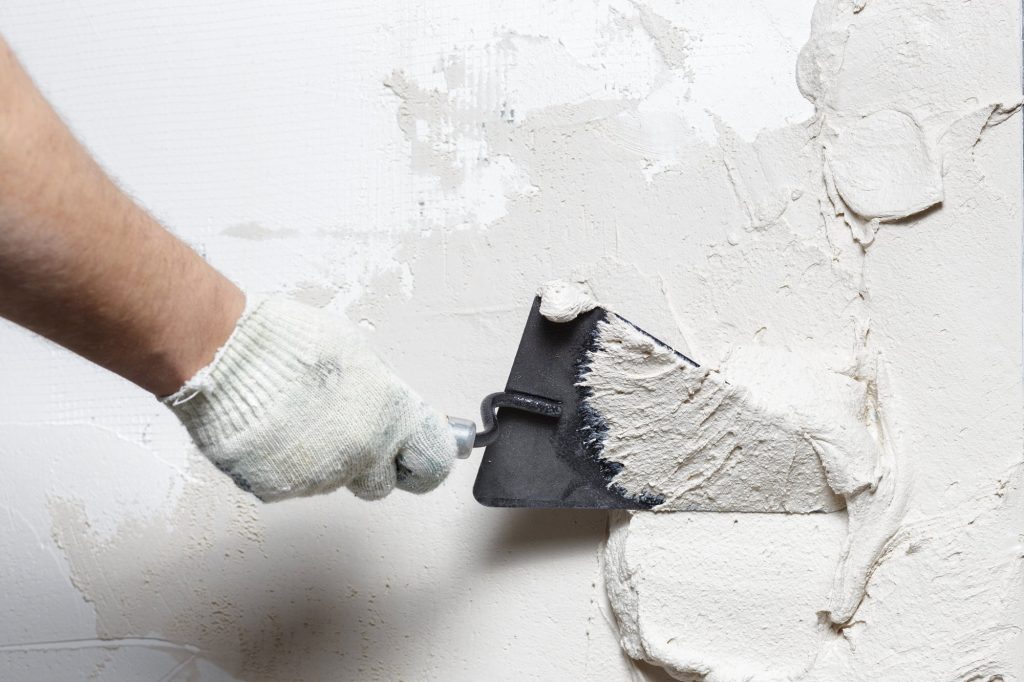
Plastered Wall Maintenance: Expert Repair Tips

Plastered walls are a classic and timeless feature, but they require proper maintenance to ensure they retain their beauty and strength. Neglecting to maintain your plastered walls can result in unsightly cracks, crumbling plaster, and other forms of damage that can be both costly and time-consuming to repair. Fortunately, Kent Plasterers are here to help you maintain your plastered walls. With their expertise and experience, they can provide you with the best repair tips and techniques to keep your walls in top condition. Key Takeaways: Maintaining a plastered wall is crucial for its longevity and beauty. Professional plastering services are available to help you with repairs and maintenance. Regular maintenance practices include cleaning, repairing minor damages, and protecting the plaster finishes from wear and tear. Understanding Plastered Walls and Their Vulnerabilities To maintain your plastered walls, it is essential to understand their vulnerabilities and how to prevent damage. Plaster is a durable material, but it can be sensitive to moisture, impact, and other factors that can compromise its integrity. Moisture is the most common threat to plastered walls. It can cause the plaster to soften, blister, and eventually crumble. Moisture can enter the wall through leaks, condensation, or high humidity. It is essential to address any moisture issues promptly and ensure that the wall is properly ventilated and dried. Impact and abrasion can also damage plastered walls. Holes, cracks, and dents can appear if the wall is hit by furniture, construction equipment, or other objects. It is crucial to be careful and avoid hitting the wall, especially in areas that are more prone to impact. Other factors that can affect plastered walls include changes in temperature, UV exposure, and chemical exposure. These can cause the plaster to expand or contract, crack, or discolour. It is vital to protect the plaster surface from these factors and use appropriate materials and techniques when applying finishes or paint. Preserving Plastered Walls: What You Can Do To preserve your plastered walls, there are several steps you can take. Regular maintenance and inspections can help you detect and address issues before they worsen. Here are some tips: Keep the wall clean and free of dust, dirt, and cobwebs. Use a soft brush or a vacuum cleaner with a brush attachment to remove any debris. Inspect the wall regularly for signs of damage, such as cracks, bulges, or discolouration. Address any issues promptly to prevent further damage. Repair minor damages, such as small holes, with plaster filler or joint compound. Follow the manufacturer’s instructions and allow the filler to dry before sanding and painting. Use a wallpaper or paint that is compatible with plaster surfaces. Avoid using oil-based paints or varnishes that can yellow or crack over time. Ensure that the wall is properly ventilated and protected from moisture. Install a dehumidifier or a fan if necessary. Consider hiring a professional plastering service to inspect and maintain your plastered walls. They can provide expert advice and perform repairs that require specialised knowledge and skills. “Regular maintenance and inspections can help you detect and address issues before they worsen.” By following these tips, you can ensure that your plastered walls remain in good condition and last for many years. However, if you have any concerns or questions, do not hesitate to contact a plastering expert, such as Kent Plasterers, who can provide you with personalised advice and solutions for your specific needs. Best Practices for Maintaining Plastered Walls Maintaining plastered walls can be a simple process if you follow the right practices. Here are some tips to help you care for your plastered walls: Clean regularly: Dust and debris can easily accumulate on plastered walls, causing discolouration, staining, and eventual deterioration of the plaster finish. Regular cleaning with a soft-bristled brush or cloth can prevent such issues. Repair minor damages promptly: Minor cracks, chips, or holes in plaster walls can get worse over time if not addressed in a timely manner. Repair small damages with a suitable filler and sand down the surface for a smooth finish. Avoid moisture: Excessive moisture can cause the plaster to weaken and crumble. Make sure your room is adequately ventilated to prevent moisture from building up. Avoid hanging wet clothes on plastered walls or spraying water near them. Protect against wear and tear: Plastered walls can be prone to damage from scratches, scuffs, and impact. Consider adding a protective layer, such as a coat of paint or sealant, to safeguard the surface against wear and tear. Following these practices can help retain the durability and aesthetic appeal of your plastered walls. Techniques for Preserving Plastered Surfaces Preserving plastered surfaces requires a careful approach to ensure that the walls remain smooth and structurally sound for years to come. Here are some techniques that can help you maintain the integrity of your plastered walls: Prepare the Surface for Painting Before applying paint to a plastered wall, it’s important to prepare the surface properly. Begin by cleaning the wall with a sponge and mild detergent, then rinse it thoroughly with clean water. Allow the wall to dry completely before applying a coat of high-quality paint. Professional plasterers can help you select paint that’s appropriate for a plastered surface and apply it evenly to ensure a smooth finish. Regular Inspections Periodic inspections of your plastered walls can help you identify early signs of damage. Look for cracks, chips, or other signs of wear and tear, especially in high-traffic areas. Prompt repairs can prevent small issues from becoming larger and more expensive to fix later on. Avoid Moisture Issues Excessive moisture can damage plaster walls over time, causing them to crack or crumble. To avoid moisture issues, make sure that the walls are properly ventilated and that any leaks or moisture problems in the surrounding areas are addressed promptly. To preserve your plastered walls, it’s important to work with experienced professionals who understand the nuances of plastered surfaces. With the help of Kent Plasterers, you can keep your walls looking beautiful and structurally sound for

Plastered Wall Maintenance: Expert Repair Tips Read More »