
Cost Guides

Plastering Costs: 2024 Price Guide for Kent

Quick Answer: Plastering costs in Kent typically range from £20 to £35 per square metre for basic work. A standard single room costs £500-£700, while a whole house runs £7,000-£12,000. Labour accounts for 70% of costs, with professional plasterers charging £180-£250 per day. Discover exactly how much plastering costs in Kent without the confusion or hidden fees – our comprehensive guide breaks down every expense you need to know. Understanding Basic Plastering Costs in Kent In Kent’s dynamic construction market, plastering costs have seen significant changes in 2024. As experienced plasterers serving the Kent region, we’ve observed that basic plastering costs typically range from £20 to £35 per square metre. This variation largely depends on factors such as the complexity of the job, wall condition, and specific location within Kent. For instance, properties in areas like Tunbridge Wells or Sevenoaks might command slightly higher rates than other parts of the county. A standard plastering project in Kent now includes preparation work, materials, and professional labour, with most jobs requiring 2-3 days to complete for optimal results. Square Footage Pricing Breakdown Plastering Type Cost per m² Notes Basic wall plastering £20-£25 For straightforward surfaces Ceiling plastering £25-£35 Due to increased difficulty Specialist finishes £30-£40 For decorative or period work Skim coating £15-£20 For surface improvement Material costs £5-£8 For standard plaster Labour Costs Explained Labour typically accounts for approximately 70% of total plastering costs in Kent. Professional plasterers charge between £180 and £250 per day, with most experienced tradespeople commanding higher rates in affluent areas like Bromley or Canterbury. These rates reflect the skill level required and current market demands. A typical room might require 1-2 days of labour, though this can vary based on complexity and preparation requirements. Pro Tip: Book multiple rooms at once to negotiate better daily rates. Plasterers often offer discounts when they can secure several days of continuous work on a single property. Specific Plastering Project Costs Single Room Plastering Costs For a standard 12×12 foot room in Kent, expect to pay between £500 and £700 for professional plastering. This includes: Wall preparation: £100-£150 Materials: £150-£200 Labour: £250-£350 Additional finishing work: £50-£100 Whole House Plastering Plastering an entire 2000 square foot house in Kent typically costs between £7,000 and £12,000. This comprehensive service includes preparing all surfaces, applying multiple coats where necessary, and ensuring a perfect finish throughout. The wide price range reflects variables such as the property’s condition, accessibility, and chosen finish quality. Repair and Patch Work Pricing Repair Type Price Range Small patches (under 1m²) £80-£120 Medium repairs (1-3m²) £150-£250 Large crack repairs £200-£300 Ceiling repair work £180-£300 Water damage restoration £250-£400 Factors Affecting Your Plastering Costs Wall Condition and Preparation The condition of your walls significantly impacts the final cost of plastering. In Kent properties, especially period homes, we often encounter these cost-affecting factors: Removing old wallpaper: Additional £3-£5 per m² Treating damp issues: £200-£400 extra Levelling uneven surfaces: £10-£15 per m² additional Structural repairs: Quoted separately based on severity Plaster Types and Finishes Different plaster types and finishes available in Kent come with varying costs: Plaster Type Cost per m² Traditional lime plaster £35-£45 Modern gypsum plaster £20-£30 Venetian plaster £60-£80 Specialist acoustic plaster £40-£50 Property Location and Access Your location within Kent can significantly affect plastering costs. Properties in central locations like Maidstone or Rochester might incur standard rates, while remote locations could add 10-15% to the final cost. Access issues, such as working at height or restricted spaces, can also impact pricing. Getting the Best Value for Your Plastering Project Cost-Saving Tips Book during off-peak seasons (typically winter months) Prepare rooms before plasterers arrive Combine multiple rooms for better rates Consider basic finishes for non-primary spaces Get multiple quotes from Kent-based plasterers Pro Tip: Preparing the room yourself by moving furniture, removing fixtures, and protecting floors can save you £100-£150 in preparation costs. Just make sure to discuss this with your plasterer beforehand. Choosing the Right Plasterer Selecting the right plasterer in Kent is crucial for ensuring quality work and value for money. Look for professionals who: Have extensive local experience and references Provide detailed, written quotes Hold appropriate insurance and qualifications Belong to recognized trade associations Offer guarantees on their work Final Cost Considerations and Next Steps When planning your plastering project in Kent, remember that the lowest quote isn’t always the best value. Consider the plasterer’s reputation, experience, and the quality of materials they use. Most homeowners in Kent spend between £2,000 and £5,000 on their plastering projects, achieving excellent results that last for years. To proceed with your project, start by getting at least three detailed quotes from reputable Kent plasterers, ensuring they visit your property to provide accurate estimates. Remember to discuss timeline, payment terms, and any specific requirements you have before committing to a contractor. FAQ Why is plastering so expensive? Complexity: ceilings or very high walls Hard or complex plastering jobs need additional labour, time and expertise, and this is more expensive. Ceilings take longer to plaster compared to walls, and it might be more expensive if scaffolding or expert equipment is needed to reach particularly high ceilings. Can I plaster a wall myself? Plastering is certainly a skill that takes some time to perfect. However, this doesn’t mean that it is not something that you can do yourself. Although most people prefer to leave this type of work to professionals, you can save yourself some money by learning how to plaster a wall yourself. Sources [1] https://homeguide.com/costs/cost-of-plastering-walls [2] https://www.checkatrade.com/blog/cost-guides/cost-plaster-room/ [3] https://www.fixr.com/costs/apply-paster

Plastering Costs: 2024 Price Guide for Kent Read More »

luxury home renovation cost calculator

House Renovation Costs: Complete 2024 Guide

Quick Answer: Complete house renovation costs in the UK typically range from £15,000 to £75,000 for standard projects. Expect to pay £15-150 per square foot depending on the scope and quality of work. In Kent and Southeast England, costs trend towards the higher end due to increased labour and material expenses. Considering a complete house renovation but worried about the costs? Our comprehensive guide breaks down exactly how much you’ll need to invest in transforming your dream home. Understanding House Renovation Costs: The Basics When planning a complete house renovation in the UK, it’s essential to understand the basic cost framework. On average, homeowners typically invest £15,000 to £75,000 for standard renovations, though costs can vary significantly based on numerous factors. For a typical UK home of 1,200 square feet, renovation costs generally range from £15 to £150 per square foot, depending on the scope and quality of work. In London and the Southeast, including Kent and Bromley areas, these figures often trend towards the higher end due to increased labour and material costs. Breaking Down Renovation Costs Room by Room Different rooms require varying levels of investment, with some spaces demanding more attention and resources than others. Here’s a detailed breakdown of typical costs per room: Room Type Cost Range Cost per Square Foot Kitchen £5,000 – £30,000 £100-250 Bathroom £4,500 – £15,000 £100-250 Living Room £3,000 – £12,000 – Bedroom £2,500 – £10,000 – Plastering (per room) £400 – £800 – Factors That Influence Total Renovation Costs Several key factors can significantly impact your renovation budget. In the UK market, particularly in areas like Kent, these factors include: Property Location: Urban areas like Bromley typically command higher prices Property Age: Older properties often require additional work and compliance with conservation regulations Structural Changes: Any modifications to load-bearing walls or foundations significantly increase costs Material Quality: Choice between standard and premium materials can double costs Labour Costs: Vary significantly by region and contractor expertise Budget Ranges: From Standard to Luxury Renovations Renovation budgets in the UK typically fall into three main categories: Renovation Type Cost per Square Foot What’s Included Basic Renovation £15-50 Essential repairs, basic decorating, minimal structural changes. Perfect for rental properties or quick refreshes. Mid-Range Renovation £50-100 Quality materials, some structural changes, modern amenities. Ideal for family homes seeking long-term value. Luxury Renovation £100-250+ Premium materials, significant structural changes, high-end finishes. Common in prime locations like central London or luxury properties in Kent. Pro Tip: Always allocate 10-20% of your total budget as a contingency fund. Unexpected issues like hidden structural problems or outdated wiring are common in renovation projects and can quickly derail a tight budget. Hidden Costs and Additional Expenses to Consider Beyond the obvious renovation expenses, several hidden costs can catch homeowners off guard. Make sure to budget for these essential but often overlooked items: Planning Permission: £200-£500 Building Regulations Approval: £400-£800 Structural Engineer Reports: £500-£1,500 Skip Hire: £200-£400 per skip Temporary Accommodation: £100-£150 per night if needed Contingency Budget: 10-20% of total budget Insurance Upgrades: £200-£500 additional premium How to Plan Your Renovation Budget Effectively Creating an effective renovation budget requires careful planning and consideration. Start by allocating your budget according to the following percentages: Budget Category Recommended Allocation Design and Planning 5-10% Structural Work 15-30% Electrical and Plumbing 10-15% Plastering and Finishing 10-15% Kitchen and Bathrooms 25-35% General Decoration 10-15% Contingency 10-20% Regional Cost Variations and Market Factors In the UK, renovation costs can vary significantly by region. London and the Southeast, including Kent, typically see prices 20-30% higher than the national average. Factors influencing regional variations include: Local labour rates and availability Material transportation costs Planning permission requirements Property values and market conditions Making Smart Investment Choices To maximise your renovation investment, focus on improvements that add the most value: Kitchen Upgrades: Can add 5-10% to property value Bathroom Renovations: Potential 3-5% value increase Energy Efficiency Improvements: Growing importance in property valuation Quality Plastering: Essential for a professional finish and long-term durability Professional Support and Project Management Professional support is crucial for successful renovation projects. Key considerations include: Hiring experienced contractors with proven track records Obtaining detailed quotes and timelines Ensuring proper insurance and warranties Regular project monitoring and communication Quality control at each stage Final Thoughts and Next Steps When planning your house renovation in the UK, particularly in areas like Kent and Bromley, remember that costs can vary significantly based on your specific requirements and local market conditions. Start by setting a realistic budget, adding a suitable contingency, and prioritising works that add the most value. Always work with reputable contractors and ensure all necessary permissions are in place before commencing work. For professional plastering services in Kent, consider working with experienced local specialists who understand regional requirements and can deliver quality results within your budget. FAQ What are hidden renovation costs? Hidden costs can arise at many points during a home remodeling project. Walls might conceal pests or leaks. Older homes might need things replaced or brought up to code. And the renovation process itself is expensive, from securing permits at the start to removing debris at the end. How much to replaster a 3 bed house? How much does plastering cost? Sources [1] https://homeguide.com/costs/house-remodeling-cost [2] https://www.thisoldhouse.com/home-finances/home-renovation-cost [3] https://www.nerdwallet.com/article/mortgages/cost-renovate-house

House Renovation Costs: Complete 2024 Guide Read More »

mortgage renovation paperwork homeowner calculator

Borrowing Extra on Mortgage for Renovations

Quick Answer: You can borrow extra on your mortgage for renovations through several options: traditional additional borrowing (further advance) at 4.5-6.5% interest, renovation-specific mortgage products, or home equity loans/HELOCs. For a £50,000 renovation over 25 years at 5%, expect monthly payments to increase by approximately £290. High-return improvements include loft conversions (adding up to 20% value) and kitchen renovations (75% ROI). Discover how borrowing extra on your mortgage for renovations could transform your property into the dream home you’ve always wanted – without breaking the bank. Understanding Your Mortgage Borrowing Options For Kent homeowners looking to enhance their properties, understanding the various mortgage borrowing options is crucial. Recent data shows that 67% of UK homeowners who borrowed additional funds on their mortgage in 2023 did so for home improvements. This growing trend reflects the increasing desire among property owners to invest in their homes rather than move. The current market conditions in Kent, where property values have risen by 8.2% in the past year, make this an particularly attractive option. Traditional Additional Borrowing Traditional additional borrowing, often called a ‘further advance’, allows you to borrow more money from your existing mortgage lender. This option typically offers lower interest rates compared to personal loans, with current rates averaging between 4.5% and 6.5% for existing customers. The amount you can borrow usually depends on your home’s equity and your financial circumstances. Renovation-Specific Mortgage Products Home Improvement Mortgages: Specifically designed for renovation projects Green Home Mortgages: Offering preferential rates for energy-efficient improvements Buy-to-Renovate Mortgages: Tailored for property developers and investors Flexible Mortgages: Allowing you to make overpayments and borrow back funds Home Equity Loans vs HELOCs Home Equity Loans and Home Equity Lines of Credit (HELOCs) offer different approaches to accessing your home’s equity. Home Equity Loans provide a lump sum with fixed interest rates, currently averaging 5.8% in the UK. HELOCs offer flexible access to funds with variable rates, typically starting from 6.2%. Option Interest Rate Payment Structure Best For Traditional Additional Borrowing 4.5-6.5% Fixed monthly payments Existing mortgage customers Home Equity Loan 5.8% average Lump sum, fixed rate One-time large projects HELOC From 6.2% Variable rate, flexible access Ongoing or phased renovations Personal Loan 7-15% Fixed monthly payments Smaller projects, no home security Calculating the Financial Impact Understanding the long-term financial implications of borrowing extra on your mortgage is essential for making an informed decision. The impact varies significantly based on factors such as interest rates, loan term, and the amount borrowed. Interest Rates and Long-term Costs Calculate total interest over the extended term Compare current market rates with existing mortgage rates Consider early repayment charges and fees Factor in potential tax benefits for certain improvements Pro Tip: Before committing to additional borrowing, use an online mortgage calculator to model different scenarios. Compare the total cost over your mortgage term versus shorter-term personal loan options to identify the most cost-effective solution for your situation. Monthly Payment Changes Your monthly payments will likely increase when borrowing additional funds. For example, borrowing an extra £50,000 over 25 years at 5% could increase monthly payments by approximately £290. It’s crucial to ensure these increased payments fit comfortably within your budget. Impact on Your Homes Equity While borrowing against your home’s equity increases your debt, strategic renovations can potentially increase your property’s value. Recent studies show that certain home improvements can add up to 20% to your property’s value. Which Renovations Add the Most Value? When considering renovations financed through mortgage borrowing, focusing on improvements that add significant value to your property is crucial. Current market research indicates that certain renovations offer better returns on investment than others. High-Return Home Improvements Loft conversions: Adding up to 20% value Extensions: Increasing value by 15-20% New kitchen: Contributing 5-10% to property value Garden landscaping: Adding up to 5% value Kitchen and Bathroom Renovations Kitchen and bathroom renovations consistently rank among the most valuable home improvements. A well-executed kitchen renovation can provide a return on investment of up to 75%, while modern bathroom updates typically return 60-80% of their cost in added value. Renovation Type Value Added ROI Loft Conversion Up to 20% High Extension 15-20% High Kitchen Renovation 5-10% 75% Bathroom Update Varies 60-80% Garden Landscaping Up to 5% Moderate Energy-Efficient Upgrades With increasing focus on sustainability, energy-efficient improvements are becoming more valuable. These upgrades can reduce utility bills and increase your home’s appeal to future buyers. The Application Process Securing additional mortgage borrowing for renovations requires careful preparation and documentation. Understanding the process can help ensure a smooth application experience. Required Documentation Proof of income and expenditure Detailed renovation plans and costings Current mortgage statements Property valuation reports Building permits (if required) Credit Score Considerations Your credit score plays a crucial role in securing additional borrowing. Lenders typically look for scores above 700 for the best rates, though some may consider scores as low as 620. Property Valuation Requirements Most lenders will require a current property valuation. This typically costs between £150-£1,500 depending on your property’s size and location. Pros and Cons of Mortgage Borrowing for Renovations Before proceeding with additional mortgage borrowing, it’s essential to weigh the advantages and disadvantages carefully. Advantages of Using Mortgage Funds Lower interest rates compared to personal loans Longer repayment terms available Potential tax benefits for certain improvements Opportunity to increase property value Potential Drawbacks to Consider Extended mortgage term Additional monthly costs Increased overall interest payments Risk of negative equity if property prices fall Alternative Financing Options While mortgage borrowing can be attractive, it’s worth considering alternative financing options to ensure you choose the most suitable solution for your circumstances. Personal Loans Personal loans offer a way to finance smaller renovation projects without securing against your property. However, interest rates are typically higher, currently averaging 7-15% in the UK. Savings and Investment Options Using savings or investments might be more cost-effective for some homeowners. This approach eliminates interest charges altogether. Making Your Final Decision Consider consulting with financial advisors and mortgage specialists before making your final decision. They

Borrowing Extra on Mortgage for Renovations Read More »

modern renovation financing paperwork consultation

Home Renovation Loan: Transform Your Property

Quick Answer: Home renovation loans give you access to funds ranging from £1,000 to £50,000+ to transform your property. Personal loans offer quick approval (24-48 hours) with no collateral required, while home equity loans provide lower rates and higher borrowing limits up to 85% of your property value. Current UK rates start from 3.4% APR for personal loans, with repayment terms from 1-25 years depending on the loan type. Unlock your home’s hidden potential with a strategic home renovation loan – the smart way to fund your dream transformation without compromising your savings. Understanding Home Renovation Financing Options When it comes to financing home improvements in Kent, homeowners have several viable options at their disposal. The two primary choices are personal loans and home equity loans, each offering distinct advantages depending on your circumstances. Personal loans typically offer quicker approval processes and don’t require collateral, making them ideal for smaller renovation projects. On the other hand, home equity loans and HELOCs (Home Equity Lines of Credit) allow you to borrow against your property’s value, often providing larger sums at more competitive interest rates. Recent data shows that UK homeowners invested an average of £25,000 in house renovations in 2023, with renovation loans becoming an increasingly popular financing method. Personal Loans: Fast-Track Your Renovation Dreams Personal loans represent an excellent option for Kent homeowners looking to commence their renovation loan projects quickly. These unsecured loans offer several advantages: Quick approval process, often within 24-48 hours No collateral required, protecting your assets Flexible loan amounts ranging from £1,000 to £50,000 Fixed interest rates and predictable monthly payments Terms typically ranging from 1 to 7 years These loans are particularly suitable for immediate improvements like bathroom renovations, kitchen updates, or plastering work. Current market rates for personal loans in the UK start from 3.4% APR, though actual rates will depend on your credit score and financial situation. Pro Tip: Personal loans work best for projects under £25,000 where you need funds quickly. For larger renovations, consider home equity options to secure better rates and longer repayment terms. Home Equity Loans and HELOCs: Leveraging Your Property’s Value For Kent homeowners with substantial equity in their properties, home equity loans and HELOCs present compelling financing options. These secured loans typically offer: Lower interest rates compared to personal loans Higher borrowing limits based on available equity Potential tax benefits on interest payments Longer repayment terms, often up to 25 years Recent statistics indicate that UK homeowners can typically borrow up to 85% of their property’s value, minus any existing mortgage balance. This makes these loans particularly attractive for major renovation projects like extensions or complete home remodels. Making Smart Renovation Loan Decisions Before committing to a renovation loan, it’s crucial to carefully evaluate your financial situation and project requirements. Consider these essential factors: Calculate your total project costs, including a 10-15% contingency buffer Compare interest rates and terms from multiple lenders Assess your monthly budget for loan repayments Consider the potential impact on your property’s value Review any early repayment charges or fees Industry experts recommend keeping your total monthly debt payments below 40% of your income to maintain financial stability. Loan Type Loan Amount Interest Rate Repayment Term Best For Personal Loan £1,000 – £50,000 From 3.4% APR 1-7 years Smaller projects, quick funding Home Equity Loan Up to 85% property value Lower rates Up to 25 years Major renovations, extensions HELOC Up to 90% property value Variable rates Flexible draw period Ongoing projects, phased work Strategic Home Improvements That Add Value Investing your renovation loan wisely can significantly increase your property’s value. According to recent UK property market data, these improvements offer the best returns: Improvement Type Potential Value Increase Kitchen renovations Up to 10% Bathroom modernisation 5-8% Energy efficiency upgrades 14% average Extension or loft conversion Up to 20% High-quality plastering and finishing Essential for any renovation project The Application Process: From Decision to Funding Securing a renovation loan involves several key steps. Understanding the timeline helps you plan your project effectively. Step Action Required Typical Timeline 1. Documentation Gather proof of income, bank statements, and property details 1-2 days 2. Research Compare lender options and rates 2-3 days 3. Application Submit application with required documentation 1 day 4. Assessment Credit assessment and property valuation (if applicable) 3-7 days 5. Approval Review and accept loan offer 1-2 days 6. Funding Receive funds 5-10 working days Most UK lenders now offer streamlined online application processes, making it easier than ever to secure renovation financing. Maximising Your Renovation Loan To ensure your renovation loan delivers maximum value, consider these essential strategies: Create a detailed project timeline and budget Work with reputable contractors who provide detailed quotes Prioritise structural improvements over purely cosmetic changes Consider energy-efficient upgrades that offer long-term savings Maintain clear communication with your contractors throughout the project Planning Your Next Steps Ready to transform your Kent property? Here’s your action plan: Assess your renovation needs and create a detailed project plan Calculate your required loan amount, including contingency Compare loan options from multiple lenders Gather necessary documentation for your application Consult with professional contractors for accurate quotes Consider speaking with a financial advisor for personalised guidance Remember, a well-planned renovation loan can help you create your dream home while potentially increasing its value. With current UK interest rates remaining competitive, now might be the perfect time to start your home transformation journey. FAQ How much do you need to put down on a renovation loan? 3.5% minimum down payment option. Lower credit score requirements. No income limits. A $5,000 minimum on renovation costs. How much can I borrow for my renovation? The maximum you can borrow including your existing loan is up to 90 per cent of your property value. What are the risks of a renovation loan? Home improvement loans can build your credit and increase the value of your home if managed well, but they have serious drawbacks, like high fees, impacts to your credit and secured options that put

Home Renovation Loan: Transform Your Property Read More »

professional plasterer smoothing fresh wall

Cost of Plastering a Room UK (2026 Prices)

Quick Answer: The average cost to plaster a standard UK room (3m x 4m) ranges from £400 to £800 in 2026, depending on the condition of existing walls, whether you need a full replaster or just a skim coat, and your location. Skim coating alone typically costs £300-£500, while a complete two-coat replaster runs £600-£900. London and Southeast prices are generally 15-25% higher than Northern England or Wales. Understanding Room Plastering Costs in 2026 When planning a renovation or moving into a property that needs work, one of the most common questions homeowners ask is: “How much will it cost to plaster this room?” The answer isn’t straightforward because plastering costs vary significantly based on several factors. In this comprehensive guide, we’ll break down exactly what you should expect to pay for plastering work in 2026, from materials to labour, and explain the key factors that influence the final price. Average Plastering Costs: At a Glance Before diving into the details, here’s a quick overview of typical plastering costs across the UK in 2026: Service Type Average Cost Notes Skim coat (per room) £300-£500 Standard room, good condition Full replaster (per room) £600-£900 Two-coat system on plasterboard Plasterer day rate £180-£280 Varies by region and experience Cost per m² £15-£35 Depends on prep work required Ceiling skim £200-£400 Standard ceiling (12-15m²) These figures represent typical mid-range prices. Budget plasterers may charge 10-15% less, whilst highly experienced specialists in premium areas can command 20-30% more. What Determines the Cost to Plaster a Room? Several key factors influence how much you’ll pay for plastering work. Understanding these helps you get accurate quotes and spot whether a price is fair. 1. Room Size and Wall Area The most obvious factor is the total surface area requiring plaster. Most plasterers quote either per room or per square metre. Here’s how room dimensions translate to typical costs: Room Size Floor Area Wall Area (approx.) Skim Cost Range Small (bedroom) 2.5m x 3m 27m² £280-£450 Medium (living room) 4m x 5m 44m² £450-£700 Large (open plan) 5m x 7m 58m² £700-£1,100 These calculations assume standard 2.4m ceiling height. Higher ceilings mean more wall area and proportionally higher costs. 2. Type of Plastering Work Required Not all plastering jobs are created equal. The scope of work dramatically affects pricing: Skim coat only: Applying a thin 2-3mm finishing layer over existing plasterboard or sound old plaster. This is the least expensive option. Two-coat system: Applying bonding coat (8-11mm) followed by a finishing skim. Required when starting from bare brick or block, or when installing new plasterboard. Full replaster: Removing old damaged plaster, addressing underlying issues (damp, cracks), installing new plasterboard where needed, then plastering. This is the most comprehensive and expensive option. Patch repairs: Fixing isolated damage. Often charged at hourly rates (£25-£40/hour) plus materials. For detailed guidance on skim coating technique, see our step-by-step skim coating guide. 3. Wall Condition and Preparation The current state of your walls significantly impacts cost. Poor wall condition means more prep work, which means higher labour costs. Preparation tasks that increase costs include: Removing old wallpaper (£50-£150 per room depending on layers and adhesive type) Hacking off damaged or blown plaster (£200-£400 per room) Treating damp issues before plastering (£150-£500+ depending on severity) Installing new plasterboard (£15-£25 per m² including materials and fixing) PVA priming on very porous surfaces (adds £30-£60 in materials and time) Scrim tape and mesh for crack prevention at joints (£20-£40 for a typical room) Pro Tip: If you’re seeing widespread cracking or bulging in old plaster, it’s often more cost-effective long-term to go for a full replaster rather than attempting repairs. A proper two-coat system on new plasterboard will last 40-50 years, whilst patched repairs on unstable substrate may fail within 2-3 years. For more on identifying problem plaster, check our guide on repairing cracked plaster walls. 4. Regional Location Where you live in the UK makes a substantial difference to plastering costs. London and the Southeast command the highest prices, whilst Northern England, Wales, and Scotland tend to be more affordable. Region Plasterer Day Rate Skim Coat (Medium Room) London £250-£320 £550-£800 Southeast (Kent, Surrey, Sussex) £220-£280 £480-£700 Midlands £180-£240 £400-£600 North England £160-£220 £350-£550 Scotland/Wales £170-£230 £380-£580 5. Materials and Plaster Type Different plastering situations call for different materials, each with varying costs. In 2026, expect these typical material costs from suppliers like Screwfix or Travis Perkins: Multi-finish/skim plaster: £8-£12 per 25kg bag (covers 9-10m² at 2-3mm thickness) Bonding plaster: £9-£13 per 25kg bag (covers 2.5-3m² at 11mm thickness) Hardwall/browning: £10-£14 per 25kg bag (similar coverage to bonding) 12.5mm plasterboard: £5-£8 per sheet (2.4m x 1.2m = 2.88m²) PVA bonding agent: £8-£15 per 5L container Scrim tape: £3-£5 per 90m roll For a standard medium room (44m² wall area), material costs typically run £80-£150 for a skim coat, or £200-£350 for a full two-coat replaster with new plasterboard. Learn more about different plaster types and their applications in our detailed guide. Detailed Cost Breakdown: Skim Coat vs Full Replaster Let’s examine two common scenarios in detail to show exactly where your money goes. Scenario 1: Skim Coat on Existing Sound Plaster You have a 4m x 4m bedroom (approximately 38m² wall area including ceiling) with old but structurally sound plaster that just needs refreshing. Item Quantity Unit Cost Total Multi-finish plaster 4 bags £10 £40 PVA primer 2L £6 £12 Minor prep/filling – – £20 Materials subtotal – – £72 Labour (1.5 days) – £220/day £330 Total cost – – £402 This represents a typical Southeast England price. Most plasterers would quote £400-£500 for this job, with materials accounting for roughly 15-20% of the total cost. Scenario 2: Full Two-Coat Replaster with New Plasterboard Same 4m x 4m bedroom, but this time the old plaster is damaged and needs complete removal, followed by new plasterboard and a two-coat plaster system. Item Quantity Unit Cost Total Plasterboard 12.5mm 14 sheets £7 £98 Bonding plaster 6 bags £11 £66 Multi-finish plaster 4 bags £10 £40

Cost of Plastering a Room UK (2026 Prices) Read More »

plasterer smoothing fresh white walls

Cost to Plaster a Room: Hidden Expenses Revealed

Wondering about the cost to plaster a room? Discover the true price breakdown that most contractors won’t tell you – including material costs, labour fees, and crucial factors that influence your final bill. Understanding the True Cost of Plastering: More Than Just Numbers When it comes to plastering a room, many homeowners are surprised to discover that the final cost involves much more than a simple square footage calculation. As experienced plasterers in Kent, we’ve seen countless cases where initial price expectations didn’t align with the reality of the project. The cost to plaster a room can vary significantly based on multiple factors, with prices typically ranging from £700 to £6,000 for a standard room. This wide range exists because plastering is a skilled trade that requires expertise, proper materials, and careful preparation. One common misconception is that plastering costs are solely based on room size, when in fact, wall condition, access requirements, and chosen finish type all play crucial roles in determining the final price. Breaking Down the Basic Costs To understand plastering costs clearly, let’s examine the fundamental price structure. Currently, in the UK market, wall plastering costs average £2 to £10 per square foot, while ceiling plastering typically ranges from £2.50 to £12 per square foot. For a practical example, plastering a 10×10 room with 9-foot walls typically costs £700 to £3,600 for walls only, and £1,000 to £4,800 when including the ceiling. Labour usually accounts for 60-70% of these costs, with materials making up the remainder. Basic wall plastering: £2-£10 per square foot Ceiling plastering: £2.50-£12 per square foot 10×10 room (walls only): £700-£3,600 12×12 room (walls and ceiling): £1,200-£6,000 Labour costs: 60-70% of total price Materials: 30-40% of total price Hidden Factors That Impact Your Final Bill Several often-overlooked factors can significantly influence your plastering costs. In Kent, we’ve observed that site conditions can impact prices by up to 25%. The condition of existing walls is particularly crucial – severely damaged surfaces may require extensive preparation, potentially adding £200-£500 to your total cost. Access issues, such as working in tight spaces or requiring scaffolding, can increase labour costs by 15-20%. Regional variations in Kent mean that prices in areas like Tunbridge Wells might be 10-15% higher than in other parts of the county. Seasonal factors also play a role, with winter projects often costing more due to additional heating and drying requirements. Understanding Different Plastering Options and Their Costs Traditional Lime Plaster: £8-£15 per square foot Modern Gypsum Plaster: £2-£10 per square foot Venetian Plaster: £15-£30 per square foot Skim Coating: £2.64-£4.74 per square foot Each plastering option offers distinct benefits and comes with its own price point. Traditional lime plaster, while more expensive, provides superior breathability and is ideal for period properties. Modern gypsum plaster offers a cost-effective solution with excellent durability. Decorative options like Venetian plaster command premium prices but deliver stunning visual effects. Additional Expenses Often Overlooked When budgeting for your plastering project, consider these often-forgotten costs that can significantly impact your final bill: Wall preparation and repairs: £10-£100 per square foot Protective covering for furniture and floors: £50-£150 Waste removal: £100-£300 Insurance coverage: 2-5% of project cost Contingency fund for complications: 10-15% of total budget Making Smart Decisions: Value vs. Cost Investing in quality plastering can save money in the long run. Professional plastering typically lasts 20-30 years when properly maintained, compared to 5-10 years for DIY or low-quality work. Premium finishes might cost 20-30% more initially but can increase property value by up to 5%. Consider these long-term benefits when choosing between standard and premium options. A well-executed plastering job can significantly reduce future maintenance costs and improve your home’s energy efficiency. Professional Insights: Getting the Best Value To ensure you’re getting the best value for your plastering project, consider these professional tips: Request detailed quotes from at least three qualified plasterers Ensure quotes include all preparation work and materials Check for insurance and guarantees Ask about payment schedules – typically 25% deposit, remainder upon completion Verify timeline estimates and completion guarantees Next Steps: Planning Your Plastering Project Planning your plastering project effectively can save both time and money. The best time to schedule work is during spring or summer when drying conditions are optimal. Allow 3-5 days for a standard room to be plastered and dried completely. Always choose a qualified plasterer with proven experience and positive reviews. Consider scheduling work during off-peak seasons for potential discounts, but be prepared for longer drying times. Finally, maintain a contingency budget of 10-15% for unexpected issues, and ensure all agreements are documented in writing before work begins. FAQ How much is labor for plastering? Labor. Expect to pay labor costs between $2 and $5 per square foot to apply plaster or $4 to $10 per square foot for refinishing, which requires more work to prep and remove existing plaster. The average cost to plaster a room of four 10-by-10-foot walls can run from $800 to $4,000. How do I estimate a plaster job? Plaster application is generally charged by the square foot, rather than by the hour. Many professionals will include all of their materials and hourly labor costs to provide a single, easy-to-understand estimate. Plaster application: by material and type of application. $2-5 per sq. How much does 1 bag of plaster cover? What is the coverage of one 25kg bag? A 25kg bag of Thistle Multi-Finish plaster typically covers an area of 10 square meters. How much does 1000 sq ft plaster cost? The cost to plaster 1000 sq. ft. depends on the plaster type and finish: Cement Plaster: ₹10,000 – ₹18,000* Sources [1] https://www.homewyse.com/services/cost_to_apply_gypsum_plaster.html [2] https://homeguide.com/costs/cost-of-plastering-walls [3] https://www.homeadvisor.com/cost/walls-and-ceilings/apply-plaster/

Cost to Plaster a Room: Hidden Expenses Revealed Read More »

Modern renovation transforming period property

Smart Renovations That Increase Home Value

Discover the strategic renovations that increase home value by up to 25% with expert insights from Kent’s leading plasterers. Understanding the Impact of Strategic Home Improvements In today’s competitive UK property market, strategic home improvements have become increasingly crucial for homeowners looking to maximise their property’s value. Recent studies show that well-planned renovations can boost home value by up to 25%, making it essential to understand which improvements offer the best return on investment. The key lies in selecting upgrades that not only enhance aesthetic appeal but also improve functionality and energy efficiency. According to recent property market data, UK homes with strategic renovations sell 60% faster and command higher prices than their unimproved counterparts. This comprehensive guide will explore the most impactful improvements that can transform your property’s worth while maintaining its character and appeal. High-ROI Exterior Improvements External renovations consistently rank among the most valuable home improvements, offering returns of up to 85% on investment. These improvements create that crucial first impression and significantly enhance your property’s kerb appeal. Data from UK estate agents indicates that homes with well-maintained exteriors typically sell for 7-14% more than similar properties with dated or neglected exteriors. Curb Appeal Enhancements Professional exterior plastering and rendering (ROI up to 92%) High-quality front door replacement (Average ROI 75%) Modern garage door installation (ROI approximately 95%) Professional landscaping and garden improvements (ROI 80%) Fresh exterior painting with contemporary colours (ROI 55-65%) Structural Improvements That Pay Off Investing in structural improvements provides both immediate and long-term benefits. Recent UK housing market data shows that structural upgrades can increase property values by 15-20%. Key focus areas include: Roof replacement or repair (ROI up to 70%) Foundation waterproofing and damp-proofing (Essential for UK climate) Chimney repairs and maintenance Wall insulation and structural reinforcement Interior Renovations That Add Significant Value Interior renovations remain among the most influential factors in property valuation. Recent market analysis indicates that strategic interior improvements can increase home values by 15-28%, with certain rooms offering particularly high returns. The key is focusing on spaces that potential buyers prioritise, ensuring modern functionality while maintaining broad appeal. Kitchen and Bathroom Transformations Kitchens and bathrooms continue to be the most crucial internal spaces for property value. Modern, well-designed kitchens can increase home value by up to 15%, while updated bathrooms can add 5-10% to your property’s worth. Essential improvements include: Modern kitchen layouts with quality worktops and storage Energy-efficient appliances and smart integration Luxury bathroom fixtures and modern tiling Spa-like features and water-efficient installations Living Space Optimisation Maximising usable living space has become increasingly important, with UK buyers willing to pay premium prices for well-utilised spaces. Converting unused areas can add substantial value: Loft conversions (Adding up to 20% to property value) Basement renovations (15% increase in home value) Open-plan living arrangements (10-15% value increase) Additional bathroom installation (5% value boost) Energy-Efficient Upgrades With rising energy costs and increasing environmental awareness, energy-efficient improvements have become crucial for property value. UK homebuyers are willing to pay up to 15% more for energy-efficient homes, making these upgrades particularly valuable. Window and Insulation Improvements Double or triple glazing installation (ROI up to 85%) Cavity wall insulation (Annual savings of £250+) Loft insulation (ROI within 2-4 years) Draught-proofing measures (Immediate energy savings) Smart Home Integration Smart home technology has become increasingly important to modern buyers, with properties featuring integrated smart systems commanding premiums of up to 5%. Key improvements include: Smart heating controls and thermostats Security systems with smart capabilities LED lighting with smart controls Integrated home automation systems Professional Execution: The Key to Maximum Returns The quality of workmanship significantly impacts the value added by renovations. Professional execution by qualified contractors can increase the ROI of improvements by up to 30% compared to DIY attempts. This is particularly crucial for specialist work like plastering, where expert finishing can dramatically affect the final result. Planning Your Renovation Strategy Success in home improvement requires careful planning and prioritisation. Consider these key factors: Current market trends and buyer preferences Local property values and improvement potential Budget allocation for maximum impact Project timing and market conditions Working with Professional Contractors Selecting the right contractors is crucial for achieving optimal returns on your renovation investment. Professional plasterers and other specialists should demonstrate: Relevant qualifications and certifications Comprehensive insurance coverage Strong portfolio of similar projects Positive client testimonials and references Making the Most of Your Investment The success of your renovation project depends on making informed decisions and working with qualified professionals. By focusing on high-impact improvements and ensuring quality execution, you can significantly increase your property’s value while creating a more comfortable and efficient living space. Remember that the key to maximising returns lies in careful planning, professional implementation, and attention to current market trends and buyer preferences. FAQ What hurts house resale value? High-end finishes and luxury appliances in the kitchen and bathroom may seem like a great investment, but they can actually work against you when selling. Kendra explains that luxury materials and designer brands may not appeal to every buyer, especially if they make your home the most expensive one on the block. Sources [1] https://money.com/renovations-that-increase-home-value-and-how-much-they-cost/ [2] https://www.bankrate.com/homeownership/home-renovations-that-return-the-most-at-resale/ [3] https://makeitright.ca/holmes-advice/home-renovation/8-home-renovations-that-add-the-most-value-to-your-home/

Smart Renovations That Increase Home Value Read More »

Modern stair refurbishment professional installation

How Much Does Stair Refurbishment Cost in 2024?

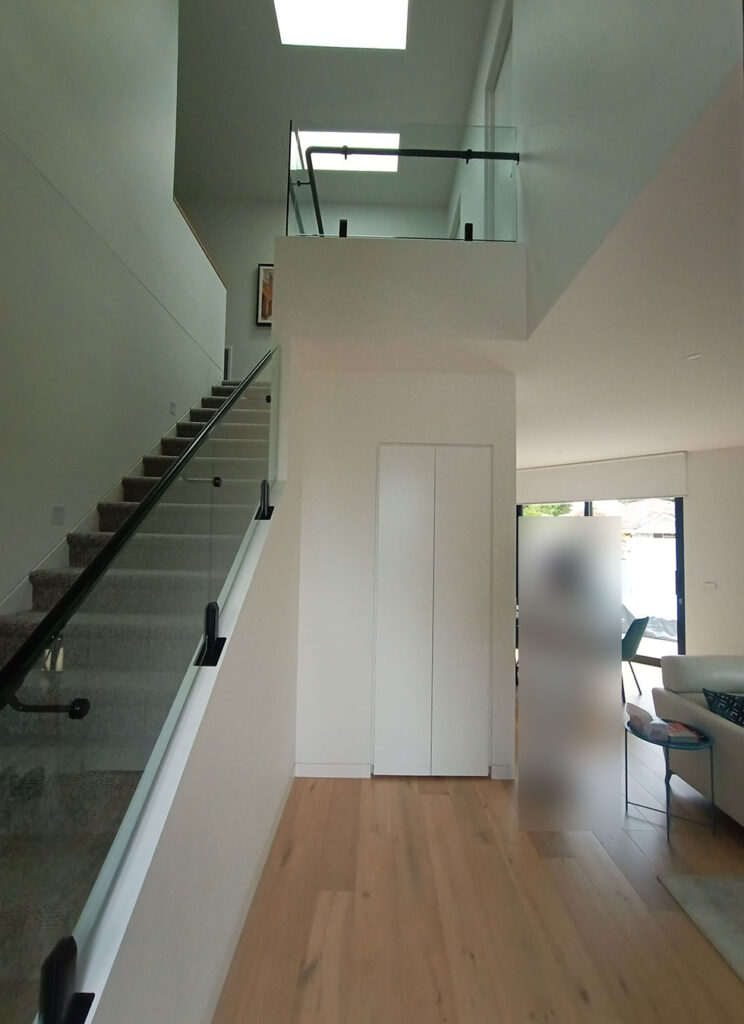
Transform your tired staircase into a stunning centrepiece with our complete stair refurbishment guide – discover the real costs, timelines, and expert techniques that add lasting value to your home. Understanding Stair Refurbishment: The Basics Stair refurbishment represents a significant home improvement project that can dramatically enhance both the aesthetic appeal and functionality of your property. In 2024, UK homeowners are increasingly recognising the value of updating their staircases, with industry data showing a 35% increase in stair renovation projects compared to previous years. A well-executed stair refurbishment can range from simple cosmetic updates to complete structural transformations, typically falling into three categories: basic refreshes (£500-£2,000), mid-range renovations (£2,000-£5,000), and premium transformations (£5,000-£15,000+). The scope of work often includes updating treads and risers, installing new balustrades, and modernising handrails – all while ensuring compliance with current building regulations. Budget-Friendly Stair Makeover Options For homeowners working with limited budgets, several cost-effective solutions can deliver impressive results. The most economical approaches focus on surface improvements and minor updates: Sanding and painting existing stairs (£300-£800): Professional preparation and finishing using premium floor paint Basic spindle replacement (£400-£1,200): Updating old wooden spindles with modern alternatives Handrail refinishing (£200-£500): Stripping, sanding, and repainting or staining existing handrails DIY stair cladding kits (£800-£1,500): Pre-cut materials for covering existing treads and risers Mid-Range Refurbishment Costs Mid-range renovations offer a significant upgrade in both materials and finish quality. Recent market analysis shows that 60% of UK homeowners opt for this tier of refurbishment, balancing cost with lasting value. The average mid-range project in 2024 typically includes: Oak tread and riser installation: £2,500-£3,500 Contemporary balustrade system: £1,800-£2,500 Professional installation labour: £800-£1,500 Feature newel posts and caps: £400-£800 Premium Stair Transformation Expenses Premium transformations represent the pinnacle of stair refurbishment, incorporating high-end materials and bespoke design elements. These projects often involve: Bespoke hardwood staircases: £8,000-£12,000 Frameless glass balustrades: £5,000-£8,000 Designer lighting integration: £1,500-£3,000 Custom carved newel posts: £1,000-£2,500 per post Additional Cost Factors to Consider Beyond the basic materials and labour costs, several other factors can impact your total investment. Building regulations in the UK require specific safety standards, particularly regarding balustrade height and tread dimensions. Current statistics indicate that 25% of refurbishment projects exceed initial budgets due to these additional considerations: Structural surveys and architectural plans: £300-£800 Building control approval: £200-£500 Removal and disposal of existing materials: £200-£600 Contingency budget (recommended 10-15% of total cost) Getting the Best Value: Tips and Recommendations To ensure maximum value from your stair refurbishment investment, consider these expert-recommended strategies: Obtain at least three detailed quotes from reputable contractors Schedule work during off-peak seasons (typically January-March) Choose materials that balance initial cost with long-term durability Consider future maintenance requirements when selecting finishes Verify contractor credentials and insurance coverage Final Thoughts: Making Your Investment Count A well-planned stair refurbishment can add significant value to your property, with recent market data suggesting up to a 70% return on investment when selling. The key to success lies in careful planning, selecting quality materials, and working with experienced professionals. While costs can vary significantly, focusing on durability and timeless design ensures your investment will continue to add value for years to come. For personalised advice and detailed quotations specific to your project, consider consulting with specialist stair renovation experts who can guide you through the process and help you achieve the perfect balance of style, functionality, and budget. FAQ Is it hard to refinish stairs? As we’ve mentioned, refinishing stairs requires a lot of detailed, manual work. For this reason, it is much more expensive to refinish stairs than a floor, when you base it on cost per square foot. What is the most affordable staircase? Opt for materials like timber or metal for the treads and risers, as they are generally more affordable compared to high-end options like stone. These materials can still provide a stylish and durable staircase while staying within your budget. What is the price to replace carpet on stairs? The average cost to carpet stairs is $650, with a typical range of $400 to $800. This cost data is based on an average set of stairs that require 60 square feet of carpeting. The price of more complicated stairs—like spiral staircases—will be on the higher end of the cost range. What is the cheapest way to renovate stairs? Paint is by far one of the cheaper tools a DIY-er can use when in the midst of a home makeover project. Not everyone wants paint on their staircase if they are going for a more traditional wood look. However, paint can be a fun way to add color and a new look to a staircase. How much does it cost to resurface steps? The cost to repair concrete steps ranges from $300 to $750, depending on the extent of the damage. Minor repairs, such as patching cracks, may cost around $100 to $300, while more extensive repairs, like fixing structural damage or resurfacing, range from $500 to $1,000 or more. Sources [1] http://www.blueprintjoinery.com/blog/how-to-refurbish-your-staircase-on-a-budget/ [2] https://houstonstairparts.com [3] https://www.stairbox.com/staircase-renovations

How Much Does Stair Refurbishment Cost in 2024? Read More »

stylish budget DIY home transformation

DIY Home Decor: Transform Your Space on Budget

Discover how budget-friendly DIY home decor can turn your ordinary living space into a stunning sanctuary that reflects your unique style – without the designer price tag. Understanding the DIY Home Decor Revolution The DIY home decor movement has experienced an unprecedented surge in popularity, particularly in the UK, where homeowners are increasingly seeking creative ways to enhance their living spaces without incurring significant expenses. Recent studies show that 78% of UK homeowners attempted at least one DIY home improvement project in 2023, with decor-related projects leading the trend. This shift towards DIY solutions isn’t merely about cost-saving; it represents a broader cultural movement towards personalisation, sustainability, and creative expression in home design. The appeal lies in the perfect blend of affordability, creativity, and the satisfaction of creating something unique with your own hands. Essential Materials and Tools for Budget-Friendly Decor Basic Tools: Paint brushes, scissors, craft knife, measuring tape, level, and pencils Core Materials: Acrylic paints, mod podge, wood glue, and craft paper Budget-Friendly Sources: Pound shops, charity shops, and local DIY stores Upcycling Materials: Glass jars, wooden crates, old picture frames, and fabric scraps Essential Finishes: Clear varnish, metallic paint, and sealants Transform Your Living Spaces Statement Wall Art and Canvas Creations Creating stunning wall art doesn’t require professional artistic skills. The key lies in selecting the right techniques and materials. Modern palm canvas art has become particularly popular, with 65% of UK homeowners preferring botanical themes in their living spaces. Start with a blank canvas and use simple stencilling techniques or free-hand designs with confidence. For floral artwork, consider using textured mediums or 3D elements to add depth and interest. The beauty of DIY wall art lies in its ability to perfectly match your colour scheme and style while saving significantly on gallery prices. Elegant Vase and Container Projects Beaded Vase Transformation: Apply adhesive in patterns and add glass beads Foam Vase Enhancement: Use decorative foam mouldings for instant elegance Clay-Detailed Containers: Add handcrafted clay elements to plain vessels Textured Finishes: Create unique patterns using household items Luxurious Table Accessories Transform ordinary items into luxurious table accessories that rival high-end retailers. Create Pottery Barn-inspired trays using affordable materials like seagrass and wooden bases, finished with mineral chalk paint for an aged, sophisticated look. DIY coasters can be crafted using simple materials from pound shops, elevated with metallic accents and protective finishes. These projects typically cost 75% less than retail equivalents while maintaining a high-end appearance. Seasonal and Special Occasion Decor Wreaths and Floral Arrangements Seasonal decor offers an excellent opportunity to showcase your DIY skills. Peony flower wreaths have become increasingly popular, with artificial flowers providing a long-lasting alternative to fresh arrangements. The key to professional-looking wreaths lies in the layering technique and strategic placement of elements. Recent trends show that 82% of UK homes feature some form of seasonal wreath, making this a particularly relevant DIY project. Custom Storage Solutions Storage Table Creation: Combine planters with wood rounds for functional art Decorative Boxes: Transform plain boxes with paint and embellishments Floating Shelves: Install custom-painted shelving for display and storage Basket Upgrades: Enhance simple baskets with paint and rope details Professional-Looking Finishing Touches Lighting and Ambiance Lighting plays a crucial role in home decor, and DIY options can create stunning effects. Craft lanterns using simple materials and an antique wax finish for a vintage look. Create Pottery Barn-inspired candle holders using plaster techniques that cost a fraction of the original price. Proper lighting can increase a room’s perceived value by up to 20%, making these projects particularly worthwhile investments. Textile and Soft Furnishings Custom Pillow Covers: Create designer-inspired patterns using stencils and fabric paint Table Runners: Craft unique runners using basic sewing skills Window Treatments: Design simple yet elegant curtain tie-backs Throw Blankets: Add personal touches to basic blankets with tassels and trim Maintaining Your DIY Decor The longevity of your DIY creations depends largely on proper maintenance and care. Establish a regular cleaning routine using appropriate products for different materials. For painted surfaces, avoid harsh chemicals and opt for gentle cleaning solutions. With proper care, DIY decor items can maintain their appearance for 3-5 years, representing excellent value for money. Regular touch-ups and seasonal updates can help maintain the fresh, professional look of your creations. Conclusion: Creating Your Personal Designer Space DIY home decor represents more than just a cost-saving measure; it’s an opportunity to create a truly personal living space that reflects your style and creativity. By following these guidelines and techniques, you can achieve professional-looking results that rival expensive designer pieces. Remember that successful DIY projects often require patience and attention to detail, but the satisfaction of creating beautiful decor elements while saving money makes the effort worthwhile. Start with smaller projects to build confidence, and gradually tackle more ambitious transformations as your skills develop. FAQ What makes a house worth less? Neighborhood Factors Can Bring Down Property Values If your neighborhood looks unkempt, if it’s noisy, if there are foreclosures, or if there are things like power lines, low-income housing, and gun ranges nearby, these could drop the value of your home. What is the cheapest style of house? Cheapest type of house to build per square foot Sources [1] https://www.youtube.com/watch?v=xCbdJXfn1Zw [2] https://www.youtube.com/watch?v=qQiKRLs75c4 [3] https://www.youtube.com/channel/UCBXyNhe8vQZ7BeOLKlL4Mfg

DIY Home Decor: Transform Your Space on Budget Read More »

derelict house renovation grant money

Vacant Property Refurbishment Grant: How to Secure

Unlock thousands in vacant property refurbishment grants with this expert guide to transforming abandoned spaces into profitable investments. Understanding the Vacant Property Refurbishment Grant Scheme The Vacant Property Refurbishment Grant Scheme represents a significant opportunity for property owners and investors, offering substantial financial support of up to €50,000 for vacant properties and an increased amount of €70,000 for derelict buildings constructed before 2008. This innovative scheme, launched as part of the government’s initiative to address housing shortages and urban regeneration, aims to breathe new life into abandoned properties across the UK. The grant serves a dual purpose: helping property owners transform unused spaces while contributing to community development and housing availability. Key Eligibility Criteria Property must have been vacant for a minimum of 2 years Applicants must possess valid tax clearance All local property taxes must be up-to-date Commitment to either occupy or rent out the property post-refurbishment Property must have been built before 2008 Applicants must be the property owner or have a valid agreement to purchase Meeting these criteria is essential for a successful application, and documentation proving each requirement must be submitted during the application process. Qualifying Properties and Works The scheme encompasses a broad range of property types and renovation works, making it versatile for different project needs. Eligible properties include traditional residential buildings, but importantly, the scheme also extends to non-residential buildings that have secured planning permission for conversion to residential use. This flexibility opens up exciting opportunities for transforming former commercial spaces into modern living accommodations. Eligible Renovation Works Structural repairs and improvements Roof repairs or replacement Window and door upgrades Electrical rewiring Plumbing and heating system installations Energy efficiency improvements Plastering and internal wall finishes Damp-proofing measures The Application Process Securing a vacant property refurbishment grant involves a systematic application process through your local authority. Start by gathering comprehensive documentation, including proof of ownership, tax clearance certificates, and detailed renovation plans. Submit your application with a thorough condition survey of the property, cost estimates from qualified contractors, and evidence of the property’s vacancy period. Local authorities typically process applications within 6-8 weeks, during which they may request additional information or conduct site visits. Maximizing Your Grant Potential To optimize your grant funding, consider these strategic approaches: Combine with other available schemes such as energy efficiency grants Develop a detailed renovation plan that prioritizes essential works Work with experienced contractors who understand grant requirements Consider phasing works to manage cashflow effectively Include energy-saving measures to potentially access additional funding Post-Grant Obligations Understanding and complying with post-grant requirements is crucial for maintaining the grant’s benefits. The most significant obligation is the 10-year clawback condition, where selling the property within this period may require partial grant repayment. Recipients must also maintain the property as their primary residence or ensure it remains tenanted, depending on their initial commitment. Regular maintenance and compliance with housing standards are essential throughout this period. Success Stories and Case Studies Recent success stories from Kent demonstrate the scheme’s transformative potential. For instance, a Victorian property in Bromley, vacant for five years, was successfully converted into two modern apartments with a grant of €50,000. The project not only preserved historical architecture but also created valuable housing stock. Another notable example includes a former shop in Canterbury, transformed into a family home through the scheme, highlighting the potential for commercial-to-residential conversions. Expert Tips for a Successful Application Begin gathering documentation early in the process Conduct thorough property surveys before applying Develop detailed cost breakdowns with qualified contractors Maintain clear communication with local authority representatives Consider engaging a professional grant consultant for complex cases Prepare a compelling case for how your project benefits the community Taking the Next Steps To begin your journey towards securing a vacant property refurbishment grant, start by thoroughly assessing your property’s eligibility and documenting its vacancy status. Contact your local authority’s housing department to discuss your plans and confirm specific requirements for your area. Engage with qualified contractors, including specialist plasterers and renovation experts, to develop detailed project plans and accurate cost estimates. Remember that successful applications often result from careful preparation and attention to detail in the planning stages. Consider scheduling a consultation with Kent Plasterers to discuss how our expertise can contribute to your renovation project’s success, ensuring high-quality finishes that meet grant requirements and enhance your property’s value. FAQ How to buy an empty building? You can look for bank-owned properties online, attend property auctions and ask your local tax collector for a list of abandoned properties. You can also work with a real estate agent who may be able to help find the right opportunities. What is the Welcome Home grant? The Welcome Home Grant Program is part of BMO EMpower 2.0, our more than $40 billion commitment to address key barriers faced by minority businesses, communities and families in the U.S. and ensures that more families can make real progress toward homeownership. What is the empty homes grant in Southwark? Southwark Council’s empty homes initiative has a limited programme of loans and grants to help you bring your empty property back into use as housing. The funding is to help you refurbish your empty property to let on either the private or social housing market or reoccupation as your main and principle home. What is the empty property grant in Croydon? Empty property grants are occasionally available to owners, freeholder or leaseholder, of flats and houses in the borough which have been empty for at least 6 months and require essential repairs and improvements. How to find derelict property in the UK? The HM Land Registry website for England and Wales is: www.landregisteronline.gov.uk, the Registers of Scotland Executive Agency is: www.ros.gov.uk and the Land Registry of Northern Ireland is: www.lrni.gov.uk. Most local authorities have a register of empty properties and know who the owner is. Sources [1] https://www.gov.ie/en/service/f8f1b-vacant-property-refurbishment-grant/ [2] https://www.localgov.ie/grants-and-funding/vacant-property-refurbishment-grant-croi-conaithe-towns-fund [3] https://www.gov.ie/en/collection/4bbe4-vacant-property-refurbishment-grant-statistics/

Vacant Property Refurbishment Grant: How to Secure Read More »