
tomcolgan

how long does plaster take to dry

How Long Does Plaster Take to Dry? Get the Answer Here

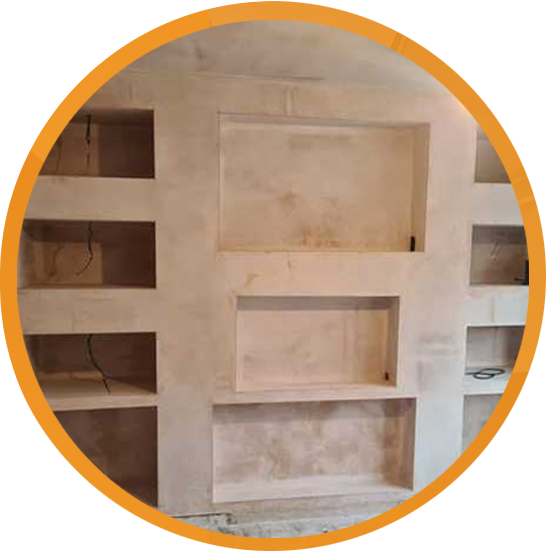
Quick Answer: Plaster typically takes 24-48 hours to become touch-dry, but requires 5-7 days minimum before painting (with a mist coat), and 14-21 days to fully cure. The exact timing depends on temperature (ideal: 18-25°C), humidity (aim for 40-60%), plaster thickness, and substrate type. Never rush—painting too early causes blistering, cracking, and paint failure. Ever wondered why your freshly plastered wall seems dry to the touch but still feels damp underneath? Understanding the drying process of plaster is crucial for achieving a flawless finish. While it may appear dry within hours, the reality is more nuanced. Plaster drying involves two key stages: touch-dry and fully cured. Each stage requires patience to avoid issues like cracking or paint flaking later on. Factors such as thickness, temperature, and humidity play a significant role in drying times. For instance, thinner layers dry faster than thicker ones, and higher temperatures can speed up the process according to industry drying studies. However, rushing the process can lead to problems like shrinkage or brittleness, especially in hot weather according to professional plastering guidance. On the other hand, cold weather may extend drying times but allows for better curing. In 2026, advanced plastering materials and application techniques have refined the drying process, but the fundamental principles remain unchanged. Modern gypsum-based plasters now incorporate improved bonding agents that enhance moisture management while maintaining traditional drying timelines. According to the Construction Products Association, understanding these properties is essential for both DIY enthusiasts and professional tradespeople working in the UK construction sector. If you’re unsure about the drying stages or need advice, don’t hesitate to contact Kent Plasterers. We’re here to help you achieve the best results for your project. Key Takeaways Touch-dry in 24-48 hours, decoration-ready in 5-7 days, fully cured in 14-21 days Thinner applications dry faster than thick basecoats (2-3mm vs 10-15mm) Ideal conditions: 18-25°C temperature, 40-60% humidity, good ventilation Different plaster types have varying drying times—gypsum faster than lime Never rush drying—causes cracking, shrinkage, paint adhesion failures Visual check: Uniform pale pink colour indicates readiness 2026 best practice: Confirm dryness with moisture meter readings below 0.5% For expert advice, contact Kent Plasterers Understanding the Plaster Drying Process Plastering a wall involves more than just applying a smooth finish—it’s a meticulous process that requires attention to detail and technical understanding. Whether you’re working on a small repair or a large project, understanding the stages from application to drying is essential for achieving a professional result. The chemical reaction between gypsum and water during plaster application, known as hydration, determines how the material sets and subsequently dries. This process involves three distinct phases: setting, drying, and curing. Overview of Plaster Application The plastering process typically begins with an undercoat, which provides a solid base for the finishing layer. Modern practice often involves applying a first coat of plaster that bonds properly to the substrate, whether it’s masonry, blockwork, or plasterboard. Each layer has distinct setting and curing times, influenced by factors like material type and environmental conditions according to construction equipment suppliers. Standard application thicknesses in 2026: Basecoats: 10-15mm thickness on masonry/blockwork Finishing coats: 2-3mm thickness for smooth surfaces Patch repairs: Match existing plaster depth Plasterboard skim: 2mm minimum coverage For instance, thicker applications may take longer to dry compared to thinner ones according to home improvement cost guides. The Building Research Establishment confirms that proper application techniques significantly reduce the risk of future defects such as cracking or delamination. Once the undercoat is applied, a finishing plaster is added to create a smooth, even surface. This stage is crucial for achieving the desired aesthetic and ensuring the wall is ready for paint or other decorative finishes. Pro Tip: The British Gypsum technical guidance, updated for 2026, recommends specific application thicknesses based on substrate type to optimize both drying time and structural performance. Always consult manufacturer data sheets before starting work. Stages from Application to Drying From the moment plaster is applied, it undergoes several distinct stages before it’s considered fully dry. The three phases of plaster drying: Phase Timeframe What Happens Key Indicators Setting 1-2 hours Chemical reaction between gypsum and water creates solid crystals Plaster firms up, becomes unworkable Drying 24-48 hours Excess water evaporates from plaster surface Touch-dry, colour lightens from dark to pale pink Curing 5-21 days Deep moisture release, plaster reaches full mechanical strength Uniform pale pink colour, cool sensation gone Initially, the surface may appear ready for decorating, but this is often just the touch-dry stage. Curing, which ensures the plaster reaches its full strength, continues beneath the surface according to indoor air quality specialists. During this period, the plaster releases moisture through evaporation, a process that must occur gradually for optimal results. Ambient temperature and humidity levels play a significant role in this process. For example, ideal conditions include a temperature range of 18 to 25 degrees Celsius and humidity levels around 40-60% according to construction drying standards. These factors help ensure even drying and prevent issues like cracking or brittleness. In the UK climate, seasonal variations significantly impact drying times: Summer applications: 5-7 days typical drying time Winter applications: 10-21 days or longer Spring/Autumn: 7-14 days depending on conditions Coastal areas: Add 2-5 days due to higher humidity Research from the UCL Bartlett School of Architecture indicates that moisture meters can provide accurate readings to determine when plaster has reached acceptable moisture content levels for decoration. Professional plasterers in 2026 increasingly use digital moisture meters that provide percentage readings, with levels below 0.5% moisture content generally considered suitable for painting. If you’re unsure about any stage of the plastering process, our team at Kent Plasterers is here to provide expert advice. We’ll guide you through each step to ensure your project is a success. Factors Influencing Drying Time The drying process of plaster is influenced by several key factors that interact in complex ways. Understanding these elements can help ensure a smooth and durable finish. From environmental conditions to material choices, each factor plays a crucial role in determining

How Long Does Plaster Take to Dry? Get the Answer Here Read More »

how to plaster a ceiling

How to Plaster a Ceiling

Quick Answer: Plastering a ceiling requires proper preparation, the right tools (trowel, hawk, mixing bucket), and gypsum-based finishing plaster mixed to a thick custard consistency. Apply two thin coats (2-3mm each), allowing 24-48 hours drying between coats. The first coat provides base coverage; the second creates a smooth, paint-ready finish. Professional plasterers spend 4-6 hours on an average room, while DIY beginners should expect 8-12 hours spread over multiple days. Complete curing takes 4-7 days before painting. In Kent, professional ceiling plastering costs £300-£600 for a standard room in 2026. Picture this: you’ve just moved into a charming Victorian home in Kent, only to notice cracks and uneven patches on the ceiling. It’s a common scenario for many homeowners in the UK. Whether it’s an old lath-and-plaster construction or a modern plasterboard system, ensuring a smooth finish is essential for both aesthetics and structural integrity according to Homes & Gardens’ renovation guide. Plastering a ceiling is one of the most challenging aspects of interior renovation. It requires not just technical skill but also physical endurance. Unlike wall plastering, working overhead demands constant arm elevation and precise control of materials. For many, it represents a significant step up in DIY capabilities. Proper preparation, the right tools, and understanding the process make all the difference. In fact, industry research from CCMPS shows that 80% of DIY enthusiasts report significantly better outcomes when using correct materials and tools. From traditional methods to modern techniques, achieving a flawless finish requires attention to detail and patience. Professional plasterers typically spend 4-6 hours on an average-sized room ceiling (approximately 12 square metres), though beginners should expect considerably longer. If you have questions or prefer professional assistance, don’t hesitate to contact Kent Plasterers for expert advice and reliable service across the Kent region. Key Takeaways Proper preparation with organised workspaces reduces application time by up to 25% according to construction efficiency studies. A consistent plaster thickness of 2-3mm (approximately 1/8 inch) is recommended for the first coat on plasterboard per British Gypsum’s 2026 application guidelines. A second coat is necessary for a smooth, even finish, particularly when working with bonding plaster or uneven surfaces. Using a float reduces surface imperfections by up to 50% according to research from the Plastering and Drywall Contractors Association. Applying a final finish with clean water and a steel trowel creates a polished, paint-ready surface. Practice plastering techniques on walls first to develop muscle memory and proper trowel control before tackling overhead surfaces. Average costs for professional ceiling plastering in Kent range from £300-£600 for a standard room in 2026, depending on ceiling size and condition. Complete curing takes 4-7 days minimum before painting, with British Gypsum recommending 14 days before applying solvent-based paints in 2026. Preparation and Materials Needed The foundation of a successful plastering project lies in thorough preparation. Gathering the right tools and materials ensures a smoother process and a professional finish. According to a 2026 survey by the Building Safety Regulator, inadequate preparation accounts for 65% of plastering failures in residential projects. Gathering Essential Tools and Equipment Having the correct tools is vital for achieving a high-quality result. Here’s what you need: Core Plastering Tools: Professional-grade plasterer’s trowel (typically 11-13 inches in length) for applying and smoothing the mixture Lightweight aluminium hawk to hold plaster during application — reduces arm fatigue during overhead work Clean mixing buckets (at least two) for preparing the mix to the right consistency Electric paddle mixer (minimum 650W) attached to a power drill for lump-free mixing in under 2 minutes Sponge float or plastering float for smoothing the surface Safety Equipment (Non-Negotiable): Properly fitted FFP2 or FFP3 mask to protect against plaster dust, which causes respiratory irritation with prolonged exposure Impact-resistant safety goggles — the Health and Safety Executive mandates full protective equipment for all overhead plastering work Dust sheets (heavy-duty) to protect flooring and furniture Sturdy scaffold tower or adjustable stilts rather than ladders — stable footing is crucial for ceiling work Organise your workspace to minimise mess and ensure efficiency. Keep mixed plaster within easy reach according to Plastering National’s preparation guidelines. Pro Tip: For those new to plastering, start with simpler wall projects before tackling ceiling work. Our guide on home DIY projects you can do without a professional offers excellent starting points to build your confidence and technique. Choosing the Right Plaster and Mix Selecting the appropriate plaster mix depends on your ceiling type and substrate condition: For Modern Plasterboard Ceilings: Gypsum-based finishing plasters like Thistle Multi-Finish offer quicker setting times and superior adhesion British Gypsum’s 2026 reformulated Thistle Board Finish provides improved workability and extended working time — approximately 90 minutes versus 60 minutes for standard formulations These work best on smooth, prepared plasterboard surfaces For Older Lath-and-Plaster Constructions: Lime-based mixes are recommended due to their breathability and flexibility These accommodate structural movement common in period properties Allow the building to “breathe” and prevent moisture trapping For Damaged or Repaired Areas: Understanding the first coat of plaster application ensures proper bonding between different layers Use bonding coat plaster for significant repairs or uneven substrates before applying finishing plaster Mixing the Plaster Correctly: Proper mixing is crucial for successful application. Follow these steps: Water-to-plaster ratio: Use approximately 0.5-0.6 litres of clean water per kilogram of plaster (varies by product — always check manufacturer specifications) Always add plaster to water, never the reverse, to prevent lumping Mix thoroughly using an electric paddle mixer (650W minimum) for under 2 minutes to achieve a lump-free consistency Target consistency: The mix should resemble thick custard or double cream — fluid enough to spread smoothly but thick enough to stay on the trowel without dripping Rest period: Allow mixed plaster to rest for 2-3 minutes before use to stabilise the chemical reaction Tool/Material Purpose Approximate Cost (2026) Trowel (11-13″) Applying and smoothing plaster £15-£45 Hawk Holding plaster during application £12-£30 Mixing Bucket Mixing and holding plaster £8-£15 FFP2/FFP3 Mask Respiratory protection from dust £2-£8 per mask Safety Goggles Eye protection from debris £5-£15

How to Plaster a Ceiling Read More »

Latest News on the Ongoing Camp Nou Transformation

Quick Answer: Barcelona’s Camp Nou renovation is on track for completion in August 2026, with 70% of seating already installed. The £1.25 billion project will expand capacity to 105,000, making it Europe’s largest football stadium. As of March 2026, 3,000 workers are installing 1,200+ seats daily, the hybrid grass pitch is being laid, and the distinctive roof structure is now complete. We’re tracking the Camp Nou transformation as it enters its final phase in 2026. The iconic Barcelona stadium has been a construction site since May 2023, according to World Soccer Talk’s project timeline. The renovation aims to create a world-class venue with 105,000 seats — Europe’s largest football stadium. As reported by the Daily Mail’s construction analysis, completion is scheduled for August 2026. Currently, approximately 1,200 seats are being installed daily across the first and second tiers, with installation rates accelerating as the project reaches critical mass. As documented by FC Barcelona’s official construction updates, nearly 70% of the seating installation is now complete. For professionals managing large-scale construction projects, the Camp Nou renovation demonstrates how specialized equipment and coordinated contractor management maintain schedule adherence on complex builds. Similar to major renovation projects across the UK, this transformation has faced challenges coordinating multiple specialist trades across overlapping work phases. Key Takeaways Completion date: August 2026, with phased reopening beginning late summer Total investment: £1.25 billion (€1.5 billion) in construction and infrastructure Capacity expansion: From 99,354 to 105,000 seats — Europe’s largest stadium Current progress: 70% of seating installed, roof structure complete, pitch installation underway Daily workforce: 3,000+ personnel working three shifts around the clock Installation rate: Over 1,200 seats per day during peak construction phases in 2026 Sustainability features: 30,000m² of solar panels generating 3MW of renewable energy Overview of the Camp Nou Renovation Project The Camp Nou transformation represents one of Europe’s most ambitious stadium redevelopment projects. The renovation will expand capacity from 99,354 to 105,000 seats while incorporating cutting-edge sustainability features, according to La Liga Expert’s comprehensive project analysis. This €1.5 billion investment will completely reimagine the fan experience. As detailed in Euro Weekly News stadium comparisons, the venue will feature 30,000 square meters of solar panels and a massive 360-degree LED screen system. Pro Tip: The Camp Nou’s integration of sustainable building materials and energy-efficient systems mirrors trends in contemporary UK commercial construction, where environmental performance increasingly drives project specifications and design decisions. Feature Specification Impact Seating Capacity 105,000 (from 99,354) Largest in Europe Solar Panel Area 30,000m² 3MW renewable energy VIP Seats 6,000+ premium positions £120M annual hospitality revenue Accessibility 340 wheelchair positions Exceeds UEFA 2026 standards Parking 4,000 underground spaces Solves match-day congestion The project also prioritizes universal accessibility. According to Barcelona Yellow’s accessibility analysis, the stadium will feature 340 wheelchair-accessible positions with companion seating, sensory rooms for fans with special needs, and barrier-free access throughout. Key sustainability achievements include: Solar panels generating 3MW of clean energy — enough to power 1,000 Barcelona households annually, based on International Renewable Energy Agency 2025 data Rainwater harvesting systems collecting and recycling over 3,000 cubic meters annually 95% of demolished materials from the original structure recycled or repurposed 30% reduction in carbon emissions compared to initial projections through efficient construction methods Advanced climate control systems reducing energy consumption by 40% versus traditional stadium HVAC Economic impact assessments from the Barcelona City Council Economic Development Department project the completed stadium will generate approximately £400 million annually for the Catalonian economy through tourism, employment, and match-day spending. Construction Timeline: Phase by Phase The Camp Nou construction timeline spans multiple complex phases, each targeting specific structural and finishing milestones. As reported by StadiumDB’s construction tracking, the project has employed over 3,000 workers during peak phases in early 2026. The project began full-scale construction after the 2022/23 season, with Barcelona relocating to Estadi Olímpic Lluís Companys. According to Football Ground Guide’s timeline analysis, completion is confirmed for August 2026, allowing the club to return for the 2026/27 season at full capacity. Phase Timeline Key Milestones Phase 1: Demolition May 2023 – Dec 2023 Third tier removal, material recycling, site preparation Phase 2: Structural Work Jan 2024 – Aug 2025 Roof structure, expanded tiers, underground parking Phase 3: Interior Fit-Out Sep 2025 – Mar 2026 Seating installation (1,200/day), VIP areas, concourses Phase 4: Technology & Pitch Mar 2026 – Jun 2026 LED screens, 5G network, hybrid grass installation Phase 5: Testing & Certification Jun 2026 – Aug 2026 Safety testing, UEFA certification, operational trials As documented by FC Barcelona’s development updates, the upper tier’s metal structure, partitions, and seating are now substantially complete. The project operates 24/7 across three shifts to maintain the aggressive August 2026 deadline. March 2026 marked several critical milestones: Hybrid grass pitch installation began using technology similar to Wembley Stadium and other elite European venues Distinctive cantilevered roof structure completed, providing complete weather protection for all 105,000 seats Seating installation accelerated to over 1,200 seats per day during peak phases Advanced building management systems went live for climate control and energy optimization 120 food and beverage outlets reached final fit-out stage Final safety testing and UEFA certification processes are scheduled for June-July 2026, ensuring compliance with all international standards before the official reopening. The integration of complex systems like advanced acoustic ceiling systems requires precise coordination between specialist trades. Architectural Design and Features The new Camp Nou showcases visionary architectural design that balances Barcelona’s footballing heritage with cutting-edge innovation. Created by renowned Japanese architect Nikken Sekkei in collaboration with Barcelona-based Pascual i Ausió Arquitectes, the design represents a masterclass in contemporary stadium architecture. According to StadiumDB’s architectural analysis, the stadium features a distinctive cantilevered roof with integrated solar panels that generate approximately 3 megawatts of clean energy — equivalent to powering 1,000 Barcelona households annually. Pro Tip: The roof’s advanced engineering uses principles similar to modern acoustic ceiling systems in contemporary construction, providing weather protection while maintaining excellent sightlines and natural ventilation. Signature architectural features include: 360-degree LED screen system: 1,500 square meters of combined display area

Latest News on the Ongoing Camp Nou Transformation Read More »

Construction Hoarding: Site Security Guide

Construction hoarding is key for construction sites. It acts as a barrier between the site and the public. It must be at least 2 metres high to be effective1. We’re here to guide you on choosing the right barriers and enclosures for your site. For plastering needs, contact Kent Plastering. Hoarding reduces visual and noise disturbances, vital in residential or commercial areas1. It also stops unauthorized access 24/7, meeting HSE’s Construction (Design and Management) Regulations2. We’ll look at the benefits, needs, and suppliers of construction hoarding, including barriers and enclosures. Key Takeaways Construction hoarding is essential for site safety and security It helps reduce visual and noise disturbances in residential or commercial areas Regular inspections of hoarding are essential to maintain compliance with HSE regulations2 Construction hoarding can be made from various materials, including steel and timber1 Compliance with HSE guidelines is crucial to avoid penalties from authorities2 Construction hoarding can be customized to enhance marketing efforts and build anticipation for construction projects2 Steel hoarding is fully reusable and often chosen for long-term projects due to its customization options and ease of installation2 What is Construction Hoarding? Construction hoarding is a strong, temporary barrier made from thick boards. It goes around the edge of a building site. Its main job is to keep the site safe and protect nearby people from dangers3. It also acts as a temporary fencing solution and construction site privacy screen, keeping everything secure. There are different kinds of hoarding, like timber, steel, and plastic. Each has its own good points and downsides. For instance, timber is cheaper, but steel lasts longer and needs less upkeep4. We also use builder hoardings to add extra safety and protection. When choosing hoarding, think about its height, material, and design. Hoardings should be at least 2.4 meters tall, sometimes going up to 3 meters3. The material affects the cost and how much upkeep it needs. It’s important to check hoardings often to make sure they’re still safe5. Need plastering help? Contact Kent Plastering. Our team can give you advice on hoarding and temporary fencing. Benefits of Using Construction Hoarding Construction hoarding brings many benefits, like safety and security, better looks, and less noise and dust6. It keeps the public safe from construction dangers and makes a safe place for workers. Using fence panels and barriers helps keep sites secure and stops unwanted visitors7. It also makes construction sites look better. We can design the hoarding to show off our project and brand8. Plus, it helps keep noise and dust down, making the area nicer for everyone nearby. Some main benefits of construction hoarding are: Improved site security and safety Enhanced visual appeal and branding opportunities Noise and dust control Protection of the public from construction hazards Investing in good construction hoarding means a safer and better project. Contact Kent Plastering for your plastering needs6. Choosing the Right Construction Hoarding Choosing the right construction hoarding involves several factors. These include the project type, location, and budget. We need to decide between temporary and permanent solutions based on the project’s needs. For example, temporary barriers might work for short projects, while permanent ones are better for longer ones9. The cost of construction hoarding varies a lot. Prices depend on the materials and project size. For instance, hiring steel hoarding can start at £2.80 per unit per week (excluding VAT), while buying starts at £60.50 per unit (excluding VAT)9. Sustainable options, like those from Hoard-it, offer a green and affordable choice with reusable parts and a carbon-neutral model10. Important things to think about when picking construction hoarding include: Local laws and health and safety rules How long it lasts and how to keep it up How it looks and if it can be branded Its impact on the environment By looking at these points and the project’s specific needs, we can find the best hoarding. This ensures a safe, efficient, and affordable build. For plastering needs, contact Kent Plastering for expert services. Design Options for Construction Hoarding We know how crucial it is to make construction site privacy screens look good. With the help of11, we can add custom graphics and branding. This can include logos, images, and text that show off the project’s spirit. Choosing the right color and material for builder hoardings is key. According to12, you can pick from timber and steel. Timber is great for smaller projects, while steel is better for bigger ones. Adding community messages to construction hoarding can really connect with locals. We can share project details like its purpose, timeline, and benefits11. This builds trust and goodwill, making the construction process better for everyone. Need help with your construction project? Contact Kent Plastering for plastering services. They can help design a construction hoarding that fits your needs. Material Advantages Disadvantages Timber Eco-friendly, cost-effective May not be as durable as steel Steel Durable, strong May be more expensive than timber Compliance and Regulations At construction sites, following local rules is key. This means using site security barricades, outdoor barriers, and hoarding for safety13. The Health and Safety at Work etc. Act 1974 makes it clear that employers must keep everyone safe13. In the UK, the Construction (Design and Management) Regulations 2015 outline duties for clients, designers, and contractors14. Section 17 of the 2015 Regulations says sites must stop unauthorized entry13. It’s also important to check hoardings often for safety and strength15. Some important things to remember for compliance are: Stopping unauthorized site access Keeping the site clean and safe with clear signs and fencing Identifying hazards and assessing risks before setting up site perimeters Using construction hoarding is vital to keep sites safe and prevent unauthorized entry14. By sticking to these rules, sites can be safe for everyone involved. We suggest contacting Kent Plastering for plastering work. Following these guidelines helps avoid risks and ensures a project’s success15. Construction Hoarding Installation Process Setting up construction site barriers, site safety enclosures, and temporary fencing is key. We know how important it is to do it

Construction Hoarding: Site Security Guide Read More »

BWIC: The Key Construction Term You Need to Know

In the construction world, hundreds to thousands of tenders are up for grabs at any time1. It’s vital to grasp terms like bwic meaning construction. In the UK, knowing the bwic definition construction is key for project success. Understanding what is bwic in construction helps avoid risks to your reputation. For plastering needs, contact Kent Plastering. Key Takeaways Understanding bwic definition construction is essential for construction projects. BWIC tasks are critical for integrating mechanical, electrical, and plumbing (MEP) systems, which are crucial for 90% of modern construction projects2. Clear payment provisions are crucial; ambiguous terms can lead to disputes1. Building relationships with clients and suppliers can enhance chances of winning tenders1. The integration of BWIC tasks into project planning can reduce overall project costs by 15-20%2. Assessing profit margins is essential to ensure projects are financially viable1. What Does BWIC Mean in Construction? In the construction world, BWIC is a key term. It stands for bwic abbreviation construction or bwic acronym construction. In the building industry, bwic meaning in building industry means specific tasks linked to a main project3. These tasks help projects run smoothly by cutting down on delays and mistakes, which can save up to 30% of project time3. BWIC includes important tasks like setting up HVAC, electrical, and plumbing systems2. Making sure structural openings are precise is crucial. Any mistake can cause delays and extra costs2. Managing BWIC well can save 10-15% of costs by tackling extra work early3. Some important parts of BWIC are: Creating openings for HVAC ducts and other systems Building supports for heavy equipment, like chiller units Putting in fire-stopping to keep fire safety high Adding BWIC tasks to project planning can cut costs by 10%2. This is because it helps with accurate budgeting and using resources wisely2. Understanding BWIC’s role in construction helps us see its big impact on project success. The Role of BWIC in Project Management In the construction world, the bwic construction acronym is key. It stands for Builder’s Work in Connection. This term is vital for linking building services in projects, making sure all trades work together smoothly4. A clear bwic definition can cut down on rework by up to 30%, saving a lot of money4. BWIC covers important tasks like ancillary, coordination, and finalization works. These are crucial for finishing a project3. Good bwic management can save up to 20% of costs by spotting and fixing issues early3. It also cuts down project delays by about 30%, making sure everything is done on time3. Understanding the bwic term is crucial for project success. It leads to more efficient projects, less delays, and more savings4. Good communication among team members can boost project success by up to 35%, helping with bwic tasks3. Adding bwic to the planning phase can lower project costs by 20%4. Detailed bwic records can also make tracking projects 50% more efficient, helping manage scope and costs better3. So, the bwic acronym is crucial for project success, making it vital for managers to grasp its importance4. How to Use BWIC in Construction Contracts Understanding BWIC in construction is key for any project’s success. BWIC stands for Best Work In Construction, covering all construction activities and processes. Including BWIC in contracts is vital to ensure everyone knows the required works and can plan well5. This prevents misunderstandings and disputes that might happen during the project. In construction contracts, BWIC must be clearly defined to avoid confusion. This can be achieved by including a detailed description of the work, timelines, and expectations in the Closed Tender or contract documents5. This way, everyone is on the same page, and the project will run smoothly. Managing BWIC well can cut unexpected expenses by 15-20% during construction3. Some important points to remember when including BWIC in construction contracts are: Clearly define the scope of work and expectations Set timelines and milestones Specify the work standards and quality needed Outline communication and reporting needs By following these tips and including BWIC in construction contracts, professionals can ensure their projects are well-planned and completed successfully. This is crucial for understanding BWIC in construction and its meaning3. The Connection Between BWIC and Budgeting Understanding bwic definition construction is key to good budgeting. In construction, managing money is vital, as projects need a lot of investment6. The UK’s use of Building Information Modelling (BIM) shows its value in planning costs6. Knowing what is bwic in construction helps manage costs well. It’s crucial to match client needs with budget limits early on6. Whole life cycle costing (WLCC) is also vital for budgeting, focusing on long-term costs6. These steps help avoid cost overruns and ensure projects succeed. Some important budgeting points in construction are: Cost planning and estimation Client needs and budget constraints Whole life cycle costing (WLCC) Grasping the link between bwic definition construction and budgeting helps manage finances better6. This knowledge is vital for project success and helps construction firms handle budgeting and cost control. Common Misunderstandings About BWIC We often come across wrong ideas about bwic in the construction world. Bwic is about a key part of building projects. It’s vital to know its role in managing construction7. Many think bwic is misunderstood, so it’s key to clear up its meaning and why it matters7. One big mix-up is mixing bwic with other building terms. This can cause confusion and bad communication. It’s important to know exactly what bwic means in building projects8. Some myths say bwic is only for big projects or is hard to understand. But, bwic is for all kinds of projects, big or small. Its ideas are easy to get7. By clearing up these myths, we can improve how we talk and work in building projects. Bwic is crucial for managing projects well and talking clearly It makes sure everyone knows what the project needs It makes the building process open and fair By seeing how important bwic is, we can make building projects better and more successful8. How BWIC Affects Subcontractor Relationships In the building industry, understanding

BWIC: The Key Construction Term You Need to Know Read More »

BISF Construction: A Modern Building Solution

In the UK, about 700,000 homes are not standard, including BISF houses1. BISF construction is a modern way to build homes. It started in the mid-20th century to solve the housing crisis after World War II. Many BISF homes have lasted longer than expected, with some over 60 years old2. We use steel frame houses and materials for affordable, sustainable homes. Non-traditional homes were made to quickly solve the housing shortage after World War II3. BISF construction is a good choice for those wanting affordable, green homes. For plastering needs, contact Kent Plastering. Key Takeaways BISF construction is a modern building solution that has been around since the mid-20th century Approximately 700,000 non-standard construction homes exist in the UK, including BISF houses1 Many BISF homes have exceeded their expected lifespan of 40 years, with some still standing at over 60 years old2 Non-traditional construction methods were mainly made to quickly solve the housing shortage after World War II3 BISF construction uses steel frame houses and materials for affordable, sustainable homes For all your plastering needs, consider getting in touch with Kent Plastering What is BISF Construction? We’re looking into BISF construction, a way to build homes using steel frames and prefabricated panels. It started in the 1940s by the British Iron and Steel Federation to tackle the housing shortage. It’s key for affordable housing and sustainable building, mainly in residential construction. Over 6 years, over 35,000 BISF houses were built in the UK4. Between 1946 and 1966, around 156,000 BISF houses were built5. BISF construction uses steel frames, prefabricated panels, and quick assembly. Houses were built fast, often in weeks5. They were made with steel frames and covered with asbestos cement panels or metal sheets5. Today, about 50,000 BISF houses remain in the UK, mostly in Scotland and England5. Benefits of BISF construction include: Lower construction costs Faster construction time Energy efficiency upgrades are often necessary due to insulation issues5 BISF houses are often cheaper than brick-built houses4. But, getting a mortgage can be tough because of the Housing Defects Act (1985)4. The average price of a BISF house is £150,0005. BISF construction is a smart way to build homes. It’s affordable and sustainable. We’ll look into its benefits, materials, and methods. This will give us a full picture of residential construction using BISF. Advantages of BISF Construction BISF construction is known for its speed, cost savings, and lasting quality. It uses steel frames for quick house building. This method is great for making energy-saving homes. After World War II, about 30,000 BISF houses were built in the UK6. The benefits of BISF construction are many. Some key points include: Speed of construction: BISF houses are built fast, saving time and effort. Cost-effectiveness: It uses prefabricated parts and steel frames, cutting down on waste and labor costs. Durability and longevity: BISF houses are built to last, needing little upkeep and are energy efficient. Many BISF homes are still around today, showing they were meant to last7. Keeping them in good shape is key to their long life. Adding new insulation and framing makes them even better at saving energy and money. In summary, BISF construction is a smart choice for building homes. It’s fast, affordable, and strong. It’s a good way to meet the UK’s housing needs. Materials Used in BISF Construction We use many materials in BISF construction to make buildings sustainable and affordable. The choice of materials affects the quality and durability of the structure. BISF houses were built with prefabricated panels from concrete, asbestos, and steel8. These materials help make the buildings sustainable. Prefabricated components, like panels and frames, are made from concrete, asbestos, and steel. Insulation is key in BISF construction for energy efficiency. Common insulations include glass quilting and fibre wool9. The right insulation depends on climate, budget, and personal choice. Structural steel is vital in BISF construction, forming the house’s framework. The steel columns support standard metal windows. The upper floor’s outer cladding is steel trussed sheeting fixed to the columns8. Steel makes BISF construction quick and efficient, perfect for affordable housing. The materials in BISF construction are durable and sustainable. Prefabricated components and insulation make houses energy-efficient and eco-friendly. As we innovate, we’ll see more sustainable and affordable housing options. BISF Construction Techniques BISF construction has seen big improvements over time. It now uses both old and new methods. Prefabricated panels and steel frames are key, making buildings go up fast. This is great for homes, where quick and efficient building is important. About 26,000 BISF houses are in the UK, mostly in Glasgow and Liverpool10. There’s a big push for making BISF homes more green and energy-saving. Eco-friendly materials and better insulation are used. This makes homes that are good for the planet. Steel frames also help, making buildings strong and easy to look after. Well-kept BISF homes can last a long time without needing much work. Renovations need light materials to avoid damaging the building11. Some main benefits of BISF building are: Less time to build Greener and more energy-efficient Strong and easy to keep up Costs less These points make BISF a good choice for building homes that save energy. As we keep improving BISF, we’ll see even better, greener ways to build homes in the future. Typical Applications of BISF Construction BISF houses were made for homes but are also used for business and temporary needs12. This makes BISF a great choice for many projects, like affordable housing. It’s also good for the planet because it uses green materials13. BISF homes save energy and money14. But, they might cost more to heat because of thin walls and roofs12. To fix this, you can add better insulation and roofing14. Some main uses of BISF construction are: Residential buildings, like semi-detached and terraced houses Commercial spaces, like offices and shops Temporary places, like emergency homes and disaster shelters Using affordable housing and sustainable building ideas, BISF offers many benefits12. It helps save money and energy. As people want more green

BISF Construction: A Modern Building Solution Read More »

SVP Meaning: What It Means in the Construction Industry

Drainage systems in buildings are complex, and the Soil Vent Pipe (SVP) is key. It helps manage pressure and keeps foul smells and gases out. It’s important to have access points for maintenance1. Understanding SVPs is vital for drainage systems to work well and safely. A good SVP prevents pressure buildup, which can cause bad smells. Access points should be in the roof or at flat roof level for easy testing1. Soil pipes come in 110mm and 160mm sizes, with 110mm being common above ground2. SVPs are crucial for drainage systems to operate efficiently and safely. In the UK, waste pipe sizes are 32mm, 40mm, and 50mm. A typical 110mm PVC-U soil system has a vertical stack and is vented through or above the roof2. Key Takeaways SVPs are important for managing pressure and keeping buildings free from foul smells and gases. Access points for maintenance should be at 3 storey intervals or less, above appliance spillover levels1. A well-designed SVP prevents pressure buildup, which can cause bad smells and gases. Soil pipes are usually 110mm or 160mm, with 110mm being common above ground2. For plastering needs, contact Kent Plastering. SVPs are essential for drainage systems to work efficiently and safely, key to svp meaning construction and definition. It’s important to maintain soil and waste systems to avoid blockages, a common plumbing problem2. Understanding SVP in Construction Context In construction, SVP stands for soil vent pipe. It’s key for managing pressure in drainage systems. This prevents pressure buildup, which can cause bad smells and gas emissions3. Simply put, it’s a pipe that lets air and gases move in and out, keeping the system working right. A good SVP stops pressure buildup, avoiding bad smells and gas. Traditionally, SVPs were cast iron, but now plastic is more common4. For example, a well-made SVP stops pressure buildup, keeping the system safe and clean. For more on SVPs, contact Kent Plastering. When designing an SVP system, consider a few things: * The material, like cast iron or plastic * The size and shape of the SVP * Where the SVP is placed in the system * Regular checks to make sure it works well3 Common Uses of SVP in Construction In the construction world, you might hear about SVP. It stands for svp abbreviation construction or svp construction acronym. Let’s look into how SVPs help keep drainage systems running smoothly. SVPs are key in managing pressure in drainage systems. They stop pressure from building up, which can cause bad smells and gases5. This is vital in tall buildings, where plumbing is far from the main drainage line. Proper venting is needed to avoid pressure issues6. Some important things about SVPs in construction are: They need to be installed correctly, with brackets and supports every 1.2 to 1.5 meters5. They must follow local building codes to avoid fines of $500 to $5,0005. Regular checks are needed to stop blockages and leaks, suggested every 6 to 12 months5. Understanding SVPs in construction shows their vital role in keeping buildings safe and healthy. Whether called svp abbreviation construction or svp construction acronym, their importance is clear. Need help with SVP installation or maintenance? Contact Kent Plastering for expert and dependable services. Benefits of Implementing SVP Using SVP in the building industry brings many advantages. It makes projects more efficient and cuts down costs. Knowing the svp meaning in construction terminology helps professionals design and manage projects better. The first web source says SVPs prevent pressure buildup in drainage systems7. This stops foul odors and gases from being released, which is bad for health and the environment. In the svp in building industry world, good drainage is key. A well-planned SVP stops pressure buildup, avoiding bad smells and gases. This means projects run smoother and cheaper. For example, a 110mm PVC-U soil system has a vertical stack and a main drain, vented through the roof2. SVPs also save money by avoiding expensive fixes and upkeep. By knowing the svp meaning in construction terminology and using SVPs, projects get better and cheaper. Contact Kent Plastering for plastering work and they’ll help with SVPs. With their help, your project will be done well and fast, saving money and improving efficiency7. How SVP Affects Project Management SVP construction terminology is key in the building world. It greatly affects how projects are managed. SVP meaning construction is linked to managing drainage systems well. This stops pressure buildup and foul smells and gases. According to8, 88% of top executives say projects must align with strategy to succeed. SVPs are crucial in this alignment. SVPs give project managers the info they need for drainage system decisions. They understand the svp construction terminology interpretation and its project relevance. A good SVP ensures the drainage system works right, avoiding errors and costly fixes8. Clear communication is vital in project management. SVPs help by explaining the drainage system clearly. This makes team and stakeholder communication better, leading to more efficient projects and lower costs8. For plastering needs, contact Kent Plastering. They offer expert advice and services for top-quality project completion. Understanding SVPs in project management helps professionals. They ensure projects have the right drainage systems. This leads to successful outcomes and lower costs8. Key Stakeholders Involved in SVP Understanding the svp construction definition is key when dealing with Soil Vent Pipes (SVPs) in construction. SVPs are crucial for keeping buildings clean and safe by letting sewer gases out. The question of what does svp stand for in construction is important to many in the field. Project managers, architects, and engineers are at the heart of SVP projects9. These professionals work together to make sure SVPs are properly designed and installed. Project managers ensure SVPs are part of the project plan. Architects and engineers focus on the design and installation of the drainage systems. For expert advice on SVP installation and maintenance, contact Kent Plastering. The materials used for SVPs are important. They are usually made of cast iron or plastic, with cast iron used for

SVP Meaning: What It Means in the Construction Industry Read More »

Mastering NVQ Level 6 Construction Site Management

We’re excited to dive into the world of construction site management. The NVQ Level 6 is like a Bachelor’s degree1. It’s for those already in the construction field aiming for site management roles1. This field is fast-paced and demanding, needing technical skills, leadership, and hands-on experience. For those looking to manage construction projects well, the NVQ Level 6 is key. It boosts your career, possibly leading to top management roles1. For plastering needs, consider Kent Plastering. They know how crucial NVQ Level 6 and construction site management certification are. Key Takeaways NVQ Level 6 Construction Management is like a Bachelor’s degree1. The qualification opens doors to further education, like a Master’s degree or Chartered status1. NVQ Level 6 shows you have advanced skills, knowledge, and experience in site management2. Getting an NVQ Level 6 can make projects run better, from planning to completion2. The Level 6 NVQ Diploma is widely recognised, boosting your job prospects in construction3. Assessments include building a portfolio, writing assignments, practical tests, and exams3. Mastering NVQ Level 6 and higher construction qualifications can really advance your career. It makes you a strong candidate for senior roles2. It also ensures you meet industry standards, making you a valuable team member2. This qualification also helps in personal growth. It improves leadership and management skills, like motivating teams and handling conflicts2. Plus, it opens doors to further education, like a Master’s degree or Chartered status1. Understanding NVQ Level 6 Construction Site Management Exploring construction site management, NVQ Level 6 qualifications are key. They offer a great way to boost your career4. These qualifications focus on advanced construction site supervision, helping you improve your skills and knowledge. In the construction world, site manager training is vital for project success. NVQ Level 6 meets the needs of those looking to grow professionally. It provides a variety of construction management courses to pick from4. You need to complete at least 20 units to get the Level 6 Construction NVQ, with 18 must-do units and 2 optional ones5. Getting NVQ Level 6 qualifications brings many benefits. It can lead to better job opportunities and higher pay. For example, a Construction Safety Manager can earn between £34K and £54K a year5. With the right site manager training and construction management courses, you can reach your career goals. Investing in advanced construction site supervision and construction management courses opens doors in the construction industry. NVQ Level 6 qualifications offer endless possibilities and great rewards4. Key Competencies and Skills Required To do well in construction site management, you need both management skills and technical knowledge. Getting construction industry qualifications is key for moving up in your career. The NVQ Level 6 in Construction shows you’re serious about quality and standards6. It can also get you the CSCS Black Manager Card, opening more doors6. For NVQ Level 6 Construction Site Management, you need skills in planning, monitoring, and health and safety. The ProQual Level 6 NVQ Diploma is recognized everywhere, helping site managers in all sectors7. To finish the ProQual Diploma, you must get 20 units, with 8 must-haves for management skills7. These skills are vital for handling big construction projects safely and well. Getting these skills and qualifications can boost your career, improve project management, and increase your pay. Companies with CITB can get up to £1,500 back for each learner who finishes NVQ6. The qualification also gives free Mental Health First Aid for Level 6 learners, helping team wellbeing7. Investing in professional development in construction and getting construction industry qualifications puts you ahead in the game and helps projects succeed. The Benefits of Achieving NVQ Level 6 Getting NVQ Level 6 in Construction Site Management brings many benefits. It can help you move up in your career and earn more8. This qualification is also known worldwide, which is great for jobs in places like Australia, Canada, and New Zealand8. Many people who get this qualification become construction managers, project managers, or contracts managers8. Having a construction site management certification shows you’ve studied hard and are very skilled. It’s like having an undergraduate degree9. This qualification is a strong base for growing in the construction world. It helps you go from being a site supervisor to a project manager or a senior manager8. You’ll be tested with a portfolio, professional talks, and knowledge tests to prove you’re good at your job8. Some of the main benefits of getting NVQ Level 6 are: More money in better jobs8 Better skills in managing projects8 Being seen as very skilled and educated9 More chances to move up in the construction field8 In summary, getting NVQ Level 6 in Construction Site Management is a smart choice for career growth in the construction field8. It shows you’ve done deep study and are very skilled. This can lead to better jobs and more money9. How to Enrol in NVQ Level 6 Courses To start NVQ Level 6 courses, first find a training provider. Look for ones that offer site manager training and construction management courses. MT Training is a good choice, with online NVQs in carpentry, plastering, and brickwork10. Make sure the course meets industry standards. After picking a provider, apply for the course. You’ll need to fill out an induction checklist10. An assessor will guide you and contact you within 3 days10. Think about the course length, which is 3 to 6 months11, and the payment, which is 50% upfront11. The NVQ Level 6 Construction Site Management course has 8 units10. You must pick 4 units from 14 options10. You’ll show your skills through videos, witness statements, and discussions10. For site manager training and construction management courses, contact Kent Plastering. Also, you’ll get a Pearson Edexcel NVQ Level 6 qualification and a CSCS Managers Black Card for free11. Your evidence will show your skills, experience, and knowledge11. Remember, you must be 16 or older and have good English skills11. Assessment and Certification Process The process of getting certified for NVQ Level 6 Construction Site Management might seem tough. But it’s

Mastering NVQ Level 6 Construction Site Management Read More »

Non-Standard Construction Houses: Thinking Outside the Box

More people are choosing non-standard construction houses for their unique designs. About 150,000 steel-framed houses were built in the UK after World War II by the British Iron and Steel Federation (BISF)1. These homes are becoming popular for their custom features, with materials like timber saving money compared to brick or stone1. These houses use thin-shell concrete, a new building method used worldwide. It’s perfect for creating one-of-a-kind homes1. For plastering needs, contact Kent Plastering. Consider non-standard construction houses for your next project for their unique designs. Key Takeaways Non-standard construction houses offer unique and customized living spaces, such as unique home builds. Non-standard construction materials, like timber, can lead to potential savings compared to traditional materials, such as brick or stone walls1. Non-standard construction houses can be built using thin-shell concrete, which is a novel construction technology that has been used globally for years1. Non-standard construction houses, such as non standard construction houses, are becoming increasingly popular as homeowners look for unconventional housing design. Get in touch with Kent Plastering for your plastering needs, and consider non standard construction houses for your next project. Non-standard construction houses can offer a range of benefits, including unique architectural styles and customization options, which can be classified as non standard construction houses1. Understanding Non-Standard Construction Non-standard construction houses use alternative building methods and innovative construction techniques. This makes them different from traditional houses. About 1.5 million non-standard homes exist in the UK2. They are custom-built to fit the needs of homeowners, offering a unique living space. Types of non-standard homes include prefabricated houses, thatched properties, and listed buildings3. These homes can be hard to get mortgages for because of their unique materials and building methods4. Yet, they might be cheaper than standard homes for some buyers2. It’s important to know the pros and cons of non-standard construction homes. Some advantages are: Unique and tailored living spaces Potentially more affordable options Environmentally friendly building methods For plastering needs, contact Kent Plastering. For more on non-standard homes, talk to experts4. Key Materials Used in Non-Standard Construction Non-standard construction is all about being innovative and eco-friendly. It focuses on making homes that are good for the planet. Timber frame construction is a big hit because it’s sustainable and eco-friendly5. It cuts down on waste and reduces the environmental harm of building, making it a great choice for eco-conscious homeowners. Materials like recycled metal, low-carbon concrete, and reclaimed wood are key in non-standard construction. They’re not just good for the planet but also add a special look to homes. Plus, materials like insulated panels and SIPs help make homes more energy-efficient6. These materials help lower the building’s carbon footprint and make homes cozy. Choosing the right materials for non-standard construction is important. You need to think about how long they last, how easy they are to look after, and their cost. For example, timber-framed houses need regular treatment to stop rot and pest damage, while steel-framed homes can rust over time5. Knowing what each material is like helps homeowners make smart choices and build homes that are both sustainable and fit their values. For plastering needs, contact Kent Plastering. By using eco-friendly architecture and sustainable housing in non-standard construction, we can build homes that are unique and kind to the environment. As we explore new materials and methods, we’ll see more eco-friendly non-standard homes. These homes will focus on the health of people and the planet. Design Innovations in Non-Standard Construction In the world of non-standard construction, unique home builds and unconventional housing design are more than just trends. They are essential. Designers and architects are creating sustainable, eco-friendly buildings. Many manufacturers have earned Buildoffsite Property Assurance Scheme (BOPAS) accreditation. This means their factory-built homes last at least 60 years, longer than traditional homes. Thin-shell concrete is a big innovation in non-standard construction. It can be shaped in many ways, making it perfect for unique home builds and unconventional housing design. This lets homeowners design their dream home. For plastering needs, contact Kent Plastering. A new-build project usually takes 18 months, saving about 14 months with modern construction methods. Non-standard construction offers many benefits: It saves time It’s more sustainable It ensures better quality The Self-build and Custom Housebuilding Act 2015 requires authorities to keep a self-build register. This can boost the number of unique home builds and unconventional housing design. Thanks to technology and new materials, the future of non-standard construction looks bright. We’ll see more unique home builds and unconventional housing design. Cost Considerations for Non-Standard Construction Building custom homes comes with its own set of costs. We must weigh the initial cost against long-term savings. Modular construction, for instance, can save money over time7. It’s also better for the environment, reducing waste and pollution. Non-standard construction can cut down on expenses. Modular homes use less material and labor, saving money. They also use less energy, which means lower bills and more savings8. But, there are risks like higher insurance and fewer mortgage options. When looking at non-standard construction costs, consider these points: Initial investment: Non-standard homes might cost more upfront. Long-term savings: They can save money over time with energy efficiency and lower maintenance. Insurance costs: These homes might cost more to insure due to their unique nature7. For plastering needs, contact Kent Plastering. We can guide you through non-standard construction and suggest the best methods for your project. Regulatory and Zoning Challenges Non-standard construction faces big hurdles like regulatory and zoning challenges. We must deal with complex building codes and compliance rules. These can be slow and hard to predict9. Zoning rules also limit the use of new building methods, making it key to find ways around these issues. Using sustainable housing solutions, like timber frame construction, can help. It cuts down waste and environmental harm10. This method is also cheaper, needing less expensive materials and labor. The UK government aims to use more new building methods in public projects, boosting demand for green homes10. To beat zoning rules, we must

Non-Standard Construction Houses: Thinking Outside the Box Read More »

The Ultimate Guide to Castle Construction for Beginners

Quick Answer: Castle construction is a multi-year endeavor requiring careful site selection, skilled craftspeople (stonemasons, carpenters, blacksmiths), and substantial investment. Medieval castles took 2-10 years to build, employed hundreds to thousands of workers, and cost between £1,000-£30,000 historically (approximately £85 million-£2.5 billion in 2026 values). Modern castle restoration combines traditional techniques like lime mortar pointing with contemporary building standards, energy efficiency measures, and heritage compliance. We’re excited to share our knowledge on castle construction. This complex process needs careful planning, skilled hands, and substantial resources. Castle building has a rich history spanning approximately 1,000 years, from the 5th to the 15th century according to educational historians studying medieval architecture. We’ll explore the key steps to build a castle, from selecting the right location to choosing appropriate materials—all vital for successful fortress building. For comprehensive technical reference, “Castle Builders: Approaches to Castle Design and Construction in the Middle Ages” maintains a 4.4 out of 5 star rating from 40 reviews on major book retailers. Defensive Features in Medieval Castle Design Castles utilized natural moats—like rivers—for defense according to castle anatomy studies. Construction required hundreds to thousands of workers, including specialized masons, carpenters, and blacksmiths. This guide serves both history enthusiasts and heritage restoration professionals. Building a castle represents a substantial undertaking, typically requiring several years to decades for completion. English Heritage notes that medieval castle construction demanded coordination between numerous specialized trades—from quarrymen extracting stone to master masons overseeing intricate stonework. The principles learned from castle construction continue influencing modern heritage restoration projects. Professional craftspeople today, including specialists in Venetian plaster walls and traditional lime-based finishes, apply centuries-old techniques to preserve historic structures while meeting contemporary building standards. Key Takeaways Castle construction involves meticulous planning, skilled craftsmanship, and significant financial resources. Castle building history spans approximately 1,000 years, from the 5th to 15th century. Natural defensive features like rivers and elevated positions enhanced castle security. Skilled labor pools of hundreds to thousands of workers were essential for major projects. Construction timelines typically ranged from several years to decades depending on castle size and complexity. Modern castle restoration must balance historical authenticity with contemporary building regulations and safety standards. As of 2026, UK heritage bodies report increased investment in castle preservation, with Historic England allocating over £45 million annually to castle conservation projects. Professional plastering services can provide expert guidance for heritage restoration work incorporating traditional techniques. Understanding the Basics of Castle Construction Exploring castle construction reveals a discipline rich in history, engineering, and cultural significance. Early medieval castles began as timber and earthwork structures. Later builders transitioned to stone due to timber’s vulnerability to fire and decay according to construction history resources. This shift from timber to stone marked a significant advancement in castle architecture. Stone structures offered superior protection against siege weapons and fire attacks. Construction Timelines and Investment Fortress building required consideration of traditional construction methods. Building stone castles took years, even decades—demonstrating enormous investment in time and resources. Lime mortar proved essential for binding stones together, creating strong and lasting structures according to Building Limes Forum research. Lime mortar’s flexibility and breathability made it ideal for medieval stonework, allowing structures to settle and move slightly without cracking. Pro Tip: Understanding plastering sand quality remains as critical today as in medieval times. The correct sand-to-lime ratio ensures mortar joints withstand centuries of weathering while maintaining structural integrity. Castle Project Timeline Cost (Historical) 2026 Equivalent Edward I Welsh Castles 1277-1304 £100,000 ~£95 million Typical Medium Castle 2-10 years £1,000-£30,000 £85m-£2.5bn Guédelon Castle (France) 1997-2028 (projected) N/A (experimental) €70+ million King Edward I spent approximately 100,000 pounds on castles in Wales—equivalent to roughly £95 million in 2026 currency when adjusted for inflation and economic context according to Bank of England inflation calculators. Project Guédelon, a modern experimental archaeology castle project, started in 1997 and continues into 2026 with completion anticipated by 2028 per Guédelon Castle’s official project documentation. This remarkable endeavor uses only 13th-century tools and techniques, providing invaluable insights into medieval construction methods that inform contemporary restoration work across Europe. Castle Architecture Components Castles incorporated multiple defensive and functional elements: Moats — water barriers preventing siege equipment approach Battlements — crenellated parapets providing cover for defenders Towers — elevated positions for surveillance and defensive fire Curtain walls — thick perimeter walls connecting towers The keep — central stronghold serving as final refuge Bailey — outer courtyard for housing troops and supplies When building new castles or restoring historic structures, professionals must remember their historical and cultural significance. We can blend traditional historical construction techniques with modern safety requirements and building regulations updated in the UK’s 2026 Building Safety Act amendments. Planning and Designing Your Castle Planning and designing a castle demands careful consideration of multiple factors. Site selection requires analyzing terrain, climate, and resource access—particularly water and stone according to medieval planning studies. Medieval builders understood the strategic importance of elevation. Castles positioned on hills or rocky outcrops gained natural defensive advantages while reducing the volume of stone needed for foundations. Essential Design Considerations A successful castle design incorporates windows, doors, and a floor plan suited to its intended purpose. Stone masonry selection remains vital—choosing appropriate stone types and skilled craftsmen proves crucial for structural integrity. The Guédelon project demonstrates how meticulous planning and design lead to remarkable results according to archaeological construction studies. Modern castle designs must also consider listed building consent requirements in the UK, ensuring any alterations respect the structure’s heritage value. Pro Tip: In 2026, castle restoration projects increasingly incorporate RICS conservation standards that mandate comprehensive condition surveys using laser scanning and thermographic imaging. These technologies assess structural integrity without invasive testing, preserving historic fabric while ensuring safety. Key Planning Elements Location selection — Consider accessibility, defense capabilities, and resource availability. Medieval planners favored sites with natural water sources, quarries within reasonable distance, and commanding views of surrounding territory. Modern site selection must also account for flood risk assessments mandated by UK planning authorities. Functional floor planning — Design layouts incorporating windows, doors, and storage

The Ultimate Guide to Castle Construction for Beginners Read More »