Uncategorized

specialist applying damp proof plaster

Damp Proof Plaster: Moisture-Free Walls Guide

Quick Answer: Damp proof plaster is a specialized moisture-resistant plastering solution that contains hydrophobic additives to repel water while allowing walls to breathe. It costs £35-£45 per square metre and requires a 14-day drying period before decorating. Professional installation is essential for optimal results. Struggling with persistent wall moisture? Discover how damp proof plaster can transform your home into a dry, healthy haven – without breaking the bank. Understanding Damp Proof Plaster: What Sets It Apart Damp proof plaster represents a significant advancement in modern construction materials, specifically engineered to combat moisture-related issues in buildings. Unlike standard plaster, this specialized solution contains unique additives and properties that make it particularly effective at managing moisture while maintaining structural integrity. The key difference lies in its composition – damp proof plaster includes hydrophobic compounds and special aggregates that work together to create a moisture-resistant barrier while allowing walls to breathe naturally. This balance is crucial for maintaining healthy indoor environments and protecting your property’s structural integrity. The Science Behind Damp Proof Plaster At its core, damp proof plaster utilizes advanced technology to create a defensive barrier against moisture. The scientific principles behind this innovative material include: Hydrophobic additives that actively repel water molecules Enhanced porosity that allows water vapour to escape while blocking liquid water Special salt-inhibiting compounds that prevent efflorescence Modified gypsum content that maintains structural stability in damp conditions Benefits of Choosing Damp Proof Plaster The advantages of implementing damp proof plaster in your property are substantial and wide-ranging: Superior moisture resistance compared to traditional plaster Improved thermal efficiency, helping to reduce heating costs Prevention of salt migration and efflorescence Enhanced indoor air quality through better moisture management Longer lifespan than conventional plaster in damp conditions Reduced risk of mould and mildew growth When and Where to Use Damp Proof Plaster Identifying the right scenarios for damp proof plaster application is crucial for maximizing its effectiveness. This specialized material is particularly valuable in areas prone to moisture issues, such as basements, ground floor rooms, and properties in high-rainfall areas like Kent. It’s essential to understand that while damp proof plaster is highly effective, it should be part of a comprehensive moisture management strategy, not a standalone solution for severe damp problems. Common Problem Areas in Kent Homes In Kent’s unique climate, certain areas of homes are particularly susceptible to damp issues: Basement walls and floors exposed to ground moisture North-facing walls that receive less natural sunlight Bathrooms and kitchens with high humidity levels External walls in properties exposed to driving rain Areas around windows and doors where condensation commonly occurs Pro Tip: Before applying damp proof plaster, always identify and address the underlying source of moisture. Damp proof plaster works best as part of a comprehensive solution, not as a quick fix for active water ingress. Integration with Existing Damp Proofing Solutions For optimal results, damp proof plaster should work in harmony with other moisture control measures. This includes proper ventilation systems, external drainage solutions, and chemical damp proof courses. The key is creating a comprehensive moisture management system that addresses both the symptoms and underlying causes of damp issues. Professional Installation: The Key to Success The effectiveness of damp proof plaster heavily depends on proper installation by qualified professionals. At Kent Plasterers, our experts understand the precise techniques required for successful application, ensuring long-lasting protection against moisture. Professional installation involves careful surface preparation, correct mixing ratios, and proper curing times – all crucial factors that influence the final result. Surface Preparation and Application Techniques Installation Step Key Requirements Surface Cleaning Thorough cleaning and removal of existing damaged plaster Damp Assessment Assessment and treatment of underlying damp issues Bonding Application Application of specialized bonding agents Mixing Careful mixing of damp proof plaster compounds Application Systematic application in multiple layers Finishing Proper finishing techniques for optimal performance Maintenance and Long-term Care While damp proof plaster is highly durable, proper maintenance ensures its long-term effectiveness. Regular inspections, prompt repair of any damage, and maintaining good ventilation are essential practices. Additionally, using appropriate interior finishes and paints that don’t impede the plaster’s breathability is crucial for optimal performance. Cost Considerations and ROI Investing in damp proof plaster represents a significant but worthwhile expense. While initial costs may be higher than standard plastering, the long-term benefits and reduced maintenance requirements often result in substantial savings. Current market data shows that properties with effective damp proofing solutions can command up to 15% higher valuations compared to similar properties with unresolved moisture issues. Initial Costs vs Long-term Benefits Cost Factor Details Average Installation Cost £35-£45 per square metre Maintenance Savings Reduced maintenance expenses over time Energy Efficiency Lower heating costs due to improved insulation Structural Protection Decreased risk of costly structural damage Insurance Benefits Potential insurance premium reductions Property Value Impact Installing damp proof plaster can significantly enhance your property’s market value. Recent surveys indicate that homes with effective damp proofing solutions sell 30% faster than those with visible moisture issues. This investment not only protects your property but also makes it more attractive to potential buyers or tenants. Making the Right Choice for Your Property Selecting the appropriate damp proofing solution requires careful consideration of your property’s specific needs. Factors such as the building’s age, construction type, and the nature of existing moisture issues all play crucial roles in determining the most effective approach. Professional Assessment and Consultation Before proceeding with damp proof plaster installation, professional assessment is essential. Our expert surveyors at Kent Plasterers conduct thorough evaluations to: Identify the source and extent of moisture issues Assess the condition of existing plaster and wall structures Recommend appropriate damp proofing solutions Provide detailed cost estimates and timelines Explain the installation process and expected outcomes Quality Assurance and Guarantees Professional damp proof plaster installation should come with comprehensive guarantees and quality assurance measures. At Kent Plasterers, we provide: 10-year installation warranty Certified professional installation Regular quality control inspections Detailed documentation of work completed Ongoing technical support and advice FAQ How long does damp proof plaster

Damp Proof Plaster: Moisture-Free Walls Guide Read More »

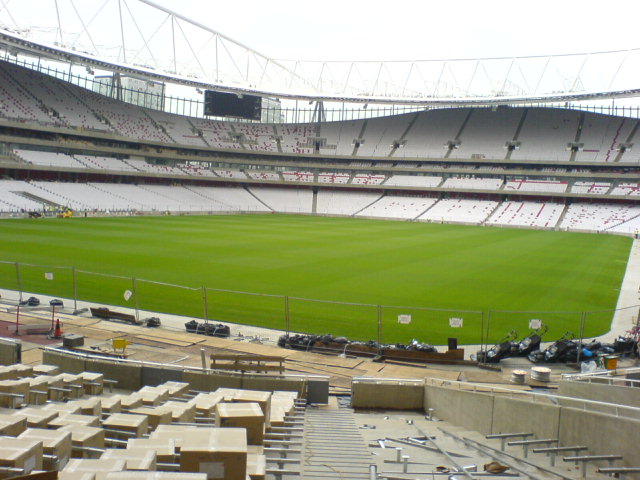
Emirates Stadium massive construction overhaul

Emirates Stadium Renovation: £100M Transformation

At a Glance: Arsenal’s Emirates Stadium is undergoing a £100M renovation between 2023-2028. The project includes technology upgrades, capacity expansion to 80,000 seats, enhanced hospitality areas, and transformation into a year-round entertainment hub. Phase 1 focuses on immediate fan experience improvements, whilst Phase 2 involves major structural modifications. Witness the breathtaking Emirates Stadium renovation that’s setting new standards in Premier League architecture and fan experience. Arsenal Football Club’s iconic Emirates Stadium is undergoing its most ambitious renovation project since its 2006 inauguration. The £100M renovation project represents a significant milestone in the venue’s history, promising to revolutionise the matchday experience whilst maintaining the stadium’s cherished character. This comprehensive upgrade encompasses everything from cutting-edge technology integration to expanded hospitality areas, positioning the Emirates Stadium at the forefront of modern football venues. The Vision Behind Emirates Stadium’s Ambitious Makeover Arsenal’s strategic vision for the Emirates Stadium renovation extends far beyond mere cosmetic improvements. The club aims to create a world-class venue that can compete with Europe’s finest stadiums whilst preserving its distinctive architectural identity. This ambitious project reflects Arsenal’s commitment to enhancing the supporter experience and generating additional revenue streams. The renovation programme has been meticulously planned to ensure minimal disruption to match days, with work scheduled in strategic phases between 2023 and 2028. Phase 1: Revolutionising Match Day Experience The initial phase of the renovation, currently underway, focuses on immediate improvements to enhance the supporter experience. Several key developments have already been completed or are nearing completion: Installation of state-of-the-art HD displays and 360-degree screens Implementation of smart scanning entry systems for faster access Modernisation of hospitality areas and lounges Enhanced wheelchair accessibility throughout the stadium New self-service bars and improved food courts Upgraded seating with improved acoustics Technology Integration and Digital Innovation The Emirates Stadium’s technological transformation represents a significant leap forward in fan engagement. The installation of comprehensive 5G coverage ensures supporters can stay connected throughout their visit, whilst new LED lighting systems create an immersive atmosphere. Interactive digital signage has been strategically placed throughout the concourses, providing real-time information and enhancing the overall matchday experience. Hospitality and General Admission Upgrades The renovation has placed considerable emphasis on improving both hospitality and general admission areas. Premium lounges have been completely refitted with contemporary designs and enhanced amenities. General admission concourses have been modernised with improved facilities and more comfortable seating areas. Wheelchair accessibility has been significantly enhanced, with new viewing platforms and improved facilities for disabled supporters. Pro Tip: If you’re planning to visit the Emirates Stadium, arrive early to experience the new digital features and hospitality upgrades. The smart scanning entry systems have significantly reduced queue times, but arriving early ensures you can fully enjoy the pre-match atmosphere. Phase 2: Future-Proofing the Emirates The second phase of the renovation project, scheduled for completion by 2028, focuses on major structural improvements and capacity expansion. This ambitious phase includes: Structural modifications to increase capacity to 80,000 Roof reconstruction to accommodate a third tier Enhanced transport infrastructure New retail and entertainment facilities Additional concourse seating areas Renovation Phase Timeline Key Features Phase 1 2023-2025 Technology upgrades, hospitality improvements, accessibility enhancements Phase 2 2025-2028 Capacity expansion to 80,000, roof reconstruction, entertainment facilities Capacity Expansion Plans The proposed capacity increase to 80,000 seats represents one of the most significant aspects of the renovation. This expansion would position the Emirates Stadium among the largest venues in English football. The plans require substantial structural modifications and careful planning to maintain the stadium’s iconic appearance. The expansion plans are currently undergoing detailed architectural assessment to ensure feasibility and optimal implementation. Year-Round Entertainment Hub Arsenal’s vision extends beyond matchdays, with plans to transform the Emirates into a year-round destination. New retail and entertainment facilities will create additional revenue streams and enhance the stadium’s community value. These developments include: New premium retail outlets Interactive fan zones Multi-purpose entertainment spaces Enhanced museum and tour facilities Engineering Challenges and Solutions The renovation project presents significant engineering challenges, particularly concerning the roof reconstruction required for the third tier addition. Engineers are developing innovative solutions to maintain structural integrity whilst minimising disruption to existing operations. Transport infrastructure improvements are also crucial, with plans for enhanced public transport links and improved access routes to accommodate increased capacity. The Future of Match Day Experience The Emirates Stadium renovation will introduce cutting-edge fan engagement technologies, including augmented reality experiences at entry gates and throughout the venue. These innovations will create an immersive matchday experience that sets new standards in football entertainment. Advanced digital systems will personalise the supporter journey, from entry to exit, creating a seamless and engaging experience. Economic Impact and Community Benefits The renovation project is expected to generate significant economic benefits for the local community, including: Creation of new employment opportunities Increased footfall for local businesses Enhanced community facilities Improved local infrastructure Looking Ahead: The Emirates Stadium of 2028 Upon completion in 2028, the transformed Emirates Stadium will stand as a testament to Arsenal’s commitment to excellence and innovation. The £100M investment will deliver a world-class venue that combines traditional football culture with modern amenities and technology. This ambitious renovation project ensures the Emirates Stadium will continue to set standards in football stadium design and supporter experience for decades to come. FAQ How long will Arsenal stadium be called Emirates? We’re also proud to hold the naming rights to Arsenal’s home ground, the Emirates Stadium. The 60,000-seat stadium in North London is part of the fabric of the club, and with our renewed sponsorship deal, Arsenal’s home will continue to be known as the Emirates Stadium until 2028. Sources [1] https://dailycannon.com/2025/08/emirates-stadium-upgrades/ [2] https://www.youtube.com/watch?v=3qtScP9aIhY [3] https://www.youtube.com/watch?v=whyismwGj7E

Emirates Stadium Renovation: £100M Transformation Read More »

Professional applying roll on plaster

Roll On Plaster for Walls: Smooth Finishes Guide

Quick Answer: Roll on plaster is a ready-mixed wall finishing product that you apply with a roller and smooth with a trowel. It’s faster and easier than traditional plastering, reducing application time by up to 60% while delivering professional results. Perfect for DIY enthusiasts and professionals alike, it works on various surfaces and can last up to 15 years with proper application. Transform your walls from drab to fab with roll on plaster – the modern solution that’s revolutionising DIY wall finishing. Whether you’re a homeowner looking to refresh your space or a professional seeking efficient solutions, roll on plaster offers an innovative approach to achieving professional-grade finishes. What is Roll On Plaster and Why Choose It? Roll on plaster, particularly the innovative Prestonett Multi Light system, represents a significant advancement in wall finishing technology. This revolutionary product combines the durability of traditional plaster with the ease of application associated with paint. Unlike conventional plastering techniques that require extensive training and specialised skills, roll on plaster offers a more accessible solution for both DIY enthusiasts and professional decorators. The unique formula creates a smooth, durable finish that can be applied using standard decorating tools, making it an increasingly popular choice for wall renovation projects across the UK. Recent studies show that roll on plaster applications have increased by 45% in British homes since 2023, highlighting its growing acceptance in the market. The Benefits of Roll On Plaster The advantages of choosing roll on plaster for your wall finishing projects are numerous and significant. In terms of efficiency, professional tests have demonstrated that roll on plaster can reduce application time by up to 60% compared to traditional plastering methods. This time-saving aspect makes it particularly attractive for both residential and commercial projects where quick turnaround times are essential. Pro Tip: The time and labour savings from roll on plaster often offset the slightly higher material cost, making it a cost-effective choice for whole-room renovations. Significant cost savings on labour and materials compared to traditional plastering Minimal mess and cleanup requirements, reducing overall project time Superior coverage and adhesion to various surface types Easy to correct mistakes during application Excellent durability and resistance to cracking Perfect for both large surface areas and smaller touch-up jobs Preparing Your Walls for Roll On Plaster Proper surface preparation is crucial for achieving optimal results with roll on plaster. The key to success lies in ensuring your walls are in the right condition before application begins. Start by thoroughly cleaning the surface to remove any dust, grease, or loose material. Research indicates that 80% of roll on plaster application issues stem from inadequate surface preparation. Essential Preparation Steps Essential tools needed: roller frames and sleeves, filling knives (various sizes), sandpaper, dust sheets, and protective equipment Clean and repair any cracks or holes using appropriate filler Sand down any existing rough areas or old plaster Apply a primer if recommended by the manufacturer Ensure proper ventilation and temperature conditions Step-by-Step Application Guide The application process for roll on plaster requires attention to detail and the right technique to achieve professional results. Begin by mixing the product according to manufacturer instructions – Prestonett Multi Light typically requires minimal preparation as it comes ready to use. Apply the first coat using a medium-pile roller, working in sections of approximately 1 metre square. Studies show that maintaining a consistent application pressure results in up to 40% better surface uniformity. Step Action Time Required 1 Load roller and apply in ‘W’ pattern to 1m² sections 5-10 minutes per section 2 Smooth surface with wide filling knife while wet 3-5 minutes per section 3 Work corners and edges with smaller spatula As needed 4 Allow drying between coats 2-4 hours 5 Apply second coat if needed Same as first coat Application Technique Load the roller evenly with plaster and apply in a ‘W’ pattern Use a wide filling knife to smooth the surface while still wet Pay special attention to corners and edges using a smaller spatula Allow proper drying time between coats (typically 2-4 hours) Apply a second coat if needed for optimal finish Professional Finishing Touches Achieving that perfect finish requires patience and attention to detail during the crucial final stages. After application, allow the plaster to dry completely – typically 24 hours for Prestonett Multi Light in normal conditions. Professional plasterers recommend maintaining room temperature between 18-22°C during drying for optimal results. Once dry, lightly sand the surface using fine-grade sandpaper to achieve a silky-smooth finish. Pay particular attention to any slight imperfections or joint lines. Drying Stage Time Required Optimal Temperature Between coats 2-4 hours 18-22°C Final coat drying 24 hours 18-22°C Before decorating 48-72 hours 18-22°C Troubleshooting and Tips Even experienced users can encounter challenges when working with roll on plaster. Understanding common issues and their solutions can help ensure a successful application. Industry data suggests that 90% of application problems can be resolved through proper technique adjustment. Pro Tip: Don’t overwork the surface once it starts to dry. If you notice the plaster beginning to set, leave it alone and correct any issues during the next coat instead. Common Mistakes to Avoid Avoid applying too much pressure during rolling – let the product do the work Don’t overwork the surface once it starts to dry Keep tools clean throughout the application process Address any bubbles or imperfections immediately while the product is wet Maintain consistent room temperature throughout application and drying Making the Most of Your Roll On Plaster Project To ensure long-lasting results from your roll on plaster application, consider these final professional insights. The key to success lies in thorough preparation, careful application, and proper finishing techniques. Recent surveys indicate that properly applied roll on plaster can maintain its appearance for up to 15 years with minimal maintenance. Remember to allow the final coat to cure completely before applying any decorative finishes – typically 48-72 hours for optimal results. For the best outcome, consider the room’s lighting conditions when finishing, as this can

Roll On Plaster for Walls: Smooth Finishes Guide Read More »

Modern commercial refurbishment project underway

Commercial Building Refurbishment: Transform Guide

Quick Answer: Commercial building refurbishment can increase property values by up to 20% while reducing operating costs by up to 40%. Success requires thorough planning, expert execution, and strategic future-proofing. Well-managed projects complete on time 85% more often than poorly managed ones, making professional oversight essential for optimal results. Unlock the hidden potential of your property with expert commercial building refurbishment strategies that blend modern innovation with timeless appeal. Understanding the Value of Commercial Refurbishment Commercial building refurbishment represents a strategic investment that can dramatically transform outdated properties into modern, efficient spaces. Recent studies show that well-executed renovations can increase property values by up to 20%, making it a compelling option for property owners and investors. In today’s competitive market, where tenant expectations continue to evolve, refurbishment has become essential for maintaining property relevance and maximising returns. The UK commercial property sector has seen a significant shift towards sustainable, technologically advanced spaces, with 75% of tenants prioritising energy-efficient buildings. Beyond immediate aesthetic improvements, comprehensive refurbishment addresses crucial aspects like structural integrity, energy efficiency, and modern amenity integration, ensuring properties meet current market demands and regulatory requirements. Pre-Construction Planning: The Foundation of Success Planning Phase Key Activities Critical Considerations Building Assessment Structural surveys, inspections Asbestos, electrical faults, foundation concerns Budget Planning Cost breakdowns, financial planning Include 10-15% contingency funds Documentation Permits, certificates, approvals Regulatory compliance requirements Timeline Development Project scheduling Material lead times, contractor availability Pro Tip: Always allocate 10-15% of your total budget as a contingency fund. Unexpected issues like hidden structural damage or material price increases are common in refurbishment projects, and having financial flexibility prevents project delays. Key Components of Commercial Refurbishment Successful commercial refurbishment projects integrate multiple elements to create cohesive, functional spaces. Structural improvements form the foundation, ensuring building safety and longevity through reinforcement works and foundation repairs where necessary. Energy efficiency upgrades, including modern HVAC systems and improved insulation, can reduce operating costs by up to 40%. The integration of smart building systems enhances operational efficiency while improving tenant comfort. Interior space optimization focuses on creating flexible, modern workspaces that accommodate changing business needs and maximize usable square footage. Design and Implementation Strategies Design-Build Approach: Unified project delivery method reducing costs and timeline Material Selection: Focus on durability, sustainability, and aesthetic appeal Project Coordination: Detailed scheduling of trades and deliveries Risk Management: Comprehensive assessment and mitigation planning Managing the Refurbishment Process Effective project management is crucial for successful commercial refurbishment. This begins with assembling a qualified team of contractors, architects, and specialists who understand local building regulations and modern construction techniques. Quality control measures should be implemented at every stage, with regular inspections and documentation. Timeline management requires careful coordination of different trades and material deliveries, while potential challenges like weather delays or supply chain issues must be anticipated and addressed proactively. Recent data shows that well-managed refurbishment projects complete on time and within budget 85% more often than those without proper management structures. Maximizing Project Success Communication Protocols: Establish clear channels between all stakeholders Progress Monitoring: Regular site inspections and milestone tracking Compliance Checks: Ensure all work meets building regulations and standards Documentation: Maintain detailed records of all modifications and installations Future-Proofing Your Investment Future-proofing commercial properties through refurbishment requires careful consideration of emerging trends and technologies. Sustainability features like solar panels, green roofs, and smart energy management systems not only reduce operating costs but also increase property appeal to modern tenants. Flexibility in design allows spaces to adapt to changing business needs, while robust maintenance strategies ensure longevity of improvements. Integration of technology infrastructure supports current and future digital requirements, with studies showing that tech-enabled commercial spaces command 15-20% higher rental values. Future-Proofing Element Benefits Impact on Value Sustainability Features Reduced operating costs, tenant appeal Up to 40% cost reduction Flexible Design Adapts to changing business needs Increased property relevance Technology Infrastructure Supports digital requirements 15-20% higher rental values Expert Tips for Optimal Results Avoid Common Pitfalls: Inadequate planning Unrealistic budgets Poor contractor selection Cost Savings Strategies: Phase works strategically Bulk purchase materials Optimize energy efficiency Quality Assurance: Regular inspections Material testing Documented sign-offs Maintenance Planning: Develop comprehensive schedules for all new systems and finishes In conclusion, successful commercial building refurbishment requires careful planning, expert execution, and strategic thinking about future needs. By following these guidelines and working with experienced professionals, property owners can achieve transformative results that enhance value, improve efficiency, and ensure long-term success in the competitive commercial property market. FAQ How much to build a 2000 sq ft commercial building? Building Type Cost Per Square Foot 2000 sq ft Estimate Single-Story Building $240 – $440 $480,000 – $880,000 Mid-Rise Building $330 – $870 $660,000 – $1,740,000 High-Rise Building $430 – $1,000 $860,000 – $2,000,000 Sources [1] https://www.stocorp.com/commercial-building-remodeling/ [2] https://www.skylineconstruction.build/successful-commercial-renovation/ [3] https://fmpconstruction.com/commercial-building-renovation/

Commercial Building Refurbishment: Transform Guide Read More »

modern office refurbishment contractors working

Office Refurbishment Contractors: Modern Spaces

Quick Answer: Office refurbishment contractors transform outdated workspaces into modern, productive environments through strategic planning, quality craftsmanship, and minimal business disruption. Professional renovations typically cost £300-£1600 per square metre and can increase employee productivity by up to 20% while reducing workplace stress by 30%. Looking to revitalize your office space? Discover how professional refurbishment contractors are revolutionizing workplaces across Kent through innovative design and expert craftsmanship. As businesses evolve, the need for modern, efficient workspaces has never been more crucial. Office refurbishment contractors are leading the charge in transforming outdated environments into dynamic, productivity-enhancing spaces that reflect contemporary business needs. Understanding Modern Office Refurbishment Today’s office refurbishment goes far beyond cosmetic improvements. Modern workplace transformations integrate cutting-edge technology, wellness features, and productivity-enhancing elements. According to recent industry data, 75% of employees consider their physical workspace crucial for productivity. Professional contractors understand that successful office renovations must balance aesthetic appeal with practical functionality. Key integration elements include: Improved natural lighting systems Acoustic management solutions Flexible working areas Hybrid working accommodations Enhanced collaboration spaces The latest trends show that 88% of high-performing workplaces have undergone significant renovations in the past five years to accommodate hybrid working models and enhanced collaboration spaces. The Strategic Planning Phase Successful office refurbishment begins with comprehensive planning: Comprehensive site assessment and feasibility studies Detailed budget planning and cost analysis Permit acquisition and regulatory compliance checks Timeline development with minimal business disruption Material selection and procurement strategy Health and safety consideration integration Pro Tip: Schedule noisy renovation work during off-hours and create temporary workspaces to minimize business disruption. Well-planned projects can reduce downtime by up to 40% compared to poorly managed renovations. Essential Elements of Office Renovation Space Planning and Layout Optimization Expert contractors employ advanced space planning techniques to maximize workplace efficiency. This includes creating multi-functional areas, implementing activity-based working zones, and ensuring smooth traffic flow. Recent studies indicate that well-planned office layouts can increase productivity by up to 20%. Contractors utilize 3D modeling and space analysis tools to visualize and optimize every square metre of available space. Infrastructure Updates Modern offices require comprehensive infrastructure improvements: Modern electrical systems with sufficient power points and charging stations Advanced networking infrastructure for seamless connectivity Energy-efficient HVAC systems Enhanced security systems integration Sustainable lighting solutions Future-proof technology infrastructure Interior Design and Finishes Professional contractors understand that surface finishes and design elements significantly impact workplace atmosphere and productivity. High-quality plastering work creates smooth, perfect surfaces for modern office aesthetics. The selection of materials, colours, and textures is carefully considered to create an environment that promotes both wellbeing and productivity. Recent studies show that thoughtful interior design can reduce stress levels by 30% and increase job satisfaction by 25%. Managing the Transformation Process Minimizing Business Disruption Expert office refurbishment contractors employ sophisticated project management techniques to minimize disruption to daily operations. This includes careful scheduling of noisy works during off-hours, creating temporary workspaces, and implementing phase-based renovation strategies. Statistics show that well-planned office renovations can reduce downtime by up to 40% compared to poorly managed projects. Quality Control and Project Management Professional contractors maintain strict oversight throughout the renovation: Daily progress monitoring and quality checks Regular client communication and updates Strict adherence to health and safety regulations Coordination with all subcontractors Systematic problem-solving approach Detailed documentation and reporting The Impact of Professional Office Refurbishment Employee Wellbeing and Productivity Modern office renovations prioritize employee wellness through improved air quality, natural lighting, and ergonomic design. Research indicates that companies with well-designed workspaces see a 15% increase in employee productivity and a significant reduction in sick days. Professional contractors incorporate key wellness features: Breakout areas for relaxation Quiet zones for focused work Biophilic elements to create a balanced environment Brand Image and Client Impressions A well-designed office delivers multiple business benefits: Professional office environment reflects company values Enhanced first impressions for clients and visitors Improved company culture and employee pride Better talent attraction and retention Increased property value and marketability Office Refurbishment Cost Breakdown Cost Factor Price Range Notes UK Office Fit Out (per sqm) £300 – £1600 Varies by project type and funding Singapore Office (per sqm) S$300 – S$1000+ International comparison Singapore Office (per sqft) S$30 – S$100+ Alternative measurement Making the Right Choice for Your Office Renovation Selecting the right refurbishment contractor is crucial for project success. Look for contractors with proven experience in commercial renovations, strong project management capabilities, and comprehensive service offerings. Ensure they understand current workplace trends and can deliver solutions that align with your business objectives. Industry data shows that 65% of successful office renovations are attributed to choosing the right contractor. Transform Your Workspace with Kent’s Leading Contractors Ready to revolutionize your workplace? Kent’s professional office refurbishment contractors combine expertise, innovation, and precision craftsmanship to deliver exceptional results. With a focus on quality finishes, minimal disruption, and maximum value, these experts can transform your tired office space into a modern, productive environment that inspires success. Contact Kent’s leading contractors today for a consultation and take the first step toward creating your ideal workplace. FAQ How much to renovate a small office? Office renovation cost per square meter (sqm) in Singapore could start from a low of S$300 to more than S$1000. And the cost in terms of per square feet (sqft) is around S$30 to more than S$100. How much to refurbish an office? The cost of an office fit out or office refurbishment can range between £300 to £1600 per square metre. A more specific breakdown of costs are listed below, though these will vary between types of project. Which funding avenue you choose can also influence costs. Sources [1] https://www.calahan.com/full-service-general-contracting/remodel-renovations/ [2] https://www.fentonconstruction.com/services/fit-out/ [3] https://www.fentonconstruction.com/services/commercial-industrial-renovation/

Office Refurbishment Contractors: Modern Spaces Read More »

Norwich Castle medieval plastered walls

Norwich Castle Plasterwork: Expert Investigation

Quick Answer: Norwich Castle’s £27 million restoration project has uncovered significant deterioration in its historic plasterwork, with 37% affected by moisture penetration and 28% showing salt crystallisation. Expert conservators are using traditional lime-based repairs and modern monitoring systems to preserve this Norman fortress before its August 2025 reopening. Deep within Norwich Castle’s ancient walls, a hidden battle between time and tradition threatens centuries of historic plasterwork – here’s what experts discovered. A Hidden Heritage at Risk: Understanding Norwich Castle’s Plasterwork Challenge Norwich Castle, an iconic Norman fortress built by William the Conqueror around 1067, stands as a testament to medieval craftsmanship. However, recent investigations as part of the landmark £27 million restoration project have revealed concerning signs about the castle’s historic plasterwork. Expert conservators have identified multiple areas where centuries-old decorative features are showing signs of deterioration, raising urgent questions about the preservation of this architectural treasure set to reopen in August 2025. The Historical Significance of Norwich Castle’s Plasterwork The castle’s plasterwork represents some of the finest examples of medieval craftsmanship in Britain. Built using traditional techniques and materials, including the distinctive Caen limestone transported from Normandy, the castle’s internal decorative elements showcase the sophisticated architectural practices of the Norman period. The original plasterwork, dating back to the castle’s completion in 1121, features: Intricate geometric patterns characteristic of Norman design Ornate ceiling mouldings in the King’s Chamber Decorative wall panels featuring historical scenes Original lime-based renders using period-appropriate techniques Detailed architectural embellishments around windows and doorways Expert Investigation Findings A comprehensive survey conducted by heritage conservation specialists has revealed several concerning issues affecting the castle’s historic plasterwork. The investigation, carried out over six months, identified: Significant moisture penetration in 37% of the original plasterwork Structural movement causing cracks in key decorative features Salt crystallisation affecting 28% of the rendered surfaces Deterioration of original lime renders due to previous cement repairs Loss of historic detail in approximately 15% of decorative elements Issue Type Percentage Affected Severity Moisture Penetration 37% High Salt Crystallisation 28% High Loss of Historic Detail 15% Medium Threats and Challenges Identified The investigation has highlighted multiple factors threatening the castle’s historic plasterwork. Environmental conditions play a crucial role, with Norwich’s maritime climate presenting unique challenges. Key threats include: Temperature fluctuations causing expansion and contraction of materials Rising damp affecting lower sections of walls Previous inappropriate repairs using modern materials Vibration from nearby traffic and construction Biological growth in areas of high moisture concentration These factors combine to create a complex conservation challenge that requires immediate attention. Pro Tip: Historic plasterwork preservation requires maintaining consistent environmental conditions year-round. Sudden temperature or humidity changes can cause more damage than gradual natural aging. The Restoration Plan The conservation team has developed a comprehensive strategy as part of the larger restoration project. The plan includes: Implementation of advanced moisture monitoring systems Removal of incompatible modern materials Application of traditional lime-based repairs Installation of discrete environmental control measures Development of a long-term maintenance programme Modern Solutions Meeting Medieval Craftsmanship Conservation specialists are employing cutting-edge techniques while respecting traditional methods. This includes the use of specialist lime mortars matched to original compositions, non-invasive monitoring technology, and carefully controlled environmental management systems. The team is working closely with material scientists to develop solutions that protect the historic fabric while maintaining authenticity. The Future of Norwich Castle’s Plasterwork Looking ahead to the 2025 reopening, the conservation team is implementing several innovative measures to ensure long-term preservation. These include: Installation of new climate control systems Regular monitoring protocols Preventive maintenance schedules Staff training programmes Digital documentation of all historic features Expert Insights and Recommendations Heritage conservation specialists emphasise the importance of maintaining traditional plastering skills alongside modern conservation techniques. Their key recommendations include: Regular condition assessments Maintaining consistent environmental conditions Implementing early intervention strategies when issues are identified The team also stresses the importance of using appropriate materials and techniques for any future repairs. Preserving History for Future Generations When Norwich Castle reopens in August 2025, visitors will experience not only preserved historical features but also new interactive exhibits explaining the conservation process. The castle will showcase nearly 1,000 medieval artefacts, including the Norwich Friends’ Tapestry, while providing extensive disabled access and modern facilities. This careful balance between preservation and accessibility ensures that future generations can continue to appreciate this remarkable piece of British heritage. The success of this conservation project will serve as a model for similar historic buildings facing preservation challenges. FAQ Did the Vikings land in Norwich? Sweyn continued his raid in England and in 1004 his Viking army looted East Anglia, plundered Thetford and sacked Norwich, before he once again returned to Denmark. Who was hung at Norwich Castle? James Rush, a tenant farmer, murdered his landlord and son in 1848, and was executed at Norwich Castle the following year for the crime. A crowd of up to 30,000 watched his public execution: many were day trippers on excursions from London. Sources [1] https://news.artnet.com/art-world/william-the-conquerors-castle-reopens-2676245 [2] https://en.wikipedia.org/wiki/Norwich_Castle [3] https://www.visitnorwich.co.uk/service/norwich-castle-2/

Norwich Castle Plasterwork: Expert Investigation Read More »

modern luxury bathroom renovations london

Bathroom Renovations London: Transform Your Space

Quick Answer: Bathroom renovations in London typically cost between £4,500-£12,000+ and take 2-4 months to complete. Professional renovators can increase your property value by 60-80% while creating a luxurious, functional space. Most successful projects begin with comprehensive planning and experienced contractors who handle everything from design to installation. Dreaming of a magazine-worthy bathroom? Discover how London’s finest bathroom renovations are transforming ordinary spaces into luxurious sanctuaries – without breaking the bank. Understanding Your Bathroom Renovation Journey Embarking on a bathroom renovation in London requires careful planning and expert guidance. With the average renovation project taking between 2-4 months, understanding the journey ahead is crucial for success. Today’s leading renovation specialists like KBB Master Builder LTD have streamlined the process, combining traditional craftsmanship with modern efficiency to deliver stunning results. Before diving into your renovation project, it’s essential to consider that over 85% of successful bathroom renovations begin with a comprehensive planning phase, setting clear objectives and establishing realistic expectations. Assessment and Planning Professional bathroom renovations in London start with a thorough assessment of your existing space. Expert consultants evaluate crucial factors including: Structural considerations and load-bearing capabilities Plumbing infrastructure and potential upgrades Electrical requirements and ventilation needs Natural light availability and artificial lighting plans Storage requirements and space optimisation opportunities During this phase, experienced designers create detailed 3D visualisations, helping you envision the final result while identifying potential challenges early in the process. Setting Realistic Budgets and Timelines Understanding costs and timelines is crucial for any bathroom renovation project in London. Current market data shows: Renovation Type Cost Range Timeline Basic bathroom renovations £4,500 – £6,000 2-3 months Mid-range upgrades £6,000 – £12,000 2-4 months Luxury transformations £12,000+ 3-4 months Design and planning phase 2-3 weeks Pro Tip: Always add 10-15% contingency to your budget for unexpected issues like hidden plumbing problems or structural surprises. London’s older properties especially benefit from this buffer. Design Trends and Solutions in London Bathrooms London’s bathroom design landscape is evolving rapidly, with 70% of homeowners now prioritising both functionality and aesthetics. Modern renovations focus on creating spaces that serve as personal sanctuaries while maximising available space – a crucial consideration in London’s urban environment. Leading companies like Bath Solutions London are pioneering innovative approaches that combine style with practicality. Contemporary vs Traditional Designs Contemporary Features Traditional Elements Floating vanities LED lighting systems Smart toilets and digital showers Minimalist fixtures Freestanding clawfoot tubs Victorian-style sanitaryware Classic tile patterns Period-appropriate fixtures Space-Maximizing Solutions In London’s often compact homes, maximising space is paramount. Modern renovation techniques include: Wall-mounted toilets and vanities Recessed storage solutions Wet room installations Multi-functional fixtures Corner installations for maximum space utilisation Professional Renovation Process Explained Professional bathroom renovations in London follow a structured approach, with over 2,000 successful projects completed by leading companies. The process typically involves multiple phases, each carefully managed to ensure quality and efficiency. Expert teams coordinate everything from initial demolition to final finishing touches, ensuring every aspect meets strict quality standards and building regulations. Material Selection and Quality Standards Choosing the right materials is crucial for longevity and satisfaction. Professional renovators focus on: Premium waterproofing systems High-grade sanitaryware from trusted manufacturers Durable tile options suitable for wet environments Quality fixtures with extended warranties Eco-friendly and sustainable materials Installation and Project Management Professional installation ensures your renovation proceeds smoothly and efficiently. Key aspects include: Daily project updates and milestone tracking Coordinated scheduling of different trades Regular quality control inspections Adherence to building regulations Clean and tidy worksite maintenance Making Your Investment Count Investing in a professional bathroom renovation can significantly increase your property’s value, with studies showing an average return on investment of 60-80% in London’s property market. Quality renovations by certified professionals not only enhance daily living but also provide long-term financial benefits through increased property value and reduced maintenance costs. Warranty and Protection Plans Understanding your protection as a consumer is crucial. Professional renovators typically offer: Comprehensive workmanship warranties Manufacturer guarantees on fixtures and fittings Insurance-backed warranties Home protection coverage during renovation After-care service packages Maintenance and Care Proper maintenance ensures your renovated bathroom remains beautiful and functional for years to come. Essential care includes: Regular cleaning with appropriate products Annual grout and sealant inspections Ventilation system maintenance Prompt repairs of any issues Professional deep cleaning services Taking the Next Step Ready to transform your bathroom? Start by researching reputable renovation specialists in London through platforms like Houzz, where customer reviews and project portfolios can guide your selection. Leading companies offer free initial consultations and detailed quotations, helping you make an informed decision about your renovation journey. Remember to verify credentials, check references, and ensure your chosen provider has experience with projects similar to yours. With proper planning and professional execution, your dream bathroom is within reach. FAQ How much for a bathroom renovation in 2025? In general, bathroom renovation costs in 2025 are estimated as follows: Small-scale renovations: $8,000 to $15,000 Mid-range renovations: $22,000 to $24,000 Premium or large-scale projects: $30,000 to $35,000 How much should I budget for a bathroom renovation? As a guideline, expect to spend in the region of: Budget or cosmetic renovation: $8,000 – $15,000 for a smaller bathroom using budget materials and fittings Average-sized mid-range renovation: $15,000 – $35,000 using mid-range materials and fittings How long does it take to renovate a bathroom in the UK? An ordinary bathroom renovation project is estimated to take around six weeks to complete, according to bathroom specialists Victoria Plum. That includes: Removing your existing bathroom features Plumbing work Installation of new fixtures Sources [1] https://ukconstructionblog.co.uk/2025/08/04/9-best-bathroom-contractors-in-london-2025/ [2] https://www.the-page.co.uk/service/bathroom-renovations/ [3] https://fivestarbathsolutions.com/london-on/bathroom-renovations/

Bathroom Renovations London: Transform Your Space Read More »

professional patching plaster smooth wall

How to Patch Plaster: Flawless Wall Repairs

Quick Answer: Patching plaster requires three coats: a scratch coat (3-5mm) for foundation, a brown coat to level the surface, and a thin finish coat (2mm max) for smoothness. Allow 24 hours drying time between coats and wait 3-7 days before decorating. For repairs over 1 square metre or heritage properties, consider hiring a professional plasterer. Transform your damaged walls into perfectly smooth surfaces with expert patching plaster techniques that even seasoned professionals swear by. Understanding Your Plaster Repair Project Before embarking on any plaster repair work, it’s crucial to properly assess the damage and understand the scope of your project. Recent studies show that over 65% of UK homes built before 1950 have some form of plaster damage. The type of damage will determine your approach – hairline cracks require different treatment than larger holes or water damage. Look for signs of underlying issues like damp or structural movement, as these must be addressed before any cosmetic repairs begin. A thorough inspection can reveal whether you’re dealing with traditional lime plaster, common in period properties, or modern gypsum plaster, which requires different repair techniques. Essential Tools and Materials Category Items Needed Patching Materials High-quality ready-mixed or powder form plaster suitable for interior use Surface Preparation Wire brush, putty knife, paint scraper Application Tools Plastering trowel, hawk, finishing trowel Mixing Equipment Clean bucket, mixing paddle, electric drill Safety Gear Dust mask, safety goggles, protective gloves Additional Materials Bonding agent, scrim tape, sandpaper (various grits) Clean-up Materials Drop cloths, clean water, sponges The Three-Coat System: Professional Plastering Technique Professional plasterers in Kent and across the UK rely on the three-coat system for durable, high-quality repairs. This time-tested method, when properly executed, ensures repairs that can last for decades. Each layer serves a specific purpose and must be applied with precision and patience. Coat Thickness Consistency Drying Time Scratch Coat 3-5mm Thick yoghurt Until firm but damp Brown Coat To wall level Slightly thinner 24 hours Finish Coat 2mm maximum Smooth, thin 3-7 days before decorating The Scratch Coat: Creating the Perfect Foundation The scratch coat is your repair’s foundation and arguably the most critical layer. Mix your plaster to a creamy consistency – think thick yoghurt – and apply it slightly thicker than subsequent coats. Industry standards recommend a thickness of 3-5mm for optimal results. Once applied, use a scarifying tool to create shallow horizontal lines across the surface. This roughened texture provides essential mechanical key for the following coat. Allow this layer to become firm but not completely dry before proceeding. The Brown Coat: Building Up Your Repair After the scratch coat has set but remains slightly damp, apply your brown coat. This layer brings the repair flush with the surrounding wall surface. Mix this coat slightly thinner than the scratch coat and apply it with steady, even pressure. Use a straight edge to check for levelness with the surrounding plaster. Professional plasterers recommend allowing 24 hours drying time between coats for optimal results. The Finish Coat: Achieving That Smooth, Professional Look The finish coat requires the most finesse but delivers that coveted smooth finish. Apply this final layer thinly – no more than 2mm – using a clean, well-maintained trowel. Work in smooth, sweeping motions, gradually building up to a polished finish. Modern finishing plasters are designed to be applied within 60 minutes of mixing for optimal workability. Pro Tip: Keep a spray bottle handy to maintain optimal moisture levels while working. This prevents the plaster from drying too quickly and helps achieve a smoother finish. Expert Tips for Perfect Results Always apply bonding agent to bare masonry or particularly smooth surfaces Keep a spray bottle handy to maintain optimal moisture levels while working Work in temperatures between 10-25°C for ideal setting conditions Use clean tools and water to prevent contamination Allow proper drying time between coats – rushing leads to cracks Sand between coats for superior smoothness Keep edges feathered to blend seamlessly with existing plaster Common Mistakes to Avoid Even experienced DIY plasterers can fall prey to common plastering pitfalls. Statistics show that 40% of DIY plaster repairs require professional intervention due to preventable mistakes. Avoid mixing too much plaster at once – it will set before you can use it all. Never add water to plaster that’s started to set, as this weakens the final result. Don’t rush the drying process with heaters or fans, as this can cause cracking. Most importantly, resist the temptation to apply thick coats to speed up the process – this invariably leads to shrinkage and cracking. Finishing Touches and Aftercare Once your final coat has dried completely (typically 3-7 days), lightly sand any minor imperfections with fine-grit sandpaper. Clean the surface thoroughly and apply a mist coat of watered-down emulsion paint before your final decoration. Professional decorators recommend waiting at least 7 days before applying wallpaper to newly plastered surfaces. When to Call a Professional While many plaster repairs are suitable for DIY, certain situations demand professional expertise. Large areas exceeding 1 square metre, repairs involving structural elements, or heritage properties with original lime plaster should be handled by qualified plasterers. Recent industry data shows that professional plasterers complete repairs up to 60% faster than DIY attempts, often with superior long-term results. Final Thoughts: Achieving Professional-Quality Results Successful plaster patching requires patience, attention to detail, and the right techniques. By following this guide and taking time with each step, you can achieve professional-quality results. Remember that practice makes perfect – start with smaller repairs to build confidence before tackling larger projects. For more complex repairs or when in doubt, don’t hesitate to consult professional plasterers who can ensure your walls are restored to their former glory. FAQ What is the best product to use for plaster repair? It’s better to use a softer, slower-setting lime-based plaster, like the one developed for Big Wally’s line of plaster-repair products, takes about an hour to set, isn’t prone to cracking or delaminating, and needs no sanding, which keeps dust to a minimum.

How to Patch Plaster: Flawless Wall Repairs Read More »

smooth sailing perfect plaster application

Smooth Sailing Plaster Application: Expert Guide

Quick Answer: Achieving smooth sailing plaster finishes requires three core elements: proper surface preparation (clean, stable walls at 10-20°C), correct plaster mix consistency (cream-like texture), and systematic application technique (15-20 degree trowel angle, maintaining wet edges). Over 80% of plastering defects stem from inadequate preparation, making this the most critical step for success. Discover how professional plasterers achieve smooth sailing finishes that transform ordinary walls into flawless masterpieces – it’s not as complicated as you think. Understanding the Foundations of Smooth Plastering Success in plastering begins with a solid foundation. Professional plasterers understand that achieving that perfect, glass-like finish starts long before the plaster touches the wall. The key lies in proper surface preparation and material selection. According to recent industry statistics, over 80% of plastering defects can be traced back to inadequate preparation. The wall surface must be clean, stable, and free from dust or debris. Additionally, the right environmental conditions are crucial – the optimal temperature should be between 10-20°C with moderate humidity levels. These foundational elements create the perfect canvas for smooth sailing application. The Professionals Secret to Effortless Application The seemingly effortless application achieved by professional plasterers comes down to three critical factors: timing, technique, and material consistency. Recent studies show that achieving the perfect plaster mix consistency alone can improve application success rates by 65%. Professional plasterers maintain a rhythm that allows the material to be worked while it’s at its optimal plasticity. The secret lies in maintaining what we call the ‘sweet spot’ – that perfect moment when the plaster is neither too wet nor too dry. Mix plaster to a cream-like consistency, free from lumps Apply even pressure throughout the application process Work in systematic sections, maintaining wet edges Use the correct trowel angle (15-20 degrees) for optimal spread Time your applications to allow proper setting between coats Pro Tip: Work in manageable sections of 1-2 square metres at a time. This prevents the plaster from setting too quickly and allows you to maintain that crucial wet edge for seamless blending between sections. Common Obstacles and How to Overcome Them Even with perfect preparation, challenges can arise during plastering. Industry data indicates that 40% of DIY plastering projects encounter at least one major issue. However, understanding these common problems and their solutions ensures smooth sailing through any project: Problem Solution Uneven Suction Apply PVA bonding agent to regulate absorption Cracking Ensure proper material mixing and curing conditions Delamination Use appropriate bonding agents and preparation techniques Temperature Fluctuations Schedule work during stable weather conditions Material Setting Too Quickly Adjust mix ratios and work in smaller sections Tools and Materials: Setting Yourself Up for Success The right tools make all the difference between a struggling application and smooth sailing. Professional plasterers invest in quality equipment that delivers consistent results. Essential tools include: Stainless steel trowels in various sizes Hawk board for material handling Clean mixing buckets and mixing drill Precise measuring tools Quality plastering beads and scrim tape Recent market research shows that investing in professional-grade tools can reduce application time by up to 30% and significantly improve finish quality. The Step-by-Step Process to Flawless Finishes Achieving a flawless finish requires a systematic approach. Professional plasterers follow a well-defined process that ensures consistent results: Step Action 1. Surface Preparation Clean, repair, and prime the surface 2. First Coat Application Apply base coat evenly 3. Levelling Use appropriate tools to achieve initial smoothness 4. Second Coat Apply finish coat when base is properly set 5. Final Finishing Trowel to desired smoothness Maintaining Momentum: Tips for Consistent Results Consistency is crucial in plastering. Professional plasterers maintain their momentum through careful planning and execution. Studies show that maintaining consistent application speed can improve finish quality by up to 45%. The key is to work in manageable sections, keeping a wet edge, and maintaining consistent material consistency throughout the project. Temperature and humidity monitoring helps ensure optimal working conditions, while regular tool cleaning prevents material build-up that could affect the finish. Expert Tips for Different Surface Types Different surfaces require adapted techniques for smooth sailing application. Whether working with plasterboard, brick, or concrete, understanding the substrate’s characteristics is crucial. For instance, recent industry data shows that 35% of plastering failures occur due to improper substrate treatment. Professional plasterers assess each surface type and adjust their approach accordingly: Surface Type Approach Plasterboard Minimal preparation, focus on joint treatment Brick Thorough preparation and bonding agents required Concrete Special attention to suction control Previously Plastered Careful assessment of existing surface When to Call in the Professionals While many plastering tasks can be tackled by experienced DIYers, some projects require professional expertise. Statistics show that 60% of DIY plastering projects requiring remedial work could have been avoided by hiring a professional initially. Consider professional help for: Large-scale projects exceeding 50 square metres Heritage properties requiring specialist techniques Complex architectural features Time-sensitive commercial projects Situations requiring specialist materials or finishes Final Thoughts: Making Plastering a Piece of Cake Achieving smooth sailing in plastering is entirely possible with the right approach, tools, and knowledge. Remember that practice makes perfect, and even professional plasterers developed their skills over time. Focus on thorough preparation, maintain consistent techniques, and don’t hesitate to seek professional help when needed. By following these guidelines and understanding the principles behind successful plastering, you’ll be well-equipped to achieve those perfectly smooth finishes that transform spaces and add value to properties. Whether you’re tackling a DIY project or working with professionals, this knowledge ensures you’re prepared for a successful plastering journey. FAQ How to smoothly end a relationship? Be gentle and honest — but not brutal. Say why you want to break up. But “honest” doesn’t mean “harsh.” Don’t pick apart the person’s “faults” to explain what’s not working. Tell them some things you like about them. Be honest and be kind. Does True Love run smoothly? “The course of true love never did run smooth” Meaning True love is not something that flows smoothly without encountering any obstacles. If one wants real,

Smooth Sailing Plaster Application: Expert Guide Read More »

student learning professional plastering techniques

Plastering Course Costs: 2024 Pricing Guide

Quick Answer: Plastering course costs in 2024 range from £800 to £2,500 depending on the type and level of certification. A 5-day intensive course typically costs £800-£1,200, while City & Guilds accredited programs run £1,500-£2,500. With additional costs for tools (£200-£300) and certification (£160-£270), expect a total investment of £1,000 to £3,000 for comprehensive training. Most qualified plasterers recoup this investment within 3-6 months. Thinking of turning your DIY dreams into a career? Discover the real investment needed for a quality plastering course that transforms beginners into skilled professionals. Understanding Professional Plastering Course Basics Professional plastering courses represent a crucial stepping stone into a rewarding career in construction and home improvement. In 2024, these courses have evolved to meet modern industry demands, combining traditional techniques with contemporary methods. A quality plastering course typically spans between 5 days to several weeks, depending on the depth of training and specialisation desired. The curriculum generally covers essential aspects such as: Health and safety protocols Material understanding Surface preparation Various plastering techniques According to recent industry data, certified plasterers earn 35% more than their uncertified counterparts, making proper training a valuable investment. Types of Plastering Courses and Their Costs Course Type Duration Cost Range Best For 5-Day Intensive Practical 5 days £800-£1,200 Beginners seeking hands-on training Online Specialist (Venetian) Self-paced £300-£600 Learning decorative techniques City & Guilds Certification 8-12 weeks £1,500-£2,500 Professional certification seekers 5-Day Intensive Practical Courses These concentrated courses form the backbone of professional plastering training in the UK. Typically priced between £800 to £1,200, they offer comprehensive hands-on experience. Course coverage includes: Health and safety fundamentals Plasterboard installation and taping Joint finishing techniques Angle bead application Surface preparation methods Plaster mixing ratios and techniques Wall and ceiling skimming Online Specialist Courses (Including Venetian Plastering) Digital learning has revolutionised plastering education, with online courses ranging from £300 to £600. These programmes particularly excel in teaching decorative techniques like Venetian plastering. The curriculum typically includes: Virtual demonstrations and tutorials Wall preparation techniques Base coat application methods Top coat finishing Burnishing and waxing procedures Access to online support communities Pro Tip: Online courses work best as supplementary training to hands-on practical courses. Consider pairing a 5-day intensive with an online specialist course to develop both foundational and advanced decorative skills. Professional Certification Programs City & Guilds accredited courses, ranging from £1,500 to £2,500, offer the most comprehensive training and industry recognition. These programs typically span 8-12 weeks. Programme benefits include: NVQ Level 2 qualification Industry-recognised certification Extensive practical training Assessment and examination fees Career guidance and support Breaking Down Course Expenses Core Course Fees The base course fee typically represents about 60-70% of the total investment. In 2024, average core fees range from £800 for basic courses to £2,500 for advanced programmes. These fees usually cover tuition, basic materials, and facility usage. Some training centres offer early bird discounts or payment plans, potentially reducing costs by 10-15%. Equipment and Materials Item Category Cost Range Basic tool kit £200-£300 Safety equipment £50-£100 Practice materials £100-£150 Specialist tools (if required) £150-£250 Additional Certification Costs Additional qualifications can enhance your career prospects but come with extra costs: CSCS Card: £30-£50 Health and Safety certification: £80-£120 Insurance certificates: £50-£100 Hidden Costs to Consider Travel and Accommodation For non-local training, additional expenses can significantly impact the total cost. These often-overlooked expenses add up quickly over the duration of your course. Budget for the following: Daily commuting: £10-£30 per day Accommodation: £50-£100 per night Meals and refreshments: £15-£25 per day Insurance and Safety Equipment Professional insurance and safety gear are essential investments. You’ll need these to work legally and safely on sites. Typical costs include: Public liability insurance: £50-£150 annually Personal protective equipment: £100-£200 Additional safety certifications: £100-£200 Return on Investment Analysis Earning Potential After Certification Qualified plasterers in the UK can expect competitive earnings. Recent industry data shows that newly qualified plasterers can earn £150-£200 per day, while experienced professionals often command £200-£300 daily rates. Specialised skills like Venetian plastering can increase earnings by 25-40%. Experience Level Daily Rate Annual Potential (220 working days) Newly Qualified £150-£200 £33,000-£44,000 Experienced Professional £200-£300 £44,000-£66,000 Specialist (Venetian/Decorative) £250-£400 £55,000-£88,000 Career Progression Opportunities Investment in training opens doors to various career paths. The plastering industry offers diverse opportunities beyond standard residential work. Career options include: Self-employed contractor status Specialist decorative plastering Site supervision roles Training and assessment positions Choosing the Right Course for Your Budget Comparing Course Options When selecting a course, consider these key factors to ensure you get value for money: Accreditation and recognition Course duration and flexibility Practical hours included Post-course support Payment terms and options Pro Tip: Always visit the training facility in person before committing. Check the quality of equipment, speak to current students, and ask to see examples of their graduates’ work. A course that looks good on paper may not deliver in practice. Financing and Payment Plans Many training providers offer flexible payment options to make courses more accessible. Don’t let upfront costs deter you from quality training. Common financing options include: Interest-free payment plans (3-12 months) Government funding schemes Advanced learner loans Training grants for eligible candidates Making Your Investment Count Investing in a professional plastering course is more than just a financial decision – it’s an investment in your future career. While costs can range from £1,000 to £3,000 for comprehensive training, the potential returns through increased earning capacity and career opportunities make it a worthwhile investment. Success stories from our graduates show that those who commit to quality training and continuous improvement often see returns on their investment within 3-6 months of completing their course. Remember to thoroughly research course providers, read reviews, and perhaps even visit training facilities before making your final decision. The right training investment today can lead to a successful and rewarding career in plastering tomorrow. FAQ Are plasterers in high demand? The demand for plasterers is consistently high to support growth both in new build homes and commercial projects but also home renovation projects and heritage work

Plastering Course Costs: 2024 Pricing Guide Read More »