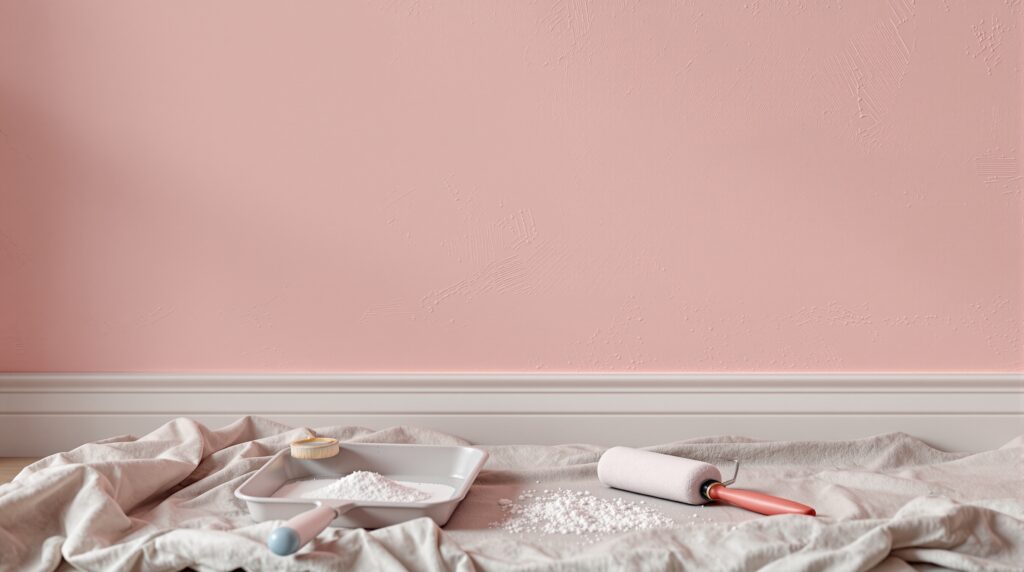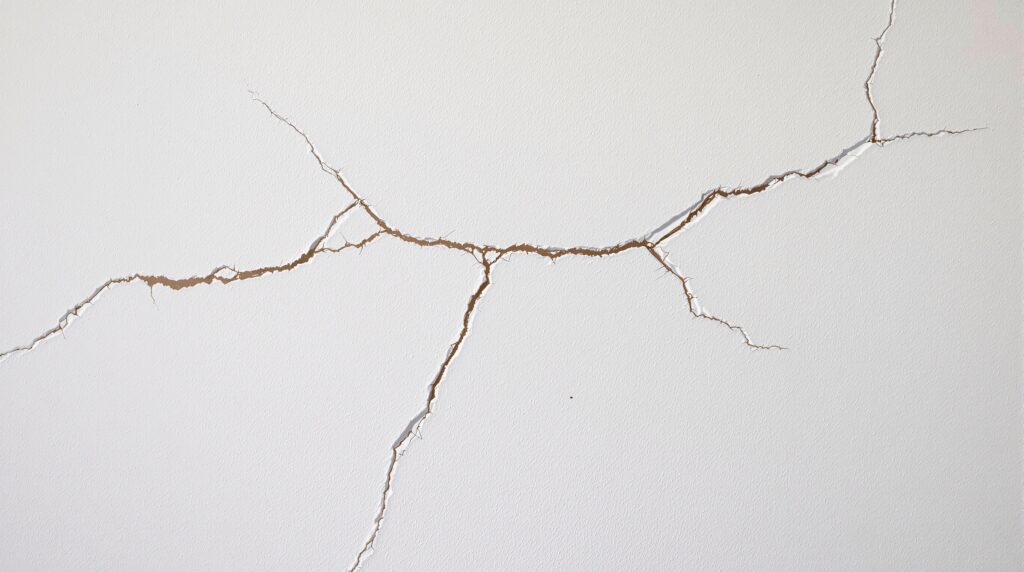
Should you patch up or renovate your plastered walls?
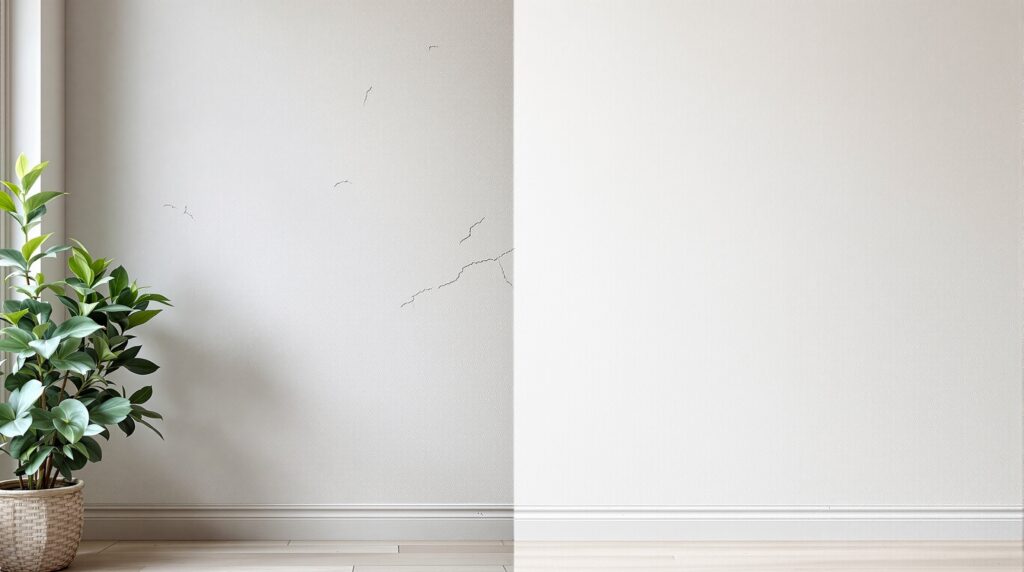
Quick Answer: Patch repairs work best for isolated damage affecting less than 10-15% of wall area with sound surrounding plaster, costing 70-80% less than full renovation. Full renovation is necessary when damage exceeds 30% of surfaces, persistent moisture issues exist, or widespread loss of adhesion occurs. The key deciding factors are extent of damage, underlying structural issues, and your long-term property plans. Deciding whether to patch up or renovate your plasterwork isn’t always straightforward—here’s expert guidance to help you make the right choice. When homeowners in Bromley and Kent face deteriorating plasterwork, the decision between a simple repair or full renovation can feel overwhelming. Every day, property owners across the region grapple with this dilemma, often uncertain whether a quick patch will suffice or if complete replastering is the only viable solution. The answer depends on several factors including the extent of damage, your budget, and your long-term plans for the space. Understanding the differences between patch repairs, restoration, and complete renovation will help you make an informed decision that protects your investment whilst ensuring your walls remain structurally sound and aesthetically pleasing. According to recent industry data, approximately 35% of homeowners who initially opt for patching eventually require full renovation within three years, highlighting the importance of making the right choice from the outset. This comprehensive guide will walk you through everything you need to know about whether to patch up or renovate your plastered walls, helping you avoid costly mistakes and achieve the flawless finish your Bromley or Kent property deserves. Understanding your plastering options: From repair to full renovation Before deciding whether to patch up or renovate, it’s essential to understand what each approach entails and when each method makes the most sense for your property. The terminology surrounding plasterwork can be confusing, with terms like repair, restore, renovate, revamp, remodel, and redecorate often used interchangeably despite representing distinctly different approaches. Each method serves a specific purpose and suits particular circumstances, and choosing the wrong approach can lead to wasted money, repeated work, and frustration. Let’s clarify exactly what each option means and explore the spectrum of solutions available for your plastered walls, from minimal intervention to complete transformation. What does it mean to patch up plastered walls? Patching up your walls is fundamentally about repair—a targeted approach that restores something broken to a like-new condition, often addressing only the specific issue without disturbing surrounding areas. This method involves fixing localised damage such as cracks, holes, small areas of blown plaster, or impact damage where the underlying structure remains sound. The process typically includes: Removing loose material from the damaged section Preparing the substrate Filling with appropriate plaster or filler Finishing to match the existing wall texture Professional plasterers in Kent use various plastering techniques including cutting back to sound plaster, applying bonding agents, building up layers gradually, and carefully feathering edges to create seamless repairs. Patch repairs are generally completed within hours rather than days, making them an attractive option for homeowners who need quick solutions. The skill lies in matching the repair to the existing finish—whether that’s smooth skim, textured, or decorative plaster—so the patched area becomes virtually invisible once painted. However, patching is only appropriate when the majority of your plasterwork remains in good condition, with damage confined to specific, isolated areas rather than widespread deterioration. Pro Tip: Before committing to patch repairs, tap gently around the damaged area with your knuckles. If the surrounding plaster sounds hollow or feels spongy, the damage may be more extensive than it appears, and full renovation might be more cost-effective in the long run. When does revamp make sense for your walls? The concept of revamping occupies the middle ground in the spectrum of plastering solutions. To revamp means to patch up or renovate by updating or modernising a space, item, or system to give it a fresh or improved appearance, often without changing its core structure. For plastered walls, this approach might involve: Skim coating over existing plaster that’s sound but tired-looking Applying decorative finishes to refresh dated walls Strategically updating specific sections whilst leaving others intact Revamping makes particular sense when your walls are structurally sound but aesthetically outdated, or when you’re undertaking broader room updates that require walls to look fresh without the expense and disruption of complete replastering. This approach has gained popularity in Bromley and Kent, particularly among homeowners renovating period properties where preserving original plaster substrate whilst updating the surface finish maintains architectural integrity whilst achieving contemporary aesthetics. The investment sits between simple patching and full renovation, typically costing 40-60% of complete replastering costs whilst delivering significantly improved appearance and extending the life of your plasterwork by another decade or more. What full renovation actually involves When we discuss renovation in plastering terms, we’re talking about a comprehensive approach where you fully replace or upgrade existing features with new and improved solutions. Complete wall renovation means stripping plaster back to the substrate—whether that’s brick, block, or lath—addressing any underlying issues with the structure, damp-proofing, or insulation, and applying entirely new plaster systems from scratch. This process is considerably more involved than patching or revamping, typically requiring several days for a standard room and involving significant preparation, mess, and temporary disruption to your home. The renovation process begins with: Protecting floors and furniture Carefully removing old plaster (which may require disposal as controlled waste if it contains hazardous materials) Inspecting and preparing the substrate Applying bonding or base coats Finishing with skim coats to achieve perfectly flat, smooth surfaces ready for decoration Modern plastering renovation in Kent properties often includes improvements like upgraded insulation boards, moisture-resistant backing systems, or acoustic treatments that weren’t part of the original construction. Full renovation becomes necessary when more than 30% of wall surfaces show damage, when underlying structural or moisture issues affect plaster integrity, or when you’re remodelling spaces and want to remodel by transforming the design and function with completely fresh surfaces. Whilst representing the largest investment in both time and money, renovation delivers
Should you patch up or renovate your plastered walls? Read More »