Home Improvement & Extensions

Practical Home Upgrades That Improve Everyday Living

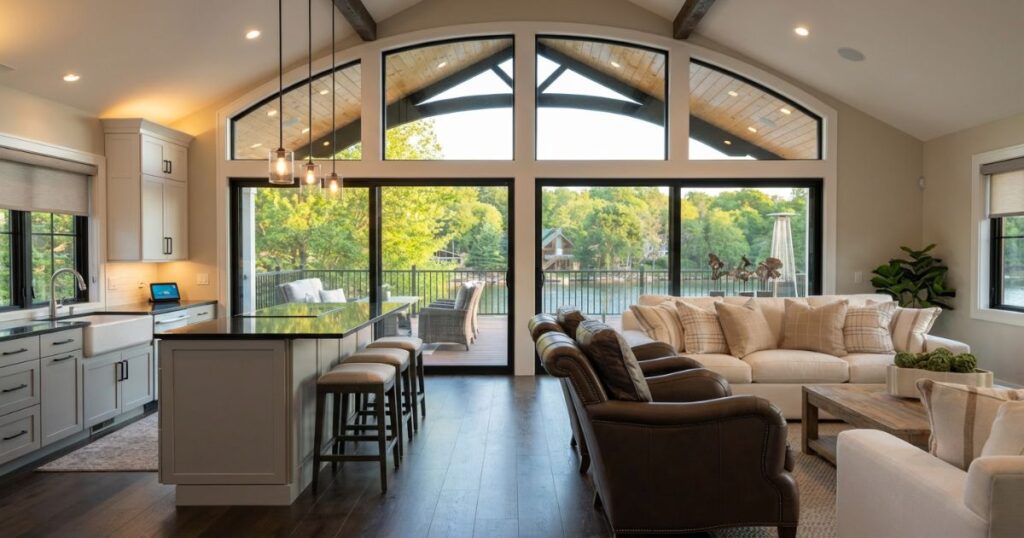
Upgrading your home means renovating kitchens, making patios more chilled, and improving the lighting. It’s not just about the aesthetics; it’s about making daily life easier, healthier, and more comfortable. Working with the right custom glass company can also play a big role in how functional and bright your living spaces feel. Instead of chasing trends, practical upgrades focus on comfort, functionality, and long-term use. When done right, practical home upgrades improve how your home works for you every single day. They help you move through your space with ease. They reduce small frustrations. And over time, they also add value to your property. Understanding What Makes Home Upgrades Practical Many homeowners think upgrades have to be expensive or disruptive. That is not always true. Simple changes in key areas can have a big impact. From better airflow to smarter layouts, small upgrades can completely change how your home feels. Practical upgrades are all about how a space functions. They should make daily tasks easier and more comfortable, with function at the heart of every choice. Doors should open smoothly, spaces should flow naturally, and storage should always be easy to access; when a home works well, it reduces stress without you even noticing. Better layouts mean fewer steps when doing chores, and even the lighting plays a role in how well you can use your spaces. Comfort is just as important. For example, good ventilation keeps indoor air fresh. Likewise, natural light improves mood instantly. When a home feels comfortable, it supports better rest and less stress. These upgrades can also affect the long-term value of your home—smart choices make a home more attractive, so even if you’re not planning to sell, these choices protect your investment. Places Where Practical Home Upgrades Make the Most Impact Not all areas of the home need the same level of attention, because some spaces affect daily life more than others. Entryways, kitchens, bathrooms, and indoor-outdoor areas are where practical upgrades deliver the best returns, because they experience the most traffic. Entryway Upgrades Entryways are more important than many people realize. They’re the first and last spaces people experience when entering and leaving your home. A practical entryway sets the vibe for your home. Good ventilation in entryways makes a big difference. It allows fresh air to circulate instead of trapping heat and moisture. Upgrading doors is another smart move, because it improves security and helps with noise control. Adding custom glass elements helps your entryways feel more welcoming and open, as when light flows freely, the entire home feels more spacious. Indoor-Outdoor Upgrades Retractable screen doors are one of the easiest ways to improve indoor-outdoor living without major construction. These upgrades help connect your interior spaces to patios, balconies, or gardens while keeping air inside and bugs out. Patios are just as important because they can serve as an extension of your living space and give you somewhere to relax and entertain. Kitchen Upgrades One of the most used spaces in any home is the kitchen. You should design the layouts so that it is easy to work in, cook, and clean. Clear pathways between cooking, cleaning, and storage areas help you cook easily. When everything is within easy reach, cooking becomes less tiring and more enjoyable. Another smart upgrade is surfaces that are easy to clean, along with ventilation and exhaust systems that remove smoke and odors. Lighting upgrades, such as task lighting over work areas improves safety and visibility while making the kitchen feel more inviting and open. Bathroom Upgrades Practical upgrades in the bathroom help prevent long-term damage. Moisture-resistant walls are essential, as they protect against mold and peeling, which keeps the bathroom cleaner and healthier. Improved lighting makes bathrooms safer and more functional. Small layout changes can also make bathrooms easier to use. These upgrades support comfort for users of all ages. Choosing the Right Professionals Even the best upgrade ideas need proper planning and execution. That is why choosing the right professionals makes a big difference. Experienced professionals understand how materials behave over time, which solutions will last or fail, and how to avoid costly mistakes. They also bring their experience to each job, which improves performance and durability. With specialists, you’re gaining balance, function, clear communication, and long-term value. Conclusion Practical home upgrades shape how your home feels on a daily basis. They make spaces more comfortable without trying too hard, and make everyday tasks much simpler. The right upgrades meet your needs as they change, whether you plan to stay in your home for years or eventually move. Practical upgrades may not grab attention at first glance, but they make a lasting difference where it matters the most.

Practical Home Upgrades That Improve Everyday Living Read More »

The South London Guide to Moving Houses

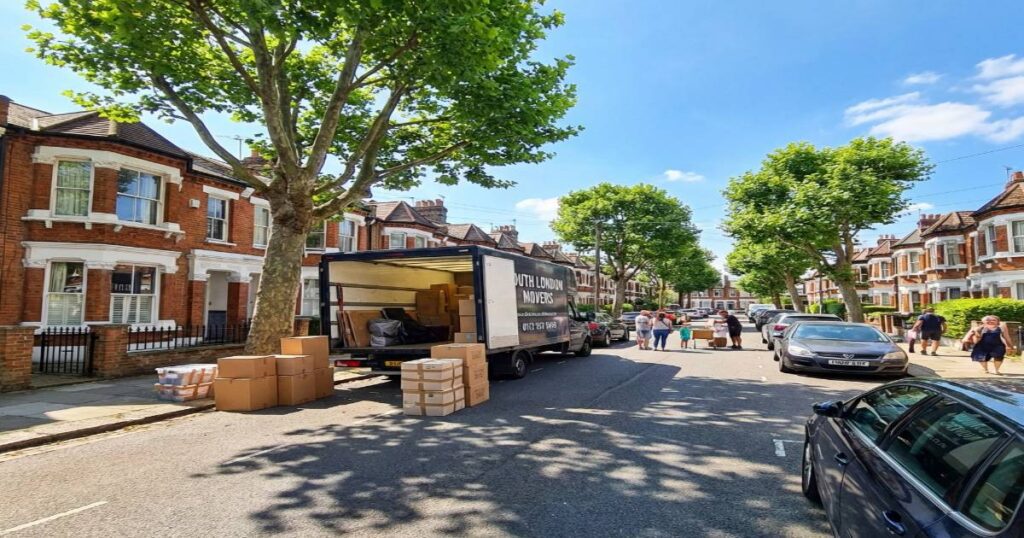
Moving across the capital is often described as one of life’s most stressful events, but there is something particularly unique about heading south of the river. Whether you are migrating from the North London heights or relocating from further afield, South London offers a distinct blend of village-like pockets and urban energy. From the leafy commons of Clapham to the bustling markets of Brixton, each neighbourhood carries its own personality and logistical quirks. Success in a London move usually comes down to preparation and local knowledge. You have to consider everything from parking permits on narrow Victorian streets to the timing of your removal van. It is helpful to view the move as a journey rather than a single day of chaos. If you take the time to get to know your new borough, you will find the process much smoother. Here is what you need to know to settle into your new South London life without the usual headaches. Finding Your Feet in the South South London is famous for its green spaces and lack of Tube coverage in certain areas. While the Overground and National Rail networks are incredibly efficient, your daily commute might look very different depending on which side of the South Circular you land. Areas like Wandsworth and Balham are particularly popular for their proximity to open spaces like Tooting Bec Common. When you are choosing your specific street, pay attention to the local amenities. Many residents choose this part of the city because of the independent boutiques and farmers’ markets that define the community. You should spend a weekend walking around your prospective postcode to get a feel for the weekend footfall and the proximity of the nearest supermarket. Take Your Time Getting Settled One of the biggest mistakes people make when moving is trying to unpack everything in forty-eight hours. It is often better to live in a space for a few weeks before deciding where every piece of furniture should go. If you are downsizing or moving into a temporary rental while waiting for a completion date, you can use Wandsworth storage to keep your belongings safe without cluttering your new hallway. Using a local facility means you can drop off and pick up items as you need them instead of living among towers of cardboard boxes. This approach gives you the freedom to decorate or renovate your new home before the heavy wardrobes and sofas are in the way. It’s a practical solution for those moving into the Victorian conversions that are so common in South West London, where staircases are often narrow and space is at a premium. Navigating Local Logistics Every South London council has its own set of rules regarding parking and skip permits. If you are moving to Wandsworth, you will need to check the specific regulations for your new street. You might need to suspend a parking bay to ensure the removal lorry has enough space to park outside your house. It is also worth considering the timing of your move. Avoid Friday afternoons if you can, as the traffic around major arteries like the A3 or the South Circular can become very congested. Mid-week moves are often quieter and can sometimes be cheaper when booking professional help. Key Takeaways Once the boxes are finally emptied and the furniture is in place, you can start enjoying the benefits of living south of the Thames. Whether it is a walk through Battersea Park or a coffee in a quiet Wandsworth cafe, you will soon see why people rarely want to leave once they arrive. Moving house will always be a big task, but with a bit of local insight and a relaxed pace, it can be a positive experience. Take the opportunity to explore your new surroundings and meet your neighbours early on. Before you know it, you’ll be a seasoned South Londoner who knows exactly which bus route is the fastest.

The South London Guide to Moving Houses Read More »

Loft Conversions: Plastering, Drylining and Finishing

Quick Answer: Loft conversion plastering costs £1,200-£3,500 depending on size and complexity. Most loft conversions use 12.5mm tapered-edge plasterboard on 400mm centres, insulated to meet Building Regulations Part L (minimum 270mm insulation). Expect 2-3 weeks from first fix to final skim, with drylining taking 3-5 days and plastering requiring 5-7 days drying time before decoration. Professional plastering is recommended for loft conversions due to awkward angles, fire regulations, and the need for perfect finishes in habitable spaces. Understanding Loft Conversion Plastering Requirements Loft conversions represent one of the most cost-effective ways to add living space to your home, but the plastering and drylining work requires significantly more expertise than standard room plastering. Unlike ground-floor rooms with straight walls and easy access, loft spaces present unique challenges that demand careful planning. Building Regulations Part L mandates that all loft conversions meet current thermal efficiency standards. This means you’ll need substantial insulation between rafters (typically 270mm of mineral wool or equivalent) before any plasterboard goes up. The government’s Building Regulations Approved Document L sets these standards, and failure to comply will result in your building control officer rejecting the work. Most loft conversions also require fire-rated plasterboard — usually 12.5mm Gyproc FireLine or British Gypsum Fireline board — to provide 30 minutes’ fire resistance between the conversion and the floor below. This isn’t optional; it’s a legal requirement under Part B of the Building Regulations. Drylining vs Wet Plastering in Loft Conversions You have two main options for finishing loft walls and ceilings: drylining (plasterboard with taped joints) or drylining followed by a skim coat. The choice affects both cost and timeline, and most professional plasterers recommend the latter for habitable loft spaces. Method Cost (25m² loft) Timeline Finish Quality Best For Drylining only (taped joints) £800-£1,200 3-4 days Good (visible joints possible) Storage rooms, utility spaces Drylining + 2mm skim coat £1,200-£1,800 7-10 days (inc. drying) Excellent (seamless finish) Bedrooms, home offices Drylining + full 6mm skim £1,500-£2,200 10-14 days (inc. drying) Premium (perfect for feature walls) Master bedrooms, bathrooms For a standard 25m² loft bedroom conversion, most homeowners opt for the middle option: drylining with a 2mm skim coat using British Gypsum Thistle Board Finish. This provides a smooth, paint-ready surface that hides any minor imperfections in the boarding while keeping costs reasonable. If you’re planning an en-suite bathroom in your loft conversion, you’ll need moisture-resistant plasterboard in wet areas. Our guide to bathroom plastering and which plaster to use in wet areas covers this in detail. Pro Tip: Always use tapered-edge plasterboard for loft conversions, not square-edge. The tapered edges create shallow recesses at joints that make taping and jointing far easier. Gyproc WallBoard TE or British Gypsum SoundBloc are excellent choices, with the latter providing enhanced acoustic performance — useful if you’re converting to a bedroom above a living room. Step-by-Step: The Loft Conversion Plastering Process Professional loft conversion plastering follows a strict sequence. Rushing any stage or working out of order will compromise the final result and potentially fail building control inspection. Stage 1: Insulation and Vapour Control (Days 1-2) Before any plasterboard goes up, your loft needs proper insulation. This typically involves: Between-rafter insulation: 100-150mm rigid PIR boards (Celotex, Kingspan, or Recticel) or mineral wool batts friction-fitted between rafters Under-rafter insulation: Additional 50-100mm PIR boards on battens to achieve total U-value of 0.16 W/m²K or better Vapour control layer (VCL): Continuous polythene sheeting (minimum 250 micron) on the warm side of insulation to prevent interstitial condensation Service routing: Electrical cables and any plumbing installed before boarding begins The Kingspan technical team recommends overlapping VCL joints by at least 150mm and sealing with waterproof tape. Any penetrations for downlights or pipes must be carefully sealed to maintain the vapour barrier’s integrity. Stage 2: First Fix Drylining (Days 3-5) Once insulation is signed off by building control, drylining begins. This involves: Ceiling boarding first: 12.5mm plasterboard fixed to ceiling joists at 400mm centres using 38mm drywall screws Wall boarding: Plasterboard fixed to stud walls or battened masonry walls, working from top to bottom Eaves details: Careful cutting and fitting around the eaves junction where roof meets floor Window reveals: Velux or dormer window reveals squared and boarded with returns Experienced plasterers fix boards with screws at 150mm centres around perimeters and 230mm centres in the field. Screws should sit just below the surface (about 1mm) without breaking the paper face. Over-driven screws create weak points that will crack through the skim coat. ⚠️ Warning: Never fix plasterboard directly to the underside of sloping rafters without battens. You need a minimum 25mm air gap between insulation and the underside of roof tiles/slates to allow ventilation. Most building control officers will fail loft conversions that lack this critical ventilation gap, as it leads to condensation and timber rot. Stage 3: Jointing and Taping (Days 6-7) Before skim plastering can begin, all board joints need taping and filling. This creates a stable base and prevents cracks appearing at joints. The process involves: First coat: Gyproc Easi-Fill 60 or similar joint compound applied along all tapered edges with a 150mm taping knife Tape embedding: Paper joint tape pressed into wet compound, smoothed flat with no bubbles or wrinkles Second coat: Wider application (200-250mm) of joint compound feathered out beyond the tape edges Screw spotting: All screw heads filled flush with joint compound Internal angles: Metal corner bead on all external angles; paper tape on internal angles Drying time: Minimum 24 hours between coats; 48 hours before skim coating Some plasterers skip the taping stage when they’re skim coating, but this is poor practice. Proper taping prevents movement cracks and provides a much more stable substrate for the finishing plaster. Stage 4: Skim Coating (Days 8-10) This is where professional skill really matters. Loft conversions present awkward angles and tight working conditions that make skimming challenging. A typical 25m² loft conversion requires: Material Quantity for 25m² Cost (2026 prices) British Gypsum Thistle Board Finish 5-6 bags (25kg each) £45-£55 PVA bonding agent

Loft Conversions: Plastering, Drylining and Finishing Read More »

Home Extensions in the UK: Planning, Costs and Regulations 2026

Quick Answer: A single-storey extension in the UK costs between £1,200-£2,000 per square metre in 2026, with typical projects ranging from £20,000-£60,000. Most single-storey rear extensions under 4m deep (3m for terraced/semi-detached) qualify for permitted development rights and don’t need planning permission. Two-storey extensions cost £1,800-£2,500 per m² and typically require full planning permission. Always check local planning portal and Building Regulations Part L (energy efficiency) requirements before starting. Understanding Home Extensions: What’s Right for Your Property Home extensions remain one of the most popular ways to add space and value to UK properties in 2026. Rather than facing the stress and expense of moving, homeowners are choosing to extend — and it’s easy to see why. According to government planning guidance, the right extension can add 15-20% to your property’s value whilst giving you the extra space your family needs. But get it wrong, and you’ll face planning headaches, cost overruns, and structural issues that’ll haunt you for years. Let’s cut through the confusion and give you the real-world knowledge you need to plan, budget, and execute a successful home extension. Types of Home Extensions: Comparing Your Options The type of extension you choose depends on your property layout, budget, and planning constraints. Here’s what most homeowners consider: Single-Storey Extensions Single-storey rear extensions are by far the most common. They’re ideal for creating open-plan kitchen-diners or extending living spaces into the garden. Most qualify for permitted development rights, meaning no planning permission needed. Typical size: 3m-6m depth, full width of property Cost: £1,200-£2,000 per m² (£24,000-£50,000 for typical 25m² extension) Build time: 2-4 months from groundworks to final plastering ROI: 10-15% property value increase The plastering work on a single-storey extension involves both internal walls and ceilings. You’ll typically need multi-finish plaster over plasterboard for walls, with particular attention to thermal efficiency where the extension meets the existing building. Two-Storey Extensions Adding a second floor gives you double the space but comes with higher costs and usually requires full planning permission. These work well for side returns or where you need both ground floor living space and additional bedrooms. Cost: £1,800-£2,500 per m² (£90,000-£150,000+ typical) Build time: 4-7 months ROI: 15-25% property value increase Planning: Almost always requires permission Side Return Extensions Popular in Victorian terraced houses, side return extensions fill in that narrow alley space between your house and the boundary. They’re perfect for enlarging kitchens without extending too far into your garden. Typical dimensions: 1.2m-2m wide, extending 3-5m back. Costs run £25,000-£50,000 for single-storey, significantly more if combining with rear extension. Wrap-Around Extensions Combining side and rear extensions creates an L-shaped wrap-around that dramatically transforms ground floor space. These are substantial projects requiring experienced builders and careful coordination between trades. Extension Type Typical Size Cost per m² Total Cost Range Planning Required? Single-storey rear 20-30m² £1,200-£2,000 £24,000-£60,000 Usually no (PD) Two-storey rear 40-60m² £1,800-£2,500 £72,000-£150,000 Yes Side return 8-15m² £1,500-£2,200 £12,000-£33,000 Often no (PD) Wrap-around 35-50m² £1,400-£2,100 £49,000-£105,000 Usually yes Loft conversion 25-40m² £1,600-£2,800 £40,000-£112,000 Depends on dormer Planning Permission vs Permitted Development: What You Actually Need This is where most homeowners get confused. The good news? Many extensions don’t require planning permission thanks to permitted development (PD) rights. Permitted Development Rules 2026 Under current Planning Portal guidelines, you can build without permission if your extension meets these criteria: Detached houses: Single-storey rear extensions up to 4m deep Semi-detached/terraced: Single-storey rear extensions up to 3m deep Height limits: Maximum 4m for flat roof, 4m to eaves for pitched roof Side extensions: No more than half the width of original house, single-storey only Materials: Should match existing building appearance Pro Tip: Even if your extension qualifies for PD, you still need Building Regulations approval. Many homeowners confuse these two separate requirements. Planning deals with visual impact and land use; Building Regs ensure structural safety, fire protection, and energy efficiency. When You Definitely Need Planning Permission You’ll need to submit a full planning application (£258 fee in 2026) for: Two-storey extensions of any size Extensions exceeding permitted development limits Properties in conservation areas or listed buildings Flats or maisonettes (PD doesn’t apply) Extensions that would result in over 50% ground coverage Any extension with balconies, verandas, or raised platforms Planning applications take 8-13 weeks typically. Budget an extra £1,500-£3,500 for architect drawings and £500-£1,200 for structural engineer input. Building Regulations: The Non-Negotiable Requirements Every extension requires Building Regulations approval — no exceptions. This ensures your extension is structurally sound, thermally efficient, and safe. The Building Control approval process costs £800-£1,500 for typical extensions and involves inspections at key stages: Foundation inspection: Before concrete pour Damp-proof course: Checking DPC levels and membrane placement Drainage: Before backfilling trenches Pre-plaster inspection: Insulation, electrical, heating roughed-in Final inspection: Completed work with all finishes Part L Energy Efficiency Requirements Part L regulations in 2026 are stringent. Your extension must achieve U-values of: Walls: 0.18 W/m²K or better Roof: 0.15 W/m²K Floor: 0.18 W/m²K Windows/doors: 1.4 W/m²K This typically means 100mm PIR insulation in walls, 150mm+ in roofs. The insulated plasterboard we install usually has 50-75mm insulation bonded to 12.5mm board. ⚠️ Warning: Don’t skip Building Control inspections. If you sell your property without a completion certificate, buyers’ solicitors will require retrospective approval (expensive) or indemnity insurance (which doesn’t actually confirm the work is safe). We’ve seen sales fall through over missing certificates. Real-World Extension Costs: The Complete Breakdown Let’s talk actual money. These are realistic 2026 costs based on current Kent and Southeast England pricing. Expect 10-15% less in Northern England, 15-25% more in London. Budget Breakdown for 25m² Single-Storey Extension Item Cost Range Notes Groundworks & foundations £4,000-£6,500 Strip foundations, 1m deep typically Brickwork & blockwork £5,500-£8,000 Includes DPC, lintels, airbricks Roof structure & covering £4,000-£7,000 Flat roof with warm deck insulation Windows & doors £2,500-£4,500 Bi-fold doors cost £2,000+ alone Electrics (first fix & second) £2,000-£3,500 New consumer unit if required: +£800 Plumbing & heating £2,500-£4,000 Underfloor heating adds £1,200-£2,000 Plastering (walls & ceiling) £1,800-£2,800 £35-£45/m² for board and skim Flooring

Home Extensions in the UK: Planning, Costs and Regulations 2026 Read More »