
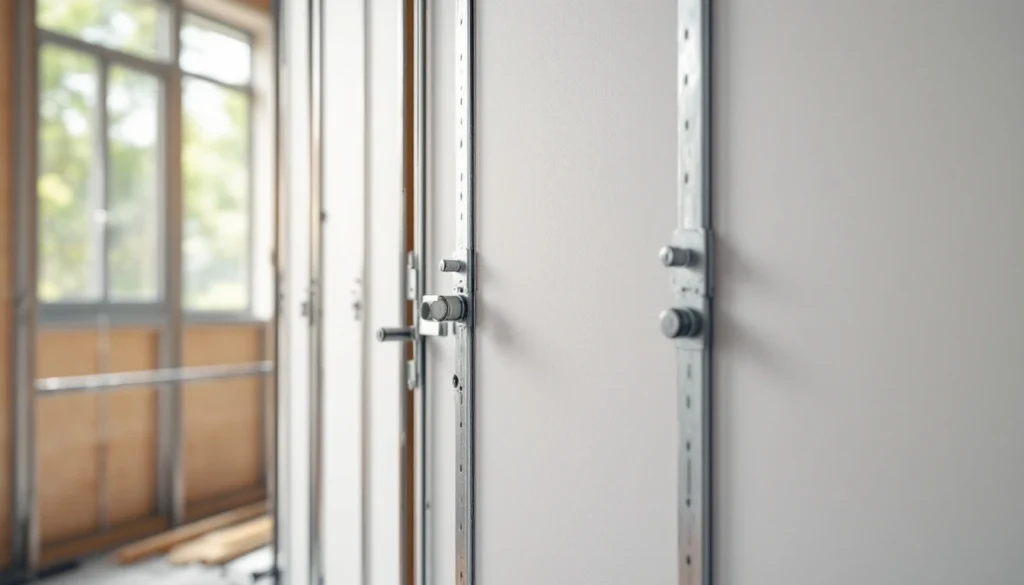
12.5mm Plasterboard: Specifications, Uses and Installation Guide
Quick Answer: 12.5mm plasterboard is the standard thickness for drylining walls and ceilings in UK construction. A standard 2400mm x 1200mm sheet weighs approximately 22-25kg depending on type (standard, moisture-resistant, or fire-rated). It provides adequate strength for most residential applications, meets Building Regulations Part B requirements, and is compatible with standard 12.5mm skim coat finishes. For enhanced soundproofing or fire protection, you may need thicker boards or specialist variants. Understanding 12.5mm Plasterboard: The UK Standard Walk into any builders’ merchant in the UK—whether it’s Wickes, Screwfix, or Travis Perkins—and you’ll find 12.5mm plasterboard stacked high. It’s not just popular by chance; it’s the industry standard thickness for good reason. This thickness strikes the perfect balance between structural integrity, weight, cost-effectiveness, and ease of installation. Whether you’re boarding out a bedroom, creating stud walls, or lining ceilings, 12.5mm plasterboard handles the job without being unnecessarily heavy or expensive. In this comprehensive guide, we’ll cover everything a homeowner or tradesperson needs to know about 12.5mm plasterboard—from technical specifications and weight considerations to installation techniques and when you might need a different thickness altogether. Technical Specifications of 12.5mm Plasterboard Understanding the specifications helps you make informed decisions and ensures compliance with UK Building Regulations. Standard Dimensions and Weight The most common sheet size for 12.5mm plasterboard in the UK is 2400mm x 1200mm (8ft x 4ft), though other sizes are available for specific applications: Sheet Size Weight (Standard) Weight (Moisture-Resistant) Typical Use 2400mm x 1200mm 22-23kg 24-25kg Standard walls and ceilings 1800mm x 1200mm 17-18kg 18-19kg Awkward spaces, loft conversions 3000mm x 1200mm 28-29kg 30-31kg Taller walls, reduced joints 2700mm x 1200mm 25-26kg 27-28kg Standard UK ceiling heights The weight varies slightly depending on the manufacturer and type. British Gypsum, the UK’s leading manufacturer, produces boards with consistent density across their range, but moisture-resistant and fire-rated variants are always slightly heavier due to additives in the gypsum core. Core Composition Standard 12.5mm plasterboard consists of a gypsum core (calcium sulphate dihydrate) sandwiched between two layers of heavy-duty paper liner. The ivory-coloured face is designed for plastering or direct decoration, while the grey backing provides structural stability. Core density: Approximately 680-720 kg/m³ for standard boards Paper liner weight: 180-220 g/m² on the face, 150-180 g/m² on the back Moisture content: Less than 1% when manufactured, can absorb up to 10% before installation Fire classification: Class A1 or A2-s1, d0 per BS EN 13501-1 Edge Types The long edges of 12.5mm plasterboard come in different profiles, each suited to specific finishing methods: Tapered edge (TE): Most common for jointing and skim coating, creates a slight depression for joint tape and compound Square edge (SE): Flush edges for direct decoration or when skim coating the entire surface Bevelled edge (BE): Chamfered edges, less common, used in some commercial applications Round edge (RE): Rounded profile, rarely used in modern construction Pro Tip: When ordering plasterboard, always specify the edge type. Most suppliers default to tapered edge (TE) for wall applications and square edge (SE) when you’re planning to skim the entire surface. Getting the wrong edge type can add hours to your finishing work. Types of 12.5mm Plasterboard Available in the UK Not all 12.5mm plasterboard is created equal. Different variants offer enhanced performance for specific applications. Standard Plasterboard (White/Ivory) This is your basic, general-purpose board suitable for the majority of residential drylining projects. It’s the most economical option and perfectly adequate for bedrooms, living rooms, and dry areas. Typical cost: £6-£8 per standard 2400mm x 1200mm sheet (2026 prices) Moisture-Resistant Plasterboard (Green Board) Identified by its distinctive green paper face, this board contains water-repellent additives in both the core and paper lining. It’s essential for bathrooms, kitchens, and utility rooms where humidity levels are elevated. Typical cost: £10-£13 per sheet Key standard: Meets BS 5492 requirements for moisture resistance Fire-Resistant Plasterboard (Pink/Red Board) Contains glass fibre and vermiculite in the core to improve fire resistance. Pink board typically offers 30 minutes fire protection, while red (fireline) offers 60-120 minutes depending on system design. Typical cost: £12-£18 per sheet Applications: Required by Building Regulations Part B for means of escape routes, attached garages, and between semi-detached properties Acoustic Plasterboard (Blue Board) These boards have enhanced density and sometimes incorporate sound-damping layers. They’re specifically designed to reduce sound transmission between rooms. Typical cost: £15-£25 per sheet Sound reduction: Can achieve 40-45 dB reduction in party wall systems (versus 35-38 dB for standard board) Impact-Resistant Plasterboard Reinforced with fibreglass or high-density core materials, these boards resist damage from impacts—ideal for schools, hospitals, or high-traffic commercial areas. Rarely needed in domestic settings. Typical cost: £20-£30 per sheet When to Use 12.5mm Plasterboard vs Other Thicknesses Choosing the right thickness is crucial for structural performance, cost-effectiveness, and building regulation compliance. For a complete overview of available options, see our guide to plasterboard sizes and dimensions. Thickness Best Applications Key Advantages Limitations 9.5mm Ceilings with joists at 400mm centres, curved walls, repair work Lighter weight, easier to bend, cheaper Less robust, requires closer joist spacing 12.5mm Standard walls, ceilings with 600mm centres, most residential work Industry standard, widely available, good balance of strength and weight May need doubling up for enhanced fire/sound performance 15mm Commercial buildings, enhanced fire protection, areas requiring extra impact resistance Superior rigidity, better sound insulation, improved fire ratings Heavier (30kg+ per sheet), more expensive, harder to cut Double layer 12.5mm Party walls, cinema rooms, recording studios Excellent sound and fire performance, staggered joints prevent cracking Labour-intensive, expensive, reduces room size by 12.5mm each side For most UK domestic projects—whether you’re building an extension or renovating an existing room—12.5mm is the sweet spot. It satisfies Building Regulations, works with standard 600mm stud centres, and provides sufficient rigidity for a quality skim finish. Installation Guide for 12.5mm Plasterboard Proper installation is critical for achieving a professional finish. Rushed or incorrect boarding creates problems that no amount of plastering can fix. For comprehensive drylining techniques, refer to our guide on plasterboard installation and fitting. Tools and Materials Required Before starting
12.5mm Plasterboard: Specifications, Uses and Installation Guide Read More »