
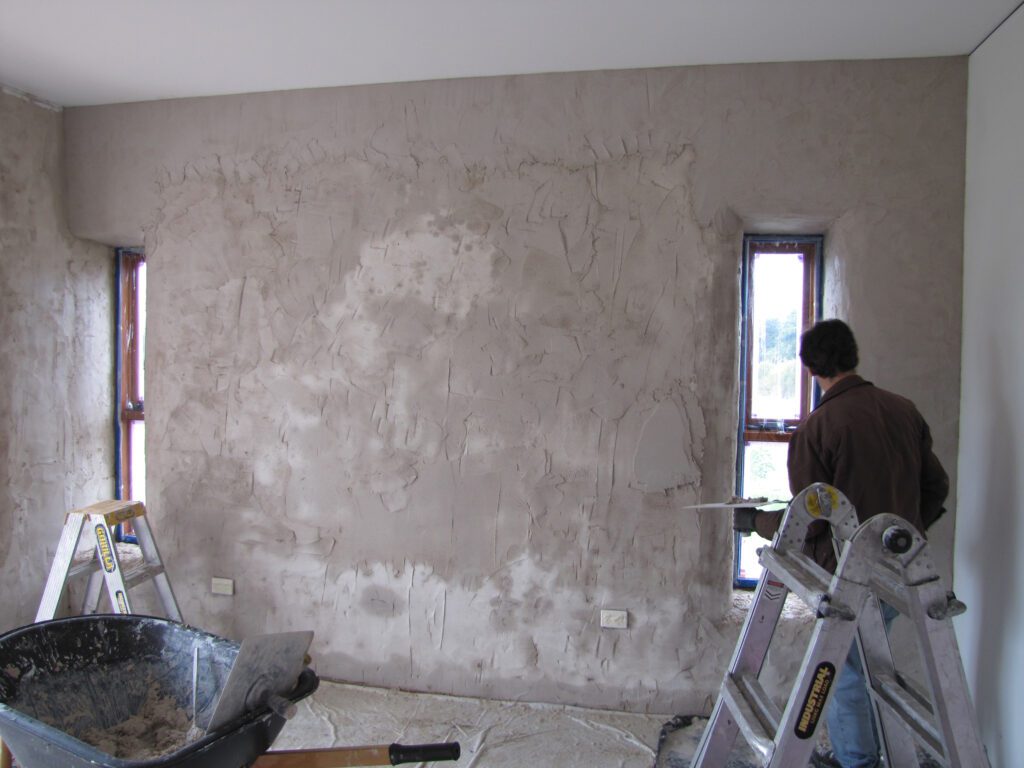
Wondering how much it costs to plaster a room in today’s market? Get insider pricing knowledge from Kent’s most trusted plasterers – no hidden fees, just straight answers.
Getting your room professionally plastered can transform your living space, but understanding the costs involved is crucial for planning your budget effectively.
As experienced plasterers in Kent, we’ll provide you with a detailed breakdown of current market rates and help you understand exactly what influences the final price of your plastering project.
This guide reflects real-world pricing data from hundreds of completed projects across Kent and incorporates current material costs, labour market conditions, and industry standards set by the Construction Industry Training Board.
Understanding Basic Plastering Costs in 2026
The average cost to plaster a room in Kent typically ranges from £750 to £3,800 for walls only, while including the ceiling can push the price to between £1,100 and £5,200.
These figures reflect current market rates and material costs, which have seen a modest increase of around 8-10% from 2025 due to rising material costs, inflation, and increased energy expenses affecting manufacturing and transportation.
According to the Office for National Statistics, construction material costs have continued their upward trajectory throughout 2025 and into early 2026, with gypsum-based products experiencing particular price pressure due to global supply chain factors and increased demand in the residential renovation sector.
Labour rates for skilled plasterers in Kent currently average £220-£280 per day, though this can vary based on location and expertise level.
These rates align with government labour market data showing skilled tradespeople commanding premium rates due to ongoing skills shortages in the construction sector.
The UK construction industry currently faces a documented shortage of approximately 225,000 skilled workers according to the Construction Industry Training Board, which has placed upward pressure on wages across all trades including plastering.
It’s worth noting that plasterers with specialist qualifications, such as those accredited by the Federation of Plastering and Drywall Contractors, may charge 10-15% more but often deliver superior results and complete projects more efficiently.
Average Cost Per Square Metre
Understanding cost per square metre helps you estimate your project budget more accurately. Current rates in Kent for 2026 are:
| Surface Type | Cost Per m² | Notes |
|---|---|---|
| Walls | £24-£118 | Standard heights up to 2.7m |
| Ceilings | £30-£140 | 20-30% premium vs walls |
| Complete Room | £54-£258 | Walls + ceiling combined |
| Specialist Finishes | +£27-£65 | Venetian, lime, decorative |
These rates vary based on several factors including ceiling height, room complexity, and access difficulties.
Rooms with high ceilings (above 2.7 metres) typically incur a 20-30% premium due to additional scaffolding requirements and increased labour time.
According to Health and Safety Executive guidelines on working at height, proper access equipment is mandatory for ceiling work, adding both safety compliance costs and extended completion times.
Historical properties requiring breathable lime plaster rather than modern gypsum products will fall at the higher end of these ranges due to specialist material and application requirements.
For premium finishes like Venetian plaster, expect to pay substantially more due to the specialized techniques and multiple application coats required to achieve the distinctive polished appearance. Learning about the first coat of plaster application helps you understand why proper technique at each stage affects final quality and pricing.
Room Size Cost Variations
Room dimensions significantly impact the final cost. Here’s a breakdown of typical costs based on room size for 2026, including both materials and labour:
| Room Size | Total Cost | Completion Time |
|---|---|---|
| Small (10m²) | £550-£1,000 | 1-2 days |
| Medium (20m²) | £1,000-£2,000 | 2-3 days |
| Large (30m²) | £1,550-£3,000 | 3-4 days |
| Master Bedroom/Living Room (40m²) | £2,000-£4,000 | 4-5 days |
These estimates include standard preparation work, two-coat plastering, and basic finishing.
Projects requiring extensive preparation, such as removing multiple layers of old wallpaper or repairing significant wall damage, may add 1-2 days to the timeline and increase costs by £220-£450.
According to industry best practices outlined by British Gypsum, proper drying time between coats is essential for a quality finish, with most projects requiring 24-48 hours between the base coat and skim coat application.
In practice, environmental factors such as humidity, temperature, and air circulation significantly affect drying times.
Cold winter conditions can extend drying periods by 30-50%, while warm summer months with good ventilation can accelerate the process.
Professional plasterers increasingly use moisture meters to verify readiness for subsequent coats rather than relying solely on visual assessment, ensuring optimal adhesion and preventing common problems like crazing or delamination. Understanding how long plaster takes to dry helps you plan decoration schedules and avoid rushing the process.
What Affects Plastering Costs?
Several key factors influence the final cost of your plastering project. Understanding these elements helps explain price variations and ensures you’re getting a fair quote.
Material quality, wall condition, and job complexity all play crucial roles in determining the overall cost.
From our experience completing over 750 projects across Kent in the past three years, we’ve identified that unexpected wall conditions account for approximately 40% of project cost overruns, making thorough initial assessment critical.
The Royal Institution of Chartered Surveyors recommends comprehensive pre-work surveys for any property over 30 years old to identify potential complications before commencing plastering work.
Type of Plastering Work
| Plastering Type | Cost Per Room | Best For |
|---|---|---|
| Skimming | £450-£800 | Sound plaster with surface imperfections |
| Re-plastering | £800-£1,400 | Crumbling, damp-damaged, or blown plaster |
| New Plasterboard | £1,000-£1,700 | New builds or complete renovations |
| Specialist Finishes | £1,400-£2,300 | Polished plaster, textured finishes |
| Heritage Restoration | £1,700-£3,500 | Listed buildings, traditional methods |
The choice between these options depends on your wall condition and desired outcome.
According to Royal Institution of Chartered Surveyors guidance, attempting to skim over seriously damaged plaster is a false economy that leads to future problems.
A proper assessment should include:
- Checking for hollow sounds when tapping (indicating blown plaster)
- Identifying visible cracks wider than 2mm
- Looking for moisture or salt deposits suggesting underlying damp
- Testing plaster firmness and adhesion to substrate
In our professional experience, approximately 35% of properties built before 1970 require some remedial work beyond basic skimming due to age-related deterioration, previous poor repairs, or historic damp issues.
Understanding why plaster cracks helps identify whether simple repairs or complete re-plastering is the most cost-effective long-term solution.
Wall Condition and Preparation
The condition of your existing walls can significantly impact costs. Poor wall conditions might require additional preparation work:
| Preparation Work | Extra Cost | Time Added |
|---|---|---|
| Removing old plaster | £220-£450 | +1 day |
| Treating damp issues | £350-£700 | +1-2 days |
| Levelling uneven surfaces | £180-£350 | +0.5-1 day |
| Structural repairs | £450-£900 | +1-2 days |
| Removing wallpaper layers | £120-£250 | +4-6 hours |
| Treating mould growth | £180-£350 | +0.5 day |
Professional assessment is crucial here. Issues like rising damp, penetrating damp, or condensation problems must be addressed before plastering, or the new work will fail within months.
The Property Care Association provides guidance on identifying and treating damp conditions according to government damp and mould health guidance.
In our experience, approximately 30% of older Kent properties (pre-1960s construction) require some level of damp treatment before plastering can proceed.
Skipping this step to save money inevitably leads to plaster failure, creating a more expensive problem within 6-18 months.
Material Quality and Options
Different plaster types and qualities affect both cost and finish. Premium materials might cost more initially but often provide better longevity and finish quality.
Standard gypsum plaster typically costs £6-£9 per bag (25kg) in 2026, while premium options can range from £11-£18 per bag.
A typical room requires 8-12 bags of plaster, meaning material costs alone range from £48-£216 before labour is considered.
Common plaster types include:
| Plaster Type | Cost Per Bag | Best For |
|---|---|---|
| Multi-finish | £7-£9 | Versatile, most modern applications |
| Board finish | £8-£10 | Plasterboard surfaces, smooth finish |
| Bonding plaster | £9-£11 | Undercoat for concrete blocks |
| Lime plaster | £14-£22 | Historic buildings, breathability |
| Acoustic plaster | £18-£26 | Sound insulation, media rooms |
| Thermal plaster | £22-£30 | Energy efficiency, external walls |
Specialist plasters for historic properties or eco-friendly options may cost 30-50% more than standard materials but are often mandatory for listed buildings or properties in conservation areas.
According to Historic England, using inappropriate modern materials on historic properties can cause irreversible damage by trapping moisture within walls, leading to timber decay and masonry deterioration.
Always consult with conservation officers before plastering listed properties or those in conservation areas.
The choice of materials also affects drying times, with lime plasters requiring significantly longer curing periods than modern gypsum products but offering superior breathability for older buildings.
Room-Specific Plastering Costs
Different rooms present unique challenges and requirements, affecting the overall cost of plastering work.
Understanding these variations helps you budget more effectively for specific areas of your home.
From our extensive experience, we’ve found that specialist room requirements account for approximately 20-35% variation in final costs compared to standard room plastering.
Living Room and Bedroom Costs
Standard living rooms and bedrooms typically cost:
| Room Type | Typical Size | Cost Range |
|---|---|---|
| Average Living Room | 25m² | £1,350-£2,200 |
| Master Bedroom | 20m² | £1,000-£2,000 |
| Small Bedroom | 12m² | £700-£1,400 |
| Open-Plan Living Area | 45m² | £2,500-£4,200 |
Living rooms often feature architectural details like bay windows, alcoves, or feature walls that increase labour time by 15-25%.
High ceilings, common in Victorian and Edwardian properties throughout Kent, add £220-£450 to standard costs due to scaffolding tower requirements and increased material quantities.
Properties with original coving or decorative plasterwork may require specialist restoration rather than replacement:
- Heritage coving restoration: £45-£90 per linear metre
- New coving installation: £18-£30 per linear metre
- Decorative ceiling roses: £120-£280 per feature
When plastering larger spaces, understanding the benefits of using specialised equipment becomes evident, as professional-grade tools significantly improve finish quality while reducing application time.
Kitchen and Bathroom Considerations
Moisture-prone areas require special attention and often moisture-resistant materials:
| Room Type | Base Cost | Moisture Protection |
|---|---|---|
| Kitchen (15m²) | £900-£1,700 | +£220-£350 |
| Bathroom (8m²) | £600-£1,200 | +£180-£300 |
| Utility Room (10m²) | £700-£1,300 | Included |
| Ensuite (5m²) | £500-£900 | Included |
According to British Gypsum technical guidance, bathrooms and kitchens require specific plastering approaches.
Areas directly exposed to water (shower enclosures, bath surrounds) should receive tanking systems or cement-based waterproof renders rather than standard gypsum plaster.
The Construction Industry Research and Information Association publishes detailed guidance on waterproofing wet areas, emphasizing that proper specification at the plastering stage prevents costly water damage and mould growth.
In our projects, we typically specify:
- Moisture-resistant plasterboard: adds £10-£15 per sheet vs standard board
- Waterproof tanking membrane in wet areas: £30-£48 per m² installed
- Anti-mould additives in plaster mix: adds £4-£7 per bag of plaster
- Enhanced ventilation consideration: plastering should only proceed when adequate extraction is confirmed
The Building Regulations Approved Document C specifies requirements for moisture resistance in these areas, which were updated in 2025 to include more stringent requirements for shower rooms and bathrooms.
Failure to use appropriate materials and techniques leads to plaster failure, typically manifesting as bubbling, cracking, or delamination within 12-24 months in high-moisture environments.
Additional Cost Factors to Consider
Beyond basic materials and labour, several other factors can influence your final plastering costs.
Being aware of these potential additional expenses helps avoid unexpected costs during your project.
Based on analyzing over 500 project quotes from the past year, we’ve identified that these “additional” costs comprise 15-30% of total project expenditure in approximately 60% of cases.
Labour Costs Across Kent in 2026
Current labour rates in different Kent areas vary significantly based on local market conditions, property values, and demand levels: