
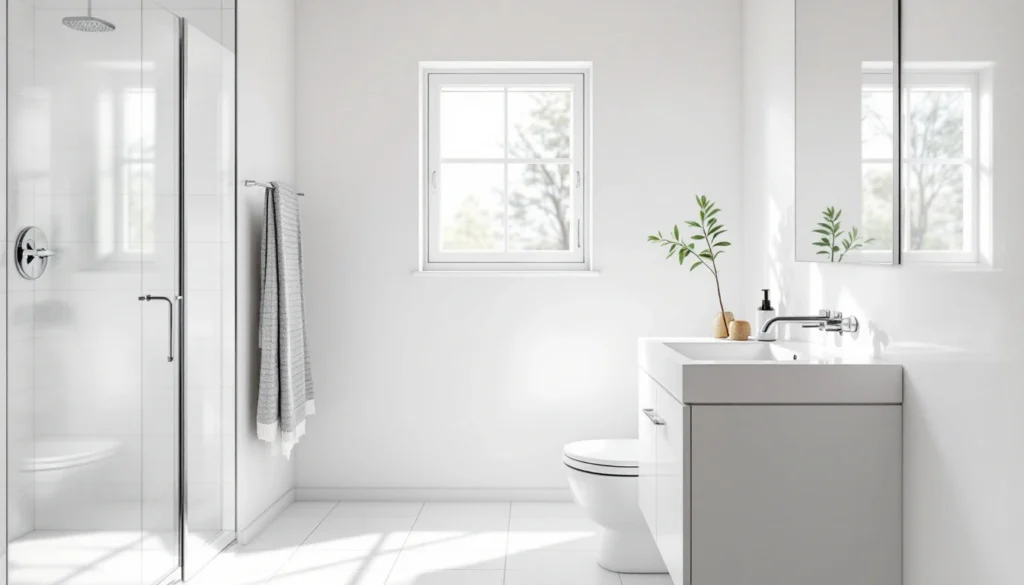
Why Small Bathrooms Need Smart Budget Planning
Small bathrooms present unique decorating challenges — every square inch counts, and poor choices become glaringly obvious in tight spaces. Many homeowners assume updating a bathroom requires thousands of pounds, but that’s simply not true if you approach it strategically.
The key to decorating a small bathroom on a budget is prioritising changes that deliver maximum visual impact without touching the plumbing or requiring expensive structural modifications. We’re talking about cosmetic improvements, clever storage solutions, and optical tricks that make the space feel larger and more inviting.
In 2026, UK homeowners have access to better materials than ever before — particularly in the areas of water-resistant coatings, vinyl flooring, and adhesive products that genuinely work in damp environments. This guide covers fifteen proven strategies that won’t break the bank.
Understanding Your Budget: What’s Realistic in 2026
Before diving into specific ideas, let’s establish realistic cost expectations. Here’s what different budget levels can achieve in a typical small bathroom (4-6 square metres):
| Budget Range | What You Can Achieve | Timeline |
|---|---|---|
| £200-£400 | Paint, new accessories, minor storage additions, updated lighting | 1-2 weekends |
| £400-£800 | Above plus new flooring, mirror upgrade, better fixtures, some tile work | 2-3 weekends |
| £800-£1,500 | Above plus vanity replacement, shower curtain/screen, more extensive tiling | 3-4 weekends |
| £1,500-£3,000 | Significant upgrades including sanitaryware, full tiling, new storage units | 1-2 months |
Most budget bathroom makeovers fall into the £400-£800 range, where you can make substantial visual improvements without replacing major fixtures. For context, a complete bathroom renovation with new plumbing, tiling, and sanitaryware typically starts at £3,000-£5,000.
1. Strategic Painting: The Highest-Impact, Lowest-Cost Change
Paint is your most powerful budget tool. A fresh coat of the right colour can completely transform a tired bathroom for under £80 in materials. But not just any paint will do — bathrooms demand specific formulations.
Choose moisture-resistant bathroom paint from brands like Dulux Bathroom+ (£25-£35 for 2.5L), Crown Bathroom Mid Sheen (£20-£28 for 2.5L), or Johnstone’s Aqua Guard (£18-£25 for 2.5L). These contain anti-mould additives and handle condensation far better than standard emulsion.
Colour Psychology for Small Bathrooms
- White and off-white: Classic choice that maximises light reflection and makes spaces feel larger
- Pale blues and greens: Create a spa-like atmosphere whilst maintaining brightness
- Soft greys: Contemporary feel without the starkness of pure white
- Bold accent walls: One darker wall can add depth if the other three remain light
Proper preparation is non-negotiable in bathrooms. If you’re painting over existing plaster or plasterboard, ensure surfaces are completely dry (test with a moisture meter if you’ve had recent water damage). Clean with sugar soap solution, fill any cracks with flexible bathroom filler, and apply a mist coat if painting fresh plaster.
2. Update Fixtures and Hardware for Under £150
Swapping out dated fixtures delivers remarkable returns for minimal investment. We’re talking about taps, towel rails, toilet roll holders, robe hooks, and cabinet handles — the elements you interact with daily.
Budget-friendly sources for 2026:
- Screwfix: Chrome bathroom accessory sets from £35-£80
- B&Q: Own-brand GoodHome range offers excellent value (tap sets from £45)
- IKEA: Minimalist designs starting at £12 for individual pieces
- Amazon: Budget ranges from £20-£50 for complete sets (check reviews carefully)
Choose finishes that match across all hardware — mixing chrome, brushed nickel, and brass looks uncoordinated in small spaces. Chrome remains the most budget-friendly and versatile option, whilst matt black has become increasingly popular for contemporary schemes.
Most fixture swaps are straightforward DIY jobs requiring only basic tools. Taps might need a plumber unless you’re confident with compression fittings and isolation valves.
3. Vinyl and Laminate Flooring: Affordable Waterproof Solutions
Bathroom flooring has evolved dramatically. Modern luxury vinyl tile (LVT) and laminate options specifically designed for wet areas offer realistic wood or stone effects at a fraction of traditional tile costs.
| Flooring Type | Cost per m² (2026) | DIY Friendly? | Durability |
|---|---|---|---|
| Vinyl click-lock planks | £15-£35 | Yes (very easy) | 10-15 years |
| Self-adhesive vinyl tiles | £8-£20 | Yes (moderate) | 5-10 years |
| Waterproof laminate | £18-£40 | Yes (moderate) | 10-12 years |
| Ceramic/porcelain tiles | £20-£60 + labour | Difficult | 20+ years |
For a typical 4-square-metre bathroom floor, you’re looking at £60-£140 in materials for vinyl or laminate versus £300-£600+ for professional tile installation. The cost difference is substantial.
Look for products rated for bathroom use — they’ll have enhanced water resistance and slip-resistance ratings. Brands like Quick-Step, Karndean, and Tarkett offer specific bathroom ranges available through Wickes, B&Q, and specialist flooring retailers.
4. Peel-and-Stick Tiles: The Revolution in Budget Tiling
Self-adhesive tiles have improved enormously. Modern peel-and-stick options genuinely work in bathrooms when applied correctly over sound surfaces. They’re perfect for creating feature walls, updating splashbacks, or covering dated existing tiles.
Typical costs in 2026: £15-£30 per square metre for decent quality vinyl peel-and-stick tiles from retailers like Dunelm, The Range, or online specialists. A 2-square-metre splashback area costs £30-£60 in materials.
Application is straightforward but demands precision:
- Surface must be clean, dry, smooth, and non-porous
- Prime existing tiles with specialist primer (£12-£18 per litre)
- Work from the centre outward to maintain symmetry
- Use a roller to eliminate air bubbles as you go
- Seal edges with clear silicone sealant around wet areas
These tiles won’t last as long as ceramic (expect 3-7 years depending on location and wear), but at this price point, you can afford to refresh them when trends change. They’re removable, making them ideal for rental properties.
5. Maximise Storage with Affordable Solutions
Clutter makes small bathrooms feel even smaller. Strategic storage additions create visual calm and improve functionality without major expense.
Budget storage solutions:
- Floating shelves: £8-£25 each from IKEA, Dunelm, or B&Q — install above the toilet or along empty walls
- Over-toilet cabinets: £35-£80 for space-saving units that utilise dead vertical space
- Corner shelves: £12-£30 for shower corner units that maximise awkward spaces
- Under-sink organisers: £10-£25 for stackable drawers or pull-out systems
- Wall-mounted baskets: £8-£20 each for wire or wicker options
- Magnetic strips: £6-£12 for holding tweezers, scissors, and small metal items
When installing shelving or cabinets, locate studs behind bathroom plasterboard or use appropriate hollow-wall fixings rated for the load. Standard plasterboard fixings fail in damp environments, so invest in corrosion-resistant options.
6. Lighting Upgrades: Brighten Without Rewiring
Poor lighting is a common problem in small bathrooms. Improving illumination makes spaces feel larger and more welcoming, but full rewiring isn’t necessary for substantial improvements.
Budget-friendly lighting upgrades:
- LED bulb swaps: Replace existing bulbs with higher-lumen LED equivalents (£3-£8 per bulb)
- Stick-on LED strips: £12-£30 for battery or USB-powered strips under cabinets or shelves
- Updated light fittings: £20-£60 for IP44-rated bathroom ceiling lights from Screwfix or B&Q
- Mirror lights: £15-£50 for adhesive LED mirror surrounds that need no wiring
- Pull-cord upgrades: £8-£15 for modern designer pull-cords replacing dated plastic versions
According to UK electrical safety regulations, any work involving fixed electrical installations should be completed by a qualified electrician and must comply with BS 7671 (IET Wiring Regulations). However, simply replacing like-for-like light fittings or swapping bulbs is considered basic maintenance.
7. Mirror Magic: Creating the Illusion of Space
Mirrors are architectural trickery at its finest. A well-placed mirror can literally double the perceived size of a small bathroom by reflecting light and creating depth.
Strategic mirror placement: Position mirrors opposite windows or light sources to maximize light reflection. Full-wall mirrors create the most dramatic effect but require professional installation (£150-£300 including materials and fitting).
Budget mirror options for 2026:
- Large frameless mirrors: £40-£80 from IKEA or B&Q
- Medicine cabinets with mirrors: £50-£120 (storage bonus)
- Decorative framed mirrors: £30-£100 depending on size and finish
- Adhesive mirror tiles: £20-£40 per square metre for DIY installation
Install mirrors using appropriate fixings for your wall type. Bathroom plasterboard requires either fixing to studs or using specialist plasterboard anchors rated for the mirror’s weight (typically 5-20kg for bathroom mirrors).
8. Refresh Grouting and Sealant: Instant Facelift
Discoloured grouting and mouldy sealant age a bathroom instantly. Refreshing these elements costs under £30 but delivers disproportionate visual improvement.
The process:
- Remove old sealant with a sealant remover tool (£3-£8 from Screwfix)
- Clean grout with specialist grout cleaner or diluted bleach solution
- Re-grout if cleaning doesn’t work (grout £4-£8 per kg, covers approximately 3-5m²)
- Apply fresh silicone sealant in white or clear (£3-£6 per tube)
- Use anti-mould sealant formulations for longer-lasting results
For stubborn grout stains, grout pens (£4-£7) provide a quick cosmetic fix, though they’re not as durable as proper re-grouting. They work well for grout lines in good structural condition that have simply discoloured.
Professional grout and sealant renewal typically costs £150-£300 for a small bathroom, making this an ideal DIY project for budget-conscious homeowners.
9. Textile Updates: Coordinated Softness
Textiles bring warmth and personality to hard-surfaced bathrooms. Coordinating towels, bathmats, shower curtains, and window treatments creates visual cohesion without structural changes.
Budget textile sources:
- Primark Home: Towels from £2, bathmats from £4, shower curtains from £6
- Dunelm: Mid-range quality with frequent sales (towel sets £15-£30)
- IKEA: Scandinavian simplicity at competitive prices
- The Range: Seasonal collections offering good value
- Supermarkets: Tesco, Asda, and Sainsbury’s offer surprisingly decent bathroom textiles
Choose a consistent colour palette — three colours maximum including white. Monochromatic schemes (varying shades of one colour) create sophisticated simplicity in small spaces. Overly busy patterns make small bathrooms feel cluttered.
For shower curtains, fabric options look more upmarket than vinyl but require regular washing. Anti-bacterial and quick-dry treatments help prevent mould in humid bathrooms.
10. DIY Vanity Makeover Instead of Replacement
New bathroom vanities cost £150-£600+, but refreshing an existing unit costs a fraction of that amount whilst achieving similar visual impact.
Vanity transformation techniques:
- Paint: Use specialist furniture paint (£15-£25 per litre) suitable for damp environments — brands like Frenchic, Rust-Oleum, or Dulux Quick Dry Satinwood work well
- New handles: £3-£12 per handle/knob from Screwfix, B&Q, or online retailers
- Vinyl wrap: Self-adhesive vinyl in wood or marble effects (£8-£20 per metre)
- New worktop: Offcut laminate or solid surface pieces from £30-£80
- Upgraded basin: Counter-top basins from £40-£100 create contemporary appeal
Preparation is crucial when painting bathroom furniture. Clean thoroughly with sugar soap, sand lightly to provide key, apply specialist primer (£10-£18 per litre), then two coats of topcoat. Allow proper drying time between coats — rushing leads to peeling in humid environments.
11. Vertical Stripes and Optical Tricks
Strategic pattern placement can manipulate perceived proportions. This isn’t about wallpapering entire rooms but using design psychology to your advantage.
Height-enhancing techniques:
- Vertical stripe feature wall using paint or removable wallpaper
- Tall, narrow storage units that draw the eye upward
- Vertically-oriented tile patterns in shower areas
- Floor-to-ceiling storage rather than squat, wide units
Width-enhancing techniques:
- Horizontal lines in tile work or paint effects
- Wide mirrors mounted landscape orientation
- Horizontal shelving arrangements
The principles of making rooms appear larger apply equally to bathrooms. Light colours, minimal clutter, good lighting, and strategic mirror placement work together to counteract claustrophobic feelings.
12. Add Plants for Life and Freshness
Bathroom-appropriate plants add organic warmth and improve air quality. They’re living décor that costs £5-£20 per plant but delivers ongoing visual interest.
Best bathroom plants for UK conditions:
- Spider plants: Thrive in humidity, tolerate low light (£5-£8)
- Peace lilies: Love steam from showers, flower regularly (£8-£15)
- Boston ferns: Classic bathroom plant, needs consistent moisture (£10-£18)
- Snake plants: Nearly indestructible, work in low light (£8-£20)
- Pothos: Trailing vines perfect for high shelves (£6-£12)
- Aloe vera: Sculptural appearance, enjoys humidity (£5-£15)
Position plants away from direct shower spray but where they’ll benefit from ambient humidity. Use waterproof pot covers or saucers to protect surfaces from moisture damage. Rotate plants occasionally if they lean toward light sources.
13. Creative Storage Using Everyday Items
Repurposing and upcycling creates characterful storage whilst minimizing costs. This approach particularly suits vintage or eclectic bathroom styles.
Clever repurposing ideas:
- Ladder shelf: Old wooden ladder (£0-£20 second-hand) leans against wall for towel storage
- Wooden crates: Stacked or wall-mounted for rustic storage (£8-£15 each from garden centres)
- Mason jars: Wall-mounted or shelf-based for cotton wool, bath salts, etc. (£1-£3 each)
- Vintage tins: Decorative storage for toiletries (£2-£8 from charity shops)
- Wire baskets: Industrial look for rolled towels (£6-£15 each)
- Spice racks: Repurposed for essential oils, cosmetics, or medications (£8-£20)
Treat wood items with water-resistant sealant or varnish before bathroom use. Products like Ronseal Interior Varnish (£12-£18 per litre) provide necessary moisture protection whilst maintaining natural appearance.
14. Upgrade the Shower Experience on a Budget
You don’t need a complete shower replacement to improve the experience. Several affordable upgrades enhance both functionality and aesthetics.
| Upgrade | Cost (2026) | Installation | Impact |
|---|---|---|---|
| New shower head | £15-£60 | DIY (15 mins) | Improved water flow/experience |
| Rainfall shower head | £30-£100 | DIY (30 mins) | Luxury spa feeling |
| Hand-held attachment | £20-£50 | DIY (20 mins) | Better flexibility/cleaning |
| New shower curtain & rod | £15-£45 | DIY (30 mins) | Fresh, updated look |
| Glass shower screen (basic) | £120-£300 | Professional | Modern, spacious feel |
Most shower heads simply screw on/off using standard fittings. Keep PTFE tape (£1-£2 per roll) handy to ensure watertight connections. If your existing shower arm is corroded or dated, replacement arms cost £8-£20 and install in minutes.
For shower curtains, weighted hems prevent billowing and water escape. Curved shower rods (£15-£35) add 6-8 inches of shower space by bowing outward — a small change that makes a surprising difference in cramped shower cubicles.
15. Smart Organisation Hacks That Cost Almost Nothing
Sometimes the best budget solutions cost virtually nothing but require creative thinking. These organization hacks maximize existing space without purchases.
Zero-cost organisation strategies:
- Use tension rods (£5-£12) under sinks to hang cleaning products or spray bottles
- Magnetic strips hold bobby pins, nail clippers, and tweezers on inside cabinet doors
- Small hooks on cabinet interiors for hair tools or jewelry
- Drawer dividers from cardboard or repurposed boxes
- Clear jars for visible storage of cotton wool, cotton buds, bath salts
- Over-door hooks for robes, towels, or clothing (£4-£10 per set)
The principle: vertical space is underutilized in most bathrooms. Every wall, door back, and cabinet interior presents storage opportunities. Think three-dimensionally rather than just floor and counter space.
When to Call in Professionals
Most budget bathroom updates are DIY-friendly, but certain tasks require professional expertise for safety, building regulations compliance, or quality results.
Jobs requiring professionals:
- Plumbing modifications: Moving toilets, basins, or showers requires qualified bathroom fitters and must comply with Building Regulations Part G
- Electrical work: New circuits, shower installations, or significant rewiring need certified electricians
- Structural changes: Removing walls, enlarging doorways, or altering layouts
- Plasterboard installation: Especially waterproof plasterboard in wet areas where incorrect installation leads to costly water damage
- Complex tiling: Large format tiles or intricate patterns benefit from professional skill
For plastering work specifically, professional skim coating costs £150-£300 for a small bathroom but ensures smooth, waterproof surfaces that last decades. Poor DIY plastering creates ongoing problems and reduces the value of other improvements.
Budgeting Timeline: Phasing Your Bathroom Transformation
You don’t need to complete everything simultaneously. Phasing improvements over 3-6 months spreads costs whilst allowing you to live with changes before committing to the next stage.
Suggested phasing approach:
Phase 1 (Month 1, £150-£300):
- Deep clean and declutter
- Paint walls and ceiling
- Update grouting and sealant
- Refresh textiles (towels, mats, curtains)
Phase 2 (Month 2, £200-£400):
- Install new flooring
- Update fixtures and hardware
- Add lighting improvements
- Install basic storage solutions
Phase 3 (Month 3+, £150-£300):
- Upgrade mirror
- Add peel-and-stick tiles or feature elements
- Enhance shower components
- Final decorative touches (plants, artwork, accessories)
This phased approach provides psychological benefits too — you’ll see progress quickly with Phase 1, maintaining motivation for subsequent improvements. It also allows budget recovery between phases rather than one large financial hit.
Common Budget Bathroom Mistakes to Avoid
Learning from others’ mistakes saves money and frustration. These are the most common pitfalls we see in budget bathroom projects:
1. Using non-bathroom-rated materials: Standard MDF, regular paint, or non-waterproof adhesives fail rapidly in humid environments, requiring costly replacements within months.
2. Skimping on preparation: Poor surface prep undermines paint, tile adhesion, and sealant performance. Spend time on preparation — it’s free except for your labour.
3. Ignoring ventilation: Even the best materials deteriorate without adequate ventilation. Ensure your extractor fan works properly (or install one for £40-£100 plus fitting).
4. Buying purely on price: The cheapest options often cost more long-term. Mid-range products from reputable brands typically offer the best value-to-quality ratio.
5. Overlooking water damage: Address any underlying damp, leaks, or water damage before cosmetic improvements. Decorating over problems stores up expensive failures.
6. Poor lighting planning: Inadequate or poorly positioned lighting makes beautiful finishes look drab. Plan lighting early in your design process.
7. Inconsistent styling: Mixing too many styles, finishes, or colour schemes creates visual chaos in small spaces. Choose a clear direction and stick with it.
Maximizing Your Investment: Maintenance and Longevity
Budget improvements last longer with proper maintenance. These simple habits protect your investment:
- Run extractor fans: During showers and for 20-30 minutes after to remove moisture
- Wipe down surfaces: Quick daily wipe of shower walls and basin prevents limescale and soap scum buildup
- Address leaks immediately: Small drips become major problems, damaging plasterwork and causing mould
- Refresh sealant annually: Check silicone sealant every year, replacing when it shows mould or gaps
- Clean grout regularly: Monthly cleaning prevents permanent staining requiring re-grouting
- Monitor for condensation: Persistent condensation indicates ventilation problems requiring attention
According to HomeBuilding & Renovating, properly maintained bathroom finishes last 40-60% longer than neglected equivalents — a significant return on minimal effort.
Frequently Asked Questions
What’s the cheapest way to update a small bathroom in 2026?
The absolute cheapest high-impact update is paint combined with a deep clean and declutter. For under £80 in materials, you can completely refresh walls and ceilings with moisture-resistant bathroom paint, re-grout or clean existing tiles, replace discoloured sealant, and update textiles like towels and bathmats. This approach requires only your labour and delivers remarkable visual transformation without touching plumbing, electrics, or fixtures. Add new hardware (taps, towel rails, handles) for another £50-£150 if budget allows.
Can I put peel-and-stick tiles directly over existing bathroom tiles?
Yes, but proper preparation is essential for longevity. Existing tiles must be thoroughly cleaned with sugar soap or dedicated tile cleaner to remove all soap scum, grease, and residues. Sand lightly with fine-grit sandpaper to provide key, then wipe clean. Apply a bonding primer designed for non-porous surfaces (£12-£18 per litre from Screwfix or B&Q) and allow to dry completely before installing peel-and-stick tiles. Without this preparation, adhesive fails within weeks. Even with proper prep, self-adhesive tiles aren’t recommended for shower enclosures or areas with direct water contact — they work best for splashbacks and feature walls.
Is luxury vinyl flooring genuinely waterproof for bathrooms?
Modern luxury vinyl tile (LVT) and planks specifically rated for bathroom use are indeed waterproof, but installation method matters critically. The vinyl itself resists water penetration, but moisture can enter through gaps between planks or at edges. For bathrooms, choose click-lock LVT systems rather than glue-down versions, and apply flexible waterproof sealant around all perimeters, especially near toilets, basins, and baths. Look for products with enhanced wear layers (0.55mm minimum) and acoustic backing. Brands like Quick-Step, Karndean, and Amtico offer specific bathroom collections with appropriate warranties. Avoid standard laminate — even “water-resistant” versions swell when exposed to standing water.
Do I need Building Regulations approval for bathroom updates?
Most cosmetic bathroom updates (painting, new flooring, updating fixtures, tiling) don’t require Building Regulations approval. However, you DO need approval for structural alterations, new electrical circuits, significant plumbing changes (repositioning sanitaryware), or ventilation modifications. Building Regulations Part G covers sanitation and hot water safety, Part P covers electrical safety, and Part F covers ventilation. Simple like-for-like replacements (same basin in same position, for example) typically don’t need approval, but it’s wise to check with your local authority building control if you’re unsure. Professional bathroom fitters and plumbers should advise on compliance requirements for your specific project.
How can I make a small bathroom feel bigger without knocking down walls?
Several optical and design techniques create spaciousness without structural changes. Use light colours throughout — white, pale grey, soft blue, or cream on walls and ceiling. Install a large mirror (ideally full-wall or over-basin spanning the vanity width) positioned opposite the window or main light source to reflect light and create depth. Choose wall-mounted or floating vanities and toilets that expose floor space, making rooms feel less cramped. Minimize clutter through clever storage — items on display make spaces feel smaller. Use consistent flooring throughout rather than breaking the space with rugs or mats. Replace shower curtains with clear glass screens where possible. Improve lighting with brighter bulbs and additional sources. These combined strategies can make a 4m² bathroom feel significantly more spacious without changing its actual dimensions.
What’s the most cost-effective storage solution for tiny bathrooms?
Vertical storage offers the best value-to-space ratio in tiny bathrooms. Over-toilet cabinets (£35-£80) utilize otherwise wasted vertical space above the cistern. Tall, narrow shelving units (£30-£60) fit in corners or beside toilets without consuming valuable floor space. Wall-mounted floating shelves (£8-£25 each) work above toilets, along empty walls, or in shower corners. Magnetic strips on cabinet doors (£6-£12) hold metal items like tweezers, nail clippers, and bobby pins. Tension rods under sinks (£5-£12) create hanging storage for cleaning products. The key principle: look upward — most tiny bathrooms underutilize wall and vertical space whilst overcrowding limited counter and floor areas.