
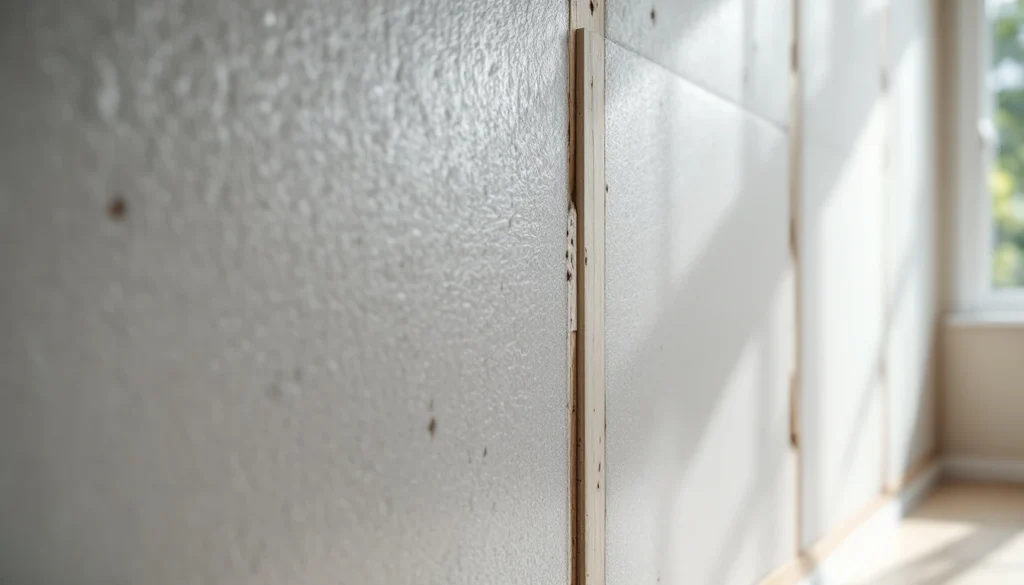
Understanding Black Mould on Walls
Black mould (Stachybotrys chartarum) is more than just unsightly — it’s a serious health hazard and a symptom of underlying damp problems. In UK homes, it’s particularly common in bathrooms, kitchens, north-facing bedrooms, and poorly ventilated spaces.
The Health and Safety Executive identifies mould as a respiratory irritant that can trigger asthma, allergic reactions, and other health issues, particularly in vulnerable individuals including children, elderly people, and those with existing respiratory conditions.
Why it matters for plasterers: When we’re called to re-skim walls, we often find mould hiding beneath wallpaper or old paint layers. If the underlying moisture issue isn’t addressed, the mould will return within months, regardless of how good the plastering job is.
What Causes Mould on Plastered Walls?
Before you can effectively remove mould, you need to understand what’s feeding it. Mould requires three things: moisture, warmth (10-30°C), and organic matter (plaster, wallpaper paste, paint). Remove any one of these elements and mould can’t survive.
Common Moisture Sources in UK Homes
- Condensation: The most common cause in modern UK homes. Poor ventilation combined with high humidity from cooking, bathing, and drying clothes creates perfect conditions.
- Rising damp: Groundwater rising through walls due to failed or absent damp-proof course (DPC). Typically affects ground floor walls up to 1 metre high.
- Penetrating damp: Water entering through external walls via damaged pointing, cracked render, missing roof tiles, or blocked gutters.
- Leaking plumbing: Hidden pipe leaks, particularly behind bathroom tiles or kitchen units.
- Poor thermal performance: Cold spots on walls (thermal bridges) where warm moist air condenses, especially around window reveals and external corners.
The Housing Health and Safety Rating System (HHSRS) classifies damp and mould as Category 1 hazards requiring immediate remedial action by landlords.
Identifying the Type and Extent of Mould Damage
Not all mould situations are created equal. Before starting removal, assess the damage properly:
| Severity Level | Characteristics | Treatment Approach |
|---|---|---|
| Surface Mould | Black/green spots on paint or wallpaper surface, hasn’t penetrated plaster | Wash with fungicidal solution, improve ventilation, repaint with anti-mould paint |
| Moderate Penetration | Mould visible on plaster surface, slight musty smell, small patches (under 1m²) | Scrape off loose material, treat with biocide, seal with Zinsser BIN, repaint |
| Deep Penetration | Plaster soft/crumbling, dark staining deep into substrate, large affected areas (1m²+) | Hack off contaminated plaster to bare substrate, treat masonry, replaster with backing and finish coat |
| Severe Structural | Rot in timber, efflorescence on masonry, extensive damage, ongoing water ingress | Professional damp survey, structural repairs, DPC installation, full replastering |
Testing depth of penetration: Use a moisture meter (available from Screwfix or B&Q for £25-80) to check readings. Healthy plaster reads 10-15% moisture content. Readings above 20% indicate a problem requiring investigation.
Safety Equipment and Preparation
Essential Safety Kit
- FFP3 respirator mask: Not a paper dust mask — you need proper filtration (3M 8835 or similar, £8-12 per mask)
- Nitrile gloves: Chemical-resistant, not thin latex (Marigold Industrial, £4-6 per box)
- Safety goggles: Sealed edges to prevent splash contamination
- Disposable coveralls: Prevents spore transfer to other rooms (£3-5 per suit from Screwfix)
- Plastic sheeting: Seal off the work area with 500-gauge polythene and decorator’s tape
Preparation Steps
- Isolate the area: Remove furniture, seal doorways with plastic sheeting, open windows for ventilation but close internal doors to prevent spore spread.
- Turn off HVAC systems: Prevents spores circulating through the house.
- Prepare waste disposal: Double-bag contaminated materials in heavy-duty refuse sacks. Council tips accept mould-contaminated waste but inform staff upon disposal.
- Mix cleaning solutions: Do this before donning PPE so you’re not fumbling with bottles wearing gloves.
Step-by-Step Black Mould Removal Process
Method 1: Surface Mould Treatment (DIY Approach)
For surface-level mould that hasn’t penetrated the plaster substrate, follow this process:
Materials needed:
- Fungicidal wash (Ronseal Anti-Mould Wash, £8-12 per litre) or bleach solution (1 part bleach to 3 parts water)
- Stiff nylon brush or sponge
- Spray bottle for application
- Bucket and clean water for rinsing
- Anti-mould paint (Dulux Bathroom+ or Johnstone’s Anti-Mould Paint, £18-25 per 2.5L)
Process:
- Don full PPE before starting work.
- Spray the solution: Saturate the affected area thoroughly. Don’t scrub immediately — let the solution sit for 15-20 minutes to kill spores.
- Scrub gently: Use circular motions with a stiff brush. Too aggressive and you’ll damage the plaster surface.
- Rinse thoroughly: Use clean water and a fresh sponge. Remove all cleaning solution residue.
- Dry completely: Use dehumidifiers and fans. The wall must be bone-dry before painting (typically 24-48 hours in winter, 12-24 hours in summer).
- Prime with anti-mould primer: Zinsser Mould Killer Primer (£24-28 per litre) seals the surface and provides extra protection.
- Paint with anti-mould topcoat: Apply two coats, allowing proper drying time between coats (usually 4 hours).
Method 2: Treating Moderate Mould Penetration
When mould has penetrated into the plaster but hasn’t compromised structural integrity:
- Remove loose material: Use a scraper or filling knife to remove any flaking paint, wallpaper, or friable plaster. Vacuum debris immediately with a HEPA-filter vacuum.
- Apply biocidal treatment: Use a professional-grade fungicide like Wykamol Concentrated Fungicidal Wash (£28-35 per litre, dilutes 1:4). This penetrates deeper than bleach.
- Allow full penetration: Let the biocide soak in for 30 minutes before scrubbing.
- Neutralise if required: Some fungicides require neutralising — check manufacturer instructions.
- Apply stain blocker: Zinsser BIN Shellac-Based Primer (£32-38 per litre) prevents staining bleeding through new paint. Essential for water-damaged plaster.
- Fill any defects: Use Everbuild Multi-Purpose Premium Filler (£6-8 per tub). Sand smooth when dry.
- Prime and paint: As per Method 1 above.
Method 3: Deep Penetration Requiring Replastering
When plaster is soft, crumbling, or extensively contaminated, removal and replacement is the only proper solution:
- Hack off contaminated plaster: Using a club hammer and bolster chisel, remove all affected plaster back to the bare masonry. Go at least 300mm beyond visible contamination.
- Inspect the substrate: Check masonry for dampness, efflorescence (white salt deposits), or structural issues. Address these before replastering.
- Treat the masonry: Apply fungicidal wash to bare brickwork/blockwork. Allow to dry completely (48-72 hours minimum).
- Check moisture levels: Use a moisture meter. Readings should be below 15% before plastering. If higher, use dehumidifiers or investigate ongoing moisture source.
- Apply bonding agent: PVA diluted 3:1 with water, or SBR for very dense substrates. See our guide on how to apply bonding plaster for detailed technique.
- Apply backing coat: Use British Gypsum Browning or Bonding, depending on substrate. Apply 11mm thick, scratch for key.
- Apply finish coat: Once backing coat is set (next day), apply 2-3mm of Multi-Finish. Trowel to smooth, polished finish.
- Allow proper drying: New plaster needs 7-14 days to dry fully before decorating. Don’t rush this — premature painting traps moisture.
- Apply mist coat: Our article on mist coat for new plaster explains proper technique. Use matt emulsion diluted 30% with clean water.
- Finish decoration: Two coats of quality anti-mould paint.
Professional plasterers will often add a few drops of fungicide to the PVA bonding solution as additional insurance against mould return, particularly in problem areas like bathrooms.
Addressing the Root Cause: Moisture Management
Removing mould without fixing the moisture source is pointless — it will return within weeks or months. Here’s how to address common problems:
Improving Ventilation
- Install or upgrade extractor fans: Bathrooms and kitchens require 15-20 air changes per hour. Modern fans like Vent-Axia Silent range (£45-120) meet Building Regulations Part F requirements.
- Add trickle vents to windows: UPVC windows should have them already, but older installations often don’t. Retrofit vents available from Screwfix for £8-15 per vent.
- Use passive vents: Air bricks in external walls provide background ventilation. Ensure existing vents aren’t blocked.
- Consider MVHR: Mechanical Ventilation with Heat Recovery systems (£3,000-6,000 installed) provide whole-house ventilation with minimal heat loss, ideal for well-insulated modern homes.
Reducing Condensation
- Improve heating: Keep rooms at consistent 18-21°C rather than sporadic high temperatures. This prevents cold wall surfaces where condensation forms.
- Reduce moisture production: Dry clothes outdoors or in vented tumble dryers, use pan lids when cooking, keep bathroom doors closed when showering.
- Install PIV units: Positive Input Ventilation systems (£450-800 fitted) introduce filtered, slightly warmed air, creating positive pressure that reduces condensation.
- Address cold spots: Internal wall insulation can eliminate thermal bridges, though it reduces room size slightly.
Dealing with Rising or Penetrating Damp
These require professional assessment and often significant remedial work:
- Rising damp: Injection DPC (£40-80 per linear metre), new membrane installation, or rendering with specialist damp-proof systems.
- Penetrating damp: External repairs to pointing, render, gutters, roof tiles. May require scaffolding (£600-1,200 for typical semi-detached house).
- Leak detection: Use thermal imaging cameras (£150-300 survey cost) to identify hidden leaks before opening up walls unnecessarily.
If you’re dealing with damp patches on plastered walls, identifying the specific moisture source is critical before any remedial plastering work begins.
Professional Mould Removal vs DIY
| Factor | DIY Approach | Professional Service |
|---|---|---|
| Cost | £20-60 for materials and PPE | £200-800 depending on extent |
| Equipment | Basic tools from Wickes/B&Q | Industrial HEPA vacuums, negative air machines, dehumidifiers |
| Expertise | Limited — risk of incomplete removal | Trained in mycology, moisture detection, proper containment |
| Time | 1-2 days for simple cases | ½ day assessment + 1-3 days remediation |
| Guarantee | None | Typically 1-5 year warranty depending on company |
| Best For | Small surface areas (under 0.5m²) | Large areas, recurring problems, structural concerns |
When to call professionals: Mould covering more than 1m², mould returning repeatedly, musty smell throughout property, visible structural damage, vulnerable occupants in the home, or insurance claims requiring professional certification.
Anti-Mould Products and Materials
The UK market offers various specialist products. Here’s what professional plasterers actually use:
Cleaning and Treatment Solutions
- Ronseal Anti-Mould Wash (£8-12/litre): Good for surface treatment, consumer-friendly, available at all DIY stores.
- Wykamol Concentrated Fungicidal Wash (£28-35/litre): Professional strength, excellent penetration, needs dilution 1:4 so actually economical.
- HG Mould Remover Foam (£6-8/500ml): Spray-on foam that clings to vertical surfaces, good for bathroom tiles and grouting.
- Dettol Mould & Mildew Remover (£4-6/500ml): Budget option, works adequately for light surface mould but less effective on heavy contamination.
Primers and Sealers
- Zinsser BIN (£32-38/litre): The gold standard. Shellac-based, seals staining brilliantly, dries in 45 minutes. Strong smell during application — ventilate well.
- Zinsser Mould Killer Primer (£24-28/litre): Water-based alternative, contains biocide that continues killing mould spores for years.
- Wickes Stain Block (£18-22/litre): Budget-friendly, works reasonably well but doesn’t match Zinsser performance.
Anti-Mould Paints
- Dulux Bathroom+ (£20-25/2.5L): Contains biocide, moisture-resistant, available in various colours. Good for 5 years protection.
- Johnstone’s Anti-Mould Paint (£18-24/2.5L): Trade quality, excellent coverage, popular with professional decorators.
- Perma-White Interior (£38-45/2.5L): Premium option, self-priming, guaranteed 5-year mould-free warranty. Expensive but worth it for problem areas.
- Earthborn Claypaint (£35-42/2.5L): Breathable, natural, regulates moisture naturally. Excellent for period properties or those wanting chemical-free solutions.
Cost Breakdown: Black Mould Removal in 2026
| Service/Item | DIY Cost | Professional Cost |
|---|---|---|
| Surface cleaning materials | £20-40 | Included in service |
| PPE (mask, gloves, coveralls) | £15-25 | Included in service |
| Fungicidal treatment | £25-50 (materials only) | £150-300 per room |
| Replastering (per m²) | £8-12 materials only | £35-55 labour + materials |
| Damp survey | N/A | £200-400 (often free if work commissioned) |
| DPC injection (per metre) | Not recommended DIY | £40-80 |
| Small bathroom treatment | £60-100 | £300-600 |
| Full bedroom remediation | £150-300 | £600-1,200 |
| Whole house severe case | Not advisable DIY | £2,500-8,000+ |
Insurance considerations: Home insurance policies often cover mould removal if it results from an insured event (burst pipe, storm damage), but typically exclude gradual condensation-related problems. Check your policy wording and document everything photographically before starting work.
Preventing Mould Returning: Long-Term Solutions
After successful mould removal, implement these strategies to prevent recurrence:
Daily Habits
- Open windows daily: Even 10-15 minutes of ventilation significantly reduces moisture levels.
- Use extractor fans: Run for 20 minutes after showering/cooking, not just during.
- Wipe down condensation: Remove moisture from windows, tiles, and cold surfaces promptly.
- Keep furniture away from external walls: Leave 50-100mm gap to allow air circulation behind wardrobes and beds.
Seasonal Maintenance
- Check external building fabric: Inspect gutters, pointing, render, and roof twice yearly (spring and autumn).
- Service heating systems: Ensure boilers and radiators work efficiently before winter.
- Clean extractor fan grilles: Remove dust and grease build-up that reduces airflow efficiency.
- Monitor humidity levels: Use a hygrometer (£10-20 from Amazon). Ideal indoor humidity is 40-60%. Above 70% creates mould risk.
Property Improvements
- Upgrade single-glazed windows: Double or triple-glazing eliminates cold surface condensation (£400-800 per window).
- Insulate properly: External wall insulation (£8,000-15,000 for typical semi) or internal wall insulation prevents cold spots.
- Install dehumidifiers: Desiccant models work better in cold UK winters than refrigerant types. EcoAir DD122 (£180-220) is popular with damp specialists.
- Consider anti-condensation paint: Products like Thermilate Anti-Condensation Paint (£55-70/2.5L) contain insulating microspheres that raise surface temperature by 2-3°C.
Understanding UK Regulations and Tenant Rights
The legal framework around damp and mould in rented properties changed significantly following the tragic death of Awaab Ishak in 2020. Landlords now face stricter obligations:
Landlord Responsibilities
- Fitness for habitation: Under the Homes (Fitness for Human Habitation) Act 2018, landlords must ensure properties are free from serious damp and mould.
- Response times: Category 1 hazards (serious mould) require remedial action within 28 days of notification.
- Investigation duty: Landlords must properly investigate causes, not just treat symptoms.
- Prevention measures: Must ensure adequate ventilation and heating systems are provided and functional.
For landlords and contractors, keeping on top of these duties has become a job in itself. A growing number now take a dedicated awaabs law training course run by the UK Association of Mould Experts, which sets out the notification deadlines and the standard of investigation the law now expects. Knowing where you stand before a tenant reports a problem saves a lot of trouble later.
Tenant Rights
If you’re renting and experiencing mould problems:
- Report in writing: Email or letter to landlord/agent, photographically document the problem.
- Allow access: Landlord needs reasonable access to assess and remedy the issue.
- Contact Environmental Health: If landlord doesn’t respond within reasonable timeframe, your local council’s Environmental Health team can inspect and issue improvement notices.
- Legal remedies: Tenants can claim compensation through courts for disrepair claims. No-fault eviction protections mean landlords can’t retaliate for legitimate complaints.
Frequently Asked Questions
Can I just paint over black mould on walls?
No, absolutely not. Painting over mould without proper treatment is one of the most common mistakes homeowners make. The mould will continue growing underneath the paint layer and will bleed through within weeks or months, often looking worse than before. You must kill the mould with fungicidal treatment, address the moisture source, and ensure the surface is completely dry before any painting. Even with anti-mould paint, failure to treat the existing contamination properly means you’re just temporarily hiding the problem.
How long does it take for black mould to return after removal?
If you’ve properly removed the mould AND addressed the underlying moisture problem, it shouldn’t return at all. However, if only surface cleaning was done without fixing ventilation, heating, or damp issues, mould can reappear within 2-8 weeks. In severe cases with ongoing water ingress or poor ventilation, you might see visible growth within days. The key is comprehensive treatment — removing mould spores is pointless if the conditions that allowed it to grow remain unchanged. Professional remediation typically comes with 1-5 year guarantees precisely because proper treatment prevents recurrence.
Does bleach permanently kill black mould?
Bleach kills surface mould spores effectively but has significant limitations. It works well on non-porous surfaces (tiles, glass, plastic) but doesn’t penetrate porous materials like plaster, wood, or grout. On these surfaces, bleach only whitens the visible mould whilst leaving the roots (hyphae) alive in the substrate. Within weeks, the mould regrows. Additionally, bleach’s high water content can actually worsen moisture levels in porous materials. Professional-grade fungicidal washes like Wykamol penetrate deeper and contain active ingredients that continue working after application. For serious mould problems, specialist biocides are more effective than household bleach.
Can I replaster over mould-affected walls without removing the old plaster?
This is never advisable and goes against all professional plastering standards. Mould-contaminated plaster must be completely removed back to the substrate for several reasons: First, mould spores can remain dormant in old plaster and reactivate when conditions suit them. Second, mould often indicates moisture damage that has weakened the plaster’s bond to the wall — new plaster over weak substrate will fail. Third, the mould hasn’t just appeared on the surface; it has penetrated into the plaster structure. Overlaying just traps the problem. We’ve been called to fix numerous botched jobs where plasterers skimmed over mouldy walls to save time — the mould always returns and the new plaster often delaminates. Hack off to bare masonry, treat properly, then replaster fresh.
What’s the difference between black mould and general mildew?
While often used interchangeably, there are important distinctions. Mildew is typically grey or white, powdery or downy in appearance, grows on flat surfaces like bathroom tiles or window sills, and is relatively easy to remove with standard cleaning products. Black mould (Stachybotrys chartarum) is darker (black or dark green), has a slimy or fuzzy texture, penetrates into porous materials, and produces mycotoxins that pose greater health risks. However, not all black-coloured mould is Stachybotrys — Aspergillus niger and Cladosporium also appear black. Definitive identification requires lab testing (£150-200 if needed for insurance claims), but from a treatment perspective, the approach is similar: remove all mould growth, identify and fix moisture source, treat with fungicides, and prevent recurrence through environmental controls.
Will a dehumidifier get rid of mould on walls?
A dehumidifier is an excellent preventative tool and helps after treatment, but it won’t remove existing mould. Dehumidifiers reduce airborne moisture, making conditions less favourable for mould growth, but they don’t kill established colonies. Think of it this way: once mould has taken hold on your walls, it’s already established its structure and will continue growing even in relatively dry conditions. You must physically remove or kill the existing mould first, then use a dehumidifier as part of your prevention strategy. A good desiccant dehumidifier (£180-350) maintaining 40-60% humidity will significantly reduce mould risk in problem properties. Run continuously in winter months, particularly in bedrooms and bathrooms. Modern units are energy-efficient and cost £3-5 per week to run.
When to Call Kent Plasterers
While surface mould treatment is often manageable as a DIY project, several situations require professional plastering expertise:
- Extensive plaster damage: When mould has compromised plaster integrity over large areas (multiple walls or entire rooms)
- Recurring problems: If mould keeps returning despite your best efforts at treatment and ventilation improvements
- Post-damp proofing replastering: After injection DPC or damp-proof membrane installation, proper replastering with correct materials and techniques is essential
- Period properties: Older homes with solid walls require breathable lime plaster systems, not standard gypsum plaster
- Insurance work: Professional certification and guarantees are often required for insurance claims
- Time constraints: Professional teams complete full room replastering in 1-2 days versus weeks of DIY work
Our team handles complete mould remediation projects across Kent, from initial moisture assessment through to final decoration. We work with approved damp specialists when structural issues require investigation, ensuring you get comprehensive solutions rather than temporary fixes.
For related moisture management solutions, see our guides on condensation on walls prevention and moisture resistant plasterboard for high-humidity areas.
Black mould removal isn’t just about aesthetics — it’s about creating healthy, safe living spaces. Whether you tackle it yourself or bring in professionals, addressing both the symptoms and the underlying causes ensures long-term success and peace of mind.