
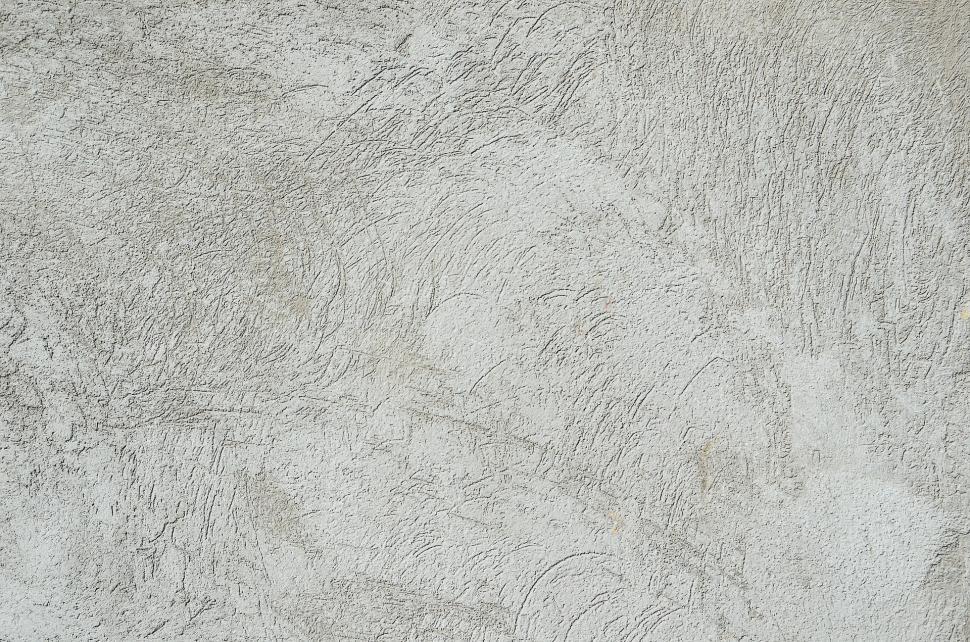
Hardwall plaster is a gypsum undercoat plaster for medium to high suction masonry backgrounds such as brick and medium-density block. Use it when bare masonry needs building out flat before skimming. It goes on at 11mm thick, sets in around 2 hours, and gives a harder, more impact-resistant base coat than bonding or browning plaster.
Key facts
- Coverage: about 2.25 square metres per 25kg bag at full thickness
- Thickness: 11mm on walls, in one ruled pass or two passes of 8mm and 3mm
- Set time: around 2 hours, fully dry in 3 to 7 days
- Suction: made for medium to high suction backgrounds like brick and block
- Water mix: 11 to 13 litres of clean water per 25kg bag
What is hardwall plaster used for?
Hardwall is a basecoat gypsum plaster used to level bare masonry walls before a skim coat goes on. It’s widely used in the UK construction industry for its durability. It contains aggregates that make it up to 60% harder than traditional backing plasters, so it stands up well in hallways and other high-traffic rooms, and it adds useful fire protection. It bonds well with most absorbent masonry, including bricks and blocks. For smooth, low suction surfaces such as dense concrete, use a bonding coat instead. If you’re not sure which undercoat your wall needs, our guide to the types of plaster explained covers the lot.
What is the difference between hardwall, bonding and browning plaster?
All three are undercoat plasters. The difference is the background suction each one suits. Bonding plaster is the low suction option for smooth concrete, plasterboard and surfaces treated with a bonding agent. Browning plaster did the same job as hardwall on absorbent backgrounds but is softer and has largely been replaced by it.
| Undercoat | Best background | Suction level | Wall thickness | Set time |
|---|---|---|---|---|
| Hardwall | Bricks, medium-density blocks | Medium to high | 11mm | About 2 hours |
| Bonding | Smooth concrete, plasterboard, treated painted surfaces | Low | 8mm | About 1.5 to 2 hours |
| Browning | Absorbent brick and block (older spec, now uncommon) | Medium to high | 11mm | About 2 hours |
Essential Tools and Materials
- Plastering trowel (stainless steel, 11-13 inch)
- Hawk board
- Mixing bucket (25L minimum)
- Electric paddle mixer
- Straight edge/darby
- Spirit level
- Scratching tool
- Clean water supply
- Hardwall plaster (approximately 11kg per square metre)
- Scrim tape for joints
- PVA bonding agent
- Personal protective equipment (gloves, goggles, dust mask)
Surface Preparation
Good surface preparation makes or breaks a hardwall job. Begin by thoroughly cleaning the substrate, removing any dust, grease, or loose material. For new masonry, ensure the surface has fully cured – typically 4-6 weeks for brick and blockwork. Apply a PVA bonding agent diluted at a ratio of 5:1 (water:PVA) to control suction and improve adhesion. For areas with different background materials, apply scrim tape across joints to prevent cracking. Check wall plumbness using a spirit level and install angle beads where necessary to ensure straight corners and consistent thickness.
Mixing Hardwall Plaster
Achieving the correct mixing consistency is vital for successful application. Start with clean, fresh water in your mixing bucket – approximately 11-13 litres per 25kg bag of plaster. Add the plaster gradually to the water while mixing with an electric paddle mixer at medium speed. Continue mixing until you achieve a smooth, lump-free consistency similar to thick cream. The mixed plaster should be workable for approximately 45-60 minutes, so only prepare what you can use within this timeframe. Avoid remixing or adding more water to partially set plaster as this will significantly weaken the final result.
How thick should hardwall plaster be applied?
Aim for 11mm total thickness on walls. Experienced plasterers often get there in one ruled pass. The two-pass method below suits uneven walls that need building out.
First Coat Application
The first coat, known as the scratch coat, should be applied at approximately 8mm thickness. Using your trowel and hawk, apply the plaster with firm, upward strokes, ensuring even coverage. Once the plaster begins to firm up (but before it sets), create horizontal lines across the surface using your scratching tool. These lines provide a key for the second coat to grip onto. Allow this first coat to set for approximately 2 hours before proceeding with the second coat.
Second Coat Application
Apply the second coat at approximately 3mm thickness while the first coat is still green (set but not fully dry). Use your trowel to achieve a flat, even surface, working in systematic sections. Once the plaster has firmed up slightly, use your straight edge to level any high spots and ensure an even surface. Finally, float the surface using a plastic float to close up any small holes and achieve a smooth finish ready for the topcoat.
Common Mistakes and Troubleshooting
- Mixing too wet – results in weak plaster and shrinkage cracks
- Insufficient surface preparation – leads to poor adhesion and delamination
- Applying too thickly – causes slumping and extended drying times
- Working material that’s started to set – weakens the plaster
- Inadequate scratching between coats – results in poor bonding
- Rushing the application – leads to uneven finish and potential failures
How long does hardwall plaster take to dry?
Hardwall sets in about 2 hours and dries fully in 3 to 7 days, depending on temperature and ventilation. Maintain good ventilation throughout the drying process but avoid direct heat or drafts which can cause rapid drying and cracking. Maintain room temperature between 5-30°C during this period. In winter months, use background heating to maintain consistent temperatures rather than intense direct heat.
Can you skim over hardwall plaster?
Yes. Hardwall is designed to be skimmed, and a 2mm coat of finishing plaster such as Multi-Finish or Thistle ProFinish gives the smooth final surface. Before applying the topcoat, check the surface for any imperfections and repair if necessary. If the hardwall has dried out, lightly dampen the surface to control suction and ensure proper bonding of the finish coat.
Maintenance and Aftercare
Well-applied hardwall plaster requires minimal maintenance but benefits from proper care. Allow the plaster to fully cure before decorating – typically 7-10 days minimum. Use appropriate primers before painting or wallpapering to ensure good adhesion. Address any minor damage promptly to prevent moisture ingress and deterioration. When hanging heavy items, use appropriate fixings and always locate studs or solid backing where possible.
Professional Tips and Best Practices
- Always use clean tools and fresh water for mixing
- Maintain consistent room temperature during application and curing
- Plan your work sequence to maintain a wet edge while plastering
- Keep a spray bottle handy to control suction on hot days
- Use angle beads for perfect corners and reveals
- Consider using bonding agents on challenging substrates
- Always wear appropriate PPE, especially when mixing dry plaster
- Clean tools immediately after use to maintain their condition
If the wall needs more than a DIY patch, our plasterers in Kent can quote for the full job.
Frequently asked questions
What is the difference between hardwall and bonding plaster?
Hardwall is for medium to high suction backgrounds such as bare brick and block. Bonding is for low suction backgrounds such as smooth concrete, plasterboard and treated painted surfaces. Splash water on the wall: if it soaks in quickly, use hardwall. If it sits or runs off, use bonding.
How thick should hardwall plaster be?
11mm on walls. Apply it in one ruled pass, or build out uneven walls in two passes of roughly 8mm and 3mm, scratching the first to key the second. Anything much thicker in one go tends to slump and takes far longer to dry.
How long does hardwall plaster take to dry?
Hardwall sets in about 2 hours and dries fully in 3 to 7 days, depending on temperature and airflow. You can skim it once it has set, but wait for the full dry before decorating, typically 7 to 10 days from application. Ventilate the room and avoid direct heat.
Can you skim over hardwall plaster?
Yes, hardwall is designed as a base for a 2mm skim of finish plaster such as Thistle Multi-Finish. Skim the same day once the undercoat has set and been scratched flat, or if it has dried out, dampen the surface first to control suction.
Can you use hardwall plaster on painted walls?
Not directly. Paint seals the wall’s suction, so hardwall will not bond properly and can sheet off. Either strip the paint back to bare masonry, or key sound paint with a proprietary bonding agent and use bonding plaster instead.
How much does a 25kg bag of hardwall cover?
About 2.25 square metres at the full 11mm thickness. Budget roughly 11kg of plaster per square metre, so a typical 3m x 2.4m wall (7.2 square metres) takes three to four 25kg bags. Add 10% for wastage on rough backgrounds.
Sources
[1] https://www.goldbondbuilding.com/products/conventional-plaster/two-way-hardwall-plaster
[2] https://www.british-gypsum.com/products/plaster-products/thistle-hardwall
[3] https://www.youtube.com/watch?v=P5CKDLrRwPw