
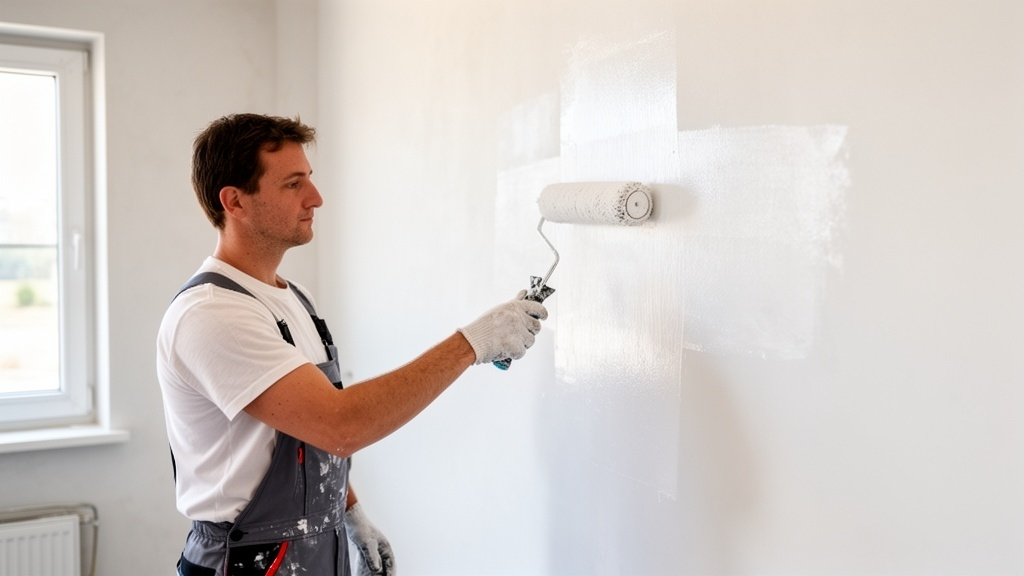
A freshly painted wall gives your home a charming and welcoming appearance. However, most homeowners forget that preparing the surface is critical to achieving a stunning finish and protecting the home from damage. They often overlook plastering and priming the surface, which maintains the home and improves the durability and long-term value of the paint. By hiring an experienced painting company, you can avoid these common problems and achieve a durable finish that blends beauty, strength, and perfection to improve your home’s appearance.
Understanding the Walls
Concrete, brick, drywall, and gypsum boards are used in the most common walls. Brick and concrete walls are durable, but their surfaces are uneven for paint or plaster. Drywall is smooth but easily gets damaged by moisture. Plaster helps to smooth these surfaces and strengthen the walls, protecting them from regular wear and weather damage.
No matter the material, most walls face issues such as cracks, damp patches, and uneven surfaces. Identifying these issues early is essential; it helps the plaster adhere and results in a perfect paint finish, avoiding issues such as uneven coverage, weak bonding, and premature peeling.
Essential Steps for Perfect Walls
Painting walls is a simple project, but it requires patience and precision in each step. These steps can help you achieve an even and polished finish.
Surface Preparation
Surface preparation begins with thorough cleaning. Wipe the surface with a brush or vacuum to collect dirt and make sure the wall is free of dirt, debris, grease, old paint, or loose materials. Use a damp cloth or sponge to collect residual dust without wetting the surface.
The next step is addressing signs of damage, such as cracks, holes, and leaks. Fix these issues before plastering the walls with fillers and seals. If you have leaks, address the main cause to prevent future structural damage and wet spots.
Plastering the Walls
Plaster is a shield for the wall and a base for smooth, decorative, or textured finishes. Lime-based plaster offers a classic finish to older buildings, durable cement plaster can be used for interior and exterior walls, and gypsum plasters are eco-friendly and lightweight. Select the plaster type depending on the wall’s location and your desired finish.
Form the plaster into a creamy consistency. Try to break up any lumps as you go; it’s ready when it’s smooth under a trowel. Avoid poor mixing or rushed curing time after application because this leads to uneven finishes and cracks. Spread the plaster evenly across the wall, aiming for a 10-15 mm thickness for interior walls or 20 mm thickness for exterior walls needing more protection.
Wall Curing and Drying
Proper wall curing and drying determine the final paint finish. After applying plaster, lightly dampen the wall with water or a bonding agent to let the plaster spread and slowly dry. This helps it strengthen and bond properly. After curing, leave the plaster to dry at room temperature. Keep the windows open for ventilation and use a dehumidifier to control moisture levels. Rushing the curing and drying step traps moisture, causes cracks, leads to peeling, and increases the risk of fungal and mold growth.
Putty Application
Putty creates a smooth base by filling cracks and smoothing imperfections after plastering. White cement-based putty is ideal for both interior and exterior house painting, providing a durable and water-resistant base for paint. Acrylic putty, suitable for interior surfaces, is made from emulsion and other additives.
Usually, one or two layers of putty are required to create a smooth surface for painting. Apply a thin layer with a putty knife or trowel, spread it uniformly, and let it dry for 8 hours. Sand the imperfections and uneven spots with fine-grit sandpaper, then apply the second coat and let it dry for another 6-8 hours.
Priming the Walls
Primer creates a smooth bridge between the surface and paint and prevents the walls from absorbing paint too quickly, leading to an uneven, patchy finish. Priming seals porous surfaces, covers stains and repaired spots, and provides a consistent neutral base for paint. It helps with color development and reduces the number of coats of paint required, but must be applied and left to dry according to the manufacturer’s instructions before painting.
Water-based primer is easier to clean up and ideal for interior walls. Oil-based primer is used to cover porous surfaces, stains, and smoke damage. Shellac primers are known for sealing odors and stains and drying quickly. Exterior primers are applied to walls to improve durability and adhesion, and to protect the structure from UV rays, wind, moisture, and temperature changes.
Painting the Walls
With the surface plastered and primed, you’re now ready to color the walls. The right type of paint depends on the wall’s location and purpose. Water-based emulsion paints are suitable for interior use as they dry quickly, have less odor, and are easier to clean up, while enamel creates a hard, glossy finish in kitchens and bathrooms. You can even use textured paint to create patterns or hide wall imperfections.
Choose the right finish to improve the appearance and lower future maintenance costs. Apply thin coats of paint and use the right tools as needed; angled brushes help you reach edges and corners, while rollers and sprayers cover larger surface areas quickly and smoothly. Focus on consistency and give the paint enough time to dry to achieve a professional finish.
Final Inspection and Touch-Ups
Once the painting is complete, inspect the walls under different lighting conditions. This is the right time to make corrections and achieve a flawless finish. Check for crisp, clean lines in edges and corners, and pay close attention to uneven areas, cracks, patches, or missed spots. If needed, correct these problems with light sanding and touch-ups. A proper inspection helps achieve an attractive and professional finish.
Final Thoughts
Wall painting requires careful planning, materials, and skilled execution. Painters and homeowners must work with patience and attention to detail, from surface preparation and plastering to curing, priming, and painting. With a systematic approach and enough time, you’re giving yourself the best chance of creating a durable and visually appealing paint. A perfect wall is the result of attention, care, and patience.