
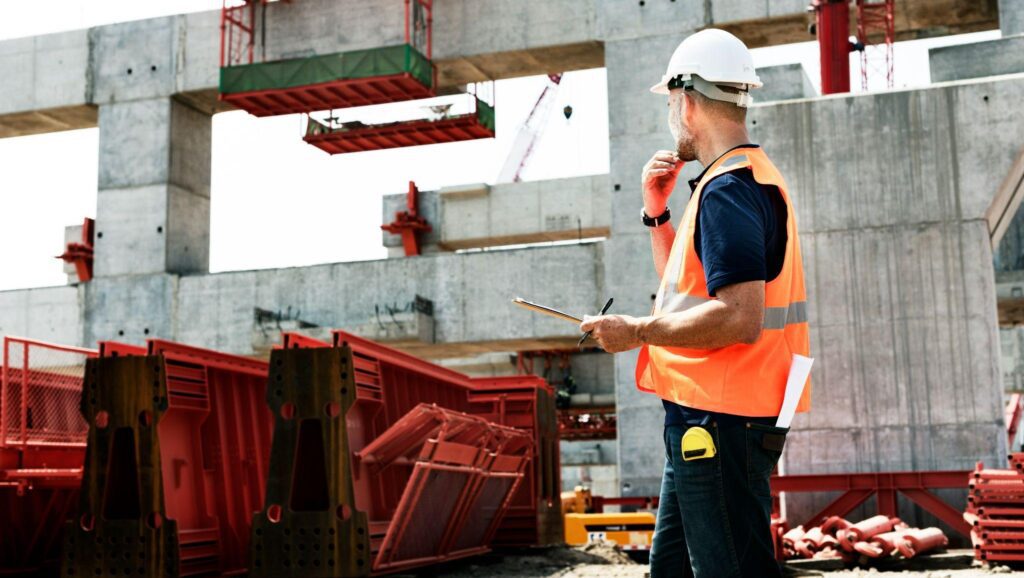
Walk onto any building site and you can tell within about thirty seconds how well the job is being run. It’s not the quality of the brickwork or the kit on show that gives it away, it’s the state of the place. A site where materials are stacked sensibly, walkways are clear, and waste is being dealt with rather than left to pile up is almost always a site where the work itself is under control. A chaotic, debris-strewn one usually tells the opposite story, whatever the standard of the actual trade being done.
It’s tempting to file site tidiness under housekeeping, the sort of thing that’s nice to have when there’s time. That’s a mistake, and an expensive one. Keeping a site clean is really about three things that matter enormously on any job: safety, efficiency, and staying on the right side of the law. Treat waste management as an afterthought and it will cost you on all three fronts. Build it into how you work and it quietly pays you back every single day. Here’s why it deserves far more attention than it usually gets.
A Clean Site Is a Safe Site
The most important reason comes first, and it’s safety. Slips, trips, and falls are among the most common causes of injury on building sites, and a huge proportion of them come down to debris, offcuts, and general clutter left where people walk. Every pile of rubble in a walkway and every tangle of waste across a floor is a genuine hazard, and on a working site where people carry materials and can’t always see their feet, that risk is real and constant.
Accumulated waste creates other dangers too. It blocks access routes and escape paths, which matters enormously if something goes wrong and people need to get out quickly. A lot of building waste is also combustible, so letting it build up raises the fire risk on site, particularly where hot works are involved. Beyond the practical hazards, there’s a legal dimension, because anyone running a site has a duty to provide a safe place of work, and a site buried in waste is difficult to defend if an accident happens and questions get asked. Keeping the place clear isn’t fussiness, it’s one of the most basic forms of risk management there is, and it protects the people working for you as well as your own position.
The Efficiency and Cost Argument
Beyond safety, there’s a straightforward commercial case, because mess costs money in ways that are easy to overlook. Every time someone has to move a pile of debris to get at what they need, shift waste to reach a work area, or pick their way around obstacles, that’s time lost, and on a job where you’re paying skilled trades by the hour, wasted minutes add up fast across a week. A cluttered site simply works more slowly than a clear one, and that drag is invisible until you tally it.
There’s also the material cost. On a chaotic site, good materials get damaged, buried under waste, or mixed in with rubbish and thrown out, which means paying twice for things you already bought. Tools go missing in the mess. A tidy, well-organised site avoids all of that, letting people move freely, find what they need, and get on with the work they’re actually there to do. Speed on a job is margin, and a clean site is quietly one of the cheapest ways to protect it. The time spent keeping waste under control is repaid many times over in work that flows instead of stalling.
Building Waste Handling Into the Job
The way to get this right is to plan for waste rather than react to it, treating removal as part of the job from the outset instead of a scramble at the end. That starts with designating a clear area for waste to be collected, so it goes to one controlled place rather than accumulating wherever it happens to land. Sorting as you go helps enormously too, keeping rubble, timber, metal, and general waste separated at source rather than tangled into one mixed heap that’s harder and dearer to deal with later.
The key on any job of reasonable size is making sure waste actually leaves the site at a sensible pace rather than growing until it’s a problem. Arranging regular construction waste collection so that material is removed steadily as the work produces it keeps the site clear throughout, rather than letting it choke up and then dealing with a mountain at the end. Matching the collection schedule to the rhythm of the work, so skips or removals arrive roughly in step with how fast you’re generating waste, is what keeps a busy site from ever getting buried. It takes a little forethought at the planning stage, but it turns waste from a recurring crisis into a background process that simply runs.
Staying Compliant With Waste Regulations
The legal side of waste is where a lot of contractors expose themselves without realising it, and it’s worth understanding properly. Anyone producing construction waste carries a duty of care for how that waste is handled, and that responsibility doesn’t end the moment it leaves your site. You’re expected to ensure your waste is transferred to a properly licensed carrier and disposed of correctly, and to keep the paperwork, the waste transfer documentation, that proves you did so.
This matters because if waste from your job is dealt with improperly or fly-tipped, the trail can lead back to you as the producer, and the consequences range from fines to real damage to your reputation and your ability to win future work. Those cheap, cash-in-hand clearance offers that turn up on every site are cheap precisely because they often cut exactly these corners, and using them puts your name on the line for someone else’s illegal dumping. Using a reputable, licensed waste service and keeping your documentation in order protects you legally, protects your standing as a professional, and is simply part of running a proper operation. It’s not the exciting part of the trade, but it’s one where getting it wrong can be genuinely costly.
Making It Standard Practice, Not an Afterthought
The contractors who handle waste best are the ones who’ve stopped thinking of it as a separate task and built it into the daily rhythm of the job. A few minutes of clearing at the end of each day, a designated waste area everyone uses, sorting as standard, and collection arranged in advance all add up to a site that stays under control without anyone having to make a special effort. Done consistently, it stops being a chore and becomes just how the site runs.
There’s a professional dimension to this as well that’s easy to underrate. When a client walks onto a clean, orderly site, it tells them their job is in capable hands, and that impression feeds directly into your reputation, your reviews, and the recommendations that bring the next job. A tidy site is a walking advert for the way you work. Good waste management sits alongside the actual craft as part of what separates a professional operation from a chancer, and treating it that way, as a genuine part of the job rather than an afterthought squeezed in when there’s time, is one of the quieter marks of a builder who takes the whole of their work seriously. The state of your site is the first thing people judge, so it’s worth making sure it says the right thing.