
The Waiting Game: When Can You Use Your Refinished Floors?
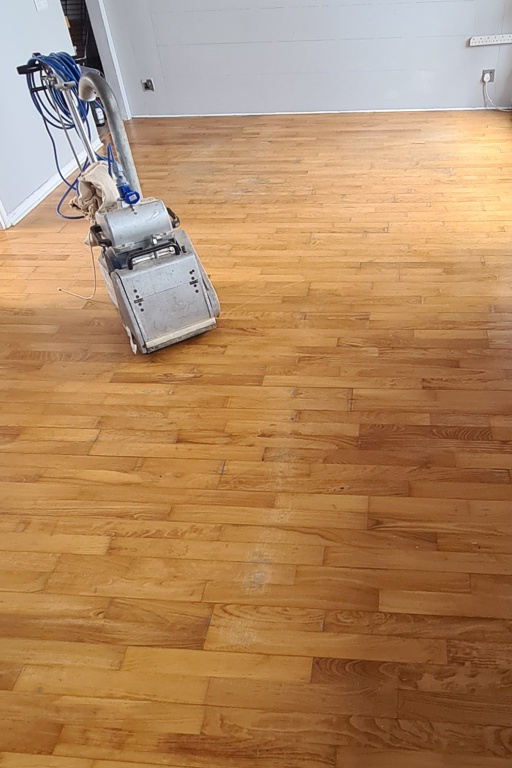
Few things transform a home quite like professional wood floor sanding and finishing and finishing; it breathes new life into tired planks and elevates the entire aesthetic of your space. But once the dust settles and the final coat is applied, the most difficult part begins: the wait.
Stepping onto your floors too early is the most common cause of “finish failure.” Even if a floor looks dry to the eye, the chemical process happening beneath the surface is complex. To help you protect your investment, we’ve broken down exactly how long you need to wait based on the finish used and how to handle the transition back to normal life.
1. The Finish Dictates the Pace
The “dry time” (when it’s safe to walk) is very different from the “cure time” (when the finish reaches its maximum hardness).
Lacquered (Water-Based) Finishes
Lacquers are the speed demons of the flooring world. Because they dry through evaporation, they are typically ready for action much sooner.
Light Foot Traffic (Socks only): Usually 2 to 4 hours after the final coat.


Full Use: Approximately 24 hours.


Full Cure: 7 days.
Hardwax-Oil Finishes
Hardwax oils penetrate deep into the wood grain. While they offer a beautiful, natural matte look, they require a bit more patience as they dry through oxidation.
Light Foot Traffic (Socks only): Usually 12 to 24 hours.


Full Use: 48 hours is the safest bet.


Full Cure: Up to 14 days.
2. Furniture Considerations
Just because you can walk on the floor doesn’t mean you should drag your mahogany sideboard across it.
Wait at least 24–48 hours before moving furniture back into the room.


Lift, don’t slide. Even a cured floor can be scratched by the heavy friction of a sliding sofa.


Use Felt Pads. Apply fresh felt protectors to the bottom of all chair legs and heavy items.


The Rug Rule: This is the most common mistake. Wait 14 days before laying down area rugs. Rugs trap moisture and prevent the floor from "breathing" and curing, which can cause permanent discoloration or a sticky finish.
3. Factors That Affect Drying
While the estimates above are standard, your home’s environment plays a massive role:
Humidity: High humidity slows down the drying process significantly.


Airflow: Good circulation helps, but avoid direct fans pointed at the floor while it's wet, as this can blow dust into the finish.


Temperature: Ideally, the room should stay between 18°C and 22°C.
Professional Floor Sanding & Fitting
Achieving that perfect, glass-smooth finish starts long before the lacquer hits the wood. If you are looking to revitalize your home, we provide a complete floor sanding and floor fitting services tailored to your specific wood type.
Our floor fitting expertise ensures that every plank is installed with the correct expansion gaps and structural integrity, preventing future creaks or warping. Once the foundation is set, our wood floor sanding process utilizes state-of-the-art, dust-free technology. We work through multiple stages of grit, from heavy-duty leveling to fine-polishing, ensuring that the wood grain is perfectly prepared to absorb the protective coating.
We don’t just “apply a finish”; we evaluate the traffic patterns of your home to recommend the right product. Whether you need the quick-drying, high-traffic durability of a modern lacquer or the rich, organic, and repairable feel of a premium hardwax-oil, our team ensures the application is flawless. We take the stress out of the renovation, providing you with clear timelines so you know exactly when you can start enjoying your beautiful new space.
Pro Tip: If you have pets, their claws act like little needles on a finish that hasn’t reached full chemical hardness. Keep your furry friends off the new floors for at least 24 to 48 hours, and ensure their nails are freshly trimmed before they make their grand re-entry.
Ready to transform your home with a floor that lasts a lifetime? Contact us today for a professional consultation and a quote on our expert sanding and fitting services.